When winter hits hard, being caught unprepared can turn a simple trip into a dangerous ordeal. Imagine being stuck in freezing cold with no way to stay warm or signal for help.
What would you do? Having the right items in your winter survival kit can make all the difference between staying safe and facing serious risks. You’ll discover exactly what you need to keep yourself protected and comfortable when winter shows its toughest side.
Keep reading, because your safety could depend on what you have with you.
Shelter Essentials
Shelter is a top priority in any winter survival kit. Staying warm and dry protects you from frostbite and hypothermia. Your shelter essentials must keep cold wind, snow, and moisture out. These items create a safe space to rest and recover energy.
Insulated Tent
An insulated tent blocks cold air better than regular tents. It traps body heat inside, helping you stay warm. Look for tents with strong poles and thick fabric. Easy setup is important when time is short and weather is harsh.
Emergency Blankets
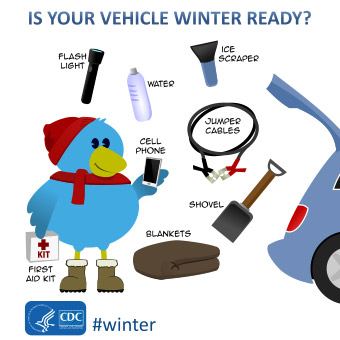
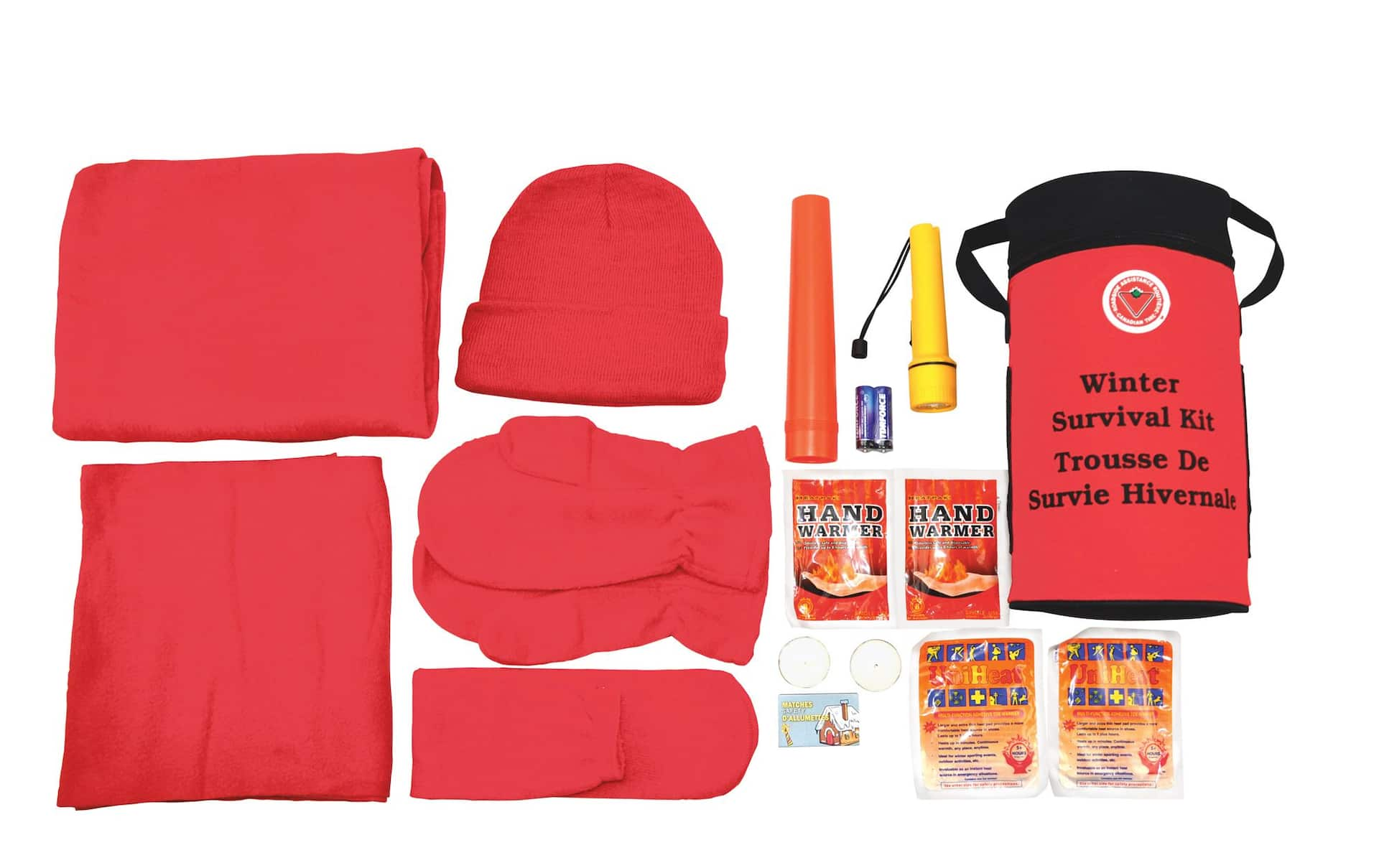
Emergency blankets are lightweight and compact. They reflect body heat back to you. Carry several to wrap around yourself or use as ground cover. These blankets resist water and wind, adding extra protection.
Sleeping Bags
Choose sleeping bags rated for cold temperatures. They provide insulation and keep heat close to your body. Mummy-shaped bags fit snugly to reduce heat loss. Use a sleeping pad underneath to avoid cold ground contact.
Warm Clothing
Warm clothing is vital for surviving harsh winter conditions. It helps keep your body heat trapped and protects against cold winds. Choosing the right clothes can prevent frostbite and hypothermia. Layering clothes is a smart way to stay warm and adjust to changing temperatures.
Thermal Layers
Thermal layers are the base of your winter clothing. They fit snugly to your skin and keep heat close to your body. Materials like wool or synthetic fabrics work best. Avoid cotton because it holds moisture and makes you cold.
Wear at least two thermal layers: one for the upper body and one for the lower body. This setup keeps warmth in and moisture out.
Waterproof Outerwear
A waterproof jacket and pants protect you from snow and rain. Wet clothes lose their insulation quickly. Look for breathable fabrics that block water but let sweat escape. This helps you stay dry and comfortable during outdoor activities.
Choose outerwear with a hood and adjustable cuffs. These features keep cold air and moisture from getting inside your clothes.
Gloves And Hats
Protect your hands and head to maintain overall body warmth. Gloves should be insulated and waterproof. Layer thin liners under thick gloves for extra warmth.
Wear a hat that covers your ears completely. Wool or fleece hats are excellent choices. Remember, a significant amount of heat escapes through your head.
Food And Water Supplies
Food and water supplies are essential for any winter survival kit. Cold weather increases energy needs. Proper nutrition helps maintain body heat and strength. Staying hydrated is also crucial, even if you don’t feel thirsty.
High-calorie Snacks
Choose snacks rich in calories and easy to carry. Nuts, energy bars, and dried fruits work well. These foods provide quick energy and last long without refrigeration. Avoid snacks that freeze or spoil easily.
- Peanut butter or almond butter packets
- Trail mix with nuts and dried berries
- Chocolate or granola bars
- Beef jerky or dried meat
Water Containers
Carry sturdy, leak-proof containers for water storage. Metal or BPA-free plastic bottles are good choices. Insulated bottles keep water from freezing in cold weather. Have enough capacity to store at least one gallon per person per day.
- Wide-mouth water bottles for easy filling
- Collapsible water bags for saving space
- Thermos bottles to keep liquids warm
Portable Water Filters
Water sources may not always be safe. Portable water filters remove harmful bacteria and sediments. Choose lightweight, easy-to-use filters for emergencies. Some filters also improve taste and odor.
- Straw-style filters for quick drinking
- Pump filters for larger water amounts
- Filter bottles combining storage and purification
Fire Starting Tools
Fire starting tools are essential in any winter survival kit. They provide warmth, a way to cook food, and a signal for help. Without reliable fire-starting options, you risk exposure to cold and other dangers.
Lighters And Matches
Lighters are lightweight and easy to use, making them a popular choice. Keep several waterproof or windproof lighters in your kit to increase your chances of success. Matches are also valuable, especially waterproof or stormproof types, since they can ignite even in damp conditions.
Always store matches in a sealed container to prevent moisture damage. Have more than one way to create a spark—your survival depends on it. Have you ever struggled to light a fire because your tools were wet or broken?
Fire Starters
Fire starters help ignite your fire quickly, even when conditions are tough. Options like cotton balls soaked in petroleum jelly, commercial fire sticks, or compressed tinder blocks work well. These materials catch a spark easily and burn long enough to light kindling.
Try packing a few different types to find what works best for you. Fire starters can make a huge difference when your matches or lighter fail in windy or wet weather. Could a small, lightweight item like this save you hours of struggle in the cold?
Fuel Sources
Fuel sources provide the material that keeps your fire burning. Dry twigs, pine needles, and bark are excellent natural fuels. You should also carry some solid fuel tablets or fire logs designed for survival situations.
Collecting fuel might be harder in snowy or wet environments, so having your own supply is crucial. Think about how much fuel you’ll need to stay warm and cook your meals. What would you do if you ran out of natural fuel in a blizzard?
Navigation And Communication
Navigation and communication tools are essential for winter survival kits. They help you find your way and stay connected during emergencies. These tools increase your chances of rescue and keep you safe in harsh winter conditions.
Maps And Compass
Physical maps and a compass never run out of batteries. They work well in remote areas where electronics fail. Learning to read a map and use a compass is a valuable skill. Carry waterproof maps to protect them from snow and moisture.
Gps Devices
GPS devices provide precise location data. They are useful for tracking your route and finding your position quickly. Choose models with long battery life and offline maps. Keep spare batteries or a power bank to ensure continuous use.
Emergency Radios
Emergency radios receive weather alerts and rescue signals. Some models allow two-way communication with rescuers. Hand-crank or solar-powered radios are reliable when power is unavailable. Always include one in your kit for real-time updates.
First Aid Kit
Your first aid kit is the heart of any winter survival kit. It’s not just about bandages and antiseptics; it’s about being ready for the unique challenges cold weather throws at you. A well-prepared first aid kit can be the difference between a minor setback and a major emergency.
Basic Medical Supplies
Start with essentials that handle common injuries. Include adhesive bandages in various sizes, sterile gauze pads, and medical tape to cover wounds. Don’t forget antiseptic wipes and antibiotic ointment to prevent infections.
A pair of tweezers and scissors can be lifesavers for removing splinters or cutting tape. Add disposable gloves to protect yourself when treating others. These basic items are the foundation of your kit and should be easy to access.
Cold Weather Medications
Cold weather can worsen certain health conditions. Pack medications like ibuprofen or acetaminophen to reduce pain and fever. Include remedies for cough, cold, and congestion to keep symptoms manageable.
Consider adding blister treatment supplies, as cold weather often means more walking on rough terrain. Don’t forget any personal prescription medications you might need. How often have you been caught without your essential pills in an emergency?
Injury Treatment Items
Winter activities increase the risk of sprains, strains, and frostbite. Include elastic bandages for support and compression. Cold packs can help reduce swelling, but remember to wrap them in cloth to avoid frostbite.
Burn cream is useful for treating minor frostbite or burns from heaters and fires. A thermal blanket can stabilize body temperature if someone’s in shock. Think about the types of injuries you might face outdoors and prepare accordingly.
Tools And Equipment
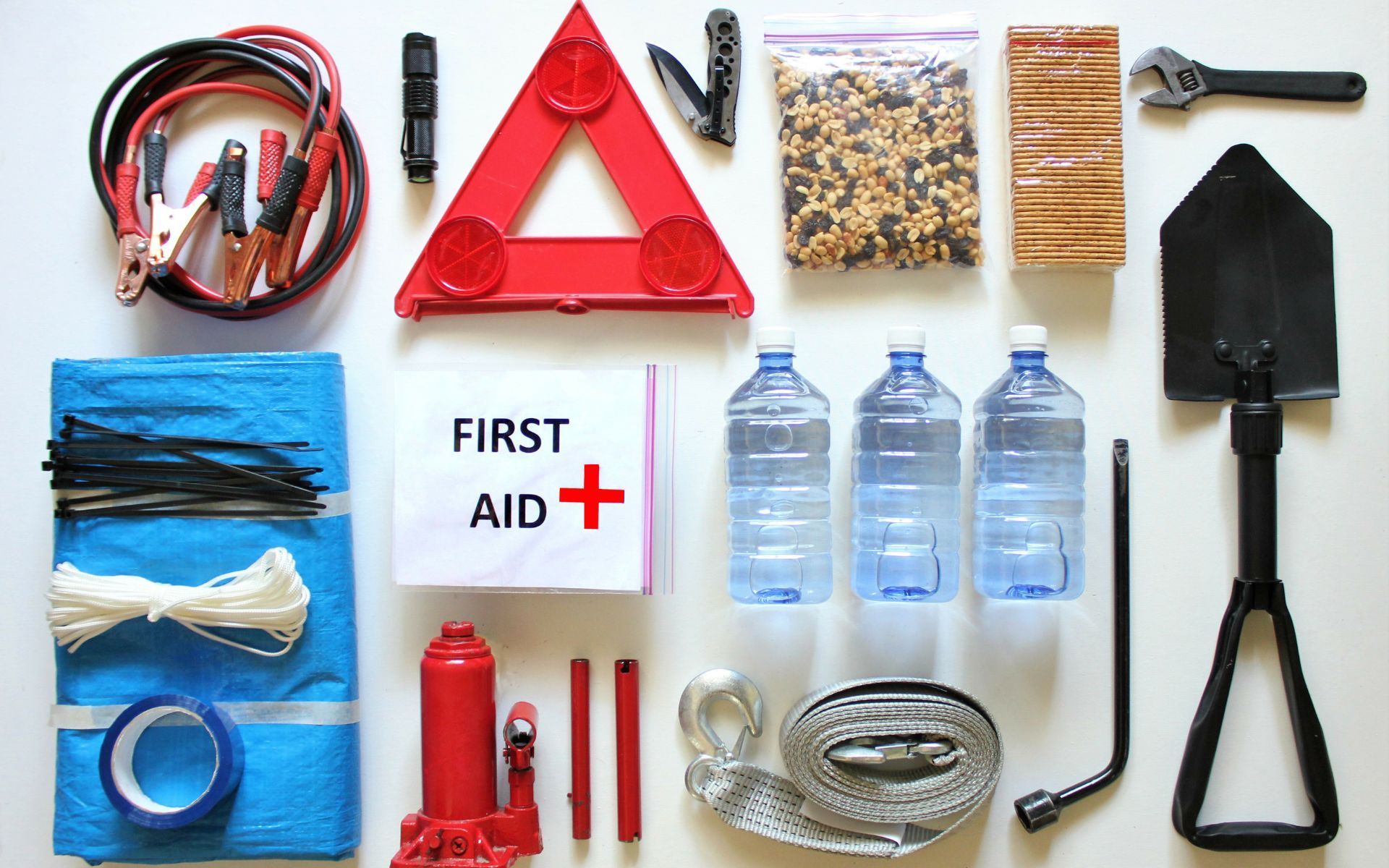
Having the right tools and equipment in a winter survival kit is crucial. They help you handle emergencies and harsh conditions effectively. Tools must be durable, lightweight, and easy to use in cold weather. Choose items that serve multiple purposes to save space and weight.
Multi-tools
Multi-tools are compact devices with several useful functions. They often include pliers, knives, screwdrivers, and scissors. Carrying a multi-tool means having many tools in one small package. Choose one with a sturdy build and easy-to-open features. It can fix gear, prepare food, or aid in first aid tasks.
Shovels And Ice Axes
A small shovel is essential for digging out snow or creating shelter. Look for lightweight models with foldable handles for easy packing. Ice axes help with stability and safety on icy slopes. They also assist in climbing or self-arrest during a fall. Both tools increase your chances of survival in snowy terrain.
Cordage And Repair Kits
Strong cordage is vital for setting up shelters or securing gear. Paracord is a popular choice due to its strength and versatility. Repair kits should include patches, needles, and threads for fixing clothes and equipment. Quick repairs can prevent bigger problems in cold weather. Always pack extra cordage and basic repair materials.

Credit: www.amazon.ca
Lighting Sources
Lighting sources are essential in your winter survival kit. When daylight fades earlier and nights get longer, having reliable light can be the difference between safety and danger. It’s not just about seeing; it’s about signaling for help, navigating tricky terrain, and maintaining your morale in tough conditions.
Headlamps
Headlamps free up your hands, which is crucial when you’re setting up shelter or preparing food in the dark. Look for models with adjustable brightness and a red light mode to preserve night vision. A waterproof headlamp can be a lifesaver if snow or rain hits unexpectedly.
Flashlights
A sturdy flashlight is a must-have backup. Choose one with a durable casing and a beam that can reach a good distance. Compact flashlights fit easily in your pocket or glove compartment, but don’t sacrifice brightness for size.
Extra Batteries
What good is a light source if the batteries die? Always pack extra batteries for every device you bring. Store them in a waterproof container, and consider keeping spare batteries close to your body to keep them warm and functional in freezing temperatures.
Personal Safety Items
Personal safety items are essential in any winter survival kit. They help you get attention and protect yourself in dangerous situations. These tools increase your chances of rescue and keep you safe in the wild.
Whistles
Whistles are loud and easy to carry. Their sharp sound travels far through snow and trees. Use a whistle to signal rescuers or warn animals. It works better than shouting because it saves your energy.
Signal Mirrors
Signal mirrors reflect sunlight to catch attention over long distances. They are lightweight and compact for easy storage. Aim the mirror at a rescue plane or nearby hikers. A flash of light can guide help straight to you.
Bear Spray
Bear spray deters aggressive animals in the wild. It sprays a cloud of strong irritant to keep predators away. Carry it in an easy-to-reach spot. Use it only if an animal comes too close or acts threatening.
Credit: www.cdc.gov
Credit: www.canadiantire.ca
Frequently Asked Questions
What Items Are Essential In A Winter Survival Kit?
A winter survival kit should include thermal blankets, hand warmers, a flashlight, and a first-aid kit. Pack non-perishable food, water, and a multi-tool. Add a whistle, compass, and snow shovel for emergencies. Keep extra clothing, gloves, and hats to stay warm.
These items ensure you’re prepared for winter emergencies.
How Do You Stay Warm In Winter Emergencies?
To stay warm, wear layered clothing and use thermal blankets. Utilize hand warmers and insulated gloves. Stay dry by using waterproof gear. Build a temporary shelter with available materials. Avoid direct contact with snow to prevent body heat loss. These steps help maintain warmth in winter emergencies.
What Food Should Be In A Winter Kit?
Include non-perishable, high-energy foods like protein bars, nuts, and dried fruits. Canned goods such as beans and soups are ideal. Instant oatmeal and jerky provide quick energy. Choose foods that require minimal preparation and can be eaten cold. Ensure a balanced mix of proteins, carbohydrates, and fats.
Why Is A First-aid Kit Important In Winter?
A first-aid kit addresses injuries and prevents infections in emergencies. It contains bandages, antiseptic wipes, and pain relievers. Cold weather increases the risk of frostbite and hypothermia. Quick access to medical supplies is crucial. Being prepared helps manage health issues until professional help arrives.
Conclusion
A good winter survival kit keeps you safe and warm. Pack items like food, water, and warm clothes. Don’t forget tools like a flashlight and a first aid kit. Preparing ahead helps you face cold weather calmly. Stay ready for unexpected situations.
A small kit can make a big difference. Keep it handy in your car or home. Safety starts with being prepared. Stay warm. Stay safe.