Imagine facing an unexpected emergency without the right supplies. How would you protect yourself and your loved ones?
Preparing a home survival kit is one of the smartest steps you can take to stay safe and calm when things go wrong. In this guide, you’ll discover exactly what you need to include and how to organize your kit so it’s ready when you need it most.
Keep reading to make sure your home is prepared for anything life throws your way.
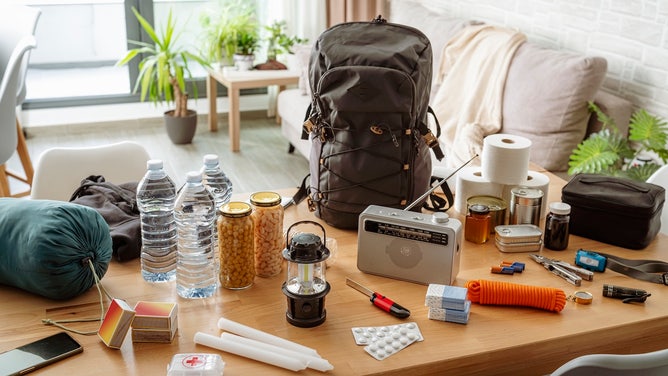
Credit: www.foxweather.com
Choosing The Right Container
Choosing the right container for your home survival kit is a crucial decision. It affects how easy it is to carry, store, and protect your supplies. You want a container that keeps everything organized and safe from damage or the elements.
Durability And Portability
Your container must handle rough handling and last through emergencies. Look for materials like hard plastic, metal, or heavy-duty fabric that resist cracking or breaking.
Portability matters too. Can you carry your kit quickly if you need to leave home? Handles, shoulder straps, or compact shapes make a big difference when time is short.
Think about the weight as well. A container that’s too heavy empty can slow you down before you even grab your gear. Have you tested how comfortable it feels to carry fully packed?
Waterproof And Airtight Options
Water damage can ruin your supplies, especially food, matches, and electronics. A waterproof container keeps moisture out during floods or heavy rain.
Airtight seals protect against dust, pests, and humidity. This extends the shelf life of items like bandages and medications.
Look for containers with rubber gaskets or locking clips to ensure a tight seal. You might even consider using smaller waterproof bags inside for extra protection.
Essential Food And Water Supplies
Having the right food and water supplies in your home survival kit is crucial. You can’t predict when emergencies will strike, but you can prepare to stay nourished and hydrated. Let’s break down what you really need to keep your energy up and your body functioning.
Non-perishable Food Items
Stocking up on food that lasts without refrigeration is key. Think canned beans, vegetables, and fruits, as well as dried goods like rice, pasta, and lentils. These staples provide essential nutrients and can be stored for months or even years.
Don’t forget easy-to-prepare options such as instant oatmeal, powdered milk, and protein bars. These can save you time and effort during stressful situations. Have you tried rotating your stock regularly? It keeps everything fresh and avoids waste.
- Canned tuna or chicken
- Peanut butter
- Dried fruits and nuts
- Instant soups and noodles
- Energy or granola bars
Water Storage And Purification
Water is non-negotiable in any survival kit. Aim to store at least one gallon of water per person per day for drinking and basic hygiene. Use food-grade containers to avoid contamination and keep water fresh.
What if your stored water runs out or becomes unsafe? Having purification tools is essential. Simple options include water purification tablets, portable filters, or even household bleach for disinfecting water.
| Water Purification Method | How to Use | Pros |
|---|---|---|
| Water Purification Tablets | Add tablets to water and wait 30 minutes | Lightweight, easy to carry |
| Portable Water Filters | Use filter straw or pump to clean water | Removes bacteria, reusable |
| Household Bleach | Add 8 drops per gallon, stir, wait 30 minutes | Widely available, effective |
Have you tested your purification method before an emergency? Knowing how to use these tools correctly can be lifesaving.
Basic Medical Supplies
Having basic medical supplies in your home survival kit can make a huge difference during emergencies. These items help you handle minor injuries quickly and avoid unnecessary trips to the doctor when it’s not possible. You want to be ready to treat cuts, burns, or sudden illnesses with confidence and ease.
First Aid Kit Essentials
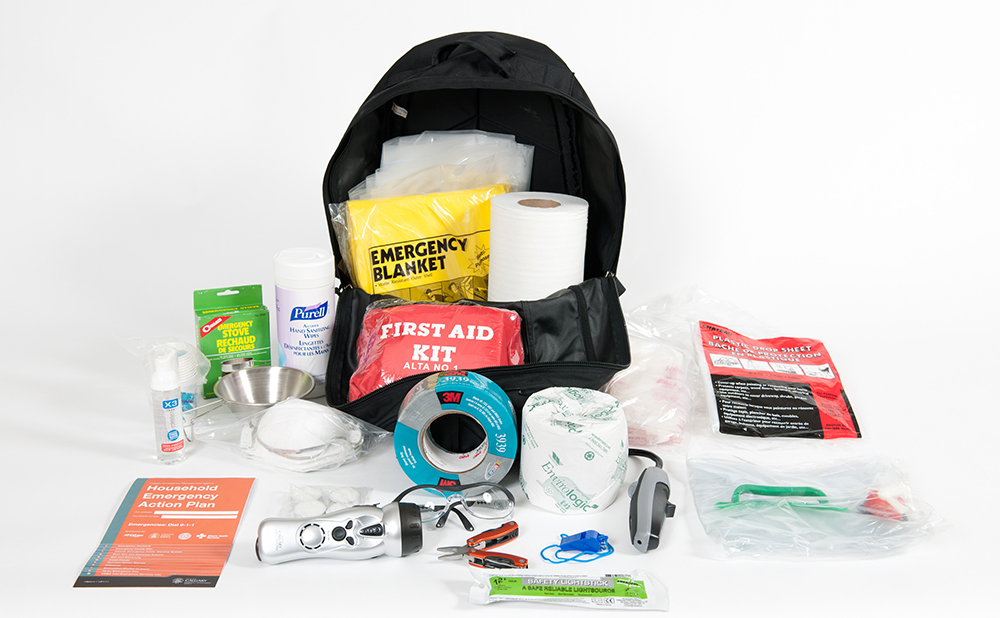
Your first aid kit should cover the basics to treat common injuries effectively. Include:
- Adhesive bandagesof various sizes to cover small cuts and blisters.
- Sterile gauze padsand medical tapefor larger wounds.
- Antiseptic wipesor solution to clean wounds and prevent infection.
- Scissorsand tweezersfor cutting tape and removing splinters.
- Disposable glovesto protect yourself while treating injuries.
- Elastic bandagesto wrap sprains or strains.
- Instant cold packsto reduce swelling and pain.
Remember to check your kit regularly and replace expired items. Keeping everything organized in a sturdy, waterproof container ensures you can find what you need fast.
Medications And Personal Care
Besides the basics, your survival kit should include medications tailored to your family’s needs. Over-the-counter pain relievers like ibuprofen or acetaminophen can ease headaches or muscle pain.
- Antihistaminesfor allergic reactions.
- Anti-diarrhealmedicine to manage stomach issues.
- Hydrocortisone creamfor itching or skin irritation.
- Any prescription medicationsyour family members require.
Think about adding personal care items such as toothbrushes, toothpaste, and feminine hygiene products. These essentials maintain comfort and hygiene during extended emergencies.
Have you ever paused to imagine how long you could manage if you suddenly couldn’t access a pharmacy? Preparing these supplies now gives you peace of mind and a safer home environment.
Tools And Equipment
Having the right tools and equipment in your home survival kit can make a huge difference in an emergency. These items help you handle unexpected challenges efficiently. Think about what you would need to fix, communicate, or light your way if power and services went out.
Multi-tools And Knives
A quality multi-tool is like having a small toolbox in your pocket. It combines pliers, screwdrivers, scissors, and more, saving space and weight in your kit. Choose one with a sturdy build and easy-to-use features.
Knives are essential for cutting, preparing food, or even self-defense. A fixed-blade knife offers strength, while a folding knife adds convenience. Having both types can cover more situations.
Think about the last time you needed to open a package or fix something quickly. Wouldn’t a multi-tool or sharp knife have saved you time and frustration? Don’t overlook these everyday heroes in your survival setup.
Lighting And Communication Devices
Reliable light sources keep you safe and help you navigate in the dark. Flashlights with LED bulbs last longer and use less battery. Having both handheld flashlights and headlamps gives you hands-free options.
Communication devices keep you connected when traditional networks fail. A battery-powered or hand-crank radio can provide vital updates. Walkie-talkies help you stay in touch with family members across your property.
Have you ever been caught in a blackout without a flashlight or radio? It’s a stressful situation that’s easy to avoid with the right gear ready. Investing in these devices means you stay informed and prepared no matter what happens.
Clothing And Shelter Items
Clothing and shelter items are key parts of any home survival kit. They protect you from cold, heat, rain, and wind. These items keep you safe and comfortable during emergencies. Choosing the right clothing and shelter materials can make a big difference.
Weather-appropriate Clothing
Pick clothes that fit your local climate. Layering helps adjust to changing temperatures. Include:
- Base layers made of moisture-wicking fabric
- Insulating layers like fleece or wool
- Waterproof and windproof outerwear
- Extra socks and gloves
- Hats to protect from sun or cold
Choose durable, easy-to-clean clothes. Avoid cotton for base layers since it traps moisture. Keep enough clothing for several days. Pack compact and lightweight items to save space.
Emergency Shelter Materials
Shelter materials protect you from harsh weather. Essentials include:
- Tent or tarp for quick cover
- Sleeping bags rated for local temperatures
- Blankets or emergency thermal blankets
- Rope or paracord for securing shelters
- Ground pads to insulate from cold ground
Select materials that are easy to set up. Waterproof and wind-resistant options work best. Store them in a dry, accessible place. Shelter supplies improve your safety during power outages or natural disasters.
Important Documents And Cash
Having important documents and cash ready in your home survival kit can make a huge difference during emergencies. These items are often overlooked but are crucial when you need to prove your identity, access funds, or manage urgent transactions. Preparing these essentials carefully ensures you stay one step ahead when unexpected situations arise.
Copies Of Identification
Keep photocopies of your key identification documents like passports, driver’s licenses, birth certificates, and social security cards. Store these copies in a waterproof and fireproof container to protect them from damage.
Consider scanning and saving digital copies on a secure, encrypted USB drive or cloud service. This way, even if the physical copies are lost or damaged, you can still access your documents quickly.
Ask yourself: Do you have all family members’ IDs backed up? Having everyone’s information ready can save time and stress during evacuation or recovery.
Emergency Cash Handling
Cash remains king when electronic payment systems fail. Keep a reasonable amount of cash in small denominations—think $20 bills and coins—to facilitate small purchases or transportation costs.
Store cash separately from your everyday wallet to avoid accidental spending. Use a secure, hidden compartment in your survival kit or a lockbox that’s easy to access but not obvious.
Have you thought about how you’ll access more money if your emergency cash runs out? Consider adding prepaid cards or traveler’s checks as backup options to diversify your emergency funds.
Maintaining And Updating Your Kit
Keeping your home survival kit ready means more than just assembling it once. You need to check and update it regularly to make sure everything works when you need it most. This ongoing care protects your investment in safety and gives you peace of mind.
Regular Checks And Replacements
Set a schedule to inspect your kit every few months. Look for expired food, dead batteries, and worn-out tools. Replace anything that’s damaged or past its use-by date to avoid surprises during an emergency.
Don’t forget to test equipment like flashlights and radios to confirm they function properly. I once found my flashlight’s batteries had corroded, rendering it useless—something I caught just in time during a routine check.
Adapting To Seasonal Changes
Your survival kit should reflect the time of year. Swap out items based on weather and potential hazards unique to each season. For example, add extra warm clothing and hand warmers in winter, but stock up on sunscreen and insect repellent for summer.
Think about the changing needs of your household too. If someone develops allergies or a medical condition, update your first aid supplies accordingly. Are you prepared if a sudden cold snap or heatwave hits your area?

Credit: www.amazon.com
Customizing Kits For Family Needs
Preparing a home survival kit means more than just gathering basic supplies. Your family has unique needs that demand special attention. Customizing your kit ensures everyone stays safe and comfortable during emergencies.
Children And Elderly Considerations
Kids and older adults have different health and comfort requirements. For children, add items like favorite snacks, small toys, and extra diapers if needed. These help keep them calm and distracted during stressful moments.
Elderly family members may need medications, hearing aids with extra batteries, and mobility aids such as canes or walkers. Don’t forget to include easy-to-read instructions for any medical devices or prescriptions.
Have you checked if your family’s medical needs are covered in your kit? Taking time now to list these necessities can save you from last-minute panic.
Pet Survival Supplies
Pets are family too, so their survival gear is essential. Pack enough pet food and water for several days, along with bowls and a leash or carrier.
Include any medications your pet requires and copies of vaccination records. Comfort items like a favorite blanket or toy can reduce their anxiety during emergencies.
Think about your pet’s behavior under stress. Will they hide or try to escape? Preparing for these scenarios can keep them safe and make your emergency response smoother.
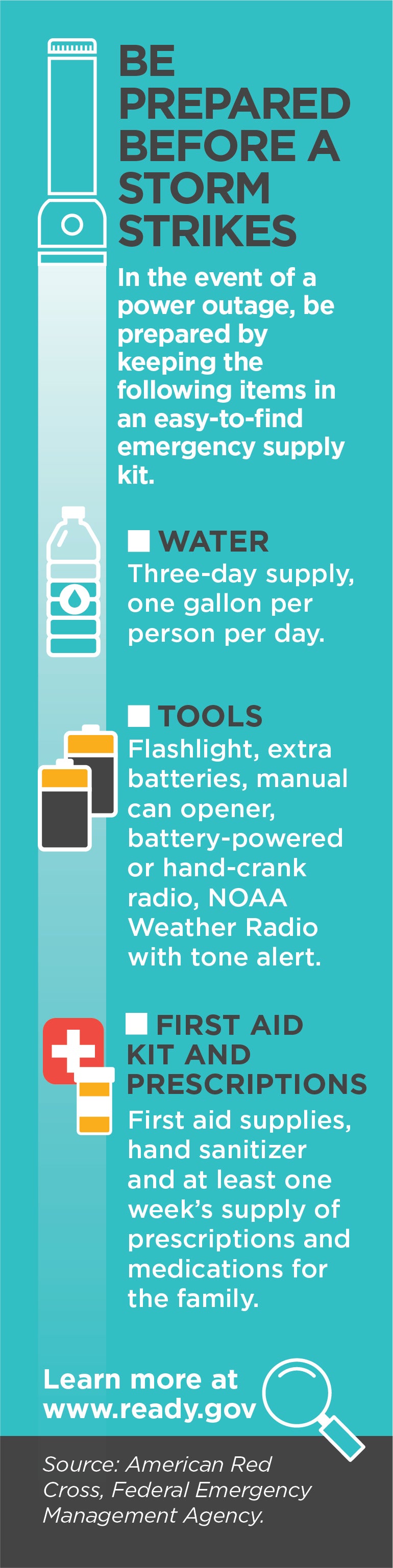
Credit: www.lumbeeriver.com
Frequently Asked Questions
What Essential Items Should Be In A Home Survival Kit?
A home survival kit should include water, non-perishable food, first aid supplies, flashlight, batteries, and a multi-tool. These items cover basic needs for emergencies like power outages or natural disasters.
How Often Should I Update My Home Survival Kit?
Update your home survival kit every six months. Check expiration dates on food, water, and medications. Replace any used or outdated items to ensure readiness.
Where Should I Store A Home Survival Kit?
Store your survival kit in an easily accessible, dry, and cool location. Choose a spot known to all family members for quick access during emergencies.
How Much Water Is Needed In A Survival Kit?
Store at least one gallon of water per person daily. Plan for a minimum of three days to cover emergency water needs.
Conclusion
Creating a home survival kit is essential for safety. It prepares you for unexpected events. Start with basic items like water and food. Include a first-aid kit and flashlight. Don’t forget important documents. Check your kit regularly. Replace expired items.
Organize everything for easy access. Practice using the items. This ensures you’re ready when needed. A well-prepared kit brings peace of mind. Your family will be safer and more secure. Stay proactive and keep your kit updated. Preparedness is key to handling emergencies effectively.
Be ready and stay safe.