Imagine being miles above the ground when something unexpected happens. What would you want with you to stay safe and get through the tough moments?
Your airplane survival kit holds the key. But what exactly is inside this small, life-saving package? Knowing what’s typically found in an airplane survival kit can prepare you mentally and physically for emergencies. Keep reading, and you’ll discover the essential items that could make all the difference when it matters most.
Survival Kit Basics
An airplane survival kit holds essential tools and supplies for emergencies. It prepares passengers and crew to handle unexpected situations. The kit aims to increase chances of survival until rescue arrives. Understanding its basics helps appreciate its role in safety.
Purpose Of The Kit
The kit provides vital resources during a crash or emergency landing. It supports basic needs such as food, water, and shelter. It also includes items for navigation and signaling rescuers. The kit ensures survival in harsh conditions until help comes.
Common Kit Sizes
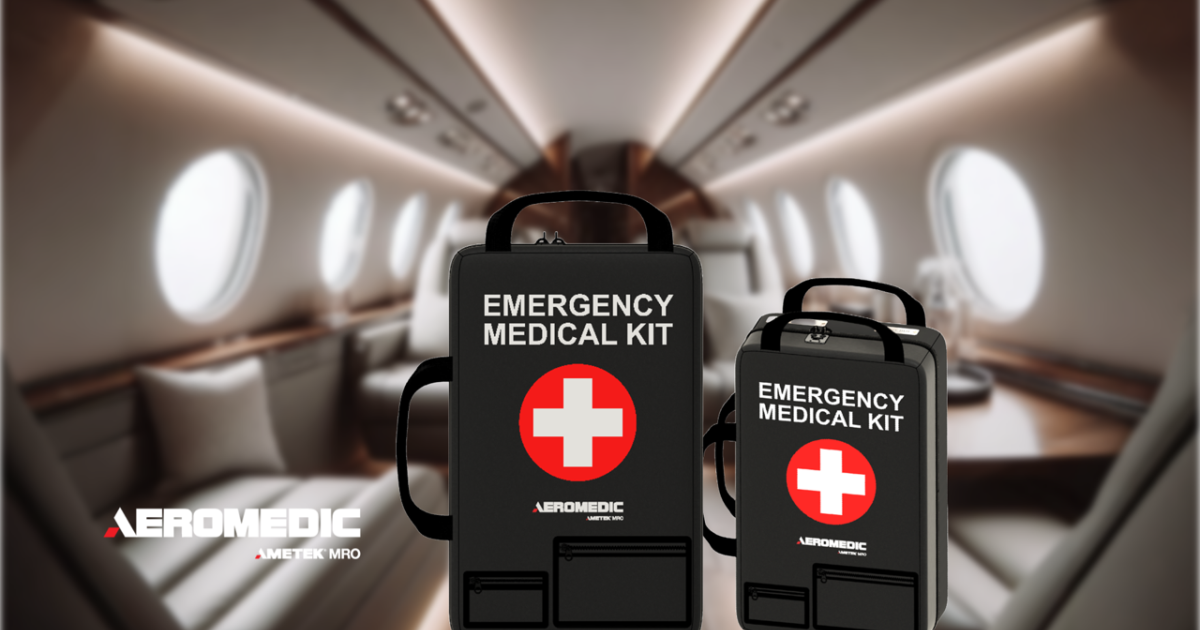
Survival kits vary by size depending on aircraft type and flight length. Small kits focus on the most critical items for short flights. Larger kits contain more supplies for extended survival situations. Airlines often customize kits to fit specific safety requirements.
Credit: www.ainonline.com
Navigation Tools
Navigation tools are essential in an airplane survival kit. They help pilots and passengers find their way if they land in an unknown area. These tools guide you through the wilderness and assist in locating safety or rescue points.
Reliable navigation tools increase your chances of survival. They work without batteries or technology that might fail. Each item has a specific role in helping you stay oriented and signal your location.
Compass And Maps
A compass is a simple device that shows direction. It points to magnetic north, helping you stay on course. Maps provide a visual layout of the land, showing roads, rivers, and landmarks.
Using a compass with a map helps you plan your route. It prevents walking in circles and saves energy. Carrying both tools is vital for finding your way back to safety.
Signal Mirrors And Whistles
Signal mirrors reflect sunlight to catch attention from far away. They are small and easy to carry. A quick flash can alert rescuers or nearby aircraft.
Whistles produce loud sounds that travel longer distances than shouting. They help you communicate without tiring your voice. Both items increase your chance of being found fast.
Shelter And Warmth
Survival in the wild depends greatly on shelter and warmth. Without proper protection, cold and wet conditions can quickly become life-threatening. Airplane survival kits include essential items to help maintain body heat and create a safe space. These tools keep you dry and warm until help arrives.
Emergency Blankets
Emergency blankets are lightweight and compact. They reflect body heat back to you, reducing heat loss. These blankets resist wind and water, offering protection from rain and cold air. They can also serve as ground cover or a makeshift shelter roof. Carrying one in a survival kit can increase chances of staying warm significantly.
Tents And Tarps
Tents and tarps provide better shelter from the elements. They block wind, rain, and snow, creating a dry space. Tarps are versatile and can be set up quickly using nearby trees or poles. Small tents offer enclosed protection and keep insects away. Both help maintain warmth by reducing heat loss from the body.
Food And Water Supplies
Food and water supplies are essential components of any airplane survival kit. They keep you nourished and hydrated, especially when help might be hours or even days away. You need items that are compact, lightweight, and long-lasting to fit the unique challenges of survival scenarios.
Water Purification Methods
Access to clean water is critical for survival, but you can’t always rely on finding safe sources. That’s why most airplane survival kits include water purification options. These can come in several forms:
- Water purification tablets:Easy to carry and use, these tablets kill bacteria and viruses in contaminated water.
- Portable water filters:Small, lightweight filters can remove impurities and pathogens physically.
- UV light purifiers:Some kits have compact UV devices that neutralize harmful microorganisms quickly.
Have you ever been in a situation where you doubted the safety of water? Having these tools can make a huge difference, ensuring your water supply stays safe no matter where you are.
High-energy Rations
In survival situations, your body burns more calories than usual. That’s why airplane survival kits include high-energy rations designed to provide maximum nutrition in minimal space. These rations often include:
- Energy bars packed with proteins, fats, and carbohydrates
- Dried fruits and nuts that offer natural sugars and healthy fats
- Compressed food tablets or meal replacement bars that last for years
I once had a chance to test a survival ration during an outdoor training. The small bar kept me going for hours without feeling hungry or tired. Imagine having that kind of energy boost when you need it the most.
First Aid Essentials
First aid essentials are a vital part of any airplane survival kit. They help manage injuries and health issues during emergencies. These items provide immediate care until professional help arrives. Packing the right first aid supplies can make a big difference in critical moments.
Basic Medical Supplies
- Adhesive bandages in various sizes for cuts and scrapes
- Sterile gauze pads to cover wounds and control bleeding
- Adhesive tape to secure dressings and bandages
- Antiseptic wipes to clean wounds and prevent infection
- Scissors and tweezers for cutting tape and removing debris
- Elastic bandage for sprains and strains support
- Disposable gloves to keep hands clean and avoid contamination
- CPR face shield for safe rescue breathing
Medications And Treatments
- Pain relievers like ibuprofen or acetaminophen for aches
- Antihistamines to reduce allergic reactions and itching
- Anti-diarrheal medication to manage digestive issues
- Hydrocortisone cream for insect bites and skin irritation
- Antacid tablets to relieve heartburn and indigestion
- Oral rehydration salts to prevent dehydration
- Burn ointment for minor burns and scalds
Fire Starting Gear
Fire starting gear is a crucial part of any airplane survival kit. It can mean the difference between staying warm and dry or facing harsh elements unprotected. Knowing what to include and how to use it can boost your confidence and chances of survival.
Matches And Lighters
Reliable ignition sources like waterproof matches and windproof lighters are staples in survival kits. Waterproof matches resist moisture, so you can light a fire even after exposure to rain or humidity. A windproof lighter allows you to start a flame in challenging weather, which is essential if you’re stranded outdoors.
Think about a time you struggled to light a fire on a windy day. Wouldn’t a windproof lighter have made that task easier? Including both options gives you backup in case one fails.
Fire Starters And Tinder
Fire starters such as cotton balls soaked in petroleum jelly or commercial fire sticks help ignite flames quickly. These materials catch fire easily and burn long enough to light kindling. Tinder is equally important; dry leaves, small twigs, or specially designed tinder packets provide the perfect base for your fire.
Have you ever tried starting a fire with just damp wood? It’s frustrating and often impossible. Carrying lightweight, easy-to-use fire starters ensures you won’t waste precious time and energy trying to get a fire going when it matters most.
Tools And Equipment
Tools and equipment in an airplane survival kit are essential for handling unexpected situations. They help you fix, cut, build, or signal when you need it most. Having the right tools can make a huge difference in your chances of staying safe and comfortable after an emergency landing.
Knives And Multi-tools
A sharp knife is one of the most versatile tools you can carry. It allows you to cut rope, prepare food, or even defend yourself if necessary. Multi-tools combine several functions in one compact device, offering screwdrivers, pliers, scissors, and more.
Think about how often a simple blade has solved problems on a hike or camping trip. In the air, where resources are limited, it’s even more critical. Would you rather struggle with bare hands or have a reliable knife ready to use?
Cordage And Repair Kits
Cordage, like paracord or strong nylon rope, is vital for making shelters, securing gear, or creating a splint. Repair kits usually include items like duct tape, needles, and thread, enabling quick fixes to torn clothing or damaged equipment. These small additions can save you from discomfort and exposure.
Imagine your bag strap breaks right after landing in a remote place. Without cordage or tape, you might struggle to carry your essentials. Wouldn’t it be better to have materials that keep your gear intact and usable?

Credit: thepointsguy.com
Personal Safety Items
Personal safety items in an airplane survival kit are essential for protecting yourself from environmental hazards and unexpected challenges. These items help you stay safe, comfortable, and healthy, no matter where you end up after an emergency landing. Including the right gear can make a significant difference in your survival experience.
Protective Clothing
Protective clothing is a must-have in any survival kit. It guards you against harsh weather, insects, and rough terrain. Think about a compact, lightweight jacket that resists water and wind—such clothing keeps you warm and dry, which is crucial when you’re exposed to the elements.
Also, consider gloves and hats. They protect your hands and head from cuts, scrapes, sunburn, and cold. You might not think about it until you’re out there, but having durable, multi-purpose clothing can reduce injuries and keep you comfortable when every minute counts.
Insect Repellents
Insects can be more than just annoying—they can carry dangerous diseases. A small bottle of insect repellent in your survival kit can protect you from bites and infections. Look for repellents with DEET or natural alternatives like citronella, which are effective and easy to carry.
Imagine being stranded in a wooded area with mosquitoes swarming around you. Without repellent, your chances of discomfort and disease increase rapidly. You want to avoid that scenario, right? Keeping insect repellent handy ensures you stay safer and more focused on survival tasks.
Communication Devices
Communication devices are vital in any airplane survival kit. They help you send distress signals and stay connected during emergencies. Without reliable communication, rescuers may struggle to locate you quickly, which can be a life-or-death difference.
Radios And Beacons
Radios and beacons are the primary tools to alert others about your situation. Handheld VHF radios allow you to communicate with nearby aircraft or ground stations, giving you a chance to call for help directly.
Beacons, such as Personal Locator Beacons (PLBs), emit strong signals that rescue teams can track using satellite systems. These devices increase your chances of being found even in remote areas where radio contact may be impossible.
Have you ever wondered how far your radio signal can travel in an emergency? The answer depends on terrain, weather, and power source, so always check the range of your specific device before you fly.
Emergency Locator Transmitters
Emergency Locator Transmitters (ELTs) are usually installed in aircraft and automatically activate after a crash. They send out distress signals on dedicated frequencies to alert search and rescue teams immediately.
These transmitters provide a crucial lifeline by broadcasting your location, often within minutes of an incident. You should ensure your ELT is regularly maintained and tested to guarantee it works when you need it most.
Think about the last time you checked your ELT’s battery life. Could you confidently say it’s ready to save your life? Keeping it in top condition is a simple step that can make a huge difference in survival scenarios.
Credit: www.cfinotebook.net
Frequently Asked Questions
What Essential Items Are In An Airplane Survival Kit?
An airplane survival kit typically includes a first aid kit, water purification tools, emergency food rations, a flashlight, and a signaling device. These items help passengers survive and signal for help after an emergency landing.
How Does A Survival Kit Aid In Airplane Emergencies?
A survival kit provides crucial supplies for basic needs like medical care, hydration, and shelter. It increases chances of survival by enabling passengers to manage injuries and stay safe until rescue arrives.
Are Airplane Survival Kits Customized For Different Flight Types?
Yes, survival kits vary depending on flight duration, route, and environment. For example, kits for long-haul or remote flights may include extra food, water, and cold-weather gear.
Can Passengers Carry Personal Survival Kits On Airplanes?
Passengers can carry small personal survival kits, but they must follow airline and TSA regulations. Kits should avoid prohibited items and be compact for easy storage.
Conclusion
An airplane survival kit contains crucial items for emergencies. Essentials like water, food, and a first aid kit are standard. Tools for signaling, like whistles or mirrors, are vital. Warm clothing and blankets provide comfort and protection. Flashlights help navigate in the dark.
Every item serves a purpose, contributing to safety. Understanding these contents can be lifesaving. Preparation and knowledge are key. Next time you fly, remember these essentials. They might just make a difference in an emergency. Stay safe, stay prepared.