Imagine this: the world suddenly changes, and you find yourself facing a zombie outbreak. What’s the first thing you need?
A survival kit that keeps you safe, prepared, and ready to face any challenge. You might think putting one together is complicated, but it doesn’t have to be. In this guide, you’ll discover exactly what to include in your zombie survival kit—simple, essential items that could save your life.
Keep reading, because your safety could depend on it.

Credit: toolguyd.com
Essential Supplies
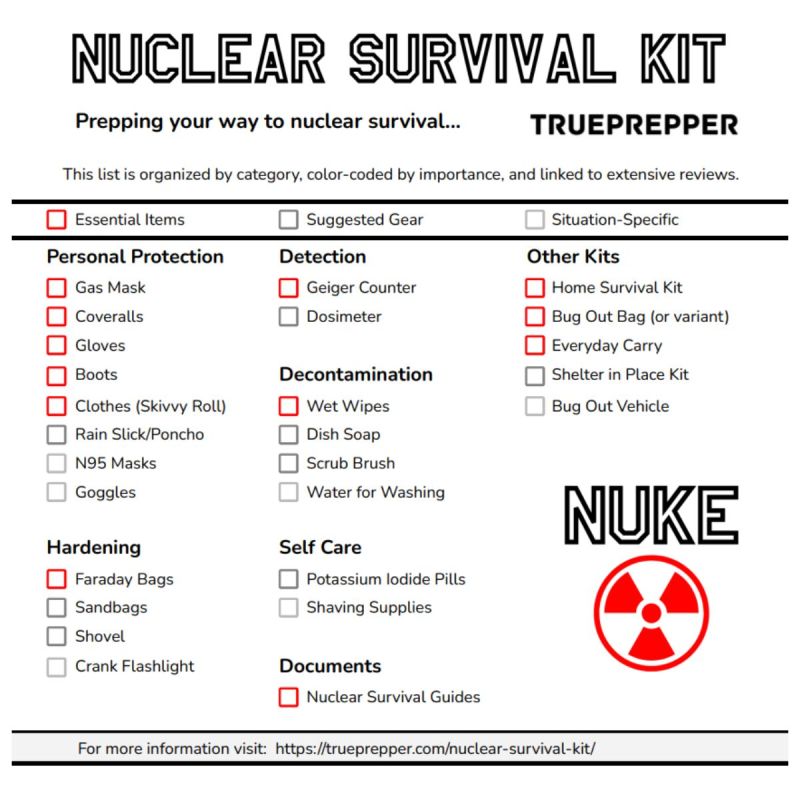
Building a zombie survival kit means you must focus on the essentials that keep you alive and safe. Without the right supplies, surviving any crisis—zombie-related or not—becomes much harder. Think about what you absolutely need to last days or even weeks on your own.
Food And Water
Your body needs fuel, especially when you’re constantly on the move or stressed. Pack non-perishable food items like canned beans, nuts, and dried fruits. These last long and provide good energy.
Water is even more critical. Aim for at least one gallon per person per day. Include water purification tablets or a small filter; clean water might not always be available.
Have you considered how much space your food and water will take? Think compact and nutrient-dense to keep your kit manageable.
Medical Supplies
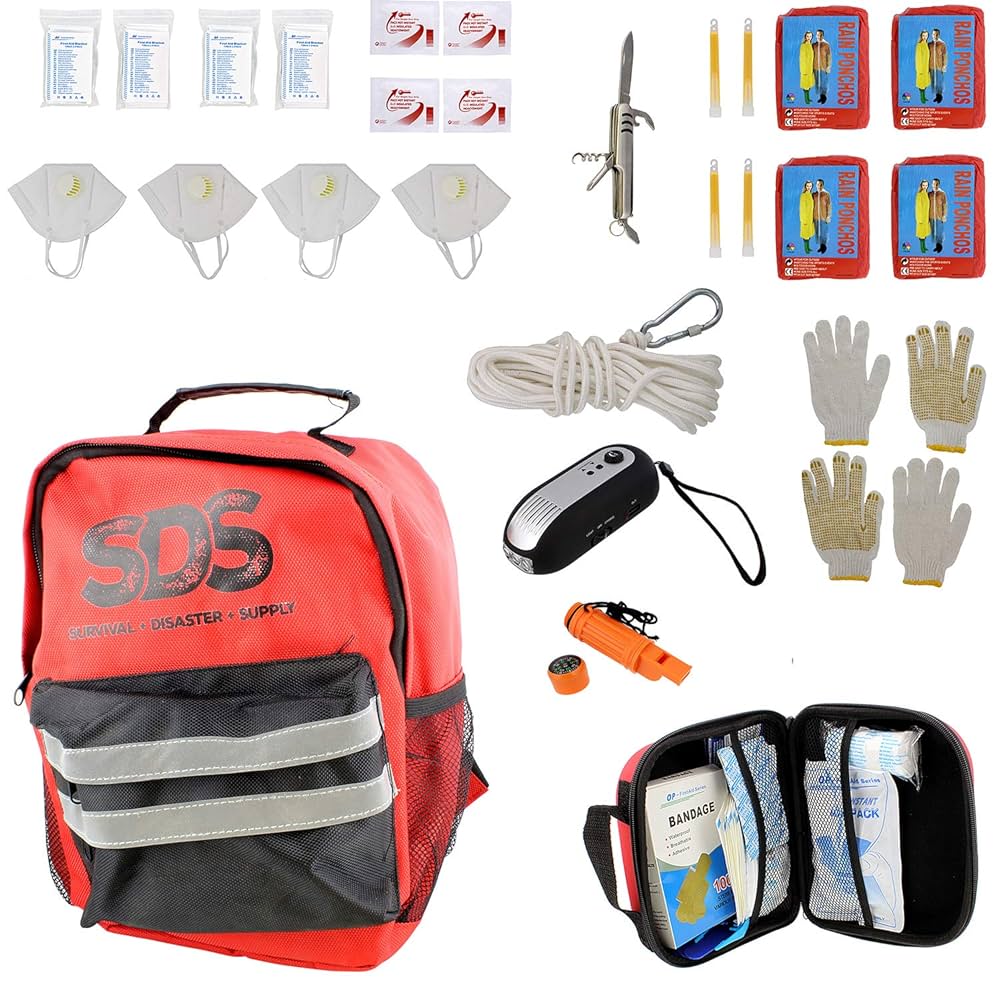
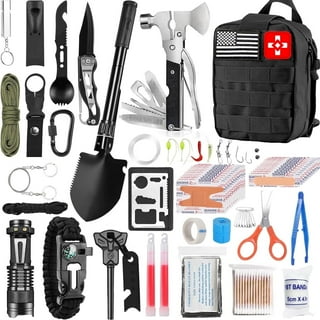
Injuries and illnesses can slow you down or worse. Your kit should have basic first aid items: bandages, antiseptic wipes, pain relievers, and allergy medicine. Don’t forget any personal prescriptions.
Adding a small manual on first aid can turn you into a lifesaver in tough situations. I once patched a deep cut using just my kit and some quick thinking—proof that preparation pays off.
What minor health issues could you realistically treat yourself? Prepare for those first, so you avoid bigger problems later.
Tools And Equipment
Tools are your multi-purpose allies. A sturdy knife, a flashlight with extra batteries, and a reliable fire starter are non-negotiable. These help with everything from making shelter to signaling for help.
Consider adding a compact multi-tool and duct tape—they fix almost anything. Don’t forget a whistle or mirror for signaling; communication can save your life when you’re isolated.
Which tools do you already own that could double for survival? Sometimes, everyday items become your best gear.
Choosing The Right Weapons
Choosing the right weapons for your zombie survival kit is crucial. The right choice can keep you safe, silent, and effective in any situation. You need to balance power, ease of use, and reliability to make sure your weapons serve you well when it matters most.
Melee Weapons
Melee weapons are quiet and don’t need ammunition, which makes them perfect for close encounters. A sturdy baseball bat, a machete, or even a crowbar can be your best friend. I once tested a machete for clearing brush, and its balance and sharpness made me realize how effective it can be in a survival scenario.
Choose melee weapons that are easy to handle and maintain. Consider the weight and length—too heavy can tire you quickly, too light might not deliver enough force. How comfortable are you swinging or using the weapon for extended periods?
Firearms And Ammunition
Firearms offer range and stopping power but come with noise and ammo limitations. A reliable handgun or a shotgun can provide defense at a distance. Think about ammunition availability—can you easily find or stockpile enough bullets?
Practice with your chosen firearm regularly. Accuracy under pressure can save your life. Don’t forget to include cleaning kits and spare magazines to keep your weapon functional.
Improvised Weapons
Improvised weapons are those items you can find or create on the spot. A heavy wrench, sharp kitchen knives, or even broken glass can serve as effective tools. I once used a sturdy branch reinforced with duct tape as a makeshift spear during a camping trip—it gave me a new appreciation for creativity in survival.
Think about what you can easily carry and how quickly you can access these items. Can you modify them to improve their effectiveness? Improvised weapons might be your last line of defense, so keep your mind sharp and ready.
Clothing And Protection
Choosing the right clothing and protection can make a huge difference in your ability to survive a zombie apocalypse. Your gear needs to shield you from bites, scratches, and harsh environments without slowing you down. Think about what you wear as your first line of defense—it’s not just about comfort but also safety and mobility.
Durable Clothing
Opt for clothing made from tough materials like heavy-duty cotton, canvas, or ripstop nylon. These fabrics resist tears and can handle rough terrain or tight spots. Long sleeves and pants reduce skin exposure and lower the risk of bites and scratches.
Consider layering so you can adjust to temperature changes. A moisture-wicking base layer keeps sweat away, while an outer layer protects against abrasions. Remember, bright colors can make you an easy target—stick to muted tones like gray, brown, or green to blend into natural surroundings.
Protective Gear
Adding protective gear can save your life when encounters get rough. Think about lightweight gloves to guard your hands and elbow or knee pads to protect joints during quick escapes or falls. A sturdy helmet or hat can shield your head from blunt force or debris.
Don’t overlook eye protection. Safety goggles or wraparound sunglasses prevent dust, branches, or blood from impairing your vision. Have you tested your gear in different conditions? Wearing it during practice drills helps you spot uncomfortable spots before they become real problems.
Footwear
Choosing the right footwear is critical for speed and endurance. Pick boots that offer ankle support and have a solid, non-slip sole. Avoid new boots for long treks; break them in first to prevent blisters and discomfort.
Waterproof boots keep your feet dry, reducing the chance of infections or trench foot. If you expect to cross streams or muddy areas, quick-drying shoes or boots with drainage holes can be a lifesaver. How often do you check your boots for wear and tear? A small rip or worn sole can turn into a major problem fast.

Credit: medium.com
Shelter And Navigation
Creating a solid shelter and knowing how to navigate are key for survival in a zombie outbreak. Shelter protects from weather and threats. Navigation helps find safe places and avoid danger. These essentials keep you safe and on track.
Portable Shelter Options
Choose shelters that are easy to carry and set up fast. Lightweight tents or tarps work well. Look for materials that resist rain and wind. A compact sleeping bag adds warmth. Consider a hammock with a mosquito net for quick setups. Shelter should be durable and small enough to fit in your kit.
Navigation Tools
Maps and compasses remain reliable for finding directions. A GPS device helps but needs batteries. Carry extra batteries or a solar charger. Mark safe zones and hazards on your map. Learn basic map reading skills. A whistle can signal your location if lost. Keep tools protected in a waterproof case.
Communication Devices
Stay connected with radios or walkie-talkies. Choose models with long range and clear sound. Extra batteries are a must. A signal mirror can send visual alerts. Write down emergency contacts on paper. Keep devices charged and ready to use. Communication helps coordinate with others safely.
Personal Hygiene And Sanitation
Maintaining personal hygiene and sanitation is crucial in a zombie survival situation. Staying clean reduces the risk of infections and keeps morale high. Proper hygiene can prevent illness from spreading within your group. Sanitation also helps manage waste safely, avoiding contamination of your living area.
Hygiene Products
Include basic hygiene items in your survival kit. These products keep your body clean and healthy.
- Soap or antibacterial wipes for hand and body cleaning
- Toothbrush and toothpaste to maintain oral health
- Small towel or washcloth for drying off
- Feminine hygiene products for women
- Hand sanitizer with at least 60% alcohol
- Disposable razors or grooming tools
- Travel-sized shampoo and conditioner
- Moisturizer to prevent dry skin
Choose compact and lightweight items. They save space and are easy to carry.
Waste Management
Proper waste disposal prevents disease and keeps your area safe. Plan how to handle both human and trash waste.
- Pack sturdy plastic bags for trash and waste collection
- Include a small shovel or trowel to dig waste holes
- Use portable toilet options if available
- Designate a waste area far from your shelter and water sources
- Burn or bury waste to avoid attracting pests
Keep your living space clean and organized. This reduces health risks and improves comfort.
Survival Skills To Learn
Building a zombie survival kit isn’t just about packing the right tools—it’s about mastering the skills that keep you alive when the unexpected happens. The right knowledge can turn your kit from a box of supplies into a lifeline. What survival skills should you focus on to get the most out of your kit?
First Aid
You’ll likely face injuries ranging from cuts to broken bones in a zombie apocalypse. Knowing how to clean wounds properly and apply bandages can prevent infections that could be fatal. Learning to recognize signs of shock or dehydration helps you act quickly before things get worse.
Practice basic CPR and carry a compact first aid manual or app for reference. Skills like splinting a broken limb or stopping heavy bleeding could save your life or someone else’s. Can you confidently treat a serious injury without professional help?
Self-defense
Defending yourself against zombies and hostile humans requires more than just weapons—it demands technique and awareness. Training in basic hand-to-hand combat or martial arts teaches you how to stay calm and effective under pressure. Knowing how to use common objects as weapons adds versatility when gear is limited.
Practice situational awareness to avoid fights whenever possible. Remember, strength alone won’t keep you safe if you don’t know how to strike or block properly. How prepared are you to protect yourself in close quarters?
Foraging And Hunting
Food supplies won’t last forever, so learning how to find and catch your own food is essential. Start by identifying edible plants in your region and understanding which ones to avoid. Simple traps and fishing techniques can provide protein when stores run dry.
Experiment with preserving food through drying or smoking to extend your resources. Developing these skills helps you stay independent and less reliant on uncertain supplies. What wild foods could you confidently gather or hunt right now?
Packing And Maintenance
Packing and maintaining a zombie survival kit is vital for readiness. A well-packed kit saves time and reduces stress during emergencies. Maintenance ensures supplies stay usable and effective. Organize items thoughtfully to find them fast. Regularly check everything to avoid surprises.
Organizing Your Kit
Use clear containers or bags to separate categories. Group items by type, such as food, water, tools, and first aid. Label each section for quick access. Pack lightweight essentials at the top. Heavier items go at the bottom for balance. Keep important documents in a waterproof pouch. Store your kit where you can reach it easily. Avoid overpacking to keep the kit portable. Include a checklist inside to track contents.
Regular Checks And Updates
Set a schedule to inspect your kit every three months. Check expiration dates on food and medicine. Replace any used or damaged items immediately. Test batteries in flashlights and radios regularly. Rotate perishable supplies to keep them fresh. Update gear based on new survival information or needs. Keep the kit dry and clean to prevent damage. Note any missing items and restock promptly. Regular checks boost confidence in your kit’s readiness.
Credit: www.walmart.com
Frequently Asked Questions
What Are Essential Items For A Zombie Survival Kit?
Essential items include water, non-perishable food, first aid supplies, a flashlight, batteries, and a multi-tool. Also pack a sturdy knife, protective clothing, and a reliable communication device. These basics ensure safety, sustenance, and preparedness during a zombie outbreak.
How Do I Choose The Best Weapons For Zombie Defense?
Choose lightweight, durable weapons like a baseball bat, machete, or crowbar. Firearms are effective but require training and ammo. Prioritize silent weapons to avoid attracting zombies. Practice using your chosen weapon regularly to improve survival chances.
Where Should I Store My Zombie Survival Kit?
Store your kit in a waterproof, portable container. Keep it in an accessible, secure location at home or work. Consider a bug-out bag for quick evacuation. Regularly check and update supplies to maintain readiness.
How Often Should I Update My Survival Kit Supplies?
Update your kit every six months to replace expired food, batteries, and medicine. Regular checks ensure all items are functional and fresh. Stay informed about new survival gear and improve your kit accordingly.
Conclusion
A good zombie survival kit keeps you safe and ready. Choose items that last and serve many needs. Keep your kit small but packed with essentials. Practice using your tools so you stay confident. Check and update your supplies often.
Stay calm, stay prepared, and trust your kit. Survival is about smart choices and quick action. Be ready before trouble finds you.