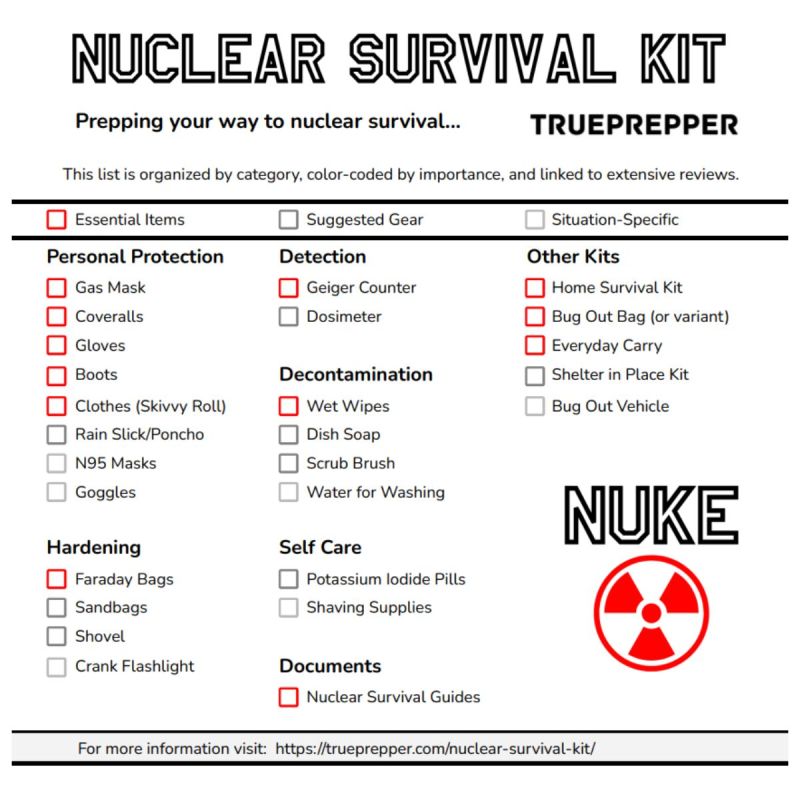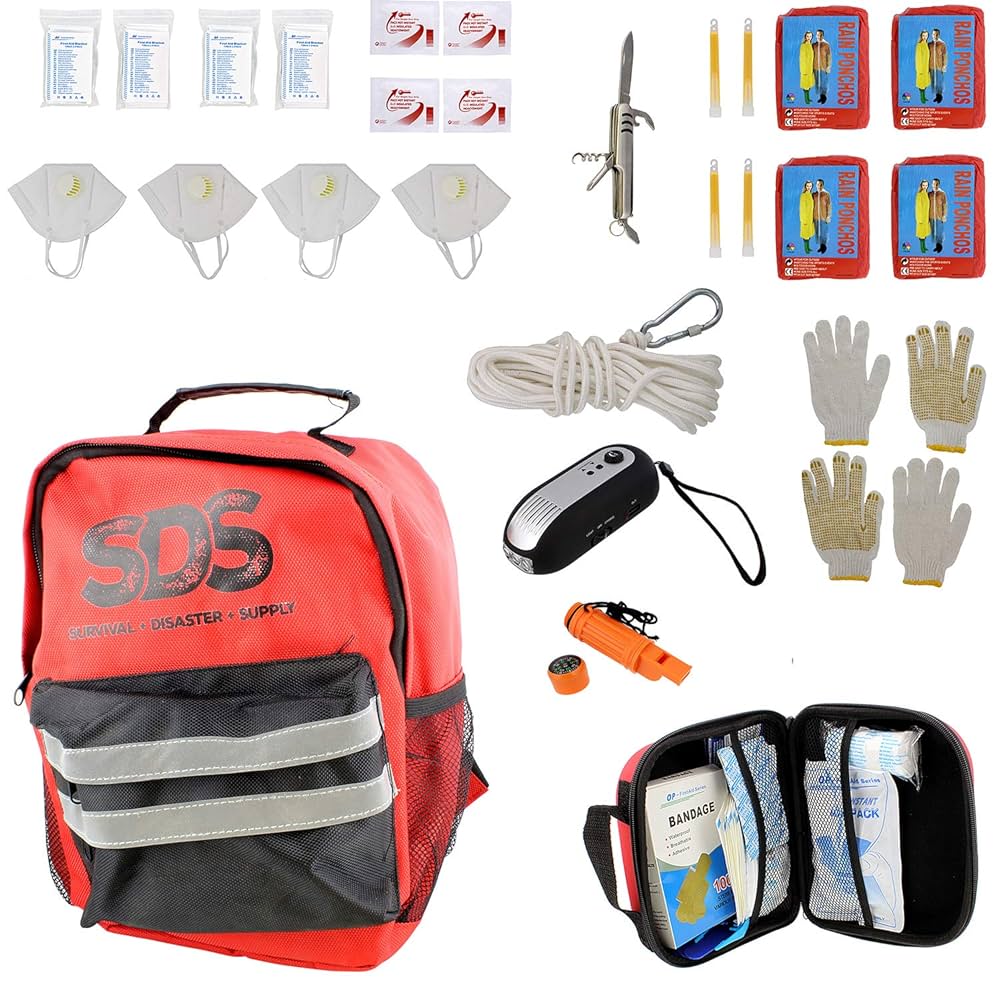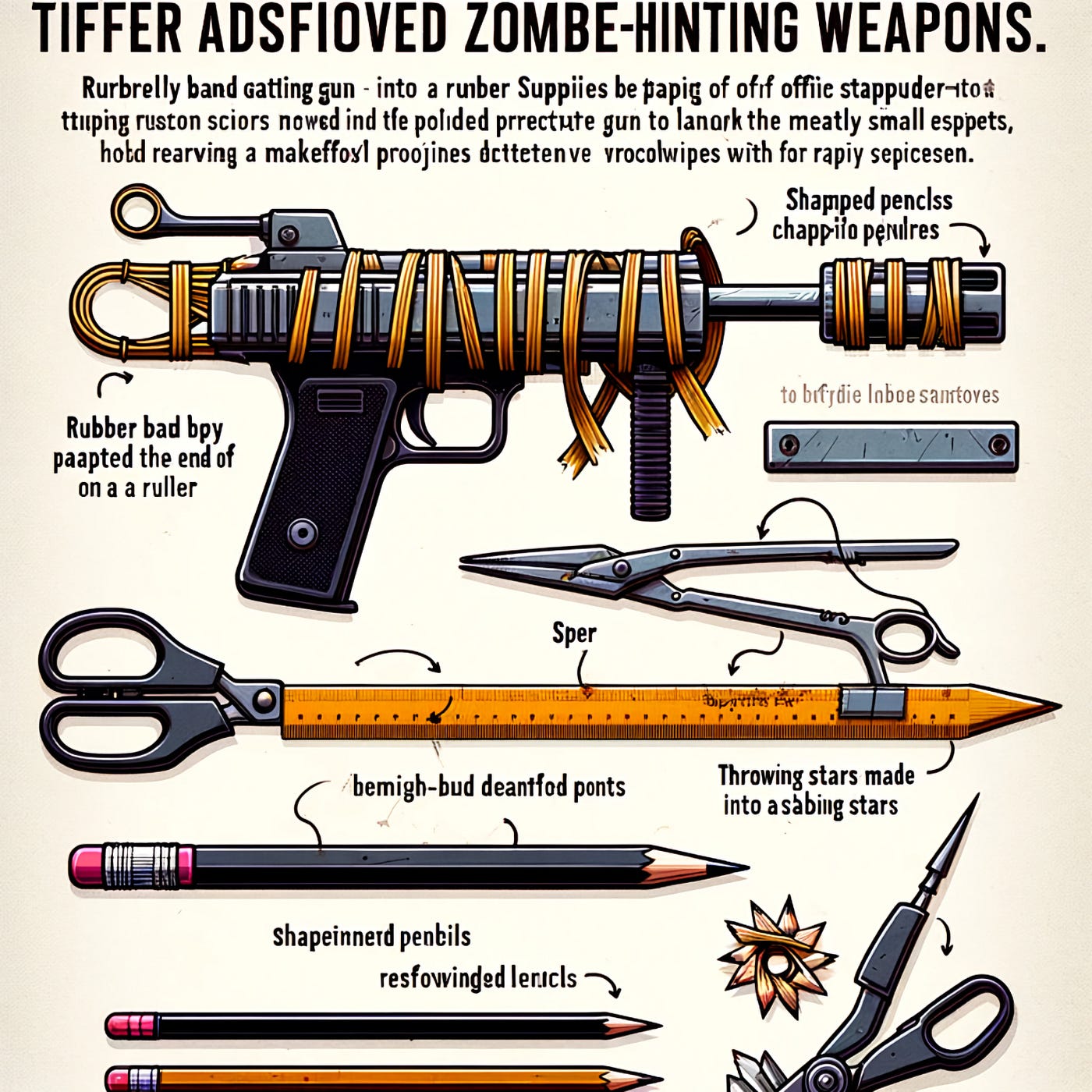
Imagine the world turning upside down, with zombies lurking around every corner. Would you be ready?
Creating your own zombie survival kit isn’t just about fun—it’s about being prepared for the unexpected. You might think it’s complicated, but it’s easier than you believe. In this guide, you’ll discover simple steps to build a kit that could keep you safe and alive.
Ready to take control and protect yourself? Keep reading, because your survival starts here.
Essential Supplies
Building your own zombie survival kit means focusing on the essentials. You need supplies that keep you alive, healthy, and ready to face any challenge. Choosing the right items can make all the difference between thriving and struggling in a crisis.
Water And Hydration Tools
Water is your top priority. Without enough clean water, survival becomes impossible quickly.
- Water bottles:Durable, reusable bottles that can hold at least one liter each are crucial.
- Water purification:Tablets or portable filters help you turn unsafe water into safe drinking water.
- Collapsible containers:These save space but let you carry extra water when needed.
Have you ever been thirsty in a tough situation? Knowing you have reliable water options gives peace of mind.
Non-perishable Food Items
Your food must last without refrigeration. Look for items packed with energy and nutrients.
- Canned beans, tuna, and vegetables
- Dried fruits and nuts for quick energy
- Energy bars designed for long shelf life
- Freeze-dried meals that only need water
Think about meals you can eat cold or with minimal preparation. You want foods that fuel your body and don’t weigh you down.
First Aid Essentials
Accidents happen fast in survival situations. Having a well-stocked first aid kit is non-negotiable.
- Bandages, gauze, and antiseptic wipes
- Pain relievers and allergy medicine
- Antibiotic ointment and burn cream
- Medical tape and scissors
- Tweezers and gloves for hygiene
Imagine needing to treat a wound quickly. Would you have the right supplies to stop infection and ease pain?
Multi-use Tools And Weapons
Versatility matters. Tools that serve multiple purposes save space and increase your survival options.
- Sturdy folding knife for cutting, digging, and self-defense
- Multi-tool with pliers, screwdrivers, and scissors
- Compact flashlight with extra batteries
- Stun gun or pepper spray for protection
- Fire starter kit to create warmth and cook food
Can you handle everyday challenges with just one or two tools? Picking the right gear means you’re ready for anything zombies—or life—throw at you.

Credit: plainmagazine.com
Protective Gear
Protective gear is essential for surviving a zombie outbreak. It shields your body from bites, scratches, and harmful environments. Choosing the right gear increases your chances of staying safe and mobile. Focus on durable, comfortable items that cover vital areas. Prepare for long periods of wear and harsh conditions.
Clothing And Footwear
Wear tough clothing made from thick materials like denim or leather. Long sleeves and pants protect your skin from bites and scratches. Layer clothes to add extra protection and warmth. Avoid loose clothes that zombies can grab easily.
- Sturdy boots with good grip prevent slips and foot injuries.
- Waterproof shoes keep feet dry and healthy.
- Gloves protect hands while handling rough objects or zombies.
Body Armor Options
Body armor helps reduce injury from bites and hits. Look for lightweight armor that allows easy movement. Kevlar vests or padded jackets work well. Add knee and elbow pads for extra joint protection. Make sure armor fits snugly without restricting breathing or motion.
Eye And Respiratory Protection
Protect eyes from dust, debris, and zombie fluids. Use safety goggles or wraparound glasses with a secure fit. Respiratory protection prevents inhaling harmful particles or pathogens. Wear a mask or respirator designed to filter small particles. Choose comfortable options that allow easy breathing during activity.
Shelter And Comfort
Creating a safe and comfortable shelter is key for survival during a zombie outbreak. Shelter protects you from harsh weather and keeps you hidden. Comfort helps you rest well, so you stay alert and strong. Focus on lightweight, easy-to-carry items that fit your needs. Balance protection with mobility. Choose items that are durable and simple to set up.
Portable Shelters
Portable shelters offer quick protection and easy transport. Look for tents made from waterproof and tear-resistant materials. Small, pop-up tents save time and effort. Tarps and bivy sacks are lightweight options for stealth. A compact hammock can keep you off the ground and away from pests. Include stakes and ropes for secure setups. Prioritize shelter that fits your pack and your environment.
Sleeping Gear
Good sleeping gear is essential for energy and focus. A sleeping bag with proper insulation keeps you warm at night. Choose compact, lightweight bags rated for your climate. Sleeping pads add comfort and protect from cold, hard ground. Inflatable pads save space but carry extra repair kits. Carry a small pillow or use clothes to support your neck. Cleanliness matters—use a sleeping bag liner to stay fresh.
Temperature Regulation
Stay warm or cool depending on weather conditions. Layered clothing helps adjust temperature easily. Include thermal underwear for cold nights. Pack a lightweight, insulated jacket for extra warmth. In hot weather, wear breathable fabrics and use a wide-brimmed hat. Keep a compact emergency blanket to reflect body heat. Hydration plays a role—drink water regularly to maintain body temperature.
Communication Devices
Staying connected during a zombie apocalypse could be the difference between life and death. Your communication devices need to be reliable, easy to use, and functional even when traditional networks fail. Think about how you’d reach your group or call for help if cell towers are down. That’s why choosing the right tools is crucial for your survival kit.
Two-way Radios
Two-way radios are a staple for any survival kit. They don’t rely on cell networks and work over short to medium distances, making them perfect for staying in touch with your team during a zombie encounter.
Look for radios that have:
- Multiple channels to avoid interference
- Long battery life or rechargeable options
- Durability and water resistance
I once tested a pair of walkie-talkies during a camping trip, and their ease of use impressed me. It was comforting knowing I could instantly communicate without searching for a signal. Could you imagine how vital this would be when every second counts?
Signal Flares And Whistles
When electronic devices fail or batteries die, simple tools like signal flares and whistles become lifesavers. They allow you to send distress signals or alert others without relying on technology.
Carry these because they:
- Don’t require power
- Are lightweight and easy to carry
- Can be spotted or heard from a distance
One time, I heard a whistle from far away during a hike and it immediately grabbed my attention. That’s a reminder of how powerful sound signals are in emergencies. Do you have a whistle or flare ready right now?
Emergency Beacons
Emergency beacons are small devices designed to send a signal to rescuers or your group, even in remote areas. They can pinpoint your location using GPS and transmit it via satellite.
Consider adding an emergency beacon that:
- Has a clear SOS function
- Works globally via satellite networks
- Is compact and easy to activate
I once read about hikers being saved because their beacon sent a precise location to rescuers within minutes. Imagine how much faster help could arrive in a zombie crisis with this tech in your kit. Are you prepared to send your coordinates if you get trapped?
Survival Skills Tools
Survival skills tools are the backbone of any effective zombie survival kit. Without the right tools, your ability to handle emergencies sharply decreases. These tools help you create fire, navigate unknown areas, and secure food—three essentials for staying alive.
Fire Starting Kits
Fire is more than warmth; it’s a lifeline. You need a reliable fire starting kit that works in wet and windy conditions. A good kit should include waterproof matches, a magnesium fire starter, and some tinder like cotton balls soaked in petroleum jelly.
I once tried starting a fire with just matches during a rainy hike. It took over 20 minutes and a lot of frustration. Since then, I always carry a magnesium striker—it sparks instantly and never fails.
- Waterproof matches
- Magnesium fire starter
- Petroleum jelly-soaked cotton balls
- Small lighter as a backup
Navigation Instruments
Getting lost can be deadly when zombies roam freely. A compass and a reliable map are your best friends. Don’t rely solely on your phone’s GPS because battery and signal can fail.
Having a compass taught me how to trust my instincts and tools simultaneously. It’s simple to use and lightweight, making it perfect for your kit.
- Magnetic compass
- Local area maps (waterproof)
- Whistle for signaling
Fishing And Hunting Gear
Food supply may dry up fast in a zombie apocalypse. Fishing and hunting gear keep your nutrition steady. Include fishing lines, hooks, and small traps that are easy to set up without drawing attention.
During a weekend survival course, I caught my first fish using a simple line and hook setup. It was a small victory but proved how essential these tools are.
- Fishing line and hooks
- Small snare traps
- Multi-tool knife for gutting and cleaning
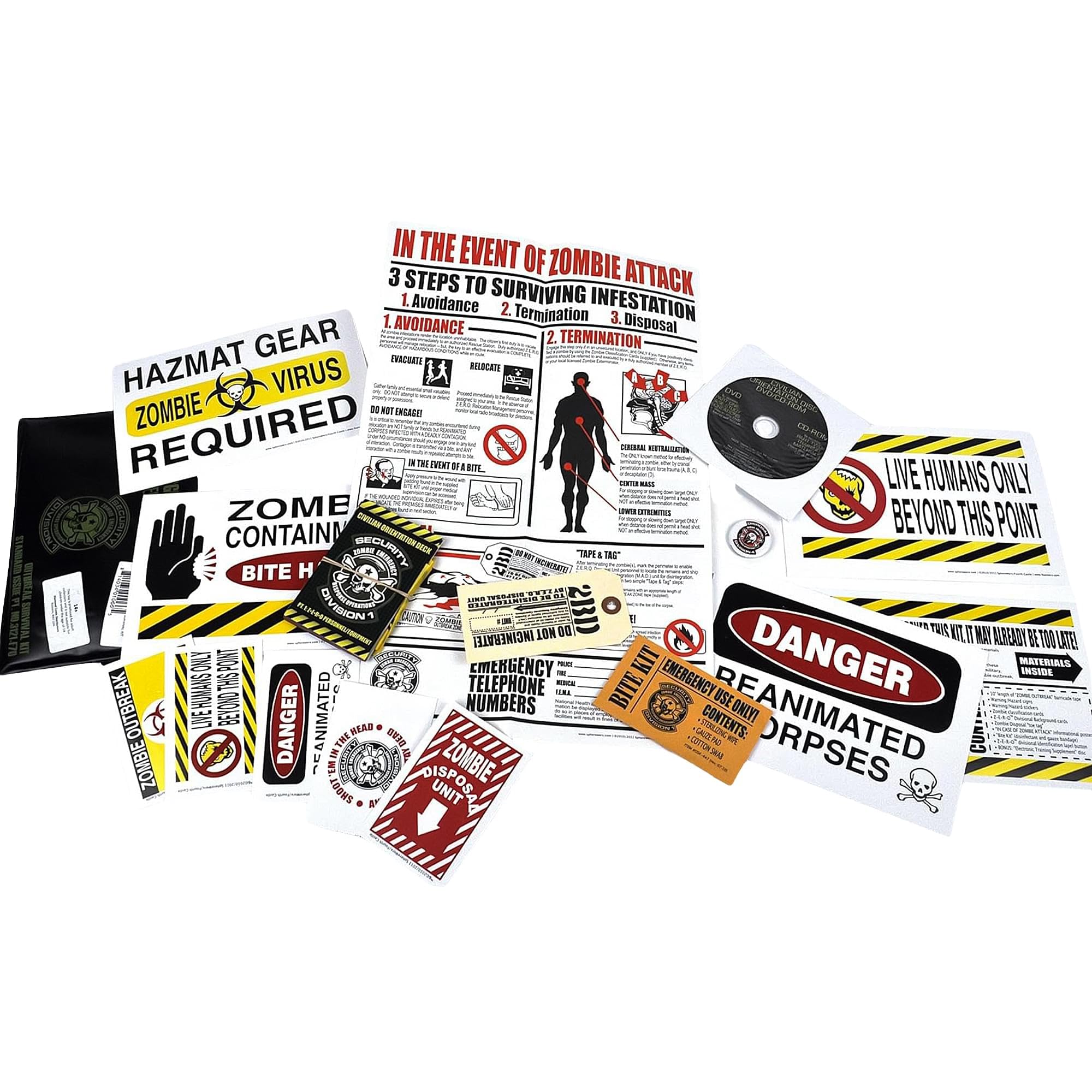
Credit: www.amazon.com
Packing And Maintenance
Packing and maintaining your zombie survival kit is crucial for staying prepared. It’s not just about stuffing items into a bag but organizing them in a way that makes sense when every second counts. Regular upkeep ensures your gear stays reliable and ready for action.
Organizing Your Kit
Keep your kit organized by grouping similar items together. Use smaller pouches or zip-lock bags for categories like first aid, tools, and food. This way, you won’t waste precious time digging through a chaotic mess when you need something fast.
Label your compartments clearly. Even in a stressful situation, clear labels help you grab what you need without second-guessing. Think about placing the most critical items, like water purification tablets or a flashlight, in easy-to-reach pockets.
Regular Checks And Updates
Check your kit every few months. Look for expired food, damaged equipment, or worn-out batteries. I once found my survival whistle cracked after a year without inspection—it could have cost me in a real emergency.
Keep a checklist handy and update it as you swap out supplies. Add new tools or replace broken ones immediately. Staying proactive means your kit won’t fail you when it matters most.
Weight And Portability Tips
Carry only what you truly need. Excess weight slows you down, which can be deadly if zombies are on your tail. Choose lightweight, multipurpose items to save space and reduce bulk.
Try your fully packed kit on a walk to test comfort and balance. Does it shift too much or feel heavy on one side? Adjust straps and redistribute items until it feels just right. Your survival depends on how well you can move with your kit.
Customizing Your Kit
Customizing your zombie survival kit is essential for your safety and comfort. Each person has unique needs that affect what should go inside the kit. A one-size-fits-all kit may not serve you well during a survival situation.
Think about your lifestyle, health, and skills. Your survival kit should match your personal situation and environment. Adding items that boost morale can also keep your spirits up during tough times. Tailoring your kit increases your chances of staying safe and calm.
Assessing Personal Needs
Start by considering your health conditions and allergies. Include any necessary medications and medical supplies. Think about your daily habits and what tools you use often. For example, glasses, hearing aids, or special dietary items might be vital.
Physical strength and skills matter too. If you can carry heavy items, you may pack more gear. Otherwise, focus on lightweight essentials. Consider your knowledge of survival skills and include related tools or guides.
Adapting To Different Environments
Survival gear depends on where you expect to be. A city dweller needs different items than someone in the wilderness. Climate plays a big role—pack warm clothes for cold zones and breathable fabrics for hot areas.
Prepare for various terrains like forests, deserts, or urban ruins. Include tools like maps, compasses, or waterproof containers. Water sources vary by location, so plan your water filtration and storage accordingly.
Including Comfort And Morale Items
Survival is not just about tools and food. Mental strength is key during long, stressful times. Include small items that bring comfort or joy. A favorite book, a photo, or a small game can help reduce stress.
Simple comforts like a warm blanket or a good flashlight improve your well-being. Keep hygiene products to stay clean and feel better. Comfort items make surviving less lonely and scary.

Credit: www.amazon.com
Frequently Asked Questions
What Items Are Essential For A Zombie Survival Kit?
Your zombie survival kit should include water, non-perishable food, a first-aid kit, flashlight, batteries, and a multi-tool. Additionally, pack a sturdy backpack, warm clothing, and a map. Consider adding a whistle and emergency contact information. Ensure all items are easy to carry and accessible during emergencies.
How Much Water Should Be Stored?
Store at least one gallon of water per person per day. Plan for a minimum of three days. This amount ensures you have enough for drinking and hygiene. Rotate your water supply every six months to maintain freshness. Consider water purification tablets as a backup.
What Type Of Food Lasts The Longest?
Non-perishable foods like canned goods, dried fruits, and nuts last longest. Choose items with a long shelf life and easy preparation. Freeze-dried meals and energy bars are also good choices. Rotate your stock every six months to ensure freshness. Avoid foods that require refrigeration or complex preparation.
Is A First-aid Kit Necessary?
Yes, a first-aid kit is crucial for treating injuries. It should include bandages, antiseptic wipes, pain relievers, and tweezers. Add any personal medications and a first-aid manual. Regularly check and restock the kit to ensure supplies are current. This kit could be a lifesaver in emergencies.
Conclusion
Building your own zombie survival kit keeps you prepared and safe. Choose items that help with food, water, and first aid. Make sure to include tools for protection and communication. Regularly check and update your kit for freshness and usefulness.
Stay calm and ready for any unexpected situation. Your kit can make a big difference in an emergency. Start small and add more supplies over time. Being ready is smart and gives peace of mind. Survival is about thinking ahead and staying alert.
Your safety depends on the choices you make today.