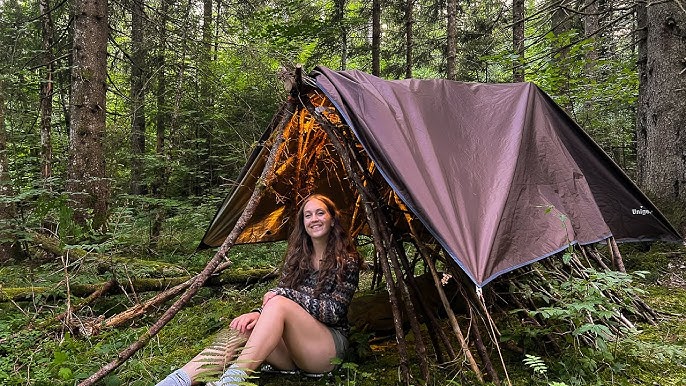
Imagine you’re out in the wild, and the weather suddenly turns against you. You need a quick, reliable shelter to keep you safe and dry.
That’s where an A Frame Shelter comes in. It’s simple to build, sturdy, and can protect you from wind, rain, and cold. You’ll discover how to create your own A Frame Shelter step-by-step. By the end, you’ll have the skills to build a safe haven anytime, anywhere.
Ready to learn how to survive with confidence? Let’s dive in.

Credit: m.youtube.com
Choosing The Right Location
Choosing the right location for your A Frame shelter is crucial for survival. The right spot protects you from nature’s elements and keeps you safe. It also helps conserve energy and resources during tough times. Careful thought about location ensures your shelter is stable and functional.
Assessing Terrain And Shelter Needs
Select flat ground that drains water well. Avoid valleys or low areas where water collects. Choose a place with natural wind barriers like trees or rocks. Soft soil makes it easier to build and secure your shelter. Consider how much space you need for sleeping and storing supplies. A spot with enough room keeps your shelter comfortable and safe.
Avoiding Hazards And Environmental Risks
Stay clear of dead trees or branches that might fall. Check for signs of animal activity nearby. Avoid areas close to steep cliffs or unstable slopes. Watch out for flooding signs or flood-prone zones. Keep away from insect nests or thick bushes that attract pests. Safety comes first; pick a spot that lowers risks.
Finding Natural Resources Nearby
Find water sources like streams or lakes within walking distance. Look for areas with plenty of firewood or dry branches. Check if there are edible plants or fruits around. Nearby rocks can help build a fire ring or shelter supports. Having resources close saves time and energy. It helps you stay prepared in survival situations.
Materials For A Frame Shelter
Choosing the right materials for your A Frame shelter can make all the difference between a safe refuge and a fragile structure. The materials you pick affect durability, weather protection, and how comfortable your shelter will be. Let’s look closely at what you need to build a strong and reliable A Frame shelter.
Selecting Durable Framework
Your shelter’s framework must be sturdy enough to hold up against wind, rain, and snow. Look for straight, strong branches or poles, ideally around 2 to 3 inches thick. Hardwoods like oak or hickory work well because they resist breaking and decay.
Think about the length too—longer poles create a bigger shelter but may be harder to find. Don’t forget to test the strength by bending the branch slightly; if it snaps easily, choose another. Your framework is the backbone of the shelter, so don’t rush this step.
Using Natural Coverings
Natural materials such as leaves, pine needles, bark, and grass are excellent for covering your A Frame. They help keep rain and wind out while blending into your environment. Gather large, flat pieces of bark or thick layers of pine needles to create a water-resistant roof.
Stack them tightly and overlap to avoid gaps where water can seep through. Remember, the thicker the covering, the better your shelter will shield you from the elements. Have you ever noticed how animals use layers of leaves or moss? Mimicking nature’s designs often works best.
Incorporating Insulation
Insulation is key to staying warm inside your A Frame, especially in cold weather. Use dry leaves, grass, or moss to line the floor and walls. These materials trap air and create a barrier against the cold ground and wind.
Don’t forget to add a thick layer inside, not just on the outside. You might even stuff pine boughs under your sleeping area for extra comfort and warmth. Can you feel the difference between sleeping on bare ground and a cushioned, insulated floor? Your survival depends on this small but crucial detail.
Building Steps
Building an A-frame shelter is crucial for survival in the wild. Follow these steps to create a sturdy and protective shelter. Each step ensures safety and comfort in nature.
Setting Up The Frame
Choose a flat and dry spot for your shelter. Use two long branches as the main supports. Place them in an inverted V shape. Ensure they are sturdy and well-balanced. Bind the top where they cross using rope or vine. This creates the basic A-frame structure.
Securing The Structure
Strengthen the frame using additional branches. Lean them against the main supports. Space them evenly on both sides. This increases stability. Secure each branch with rope or vines. Check for any weak spots or loose branches. Reinforce as necessary.
Adding Protective Layers
Cover the frame with natural materials. Use leaves, grass, or bark. These materials provide insulation. Layer them thickly to block wind and rain. Ensure no gaps remain in the coverage. A well-insulated shelter keeps you warm and dry.

Credit: www.youtube.com
Weatherproofing Tips
Keeping your A Frame shelter weatherproof is essential for survival. A well-protected shelter blocks out harsh weather and keeps you comfortable. Here are practical tips to help you shield your shelter from rain, wind, and cold while ensuring fresh air circulation.
Shielding From Rain And Wind
Start by using a durable tarp or waterproof material to cover your A Frame shelter. Secure it tightly with ropes and stakes to prevent flapping during strong winds. Angle the shelter so rainwater naturally flows away from the entrance and base.
Adding natural barriers like bushes or fallen branches can reduce wind impact. Have you noticed how dense trees can break wind? Use that to your advantage by positioning your shelter near natural windbreaks.
Maintaining Warmth
Insulate the ground inside your shelter with leaves, pine needles, or a sleeping pad to stop heat loss. Hang a reflective blanket or foil inside the shelter walls to bounce body heat back toward you. Small, controlled fires or warm water bottles can also raise the temperature safely.
Are you prepared to trap warmth without trapping moisture? Avoid sealing the shelter completely; moisture buildup can make you colder. Layer your clothing and keep your sleeping bag dry for extra warmth.
Ventilation Strategies
Even in cold weather, your shelter needs ventilation to prevent condensation buildup. Leave a small gap at the top or sides to allow airflow while keeping rain out. You can create adjustable flaps with tarp corners that open and close depending on weather conditions.
Consider how fresh air helps you breathe better and avoid respiratory issues. Have you ever felt stuffy inside a shelter? Proper ventilation can make a big difference in comfort and safety during extended stays.
Safety And Survival Considerations
Building an A frame shelter is just the beginning of your survival journey. Safety and survival considerations play a crucial role in ensuring that your shelter not only protects you from the elements but also keeps you safe from unexpected dangers. Paying attention to fire safety, wildlife behavior, and emergency signaling can make all the difference between a manageable situation and a life-threatening one.
Fire Safety Near Shelter
Keeping a safe distance between your fire and your A frame shelter is vital. Sparks and embers can easily ignite dry leaves or the shelter’s materials. A good rule of thumb is to build your fire at least 10 feet away from the shelter.
Clear the area around the fire pit of any flammable debris such as dry grass, leaves, or twigs. Surround the fire with rocks to contain it and prevent the flames from spreading. Always have a bucket of water or sand nearby to quickly put out the fire if it gets out of control.
Have you ever experienced a campfire that suddenly flared up? That moment teaches you how fast things can change. Staying alert and prepared helps you avoid turning a warm fire into a dangerous blaze.
Wildlife Precautions
Wildlife can be curious or even aggressive, especially if they sense food or shelter nearby. Store all your food securely away from your sleeping area, preferably in a sealed container or hung from a tree branch out of reach.
Keep your shelter clean and free from scraps or strong smells that might attract animals. Avoid using scented lotions or soaps that can draw attention to your location. Remember, animals respect boundaries when they feel safe, but they can become a threat if provoked.
Have you noticed how animals react when you’re calm and quiet? Your behavior influences their response, so move carefully and stay aware of your surroundings at all times.
Emergency Signaling Methods
In a survival situation, signaling for help is key. Carry multiple signaling tools like a whistle, mirror, or brightly colored cloth. These items can help rescuers spot you from a distance.
Learn to create signals using natural materials—stacked rocks or arranged branches can form shapes like an “X” or an arrow pointing to your shelter. Fire smoke signals also work well during the day but require careful control to avoid spreading flames.
Think about how you would attract attention if you were lost. Preparing your signaling options before you need them increases your chances of a timely rescue.

Credit: sgtknots.com
Maintenance And Upgrades
Maintaining your A Frame shelter is essential for ensuring it remains a reliable refuge through all kinds of weather and conditions. Regular upkeep not only extends its lifespan but also keeps you comfortable and safe. Upgrading your shelter allows you to adapt to new challenges and improve your overall survival experience.
Repairing Damage
Check your shelter for tears, broken supports, or loose fastenings after every use. Small holes or rips can quickly become bigger problems if left unattended. Carry a repair kit with patches, strong tape, and extra cord to fix issues on the spot.
Have you noticed how a tiny tear can let in cold air or rain? Fix it immediately to keep your shelter weatherproof. Strengthen weak points by reinforcing seams or replacing worn-out materials before they fail entirely.
Enhancing Comfort
Comfort matters when you’re relying on your shelter for extended periods. Add insulation like leaves, pine needles, or a foam mat to keep warmth inside. A simple ground tarp can prevent moisture from seeping in and improve your sleeping area.
Think about your daily needs inside the shelter. Could a small shelf or hanging loop help organize your gear? Even small upgrades like a removable door flap or extra ventilation can make a huge difference in comfort.
Adapting To Changing Conditions
Weather and environment are never static, so your shelter shouldn’t be either. Add a rainfly or tarp overhead during wet seasons to increase protection. In colder months, build a windbreak with natural materials or extra fabric layers.
Have you experienced sudden weather shifts while outdoors? Adjust your shelter quickly by adding or removing layers and supports. Flexibility in your setup ensures you stay safe and comfortable no matter what nature throws at you.
Frequently Asked Questions
What Is An A Frame Shelter In Survival Situations?
An A Frame Shelter is a simple, triangular structure made by leaning two poles together. It offers good protection from wind and rain. It is easy to build using natural materials or a tarp, making it ideal for survival scenarios.
How Do You Build An A Frame Shelter Quickly?
Start by finding two strong poles and lean them against each other to form an “A” shape. Then, cover the frame with branches, leaves, or a tarp for insulation and weather protection. Choose a sheltered location for better safety.
Why Is An A Frame Shelter Effective In Harsh Weather?
Its sloped design allows rain and snow to slide off easily. The compact shape reduces wind resistance, keeping the interior warmer. This makes it a reliable shelter for various weather conditions during survival.
What Materials Are Best For An A Frame Shelter?
Use sturdy sticks or poles for the frame and waterproof materials like a tarp or large leaves for covering. Natural insulation like pine branches can add warmth. Lightweight and durable materials improve shelter longevity and comfort.
Conclusion
A frame shelters offer quick and strong protection outdoors. They use simple shapes that are easy to build. You can find materials around you to make one fast. These shelters keep you dry and safe from wind. Practice building one before you need it.
Being prepared helps you stay calm and confident. Try making an A frame shelter on your next trip. It could make a big difference in survival situations. Stay safe and enjoy your time in nature.