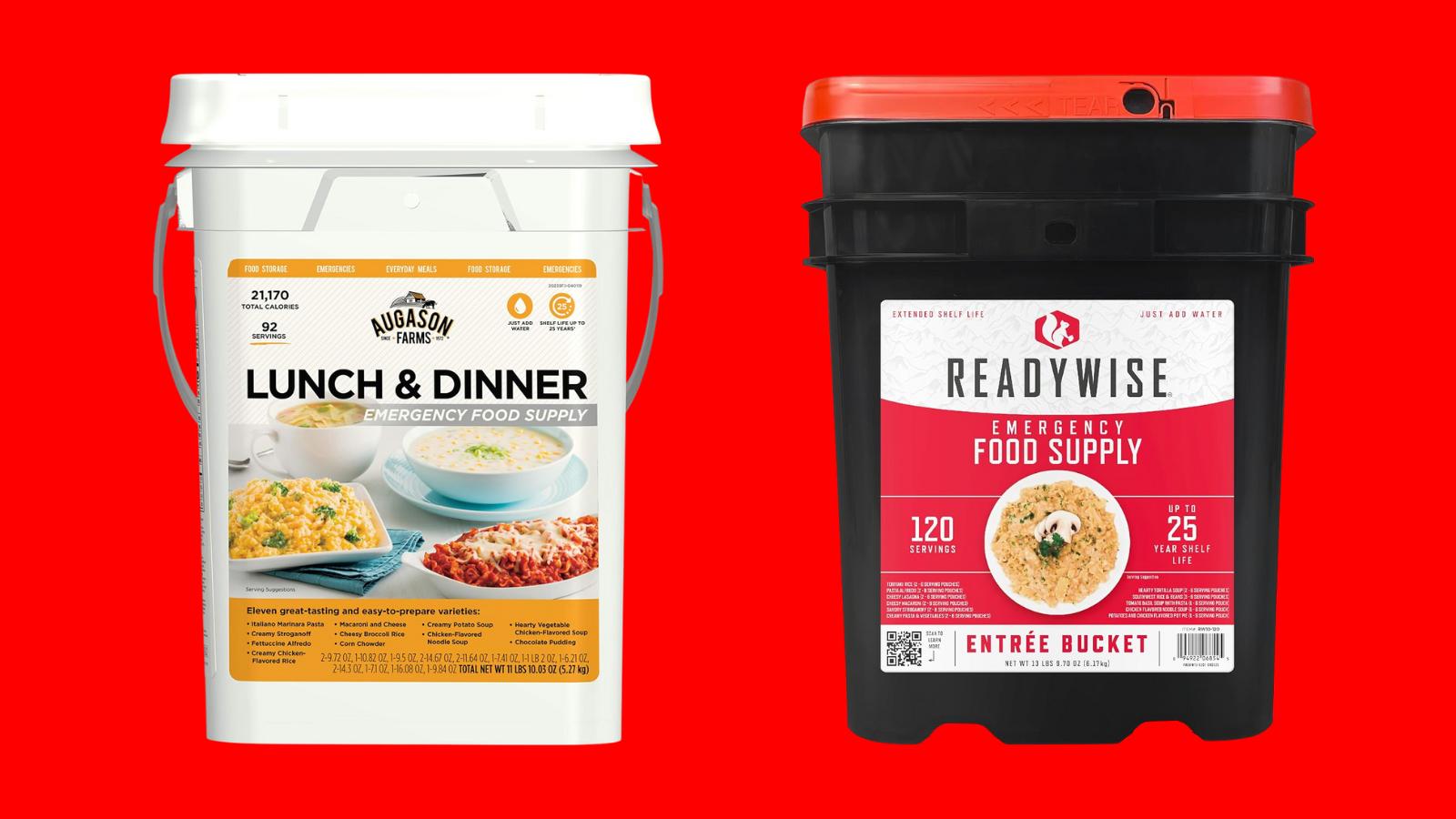
When disaster strikes, having the right emergency food kit can make all the difference for you and your loved ones. But with so many options out there, how do you know which one is truly the best?
You need a kit that’s not only reliable but also easy to store, nutritious, and ready when you need it most. You’ll discover what sets the top emergency food kits apart and how to choose the one that fits your needs perfectly.
Keep reading—your safety and peace of mind depend on it.
Criteria For Choosing Emergency Food Kits
Choosing the right emergency food kit is essential for safety and comfort during tough times. The best kits provide reliable nutrition, last long, and are easy to use. Understanding key criteria helps pick a kit that fits your needs and situation.
Shelf Life And Durability
Emergency food must stay fresh for years. Look for kits with a shelf life of 10 to 25 years. Packaging should protect food from moisture, air, and pests. Durable containers prevent damage during storage and transport.
Nutritional Value
Food should provide energy and essential nutrients. Check for a balance of proteins, fats, and carbohydrates. Vitamins and minerals support health during emergencies. Avoid kits with too much sugar or empty calories.
Portability And Packaging
Compact and lightweight kits are easier to carry. Packaging should be simple to open without tools. Choose kits with resealable bags or containers. This keeps food safe and reduces waste.
Taste And Variety
Variety helps avoid food fatigue in long emergencies. Kits with different meals and flavors keep morale high. Taste matters; bland food can lower spirits. Pick kits with meals you and your family enjoy.
Ease Of Preparation
Emergency food should require little or no cooking. Look for ready-to-eat options or meals needing only water. Avoid kits that need special equipment or long cooking times. Quick preparation saves time and effort.

Credit: practicalselfreliance.com
Top Emergency Food Kits On The Market
Emergency food kits are essential for safety and peace of mind. They provide quick access to nutritious meals during crises. Choosing the right kit depends on your needs, storage space, and budget.
Many options exist on the market, each with unique features. Some kits focus on long shelf life, others on portability. Families, solo travelers, and budget-conscious buyers all find suitable choices.
Best Overall Kit
The best overall emergency food kit offers a balanced mix of taste, nutrition, and shelf life. It includes a variety of meals that are easy to prepare. This kit is perfect for most situations, providing enough food for several days.
Best Budget-friendly Option
Budget-friendly kits deliver essential calories without high costs. These kits often contain simple meals like rice, beans, and freeze-dried vegetables. They suit those who want basic emergency food without extra frills.
Best For Long-term Storage
Kits made for long-term storage focus on shelf life, often 25 years or more. They use vacuum-sealed packaging and dehydrated ingredients. Ideal for prepping, these kits stay fresh in cool, dark places.
Best For Backpacking And Travel
Backpacking emergency food kits are lightweight and compact. Meals are easy to carry and prepare with minimal water. These kits work well for hikers, campers, and travelers needing portable nutrition.
Best Family-sized Kit
Family-sized kits provide enough meals for several people. They include a variety of foods to please all ages. These kits often come with utensils and cooking instructions for convenience.
Comparing Kit Features And Benefits
When you’re choosing the best emergency food kits, it’s crucial to compare their features and benefits. Not all kits are created equal, and understanding the differences can help you make a more informed decision. Let’s dive into some key aspects to consider when evaluating these kits.
Caloric Content And Meal Count
The number of calories and meals provided in a kit can significantly impact its usefulness during an emergency. Most kits offer a variety of meals with different calorie counts to meet your energy needs. Look for kits that provide at least 2,000 calories per day per person to ensure everyone stays nourished. Some kits offer more meals but with lower calories, which might be less beneficial for long-term use.
Water Requirements
Water is essential in any emergency situation. Some food kits require water for meal preparation, while others are ready-to-eat. Consider how much water is needed to prepare meals from the kit. It’s wise to choose kits that either minimize water usage or include water purification options.
Allergen Considerations
If you or your family members have food allergies, this is a critical aspect to consider. Many kits clearly label common allergens such as nuts, dairy, or gluten. Always check the ingredients list and opt for kits that cater to specific dietary needs to avoid health risks during an emergency.
Emergency Extras Included
Some kits offer more than just food. Extras like water filters, fire starters, or even first aid supplies can add significant value. Think about what additional items could be beneficial in your emergency preparedness plan. Extras can sometimes be the deciding factor when choosing between similar food kits.
So, how do you decide which emergency food kit is best for you? By evaluating these features, you can make an informed choice that ensures safety and satisfaction in any crisis situation. What’s most important for your family’s needs?

Credit: readywise.com
Tips For Storing Emergency Food Kits
Storing your emergency food kits properly can make a huge difference when you actually need them. It’s not just about having the food; it’s about keeping it fresh and accessible. Let’s look at practical ways to store your kits so they serve you well over time.
Ideal Storage Conditions
Keep your emergency food kits in a cool, dry place away from direct sunlight. Heat and moisture speed up spoilage and reduce shelf life, so avoid basements prone to dampness or attics that get hot.
Think about a closet or a pantry with stable temperatures between 50°F and 70°F (10°C to 21°C). Also, make sure the storage area is free from pests like rodents or insects that can damage the packaging.
Rotation And Expiration Management
Have you ever found expired food in your emergency supplies? It happens when kits sit unused for too long. To prevent waste, label each kit with the purchase or packing date.
Use a simple rotation system: place newly bought kits at the back and move older ones to the front. This way, you’ll use or replace the oldest food first.
Check expiration dates regularly and plan to consume or replace food items before they expire. This small habit ensures your emergency food is always safe and nutritious.
Combining Kits With Other Supplies
Emergency food doesn’t exist in isolation—it works best alongside water, cooking tools, and first aid supplies. Store your kits where you keep these essentials for quick access during an emergency.
Group kits with items like water purification tablets, portable stoves, and utensils. This organization saves time and reduces stress when you need to act fast.
Have you created a dedicated emergency supply corner? If not, try setting one up and notice how much easier it is to manage your preparedness gear.
Preparing For Emergencies With Food Kits
Preparing for emergencies with food kits is a smart way to stay ready. Food kits provide essential nutrition during power outages, natural disasters, or unexpected situations. They offer convenience, long shelf life, and easy storage. Having a reliable food supply can reduce stress and improve safety during tough times.
Planning Your Emergency Food Supply
Start by calculating how many people need food and for how many days. Consider special dietary needs like allergies or medical conditions. Choose food kits with balanced nutrition and a variety of meals. Store kits in a cool, dry place away from sunlight. Rotate your food supply regularly to keep it fresh.
Incorporating Food Kits Into Your Survival Plan
Include food kits as a key part of your emergency kit. Combine them with water, first aid, and other supplies. Make sure everyone in your group knows where the kits are kept. Plan meals to use the kits efficiently during emergencies. Keep extra kits in different locations for backup.
Testing And Familiarizing With Kits
Try eating the food kits before an emergency happens. This helps you know what to expect and avoid surprises. Practice opening and preparing the meals quickly. Check if the taste and texture are acceptable to everyone. Use this time to adjust your kit choices if needed.

Credit: www.goodhousekeeping.com
Frequently Asked Questions
What Makes An Emergency Food Kit The Best?
The best emergency food kits offer long shelf life, high nutrition, and easy preparation. They should include diverse meals and meet dietary needs. Portability and compact packaging are also key factors for convenience during emergencies.
How Long Do Emergency Food Kits Last?
Most emergency food kits last between 5 to 25 years, depending on packaging and storage conditions. Properly sealed kits in cool, dry places maintain freshness and nutritional value for extended periods.
Are Emergency Food Kits Suitable For All Dietary Preferences?
Many top emergency food kits cater to various diets, including gluten-free, vegan, and allergen-free options. It’s important to check the ingredient list to ensure the kit meets your specific dietary needs.
How Much Food Should I Store Per Person?
Experts recommend storing at least a three-day supply of emergency food per person. Ideally, a two-week supply covers most situations, ensuring adequate calories and nutrients during crises.
Conclusion
Choosing the best emergency food kit helps you stay prepared and safe. Good kits provide nutrition, long shelf life, and easy storage. Think about your needs and space before buying. Quality and taste matter for comfort during emergencies. Keep your kit updated and check expiration dates often.
Being ready brings peace of mind. Stay safe and take small steps today. Emergency food kits are a smart part of any plan.