Imagine you’re out on the water, your raft drifting farther than you planned. The sun is blazing, and you realize you don’t have what you need to stay safe and comfortable.
What’s in your survival kit? If you’re like most people, you might not be fully prepared. But that can change right now. This guide will show you exactly what to pack in a raft survival kit. You’ll learn how to protect yourself, find food and water, and stay calm when things get tough.
Keep reading—your safety depends on it.
Basic Survival Gear
Basic survival gear forms the foundation of any raft guide’s survival kit. It ensures safety and comfort during unexpected situations. These essential items help you secure clean water, start fire, and build shelter. Each piece is lightweight and easy to carry, making your adventure safer and more manageable.
Water Purification Tools
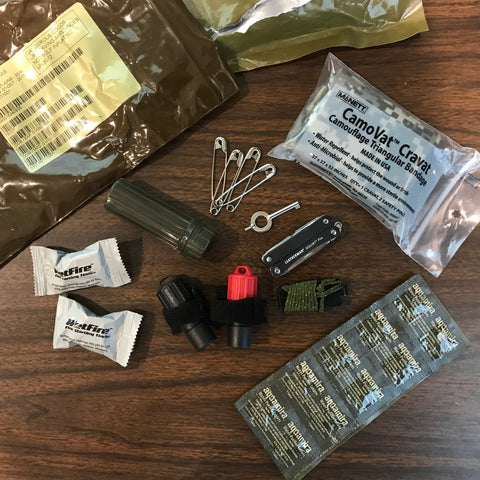
Clean water is vital for survival. Water purification tools remove harmful bacteria and impurities from natural sources. Common tools include:
- Portable water filters
- Water purification tablets
- UV light purifiers
- Collapsible water containers
These tools ensure safe drinking water, reducing the risk of illness.
Fire Starting Equipment
Fire provides warmth, cooks food, and signals for help. Reliable fire starting equipment is crucial. Essential items are:
- Waterproof matches
- Flint and steel
- Lighters
- Firestarter cubes or tinder
These tools help ignite a fire quickly, even in damp conditions.
Shelter Materials
A sturdy shelter protects from weather and insects. Basic shelter materials include:
- Lightweight tarp or emergency blanket
- Paracord or strong rope
- Compact tent or bivy sack
- Groundsheet or sleeping pad
These items provide quick, effective shelter to stay dry and warm.
Navigation Essentials
Navigation is a key part of any rafting trip. It helps you stay on course and find your way through rivers and wild places. A well-prepared survival kit must include tools that guide you safely back to camp or help you reach your destination. Without proper navigation aids, you risk getting lost or wasting precious time.
Navigation essentials focus on tools that show direction and help signal your position if needed. These tools are easy to carry but very important for safety and confidence on the water.
Compass And Maps
A compass is a simple tool that points north. It helps you choose the right direction. It works without batteries and in all weather. Combine a compass with detailed maps of the area. Maps show rivers, trails, and landmarks. They help you plan routes and avoid dangerous spots.
Keep your maps dry in a waterproof case. Learn to read both compass and maps before your trip. Practice finding directions and landmarks. This skill can save your life in tricky situations.
Signaling Devices
Signaling devices help others find you if you get lost or need help. Bright whistles and mirrors are common choices. Whistles carry sound farther than shouting. Mirrors reflect sunlight to catch attention over long distances.
Carry a waterproof flashlight or a small flare. These work well in low light or at night. A survival kit with signaling devices increases your chance of rescue. Always test these tools before setting out.
Safety And First Aid
Safety and first aid are crucial parts of any rafting trip. Being prepared helps prevent small injuries from becoming serious problems. A well-stocked survival kit supports quick response in emergencies. It offers peace of mind and increases the chances of a safe adventure.
First Aid Kit Components
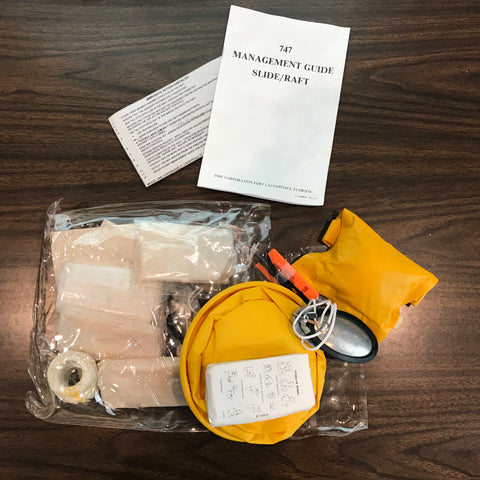
A good first aid kit has essential items for treating common injuries. These include:
- Bandages of different sizes for cuts and scrapes
- Antiseptic wipes to clean wounds
- Adhesive tape for securing dressings
- Sterile gauze pads for heavy bleeding
- Scissors and tweezers for removing splinters or debris
- Pain relievers like ibuprofen or acetaminophen
- Allergy medication such as antihistamines
- Instant cold packs to reduce swelling
- Emergency blanket for warmth
Check the kit before each trip. Replace used or expired items to stay ready.
Personal Protective Gear
Protective gear reduces injury risks during rafting. Key items include:
- Life jacket to keep you afloat in water
- Helmet to protect your head from impacts
- Gloves for better grip and hand protection
- Sturdy shoes with good traction
- Sun protection like hats and sunscreen
Wearing the right gear enhances safety and comfort. It helps you stay focused and enjoy the journey.
Food And Cooking Supplies
Having the right food and cooking supplies in your raft guide survival kit can make a huge difference during an emergency. It’s not just about staying full; it’s about keeping your energy up and your morale strong. You want items that last, cook easily, and taste good enough to keep you motivated.
Non-perishable Food Items
Non-perishable foods are essential because they don’t spoil quickly and are easy to store. Think about packing:
- Energy bars– compact and high in calories, perfect for quick boosts.
- Dried fruits and nuts– provide vitamins, minerals, and healthy fats.
- Canned beans and vegetables– these give you fiber and protein, but remember to bring a can opener.
- Instant oatmeal or rice packs– simple to prepare with hot water.
- Dehydrated meals– lightweight and only need water to rehydrate.
Have you checked your kit’s expiration dates lately? Rotating your stock can save you from unpleasant surprises during a real emergency.
Portable Cooking Tools
Cooking tools should be lightweight and versatile. A small camping stove is a game-changer, letting you prepare hot meals quickly.
- Compact stovewith fuel canisters – ideal for boiling water and cooking simple dishes.
- Multi-use utensils– a spork or a foldable knife reduces the need for bulky cutlery.
- Lightweight pots and pans– choose materials like titanium or aluminum for durability and weight savings.
- Fire starters– waterproof matches or a lighter to get your stove going.
Have you ever tried cooking on a small stove? It’s surprisingly quick, and the warmth of a hot meal can boost your spirits more than you expect.
Tools And Repair Items
Having the right tools and repair items is essential for any rafting trip. These items help manage unexpected problems quickly. A well-prepared survival kit includes strong, reliable tools and effective repair materials.
Multi-tools And Knives
Multi-tools combine many functions into one compact device. They usually include pliers, screwdrivers, scissors, and knives. A sharp knife is critical for cutting ropes or preparing food. Quality multi-tools are durable and easy to carry. Choose tools with rust-resistant blades for wet conditions.
Knives should have a secure locking mechanism for safety. Small blades work well for detailed tasks. Larger blades handle tougher jobs like cutting wood. Always keep tools clean and dry to maintain their sharpness and function.
Repair Kits For Rafts
Repair kits help fix punctures and tears quickly. They usually contain patches, glue, and sandpaper. Patching a hole immediately prevents water from entering the raft. Use sandpaper to roughen the surface before applying glue. This step ensures the patch sticks firmly.
Some kits include extra valves or valve repair tools. Carrying spare parts allows fast valve replacement. Store repair items in a waterproof bag to keep them dry. Regularly check the kit to replace used or expired items.

Credit: 5col.com
Clothing And Comfort
Comfort and proper clothing play a vital role in survival situations on a raft. Staying dry, warm, and protected can prevent many health issues. This section covers essential clothing and sleeping gear to bring along. Each item helps maintain comfort and safety during unpredictable conditions.
Weather-appropriate Clothing
Choose clothing based on the weather conditions expected. Lightweight, quick-drying materials work best for warm weather. Layers are key for cold weather, allowing easy adjustment to temperature changes.
- Waterproof jacket and pants to stay dry.
- Breathable shirts and pants to avoid overheating.
- Thermal underwear for cold nights.
- Wide-brim hat for sun protection.
- Gloves and warm socks for cold environments.
Avoid cotton as it retains moisture and chills the body. Opt for synthetic or wool fabrics instead. Always prepare for sudden weather shifts by packing extra layers.
Sleeping Gear
Rest is crucial for survival. Proper sleeping gear helps keep body temperature stable and provides comfort on rough surfaces.
- Compact sleeping bag rated for expected temperatures.
- Insulated sleeping pad to prevent heat loss through the ground.
- Lightweight, waterproof bivy sack or tent for shelter.
- Pillow or stuff sack filled with clothes for head support.
Choose gear that fits in your survival kit but offers maximum warmth. Good sleep improves energy and mental clarity for challenges ahead.
Packing And Organization
Packing and organization are vital for any raft guide’s survival kit. Proper arrangement saves space and keeps essentials within reach. It also protects supplies from water damage and rough conditions. Efficient packing reduces stress and helps during emergencies.
Organizing items by type and use makes quick access easier. Group similar tools together. Use containers that fit the gear snugly. Label bags or compartments clearly. This way, you avoid searching through everything in tough moments.
Waterproof Storage Solutions
Waterproof storage protects gear from water and moisture. Use dry bags made of durable material. They keep clothes, food, and electronics safe and dry. Seal bags tightly to prevent leaks.
Hard waterproof cases offer extra protection. Ideal for fragile items like cameras and first aid kits. Choose cases with secure locks and good padding inside.
Plastic zip-lock bags work well for smaller items. Use multiple bags to organize items by category. Keep a few extra bags for unexpected needs.
Weight Distribution Tips
Distribute weight evenly across the raft. Place heavy items near the center and low to the floor. This keeps the raft stable and easier to control.
Balance gear on both sides to avoid tipping. Use straps to secure loads firmly. Avoid loose items that can shift during travel.
Pack frequently used items in easy-to-reach spots. Store less important gear towards the back or under seats. Check weight distribution before setting off each day.

Credit: 5col.com

Credit: unchartedsupplyco.com
Frequently Asked Questions
What Essential Items Are In A Raft Survival Kit?
A raft survival kit includes water, food rations, signaling tools, first aid supplies, and a knife. These items help ensure safety and survival during emergencies on the water.
How Do You Use A Raft Survival Kit Effectively?
Use the kit by prioritizing hydration, signaling for help, and administering first aid. Follow instructions carefully and stay calm to maximize survival chances.
Why Is Signaling Equipment Important In A Survival Kit?
Signaling equipment attracts rescuers’ attention quickly. Items like mirrors, whistles, and flares increase your visibility and improve rescue success.
How Often Should You Check Your Raft Survival Kit?
Check your kit before every trip and at least twice a year. Replace expired items and restock used supplies promptly for readiness.
Conclusion
A raft guide’s survival kit can save your life at sea. It holds tools and supplies needed for emergencies. Staying prepared helps you face danger with confidence. Small items often make the biggest difference. Keep your kit ready and check it often.
Being smart and ready means you can survive tough situations. Don’t wait for trouble to pack your kit. Safety starts with good planning and simple gear. Your survival depends on what you bring along. Stay safe, stay prepared, and trust your kit.