Imagine facing an unexpected emergency right in the middle of your city. Would you know what to grab?
Having a realistic urban survival kit is your best chance to stay safe and calm when chaos strikes. This isn’t about packing every gadget you see online—it’s about choosing the right items that fit your daily life and the challenges you might actually face.
You’ll discover exactly what to include in your kit, why each item matters, and how to prepare yourself without feeling overwhelmed. Ready to take control of your safety? Let’s dive in.

Credit: m.youtube.com
Choosing The Right Bag
Choosing the right bag for your urban survival kit can make all the difference when every second counts. The perfect bag should fit your lifestyle, carry your essentials comfortably, and stand up to harsh conditions. Think about how you move through the city and what gear you absolutely need at your fingertips.
Backpack Vs Messenger Bag
Backpacks spread weight evenly across both shoulders, which helps if you carry heavy items for a long time. They usually offer more space and better organization options, making them great for a full survival kit. On the other hand, messenger bags provide quick access to your gear without taking the bag off, which can be a lifesaver in tight situations.
Which style suits your daily routine better? If you navigate crowded streets or bike often, a backpack might keep you balanced. But if you prefer easy grab-and-go access and a more casual look, messenger bags could be your best choice.
Material And Durability
Your bag needs to withstand rain, scrapes, and heavy loads without falling apart. Look for materials like ballistic nylon or heavy-duty polyester that resist tearing and repel water. Reinforced stitching and sturdy zippers are just as important to avoid failures when you need your bag the most.
Have you ever had a zipper break on an important day? Choosing a bag with metal or lockable zippers can prevent that headache. Don’t forget to check for padded straps and back panels to keep you comfortable during long wear.
Size And Compartments
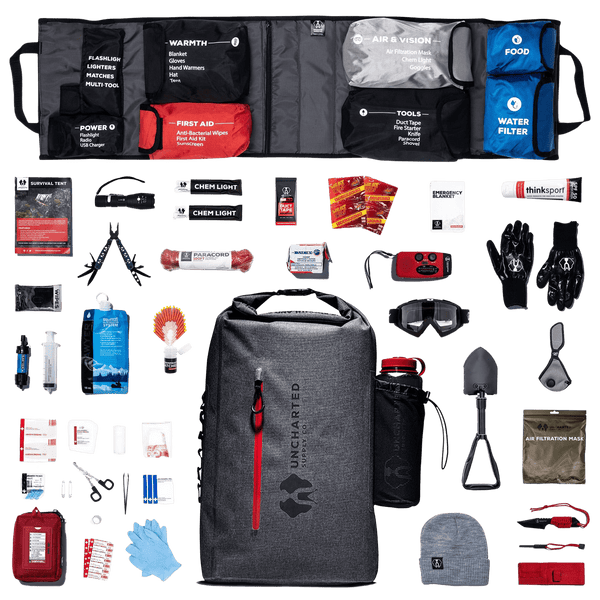
Size matters because a bag too big will weigh you down, while one too small won’t hold all your essentials. Aim for something that fits your must-have items like first aid, multi-tool, water bottle, and snacks without cramming. Compartments help you organize so you don’t waste time digging for what you need.
Think about how you pack. Would you rather have one big pocket or several smaller ones? Pockets with secure closures, mesh holders, and quick-access slots can save precious minutes when you’re in a hurry.

Credit: justgoodkit.com.au
Basic First Aid Supplies
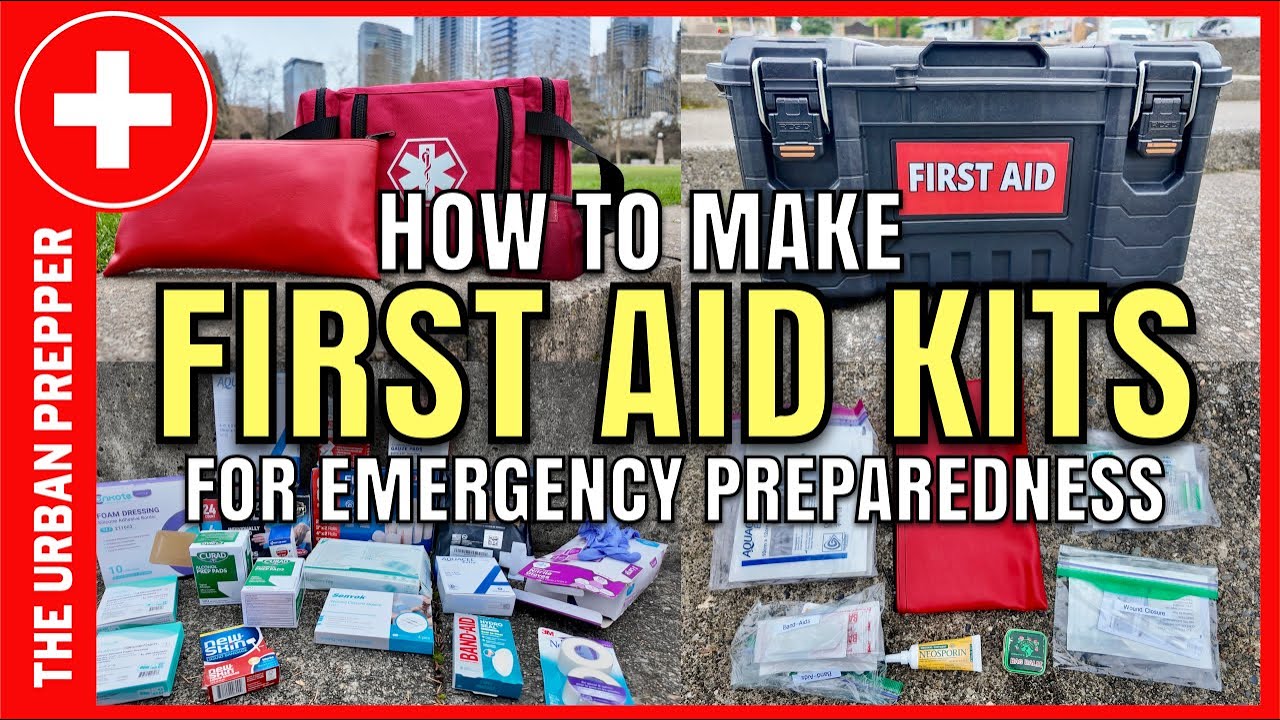
Basic first aid supplies are essential in any urban survival kit. They help treat minor injuries quickly and prevent infections. A well-stocked kit can make a big difference in emergencies. It keeps you prepared for cuts, scrapes, burns, and other common wounds.
Choose supplies that are compact and easy to carry. Focus on items that cover a wide range of injuries. Each item should be simple to use and reliable.
Bandages And Dressings
Bandages protect wounds from dirt and germs. They help stop bleeding and support healing. Include various sizes of adhesive bandages for small cuts.
- Sterile gauze pads for larger wounds
- Roller bandages to hold dressings in place
- Elastic bandages for sprains and strains
Always pack waterproof and hypoallergenic options. These reduce the chance of irritation and keep wounds dry.
Antiseptics And Ointments
Antiseptics clean wounds to prevent infection. Use alcohol wipes or antiseptic solutions for initial cleaning. Avoid harsh chemicals that can damage tissue.
- Antiseptic wipes or sprays
- Antibiotic ointments to protect cuts
- Burn creams to soothe skin damage
Apply ointments after cleaning wounds. They help speed up recovery and reduce pain.
Personal Medications
Include any daily medications you need. Keep extras of common pain relievers like ibuprofen or acetaminophen. Pack allergy medicines if you have allergies.
- Prescription drugs in original containers
- Pain relievers for headaches or muscle pain
- Antihistamines for allergic reactions
Check expiration dates regularly. Replace expired medicines to ensure effectiveness.
Multipurpose Tools
Multipurpose tools are the backbone of any realistic urban survival kit. They save space, reduce weight, and add tremendous functionality. Choosing the right tools means you’re prepared for a variety of challenges without carrying unnecessary bulk.
Pocket Knives And Multitools
A sturdy pocket knife is essential for everyday tasks and unexpected emergencies. Look for one with a reliable locking blade and comfortable grip. Multitools take this a step further by combining pliers, screwdrivers, scissors, and more in one compact device.
Think about the last time you needed to open a package or tighten a loose screw. Having a multitool on hand can turn a frustrating situation into a quick fix. Don’t overlook blade quality—stainless steel knives resist corrosion, which is critical in urban environments with varying weather.
Flashlights And Batteries
Light is one of the most valuable resources when the power goes out or you find yourself in a dark area. A compact, bright flashlight can guide your way safely and help signal for assistance. Consider LED models—they last longer and use less energy.
Always carry extra batteries, but avoid buying cheap, low-quality ones. They may leak or fail when you need them most. Have you tested your flashlight recently? Regular checks ensure it won’t fail during critical moments.
Fire Starters And Lighters
Starting a fire quickly can be crucial for warmth, cooking, or signaling. Carry reliable fire starters like ferro rods, which work well even when wet. A sturdy lighter can be a great backup, but remember it may run out of fuel.
Keep your fire-starting tools in a waterproof container to protect them from moisture. Have you practiced using a ferro rod? It takes skill, but mastering it can be a lifesaver when matches or lighters fail.
Communication Devices
Communication devices are vital in any urban survival kit. They help you stay connected and share your location during emergencies. Without power or signal, communication becomes challenging. Carrying the right tools ensures you can send alerts and receive vital information quickly.
Portable Chargers And Power Banks
Portable chargers and power banks keep your devices running. Choose models with high capacity and fast charging. Compact sizes fit easily in your bag or pocket. Look for solar-powered options for longer emergencies. Keep them fully charged before any outing.
Emergency Radios
Emergency radios provide access to weather updates and news. Many radios offer hand-crank or solar power options. This means no need for batteries or electricity. Some include flashlight and USB charging ports. They are simple, reliable tools for staying informed.
Whistles And Signal Mirrors
Whistles and signal mirrors send distress signals without electricity. Whistles produce loud sounds heard from far away. Signal mirrors reflect sunlight to attract attention. Both tools are lightweight and easy to carry. Use them to alert rescuers or nearby help quickly.
Food And Water Essentials
Food and water are the backbone of any urban survival kit. Without reliable sources of nourishment and hydration, your ability to stay alert and make smart decisions drops fast. It’s essential to pack items that are easy to store, carry, and prepare, especially when you can’t rely on electricity or running water.
Non-perishable Snacks
Choose snacks that last long and give you energy. Think nuts, dried fruits, granola bars, and beef jerky. These items don’t need refrigeration and can keep you fueled during stressful situations.
Look for snacks high in protein and healthy fats to keep you full longer. Avoid anything too sugary that might cause energy crashes. Have you ever felt your energy dip at the worst moment? That’s why quality matters.
Water Bottles And Filters
Carrying enough water is crucial, but so is having a way to purify it. Durable water bottles with built-in filters or separate portable filters can save your life. They allow you to refill from questionable sources without risking illness.
Consider bottles made from BPA-free materials, which are safe and sturdy. Make sure your filter removes bacteria and protozoa, not just sediment. Can you afford to drink unsafe water when every drop counts?
Hydration Packs
Hydration packs are a hands-free way to carry water and stay hydrated on the move. They distribute weight evenly and hold more water than typical bottles. This is a smart choice if you anticipate needing water on long urban treks or while cycling.
Some packs come with insulated tubes to keep water cool. They also free your hands for other tasks, which is a big advantage in survival situations. Have you tried using one during your daily activities to see how it fits into your routine?
Personal Safety Items
Your personal safety is the cornerstone of any urban survival kit. Without it, other resources lose their value quickly. Preparing with the right items can give you confidence and control in unexpected situations.
Pepper Spray And Alarms
Pepper spray is a compact and effective tool that can stop an attacker in their tracks. It’s easy to carry in your pocket or bag and doesn’t require special skills to use. Have you ever thought about how fast you could react if faced with danger?
Personal alarms are another smart addition. They emit a loud noise that draws attention and can deter threats. These alarms are lightweight and often come with keychain attachments, so you always have a way to signal for help.
Protective Gloves And Masks
Gloves protect your hands not just from cuts but also from germs and contaminants. Urban areas can expose you to broken glass or sharp objects during emergencies. A sturdy pair of gloves can keep you safe while helping others or navigating debris.
Masks have become essential for health safety, especially in crowded or polluted areas. Choose masks that filter out dust, smoke, and airborne pathogens. Carrying one ensures you’re ready for sudden environmental hazards or health advisories.
Cash And Identification
Cash might feel old-fashioned, but it’s invaluable when electronic payments fail. Keep small denominations for quick transactions or emergencies. You never know when digital systems might be down, so having physical money can save you from inconvenience.
Always carry your ID securely with your survival kit. It’s crucial for identification in emergencies or if you need access to restricted areas. Think about how having your ID readily available could speed up help or reduce confusion during a crisis.
Clothing And Weather Gear
Clothing and weather gear are essential parts of a realistic urban survival kit. Your choice of clothing can make a huge difference when facing sudden weather changes or emergencies. Staying dry, warm, and comfortable helps maintain your energy and focus in tough situations.
Compact Rain Gear
Rain can strike unexpectedly, especially in urban areas where shelter might not be easy to find. Carrying compact rain gear like a lightweight poncho or a foldable rain jacket saves space and keeps you dry without adding bulk.
Choose materials that dry quickly and pack down small. Have you ever been caught in a downpour and wished for something as simple as a rain cover? This gear can be a lifesaver, preventing chills and discomfort.
Thermal Blankets
Thermal blankets are small but powerful tools for retaining body heat. They don’t take up much room and can be used in various ways—wrapped around you, as a ground cover, or even as a makeshift shelter.
In cold urban nights, a thermal blanket can mean the difference between hypothermia and survival. Always keep one in your kit; it’s a simple item that often gets overlooked.
Extra Socks And Gloves
Extra socks and gloves are practical additions you might not think about until you really need them. Wet or dirty socks can cause blisters and infections, while cold hands can slow you down significantly.
Pack moisture-wicking socks and insulated gloves to maintain warmth and comfort. Have you ever noticed how your whole mood changes when your feet are cold and wet? These small items keep you moving efficiently.
Navigation And Information
Navigation and information are crucial for urban survival. Knowing your location and finding your way can save time and stress. Reliable tools help you stay oriented and informed in a city environment.
In crowded or unfamiliar areas, simple navigation aids prevent getting lost. Keeping track of important information supports quick decisions. Prepare to use both traditional and modern tools for best results.
Maps And Compasses
Paper maps show streets, landmarks, and routes without power. A compass helps keep your direction steady. Together, they work well when technology fails or batteries die.
- Choose detailed city maps with clear street names.
- Learn basic compass reading for quick orientation.
- Keep maps folded and protected from damage.
Smartphone Apps
Apps offer real-time navigation, traffic updates, and emergency alerts. Download maps for offline use to avoid network problems. Use apps that work without internet or GPS signals.
- Store multiple navigation apps for backup options.
- Update apps regularly for accurate information.
- Set favorite places and safe locations in apps.
Note Pads And Pens
Writing down directions or important contacts is simple and effective. Paper notes do not rely on power or signals. Keep a small notepad and pen in your kit.
- Record street names, landmarks, and meeting points.
- Jot down emergency phone numbers and instructions.
- Use waterproof paper or protect notes with plastic covers.
Maintenance And Repair Items
Maintenance and repair items are essential for any realistic urban survival kit. They help keep your gear and shelter intact in tough situations. Small fixes can prevent bigger problems later. Carrying the right tools ensures you can handle common repairs quickly and efficiently.
Duct Tape And Zip Ties
Duct tape is a must-have for urban survival. It can seal leaks, hold broken parts, and even patch clothes. Zip ties are perfect for securing items together fast. Both are lightweight and easy to carry. Together, they solve many repair challenges on the spot.
Sewing Kits
A basic sewing kit can fix torn fabric and gear. Needles, thread, and small scissors fit in tight spaces. Fix ripped clothes or patch backpacks to keep your kit functional. This simple tool set extends the life of your essentials.
Multi-use Adhesives
Multi-use adhesives bond many materials like plastic, metal, and fabric. They are useful for quick repairs when tape won’t hold. Compact tubes or sticks fit well in survival kits. Adhesives give you more options to fix broken items fast.
Credit: m.youtube.com
Frequently Asked Questions
What Items Are Essential In An Urban Survival Kit?
An urban survival kit should include water, non-perishable food, a flashlight, a multi-tool, first aid supplies, and a portable phone charger. These essentials help you stay safe, hydrated, and prepared during emergencies in a city environment.
How Do I Choose The Best Urban Survival Kit Tools?
Select tools that are compact, durable, and multi-functional. Prioritize items that fit your daily needs and emergency scenarios, like a reliable knife, a whistle, and a fire starter. Quality over quantity ensures your kit is practical and easy to carry.
Can An Urban Survival Kit Help In Natural Disasters?
Yes, a well-prepared urban survival kit can aid you during natural disasters. It provides necessary supplies to sustain you when services are disrupted. Quick access to essentials helps you manage emergencies effectively in urban settings.
How Often Should I Update My Urban Survival Kit?
Update your urban survival kit every six months. Check expiration dates on food and medicine. Replace used or outdated items promptly to ensure your kit remains reliable and effective during emergencies.
Conclusion
A realistic urban survival kit keeps you ready for daily challenges. Choose items that suit your city life and personal needs. Keep the kit small, light, and easy to carry. Regularly check and update your supplies for best use. Stay calm and think clearly in emergencies.
Being prepared builds confidence and peace of mind. Start assembling your kit today for safer urban living.