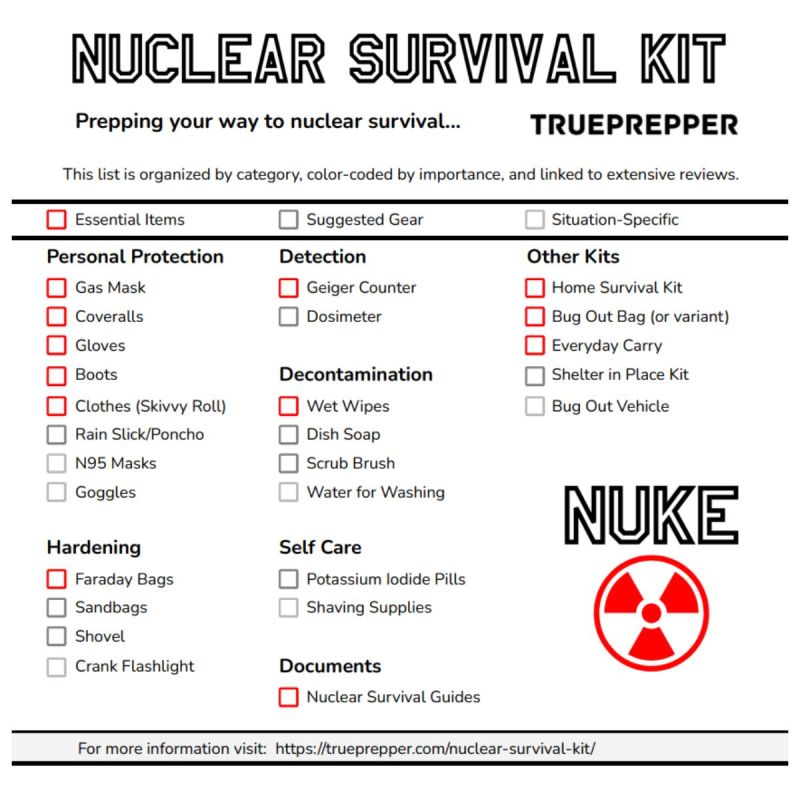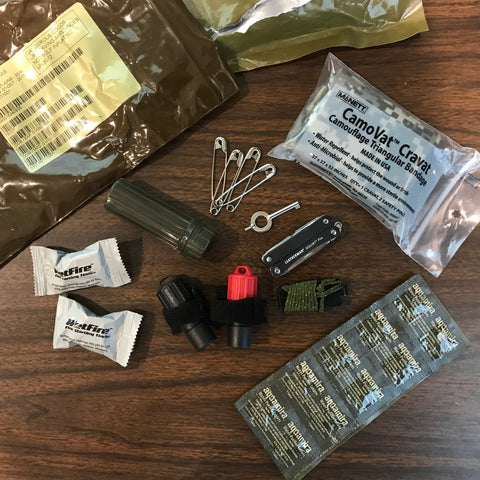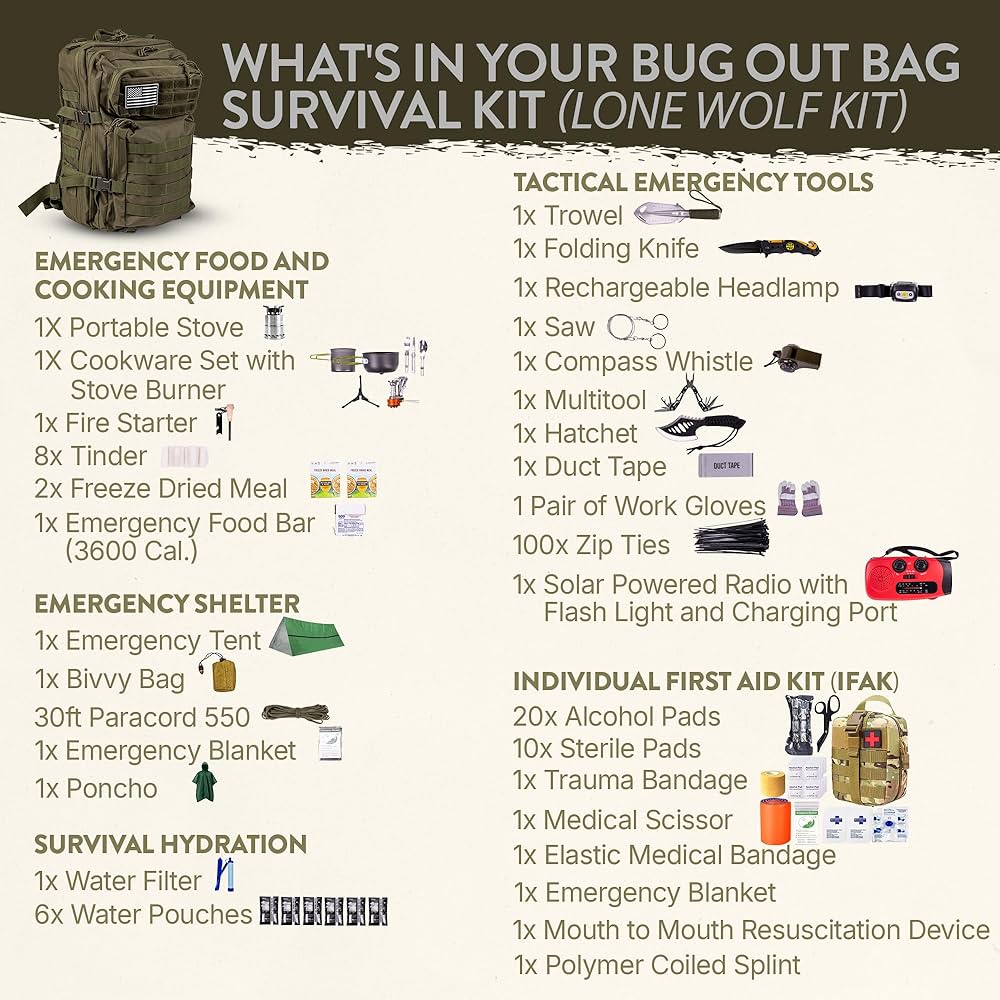
Imagine facing an unexpected situation where help is hours or even days away. What would you do?
Having a well-prepared survival kit can be the difference between staying safe and facing serious danger. But what exactly should you have in your survival kit to be truly ready? This guide breaks down the essential items you must include to protect yourself and your loved ones.
Keep reading, because knowing what to pack now could save your life later.

Credit: survivalschool.enduresurvivalkits.com
Basic Survival Tools
Basic survival tools form the heart of any survival kit. They are the items that help you solve immediate problems, stay safe, and maintain your well-being. Having the right tools can make the difference between feeling helpless and being prepared to handle unexpected situations.
Multi-tool And Knife
A multi-tool combines several functions in one compact device. You get pliers, screwdrivers, scissors, and often a small saw—all in your pocket. A sturdy knife is equally important; it can be used for cutting rope, preparing food, or even building shelter.
Consider your last outdoor trip. Did you struggle without a cutting tool? A sharp knife or a reliable multi-tool saves time and effort in critical moments.
Fire Starters
Fire is essential for warmth, cooking, and signaling for help. Carry multiple fire starters like waterproof matches, a lighter, and a ferrocerium rod. Each has its strengths in different weather conditions.
Think about the last time you tried starting a fire outdoors. Did damp wood or wind frustrate your efforts? Having varied fire starters ensures you can create fire no matter the environment.
Flashlight And Batteries
A good flashlight lights your path in darkness and can signal rescuers. Choose one that is compact but powerful. Always pack extra batteries to keep it running when you need it most.
Have you ever been caught in the dark without a light source? It’s a stressful experience that’s easily avoided with a reliable flashlight in your kit.
Water And Hydration
Water and hydration are the backbone of any survival kit. Without clean, accessible water, your chances of staying healthy and alert drop fast. Keeping yourself hydrated helps maintain energy and focus, especially in stressful situations.
Water Bottles And Containers
Choosing the right water containers can make a huge difference. Durable, reusable bottles are essential because they prevent leaks and can be refilled easily. Look for bottles made from BPA-free plastic or stainless steel—they are sturdy and safe for long-term use.
Collapsible water containers are a smart option when space is tight. They fold flat when empty but hold plenty of water when needed. Having multiple containers lets you carry extra water or collect rainwater without worry.
Water Purification Methods
Access to water is one thing; making it safe to drink is another. Carrying reliable purification tools protects you from harmful bacteria and parasites. Simple solutions like water purification tablets or drops are lightweight and easy to pack.
Portable water filters are highly effective, especially when you find muddy or questionable water sources. Some filters can remove viruses, bacteria, and protozoa, giving you peace of mind. Have you ever considered how long untreated water could harm you in an emergency?
- Boiling water is a foolproof method but requires fuel and time.
- UV light purifiers work quickly but need batteries or power.
- Combination of methods adds extra safety layers.
Choosing the right balance between convenience, weight, and effectiveness depends on your situation. How prepared are you to handle unexpected water challenges?
Food Supplies
Food supplies are a cornerstone of any survival kit. Without the right types of food, your energy and morale can quickly decline in a tough situation. You need items that last long, provide essential nutrients, and are easy to carry.
Non-perishable Foods
Non-perishable foods are your best friends in survival scenarios. They don’t spoil quickly, so you can store them for months or even years without worry. Think canned beans, dried rice, pasta, and powdered milk.
Including canned vegetables and fruits can also provide vital vitamins. Make sure to pack a manual can opener; it’s a small tool that makes a big difference. These foods are lightweight and easy to prepare, which is crucial when resources are limited.
High-energy Snacks
High-energy snacks give you quick boosts when you need them most. Items like nuts, trail mix, energy bars, and peanut butter are compact and calorie-dense. These snacks can keep your strength up during long hours of physical activity or stress.
I once relied on energy bars during a long hike when my main meal was delayed. They kept me alert and fueled without the need for cooking. Ask yourself: do you have enough snacks that can sustain you without refrigeration or preparation?
Shelter And Warmth
Shelter and warmth are vital in any survival situation. They protect from harsh weather and prevent hypothermia. Having the right tools helps maintain body heat and stay safe. A compact survival kit must include items that provide quick, reliable shelter and insulation.
Emergency Blankets
Emergency blankets are lightweight and easy to carry. They reflect body heat back to you, keeping warmth close. These blankets are waterproof and windproof, blocking cold air and moisture. They fold small but can cover a large area. Use them as a ground cover, wrap around your body, or create a simple tent.
Tents And Tarps
Tents offer solid protection from rain, wind, and insects. Choose small, durable tents for easy packing. Tarps are versatile and can be set up fast as shelter. Use ropes or cords to hang tarps between trees or poles. Both tents and tarps create a dry, sheltered space to rest and stay warm.
Clothing Layers
Layering clothing traps heat and controls body temperature. Start with a moisture-wicking base layer to keep skin dry. Add an insulating middle layer like fleece or wool. Top with a waterproof, windproof outer layer to block elements. Pack extra socks, hats, and gloves to protect extremities. Proper layering adapts to changing weather and activity levels.
First Aid Essentials
A survival kit must include first aid essentials to handle injuries and illnesses. These items can prevent infections and reduce pain. They also help treat minor wounds quickly before professional help arrives.
Keeping first aid supplies organized and accessible is key. Choose items that suit your specific needs and environment. Always check expiration dates and replace used or outdated materials.
Basic Medical Supplies
- Adhesive bandages of various sizes
- Sterile gauze pads for wound covering
- Medical tape to secure dressings
- Antiseptic wipes to clean wounds
- Scissors and tweezers for cutting and removing debris
- Elastic bandage for sprains or strains
- Disposable gloves to keep hands clean
- CPR face shield or mask
Medications
- Pain relievers like ibuprofen or acetaminophen
- Antihistamines for allergic reactions
- Antacids for stomach discomfort
- Anti-diarrheal medication
- Any prescribed medicines you need daily
- Burn cream or antibiotic ointment
Personal Hygiene Items
- Alcohol pads for sterilizing skin
- Hand sanitizer to reduce germs
- Small soap bars or wipes
- Tweezers for splinter removal
- Disposable face masks
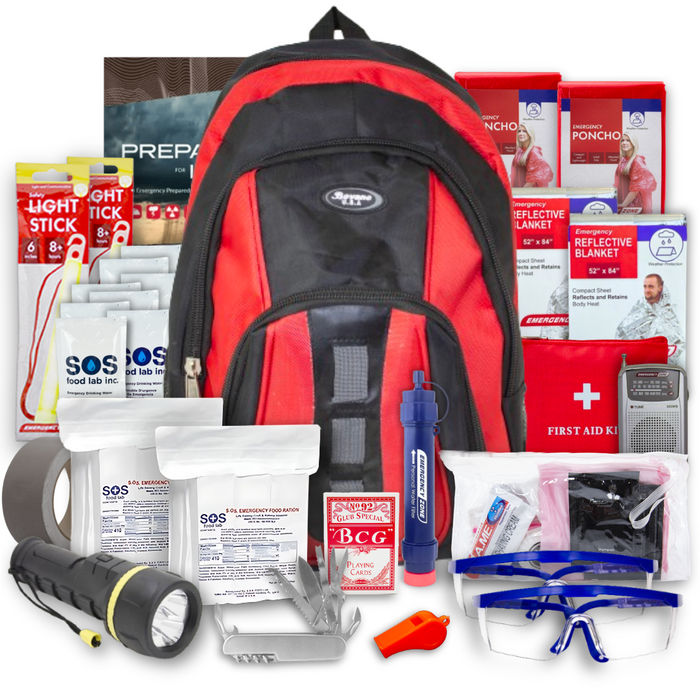
Credit: www.emergencyzone.com
Navigation And Communication
Navigation and communication tools are essential in any survival kit. They help you find your way and call for help. These tools improve your chances of staying safe and being rescued.
Compass And Maps
A compass guides you through unfamiliar areas. It points to magnetic north, helping you stay on course. Pair it with detailed maps of the area. Maps show terrain, roads, and landmarks. Together, they prevent getting lost and save time.
Whistle And Signal Mirrors
A whistle is a simple way to attract attention. It can be heard from far away and uses little energy. Signal mirrors reflect sunlight to send visual signals. They work well during daylight. Both are lightweight and easy to carry.
Emergency Radio
An emergency radio keeps you informed during disasters. It receives news, weather updates, and alerts. Some radios have a hand crank or solar power, so batteries are not necessary. Staying updated helps you make better decisions in emergencies.
Personal Documents And Cash
Personal documents and cash are essential items in any survival kit. They help prove your identity and provide access to funds during emergencies. Keeping these items safe and accessible can save time and reduce stress.
Important Ids
Carry copies of key identification documents. These include:
- Driver’s license or state ID
- Passport or travel documents
- Birth certificate
- Social Security card
- Medical insurance card
Store these in a waterproof pouch to keep them safe and dry. Digital backups on a secure device help as well.
Emergency Contact Info
List important phone numbers and addresses. Include family, friends, and local emergency services. Write them down on paper as phones may run out of power or get lost. Keep a small notepad or card in your kit for this purpose.
Cash And Credit Cards
Cash is vital when ATMs or card readers fail. Carry small bills in different denominations. Keep some coins for payphones or vending machines. Include at least one credit or debit card. Store these separately from your documents to avoid loss or theft.

Credit: www.servpro.com
Additional Survival Gear
Adding extra gear to your survival kit can make a huge difference when you’re out in the wild or facing an emergency. These items might seem small or simple, but they can solve unexpected problems fast. Let’s look at some additional survival gear that could save your day.
Duct Tape And Cordage
Duct tape is a lifesaver for quick fixes. You can patch holes in tents, secure splints, or even make a makeshift bandage. It sticks to almost anything and is lightweight enough to carry everywhere.
Cordage, like paracord, is equally important. You can use it to build shelters, create traps, or tie gear together. I once used cordage to hang my food away from animals, which kept me safe overnight.
Insect Repellent
Insects can quickly turn a survival situation into a nightmare. Carrying a reliable insect repellent helps you avoid bites and the risk of diseases. Look for repellents that protect against mosquitoes and ticks, especially if you’re in wooded or marshy areas.
Don’t just spray and forget—apply it regularly and cover all exposed skin. Have you ever been stuck swatting bugs while trying to sleep or cook? A good repellent makes your time outside much more bearable.
Sun Protection
The sun can be as dangerous as any other threat in the wild. Sunscreen is a must-have to prevent painful sunburn and skin damage. Choose a broad-spectrum sunscreen with at least SPF 30 and reapply often, especially if you’re sweating or swimming.
Don’t forget a wide-brimmed hat and sunglasses. They shield your face and eyes, reducing the risk of heatstroke and eye strain. Have you ever underestimated the sun’s power and ended up with a blistering burn? Protecting yourself upfront saves discomfort and serious health issues later.
Frequently Asked Questions
What Are The Essential Items In A Survival Kit?
A survival kit should include water, non-perishable food, first aid supplies, a flashlight, and a multi-tool. These items help you stay hydrated, nourished, and safe in emergencies. Always tailor your kit to your environment and personal needs for best results.
How Much Water Should A Survival Kit Have?
Your survival kit should contain at least one gallon of water per person per day. This amount covers drinking and basic hygiene. For longer emergencies, pack water purification tablets or filters to ensure a reliable water source.
Why Include A First Aid Kit In Your Survival Kit?
A first aid kit is vital for treating injuries and preventing infections. It should contain bandages, antiseptic wipes, pain relievers, and any personal medications. Quick treatment can reduce complications and improve survival chances in emergencies.
What Type Of Food Is Best For A Survival Kit?
Choose non-perishable, high-energy foods like energy bars, nuts, dried fruits, and canned goods. These foods have a long shelf life and provide essential nutrients to keep your energy up during tough situations.
Conclusion
A good survival kit keeps you ready for emergencies. Choose items that help with food, water, and shelter. Tools like knives and flashlights make tasks easier. First aid supplies can save lives in tough times. Keep your kit light but complete.
Check and update your kit often. Being prepared gives you peace of mind. Small steps today protect you tomorrow. Stay safe and ready for anything.