When you think about survival tools, the knife you choose can make all the difference. You want something reliable, strong, and versatile.
That’s where Bowie knives come into the picture. But are Bowie knives really good for survival? If you’ve ever wondered whether this classic blade lives up to the hype, you’re in the right place. This article will help you understand what makes Bowie knives stand out and if they fit your survival needs perfectly.
Keep reading to find out if this iconic knife should be in your gear.
Credit: www.outdoorlife.com
History Of Bowie Knives
The Bowie knife holds a legendary place in survival and outdoor history. This knife is more than a tool; it is a symbol of rugged durability and American frontier spirit. Its story dates back to the early 19th century, blending craftsmanship with practical design. Understanding the history of Bowie knives helps explain why many still trust them for survival situations.
Origins And Evolution
The Bowie knife first appeared in the early 1800s. It gained fame through Jim Bowie, a frontiersman and fighter. The original design was made for combat and utility. Early Bowie knives had large, heavy blades with a sharp point. They were perfect for hunting, fighting, and survival tasks. Over time, the design changed to fit different needs. Makers added features that improved balance and grip. The knife became popular among soldiers, hunters, and explorers. Its evolution reflects changing tools and challenges on the frontier.
Key Features Over Time
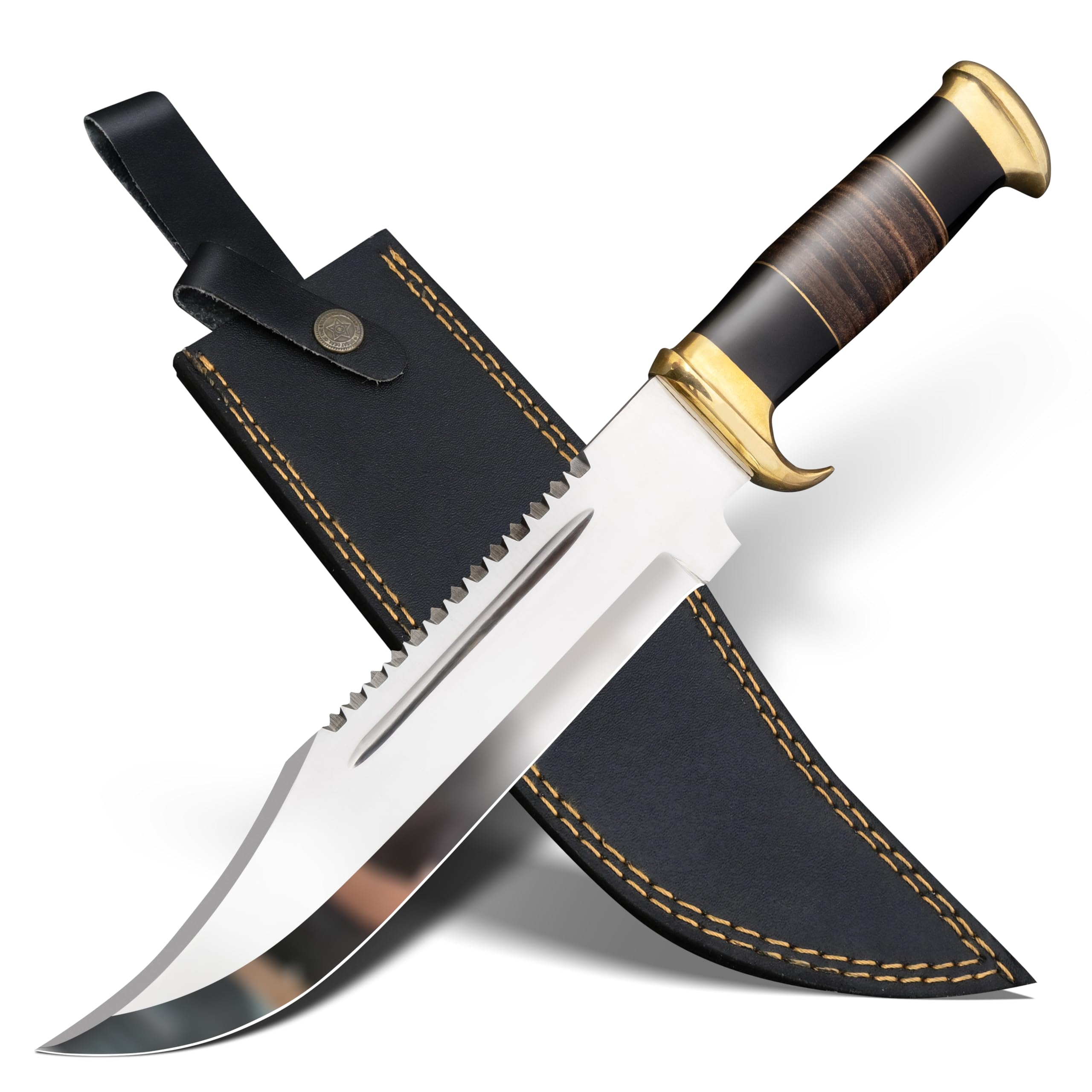
The Bowie knife is known for several key features:
- Long, wide blade with a sharp point
- Clip point design for better piercing
- Strong, thick spine for durability
- Crossguard to protect the hand
- Comfortable handle for firm grip
These features made the Bowie knife versatile and reliable. Builders used different materials for blades and handles. Steel quality improved, increasing sharpness and toughness. The handle materials evolved from wood to bone and synthetic options. Each change aimed to make the knife better for survival tasks. The Bowie knife remains a trusted choice for those needing a strong, reliable blade.
Design And Build Quality
The design and build quality of Bowie knives play a crucial role in their effectiveness for survival situations. These knives have a distinctive look and construction that can handle tough tasks outdoors. Understanding the details of their design helps you choose the right Bowie knife that won’t let you down when it matters most.
Blade Material And Sharpness
The blade material defines how well a Bowie knife holds its edge and resists damage. High-carbon steel blades are common because they stay sharp longer and are easier to sharpen in the field. Stainless steel offers corrosion resistance but may need more frequent sharpening.
Sharpness isn’t just about how the knife feels out of the box. A sharp Bowie blade cuts cleanly through wood, rope, and even meat with less effort, which can save your energy during survival tasks. Have you ever struggled with a dull blade in a critical moment? That’s why blade quality matters.
Handle Construction
Handles come in many materials, including wood, micarta, and synthetic composites. A good handle offers a strong grip even when your hands are wet or muddy. I’ve used Bowie knives with smooth wooden handles that felt slippery during rain, which slowed me down.
Look for textured or contoured handles that fit your hand well. Comfort during extended use reduces fatigue and helps you maintain control. What kind of handle feels best to you when chopping or slicing?
Weight And Balance
Weight affects how easily you can carry and use the knife throughout the day. A Bowie knife that is too heavy can tire your arm quickly, while one that’s too light might feel flimsy. The balance point should be near the handle to give you better control for precise cuts.
I once carried a heavy Bowie knife on a long hike and found it awkward to use for delicate tasks like skinning. Choosing a knife with the right balance for your survival needs makes all the difference. How do you prefer your knife to feel in your hand during tough outdoor work?
Survival Functions
Bowie knives offer strong survival functions like cutting, chopping, and self-defense. Their sturdy build suits outdoor tasks and emergency situations well.
Survival knives play a crucial role in the wilderness. A Bowie knife stands out among them. Its design and features make it ideal for survival situations. It helps with various tasks needed in the wild. Let’s explore the survival functions of a Bowie knife.Cutting And Slicing Efficiency
Bowie knives have a sharp blade with a fine edge. This ensures efficient cutting and slicing. The blade’s length provides leverage for smoother cuts. It can slice through ropes, branches, and food with ease. Its sharpness is maintained with regular sharpening.Durability In Harsh Conditions
Bowie knives are made from high-quality steel. This makes them resistant to rust and corrosion. The knife can withstand extreme weather and tough environments. Its robust construction prevents breakage. Even in challenging conditions, it remains reliable.Versatility For Various Tasks
A Bowie knife serves multiple purposes. It is useful for hunting, preparing food, and building shelters. Its broad blade helps in skinning game. The pointed tip assists in detailed tasks. This versatility makes it a vital survival tool.
Credit: www.amazon.com
Comparing Bowie Knives To Other Survival Knives
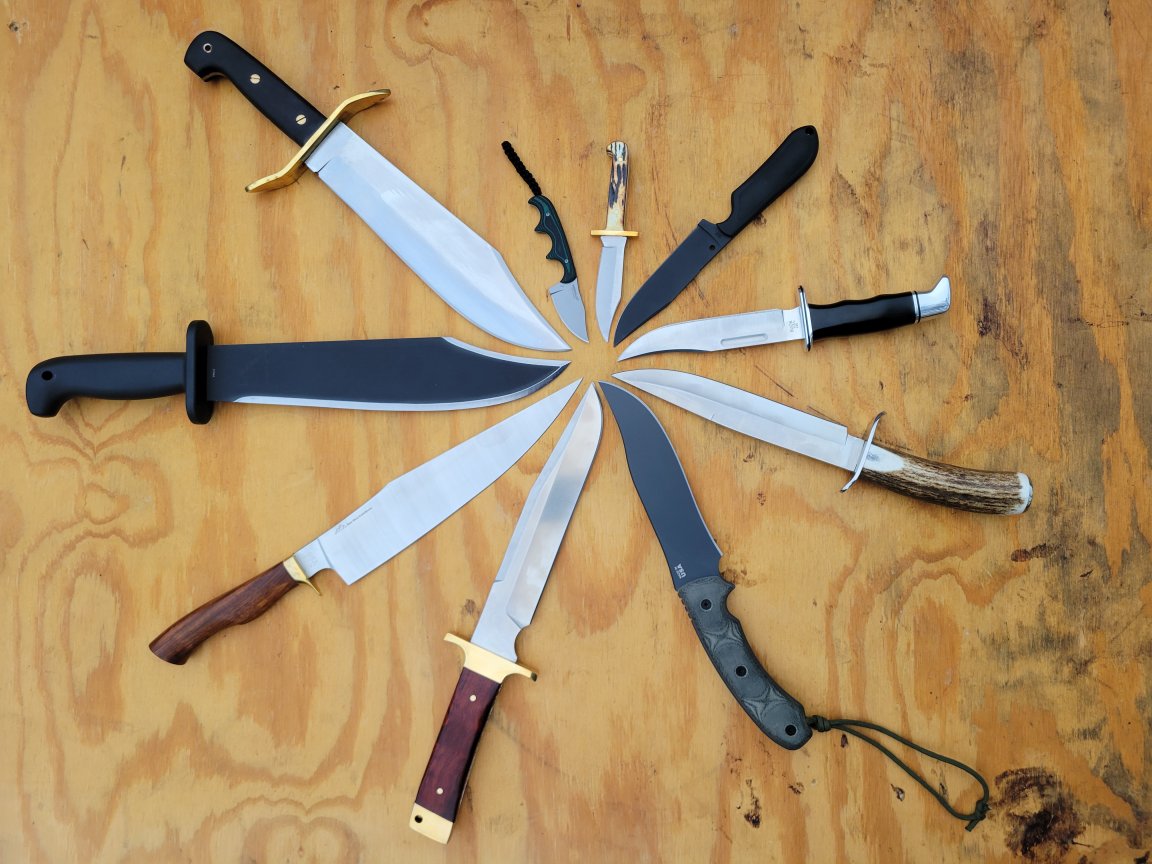
Comparing Bowie knives to other survival knives highlights key differences. Each knife type offers unique benefits for outdoor and survival tasks. Understanding these differences helps choose the right knife for your needs.
Strengths Over Alternatives
- Large, heavy blade excels at chopping and batoning wood.
- Clip point design provides sharp, precise piercing ability.
- Thick spine adds durability and strength for tough tasks.
- Long blade length offers extended reach and versatility.
- Traditional design suits both combat and survival uses.
Limitations And Drawbacks
- Heavier weight can cause fatigue during long use.
- Less compact than modern survival knives for easy carry.
- Blade shape may be less effective for fine cutting jobs.
- Requires regular maintenance to prevent rust and wear.
- Not ideal for delicate tasks like skinning small game.
Real-world Survival Tests
Real-world survival tests reveal how Bowie knives perform beyond theory and marketing claims. These tests put the blade through practical challenges you might face outdoors. Understanding these results helps you decide if a Bowie knife fits your survival needs.
Field Performance Reviews
Many survival experts praise Bowie knives for their strong, versatile blades. The thick spine allows for heavy-duty tasks like chopping wood or batoning. However, some users note the large blade can be cumbersome for delicate tasks such as skinning or carving.
A common highlight is the knife’s balance between length and weight. It often delivers powerful cuts without tiring your hand quickly. But ask yourself: does this balance suit your typical survival environment?
Durability is another key point. Bowie knives often use high-carbon steel, which holds an edge well but may require regular maintenance to avoid rust. If you’re planning extended trips, consider how much upkeep you’re willing to handle.
User Experiences And Feedback
Feedback from everyday users shows a mix of admiration and practical advice. One hiker shared how their Bowie knife easily cleared dense underbrush, saving hours of effort. Another camper mentioned the knife’s guard helped prevent hand slips during wet conditions, adding an extra safety layer.
Some users warn about the knife’s weight when carried all day, especially if you prefer lightweight gear. They suggest pairing it with a smaller fixed blade for precision tasks. Does your survival kit need a single all-rounder, or a combination of specialized tools?
Users also emphasize the importance of sheath quality. A sturdy, well-fitted sheath keeps the knife accessible and protects both you and the blade. Think about how you’ll carry your knife and what features matter most for your adventures.
Maintenance And Longevity
Proper maintenance keeps Bowie knives sharp and reliable for survival tasks. Longevity depends on regular care and smart storage. Neglecting these can cause rust, dullness, and damage. Simple habits extend the knife’s life and performance in the wild.
Sharpening Tips
Use a sharpening stone or ceramic rod to maintain the edge. Hold the blade at a 20-degree angle. Move the blade smoothly across the stone in one direction. Repeat on both sides to keep the edge balanced. Avoid electric sharpeners; they can remove too much metal. Check the sharpness by gently slicing paper or shaving hair.
Rust Prevention
Wipe the blade dry after every use. Apply a thin layer of oil to the blade surface. Use mineral oil or specialized knife oil for best results. Keep the blade clean from dirt and moisture. Avoid leaving the knife in wet or humid places. Rust weakens the blade and shortens its lifespan.
Storage Recommendations
Store Bowie knives in a dry, cool place. Use a sheath made from leather or synthetic material. Avoid storing the knife in a damp sheath for long periods. Consider using silica gel packs nearby to absorb moisture. Keep the knife away from direct sunlight and heat sources. Proper storage prevents damage and preserves sharpness.
Choosing The Right Bowie Knife
Choosing the right Bowie knife can make all the difference in a survival situation. The perfect knife should feel like an extension of your hand, balancing reliability and ease of use. Think about what you’ll need most—whether it’s chopping wood, preparing food, or self-defense—and let that guide your choice.
Size And Weight Considerations
Your Bowie knife’s size and weight impact how comfortable it is to carry and use. A heavier knife can handle tough tasks but may tire you quickly. Lighter knives are easier to carry but might not be as durable for heavy-duty work.
Try holding different sizes before buying. Would you prefer a blade around 9 to 12 inches for versatility? Or something smaller for precision? Remember, your knife should suit your strength and the environment you’ll be in.
Budget And Quality Balance
Don’t let price alone decide your Bowie knife. A cheap knife might fail when you need it most, while an expensive one doesn’t always guarantee top quality. Look for solid materials like high-carbon steel and a well-constructed handle.
You can find reliable Bowie knives in a moderate price range if you research carefully. Prioritize features like corrosion resistance and a comfortable grip over flashy designs. Ask yourself: is the knife worth investing in for long-term survival use?
Brand Recommendations
Some brands consistently deliver Bowie knives that blend durability, design, and value. Brands like Buck, Cold Steel, and Ka-Bar have earned respect in survival communities for good reasons.
- Buck Knives:Known for their strong blades and ergonomic handles.
- Cold Steel:Offers tough, heavy-duty options perfect for survival tasks.
- Ka-Bar:Famous for military-grade quality and reliable performance.
Have you tried any of these brands? Sharing your experience can help others pick the right Bowie knife too.

Credit: www.amazon.com
Frequently Asked Questions
Are Bowie Knives Durable For Survival Use?
Bowie knives are highly durable due to their thick blade and strong steel. They withstand heavy tasks like chopping and cutting in survival situations.
What Makes Bowie Knives Good For Survival?
Their large, sharp blade and versatile design make Bowie knives excellent for hunting, shelter building, and self-defense in the wild.
Can Bowie Knives Handle All Survival Tasks?
While great for many tasks, Bowie knives are less suited for fine work. Pairing with a smaller knife is ideal for survival.
Are Bowie Knives Easy To Carry In The Wild?
Bowie knives are moderately sized and often come with sheaths. They are fairly easy to carry but may be bulkier than smaller knives.
Conclusion
Bowie knives offer strength and versatility for survival tasks. Their sharp, sturdy blades handle cutting, chopping, and skinning well. Easy to carry and use, they suit many outdoor needs. Durability matters most in tough situations, and Bowie knives deliver. Choosing the right knife depends on your survival plan and comfort.
Trust a Bowie knife to stay reliable when you need it. Simple, strong, and practical—good qualities for any survival tool.