Have you ever wondered if your 60-pound Labrador can handle freezing 25-degree weather? As a dog owner, you want to keep your furry friend safe and comfortable, especially when temperatures drop.
But how cold is too cold for a Lab? You’ll discover the signs to watch for, what risks your dog might face, and simple ways to protect your pet during chilly days. Keep reading to make sure your Lab stays happy and healthy no matter how low the temperature goes.
Lab’s Cold Tolerance
Labs are known for their friendly nature and adaptability. Their tolerance to cold depends on several physical and health factors. Understanding these helps determine if a 60-pound Lab can handle 25-degree weather safely.
Breed Characteristics
Labrador Retrievers have a double coat designed for water and cold. The outer coat repels water and dirt. The undercoat provides insulation against cold temperatures. Labs were bred for fishing and hunting in chilly climates. This background gives them some natural cold resistance.
Body Fat And Fur Density
Body fat acts as insulation, helping retain body heat. A healthy Lab usually has enough fat to keep warm. Fur density varies by individual and season. During winter, Labs grow thicker undercoats. This extra fur layer boosts their ability to handle cold weather.
Health Factors
Health plays a big role in cold tolerance. Older or sick Labs may struggle in low temperatures. Joint problems or thin coats increase cold sensitivity. Labs with a healthy diet and exercise adapt better. Monitoring your dog’s behavior in cold is crucial for safety.

Credit: www.reddit.com
Signs Of Cold Stress
Recognizing the signs of cold stress in your 60-pound Lab is crucial, especially when temperatures dip to 25 degrees. Dogs may not always show obvious discomfort, so paying close attention to subtle cues can make all the difference. Catching these signs early helps prevent serious health issues and keeps your furry friend safe and comfortable.
Behavioral Changes
Your Lab might start acting differently when feeling cold stress. You may notice them shivering or trembling even indoors. They could try to curl up tightly or seek out warm spots like near heaters or under blankets.
Some dogs become unusually quiet or lethargic, while others might pace nervously or whine. If your Lab suddenly refuses to play or go outside, this could be a red flag. Are you noticing your dog avoiding activities they usually enjoy? This change in behavior is a sign to check their temperature and environment.
Physical Symptoms
Cold stress often shows up through clear physical signs. Watch for pale or blue-tinged gums and lips, which indicate poor circulation. Your dog’s skin might feel cold and dry to the touch, especially around the ears, tail, and paws.
Look for stiffness or difficulty moving, as cold muscles and joints can cause discomfort. Prolonged exposure may lead to frostbite, noticeable by hard, discolored patches on the skin. If you spot any swelling or blisters, act immediately to warm your dog safely.
When To Seek Help
If your Lab displays intense shivering that won’t stop or seems disoriented, it’s time to get professional help. Difficulty breathing, vomiting, or collapse are emergency signs. Never wait to see if symptoms improve on their own.
Contact your vet right away if you suspect hypothermia. Meanwhile, gently warm your dog with blankets and move them to a warmer environment. How prepared are you for sudden cold weather changes? Having a plan can save your dog’s life.
Preparing For Cold Weather
Preparing a 60-pound Lab for cold weather is important for its health. Dogs can feel cold just like people. Labs have thick fur but may still need extra care. Proper preparation helps them stay safe and comfortable in 25-degree weather.
Many factors affect how well a Lab handles cold. Age, health, and activity level matter. Providing the right shelter, clothing, and heating keeps your dog warm. These steps reduce risks of hypothermia and frostbite.
Appropriate Shelter Options
A warm, dry shelter protects your Lab from wind and snow. Use insulated dog houses that block cold air. Place shelters off the ground to avoid dampness. Add soft bedding like straw or blankets for extra warmth.
- Choose a dog house with a door flap to keep out drafts.
- Locate shelter in a sunny, sheltered spot.
- Check regularly for moisture inside the shelter.
Warm Clothing For Labs
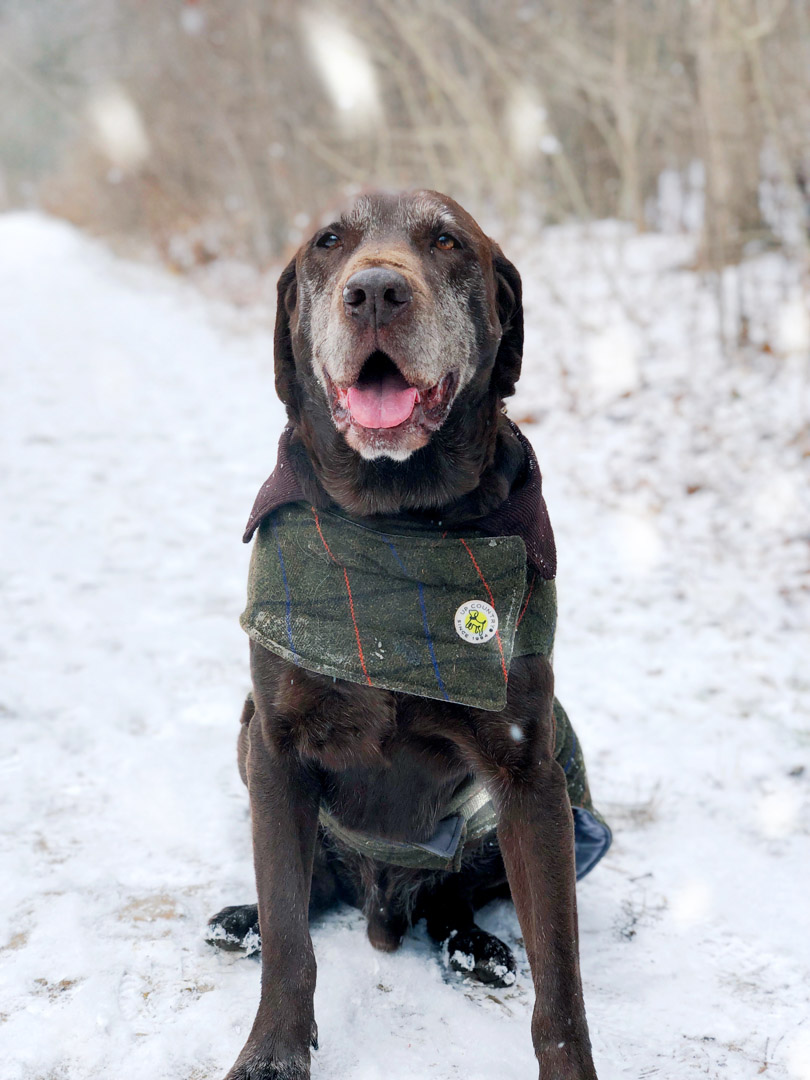
Some Labs benefit from wearing dog coats or sweaters. Clothes help keep body heat during outdoor time. Pick coats that fit well and cover the chest and back. Avoid clothes that restrict movement or cause overheating.
- Use waterproof materials for snowy or wet conditions.
- Check for signs of discomfort or chafing.
- Remove clothing indoors to prevent overheating.
Safe Heating Methods
Heating pads or heated beds provide extra warmth safely. Use devices made for pets with automatic shut-off features. Avoid open flames or electric heaters that pose fire risks. Always supervise your Lab around heating equipment.
- Place heating pads under bedding, not directly on skin.
- Use heated water bottles wrapped in towels for short periods.
- Ensure cords are out of reach to prevent chewing.

Credit: www.reddit.com
Outdoor Activity Tips
Taking your 60-pound Lab outside in 25-degree weather requires more than just opening the door. Cold temperatures can affect your dog’s health and comfort, so planning your outdoor activities carefully is essential. Here are some practical tips to keep your Lab safe and happy while enjoying the winter chill.
Ideal Walk Duration
Shorter, more frequent walks work best in cold weather. Aim for 15 to 20 minutes at a time, depending on your Lab’s energy and tolerance. Watch for signs of discomfort like shivering or lifting paws off the ground—these mean it’s time to head back inside.
Think about how your dog behaves during the walk. If they seem eager and energetic, you might extend the time slightly. However, always prioritize their safety over your plans.
Protecting Paws From Ice And Snow
Your Lab’s paws can get cracked, sore, or irritated by ice and salt. Consider using dog booties to provide a barrier against harsh surfaces. If booties aren’t an option, apply a paw balm before and after walks to keep pads moisturized.
- Check paws for ice balls between toes regularly.
- Wipe paws thoroughly after walks to remove salt and chemicals.
- Trim hair between paw pads to reduce ice buildup.
Avoiding Hypothermia
Hypothermia is a real risk in cold weather, even for larger dogs like Labs. Keep an eye on your dog’s behavior—sluggishness, shivering, and weakness are warning signs. If you notice these, bring your Lab inside immediately and warm them gradually with blankets.
Providing a warm, dry shelter with cozy bedding is crucial if your dog spends time outdoors. Ask yourself, does your Lab have a warm spot to retreat to? If not, limit outdoor time and use protective clothing like dog sweaters or jackets.
Nutrition And Hydration
Keeping your 60-pound Lab healthy in 25-degree weather requires extra attention to nutrition and hydration. Cold temperatures make your dog’s body work harder to stay warm, which means their food and water needs change. Paying close attention to what and how much your Lab eats and drinks can make a big difference in their comfort and energy levels.
Diet Adjustments For Cold
When the temperature drops, your Lab burns more calories to maintain body heat. You might notice your dog getting hungrier or finishing meals faster. Increasing their food intake with high-quality, protein-rich meals supports their energy needs.
Adding healthy fats like fish oil or flaxseed oil can also help keep their coat shiny and provide extra calories. Avoid feeding too many treats or human food, as these can cause digestive issues during colder months.
- Increase daily portion size by 10-20% based on activity level
- Choose foods rich in omega-3 and omega-6 fatty acids
- Include warm, comforting meals like stews or broths occasionally
Water Intake Importance
Cold weather often makes dogs drink less water, but staying hydrated is just as important in winter. Your Lab’s body loses moisture through breathing and activity, even if they don’t seem thirsty.
Always provide fresh, unfrozen water and check their water bowl several times a day. If your dog isn’t drinking enough, try warming the water slightly or adding a splash of low-sodium broth to encourage drinking.
- Monitor water consumption daily to spot any changes
- Keep water bowls indoors or in sheltered areas to prevent freezing
- Offer water before and after outdoor playtime for better hydration
Have you noticed your Lab’s eating or drinking habits change in cold weather? Adjusting their diet and hydration can help them stay strong and happy through chilly days.

Credit: www.reddit.com
When To Keep Labs Indoors
Knowing when to keep your Labrador indoors is important for their safety and comfort. Labs are active dogs, but cold weather can be dangerous. Watching the temperature and your dog’s condition helps decide the best place for them. Some signs mean it is better to bring them inside.
Extreme Weather Conditions
Very cold weather, like 25 degrees Fahrenheit or below, can harm a Lab. Wind and wet snow make the cold feel worse. If the weather is icy or stormy, keep your Lab inside. Their fur protects some, but not all, from cold. Long exposure can cause frostbite or hypothermia.
- Strong wind chills increase cold dangers.
- Wet fur lowers body temperature fast.
- Storms can stress and scare your dog.
Limit outdoor time during extreme weather to short bathroom breaks. Always dry your Lab well after being outside.
Age And Health Considerations
Young puppies and older Labs need more care in cold weather. Puppies have less body fat and weaker immune systems. Older dogs may have arthritis or illnesses that cold worsens. Dogs with health issues like heart or lung problems also struggle in cold.
- Puppies should stay indoors most of the time.
- Older Labs may need blankets and warmth inside.
- Sick dogs should avoid cold and drafts.
Watch for signs of discomfort: shivering, slow movements, or whining. Indoor warmth supports their health and happiness.
Frequently Asked Questions
Can Labradors Tolerate Cold Weather?
Labradors have a double coat that provides some insulation against the cold. However, in 25-degree weather, precautions are necessary. Ensure your Lab is active to maintain body heat and provide a warm place to rest. Consider using a doggy sweater for added warmth.
How Long Can A Lab Stay Outside In The Cold?
A Lab can stay outside for short periods in 25-degree weather. Limit outdoor time to 10-15 minutes. Monitor your dog for signs of discomfort, such as shivering. Provide a warm shelter and consider indoor activities for prolonged cold spells.
Do Labradors Need Sweaters In Winter?
Yes, Labradors can benefit from sweaters in harsh winter conditions. A sweater helps maintain body warmth in cold weather. Ensure the sweater fits well and allows freedom of movement. It’s especially useful for older dogs or those with health issues.
What Are Signs Of A Cold Lab?
Signs of a cold Lab include shivering, whining, and reluctance to move. They may also curl up tightly. Check for cold ears and paws. If your Lab exhibits these signs, bring them inside immediately. Warm them gradually using blankets or warm water bottles.
Conclusion
A 60-pound Lab can handle 25-degree weather with care. Provide shelter, warmth, and dry conditions. Watch for signs of cold stress or discomfort. Limit outdoor time during extreme cold to keep your dog safe. Use blankets or coats for extra warmth when needed.
Always ensure fresh water is available and not frozen. Taking these steps helps your Lab stay healthy and happy in cold weather. Remember, your dog’s comfort depends on your attention and care.