Have you ever wondered if your cat can handle the heat when left outside on a hot day? You want the best for your furry friend, but hot weather can be dangerous for cats.
Knowing how heat affects them and what signs to watch for can make all the difference. Keep reading to discover what you need to know to keep your cat safe and comfortable when the temperature rises.
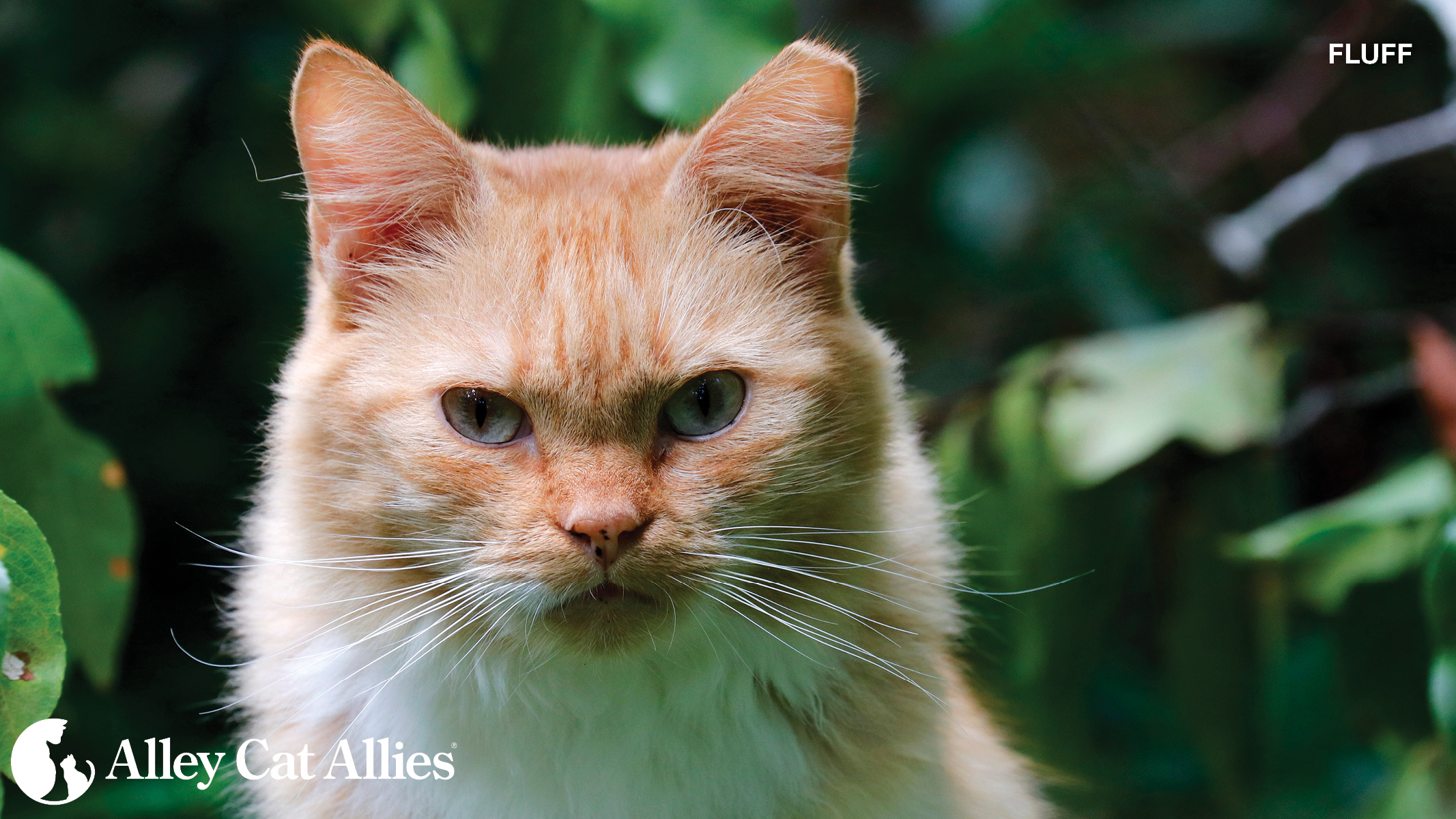
Credit: www.alleycat.org
Risks Of Hot Weather For Cats
Cats face many risks in hot weather that can affect their health and well-being. High temperatures can cause serious problems quickly. Outdoor cats are more exposed to these dangers. Understanding these risks helps protect cats during warm days.
Heatstroke And Dehydration
Heatstroke is a life-threatening condition for cats. It happens when their body temperature rises too high. Cats do not sweat like humans, so they struggle to cool down. Dehydration happens when cats lose too much water. This can cause weakness, confusion, and even organ failure. Signs include heavy panting, drooling, and lethargy.
Sunburn And Skin Damage
Cats with light-colored fur or thin coats are more prone to sunburn. Their skin can become red, irritated, and painful. Prolonged sun exposure may lead to skin cancer. Areas like ears, nose, and belly are most vulnerable. Protecting these spots is essential for outdoor cats.
Behavioral Changes In Heat
Hot weather changes how cats act. They may become less active and hide in cool, shaded spots. Cats might drink more water or show signs of distress. Some cats may refuse to eat or move much. These behaviors signal heat stress and need attention.
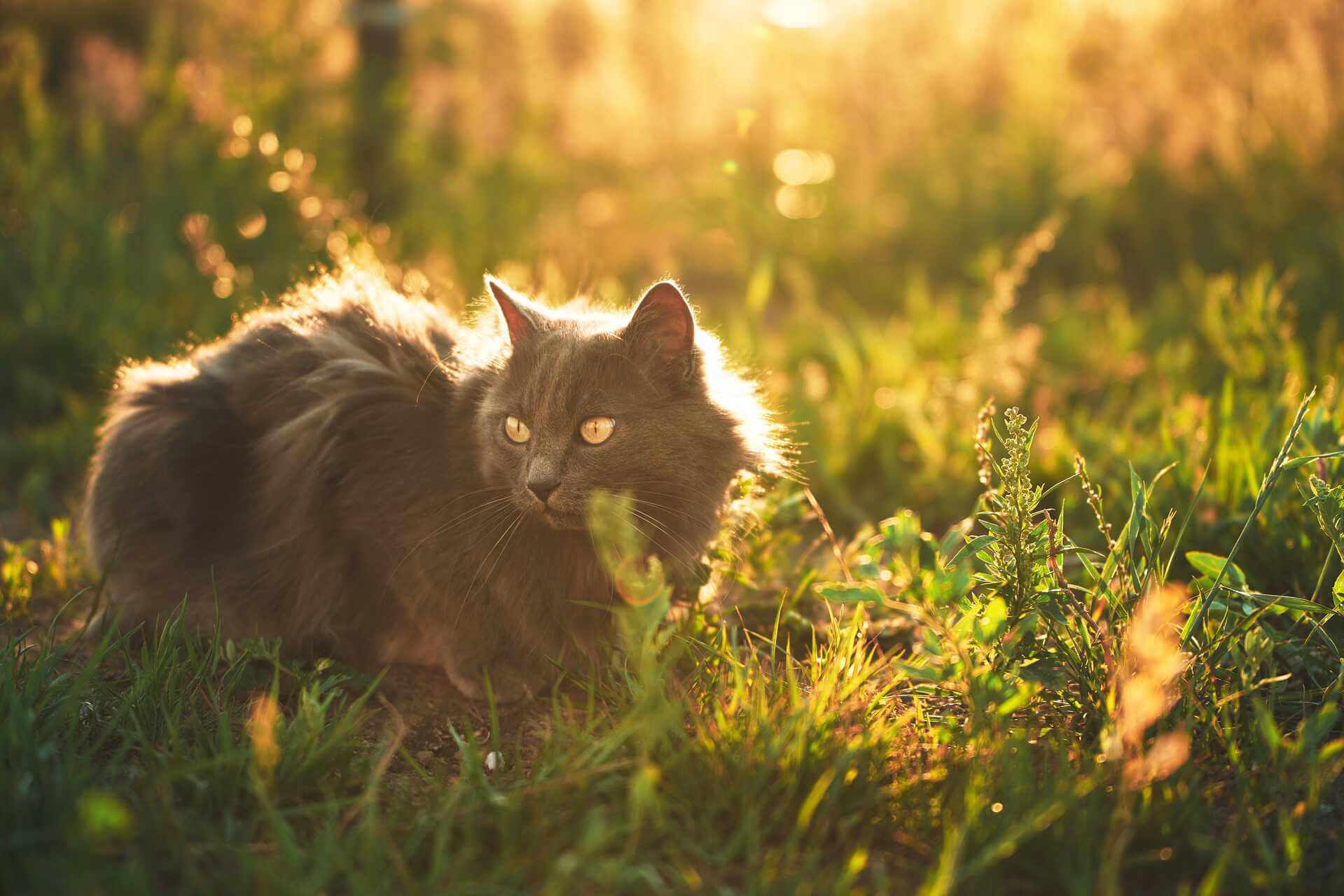
Credit: tractive.com
Signs Of Heat Stress In Cats
Cats can suffer from heat stress just like humans. It is important to notice early signs to protect them. Heat stress can quickly become dangerous. Knowing what to watch for helps keep cats safe in hot weather.
Physical Symptoms To Watch
- Heavy panting or rapid breathing
- Excessive drooling or dry mouth
- Red or pale gums
- Weakness or unsteady walking
- Increased heart rate
- Vomiting or diarrhea
- Unconsciousness or collapse in severe cases
These physical signs often show quickly. Check your cat regularly during hot days.
Changes In Appetite And Activity
Heat stress can make cats eat less or stop eating. They may also avoid moving or playing. Cats might hide in cool, shady spots. Watch for unusual tiredness or restlessness. These changes indicate discomfort and heat strain.
Safe Outdoor Environment Setup
Creating a safe outdoor environment for cats during hot weather is essential. Cats can suffer from heat stress and dehydration. Setting up a comfortable space helps them stay cool and healthy. Simple changes can make a big difference in their outdoor safety.
Providing Shade And Shelter
Shade protects cats from direct sunlight. Use trees, umbrellas, or outdoor cat shelters. A small tent or covered area works well. Shelters block wind and offer a cool resting spot. Avoid metal or plastic surfaces that heat up quickly. Soft bedding inside shelters adds comfort.
Access To Fresh Water
Cats need constant access to clean water. Place water bowls in shaded areas to keep water cool. Use heavy bowls that won’t tip over easily. Change water at least twice a day. Consider a pet water fountain to encourage drinking. Hydration prevents heatstroke and keeps cats alert.
Cooling Surfaces And Ventilation
Cool surfaces help cats lower their body temperature. Use tile, stone, or concrete in shaded spots. Avoid hot pavement or asphalt. Good airflow is vital to reduce heat buildup. Place fans or create cross-ventilation with open windows or screens. Proper ventilation keeps the air fresh and cool.
Hydration Tips For Hot Weather
Keeping your cat well-hydrated during hot weather is crucial for their health and comfort. Cats often don’t drink enough water on their own, especially when it’s warm outside. Here are practical tips to help increase your cat’s water intake and keep them refreshed.
Encouraging Water Intake
Try placing multiple water bowls around your home in quiet, accessible spots. Cats can be picky about where they drink, so variety helps. Using a pet water fountain can also attract your cat, as many prefer running water over still bowls.
Changing the water frequently keeps it fresh and appealing. Some cats like chilled water, so adding ice cubes can make drinking more enticing. Have you noticed your cat ignoring water until it’s fresh or cooler? This small change can make a big difference.
Using Wet Food And Ice Cubes
Feeding wet food is an excellent way to boost your cat’s hydration because it contains high moisture content. Mixing wet food with a little extra water can increase fluid intake without your cat noticing. This is especially helpful if your cat is reluctant to drink water alone.
Adding ice cubes to your cat’s water or wet food can provide a refreshing treat on hot days. Some cats enjoy playing with ice cubes, which encourages interaction and hydration at the same time. Have you tried giving your cat ice cubes to see if it sparks their interest?
Adjusting Outdoor Time
Adjusting outdoor time is key to keeping cats safe in hot weather. Cats can get very hot quickly. Their fur and small body size make them vulnerable to heat. Careful timing helps avoid heat stress or worse. Setting clear limits on when cats go outside keeps them cooler. It also reduces risks like dehydration and sunburn. Knowing the best hours for outdoor activity protects your feline friend.
Best Times For Outdoor Activity
Early mornings and late evenings are the safest times for cats outside. Temperatures are cooler, and the sun is less strong. These hours lower the chance of heat exhaustion. The air feels fresher and more comfortable for cats to explore. Shade is more available and temperatures are less extreme. Let your cat enjoy outdoor time in these gentle periods. Avoid midday when the sun is at its peak.
Limiting Exposure During Peak Heat
Peak heat lasts roughly from 10 a.m. to 4 p.m. It is best to keep cats indoors during these hours. High temperatures can quickly cause overheating. Cats may pant or breathe fast if too hot. Provide plenty of water inside. Create cool resting spots away from direct sunlight. If cats must be outside briefly, keep the time short. Always watch for signs of distress or heatstroke. Acting fast can save your cat’s life.
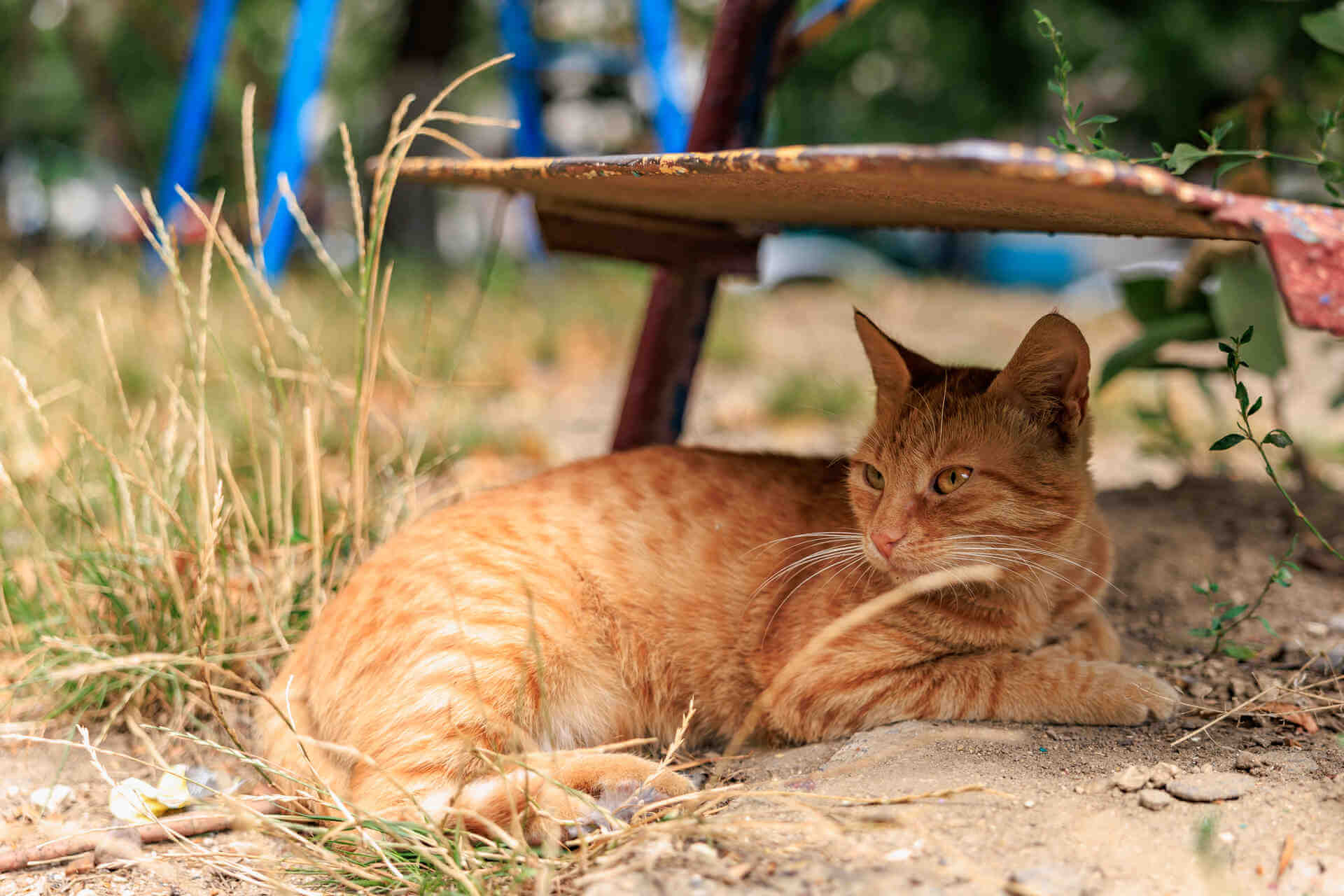
Credit: tractive.com
Protective Measures For Cats Outside
Protective measures help keep cats safe and comfortable outside during hot weather. Cats can suffer from heatstroke and sunburn just like humans. Taking simple steps can reduce health risks and ensure they enjoy their time outdoors. Careful attention to their environment and skin protection is essential.
Applying Pet-safe Sunscreen
Cats have sensitive skin, especially on their ears and nose. Applying pet-safe sunscreen shields these areas from harmful UV rays. Use only sunscreens made for animals to avoid toxic ingredients. Gently apply a thin layer before going outside. Reapply every few hours if your cat stays outdoors long.
Avoiding Hot Pavements And Surfaces
Hot pavements can burn your cat’s paws quickly. Asphalt and concrete can reach dangerous temperatures under the sun. Provide shaded areas with cool ground like grass or dirt. Watch your cat’s behavior for signs of discomfort or paw lifting. Encourage walking on cooler surfaces to protect their feet from burns.
Emergency Actions For Overheated Cats
Overheating is a serious danger for cats exposed to hot weather. Acting quickly can make all the difference between a full recovery and a critical health issue. Knowing how to respond immediately will help you protect your feline friend when temperatures rise too high.
First Aid Steps
If you notice your cat panting heavily, drooling, or appearing weak, start cooling them down right away. Move your cat to a shaded, cool area indoors or outside. Use a damp cloth or cool water to gently wet their fur—focus on the paws, belly, and head.
Avoid using ice-cold water, as sudden temperature changes can shock your cat. Offer small amounts of water to drink, but don’t force them if they seem disoriented. Keep an eye on their breathing and behavior while you work on cooling them down.
When To Seek Veterinary Help
If your cat’s condition doesn’t improve within 10 to 15 minutes, or if they lose consciousness, it’s time to get professional help immediately. Signs like vomiting, seizures, or unresponsiveness are urgent warnings. Your vet can provide treatments like intravenous fluids and oxygen therapy that you can’t do at home.
Think about the last time you waited too long to get help for your pet—did it make the situation worse? Don’t hesitate to call your vet or emergency clinic if you’re unsure. Acting fast could save your cat’s life.
Long-term Care For Cats In Hot Climates
Caring for cats in hot climates requires ongoing attention. Heat stress and dehydration are constant risks. Owners must create a safe environment to protect their pets. Long-term care means planning beyond just shade and water. It involves health monitoring and indoor stimulation to keep cats happy and healthy.
Regular Health Checks
Regular vet visits are crucial for cats in hot weather. Heat can worsen existing health problems. A vet can spot early signs of heat exhaustion or dehydration. Keep an eye on your cat’s weight and coat condition. Check for symptoms like lethargy, excessive panting, or drooling. These signs may indicate heat-related illness. Routine vaccinations and parasite control remain important too. Healthy cats handle heat much better.
Environmental Enrichment Indoors
Hot days often mean staying inside. Indoor enrichment keeps cats mentally and physically active. Offer climbing trees, scratching posts, and interactive toys. Rotate toys to maintain interest and prevent boredom. Create cool resting spots near windows or air conditioners. Use puzzle feeders to stimulate hunting instincts. Play short but frequent games to keep energy up. Enrichment reduces stress and promotes overall well-being during hot weather.
Frequently Asked Questions
Can Cats Handle Heat Outside?
Cats can tolerate some heat, but extreme temperatures are dangerous. Ensure they have shade and water.
How Do Cats Cool Down?
Cats cool down by panting and grooming. They also seek shade and cool surfaces.
What Are Signs Of Heatstroke In Cats?
Signs include excessive panting, drooling, lethargy, and red gums. Immediate veterinary attention is crucial.
How To Keep Outdoor Cats Cool?
Provide shaded areas, fresh water, and cooling mats. Avoid letting them out during peak heat.
Conclusion
Cats can face serious risks in hot weather outdoors. Heat can cause dehydration and heatstroke fast. They need shade, water, and cool places to rest. Leaving cats outside in heat is unsafe. Watch for signs of overheating and act quickly.
Keeping cats indoors on hot days protects their health. Caring for pets means understanding their limits. Hot weather is tough for cats outside. Safety always comes first for happy, healthy cats.