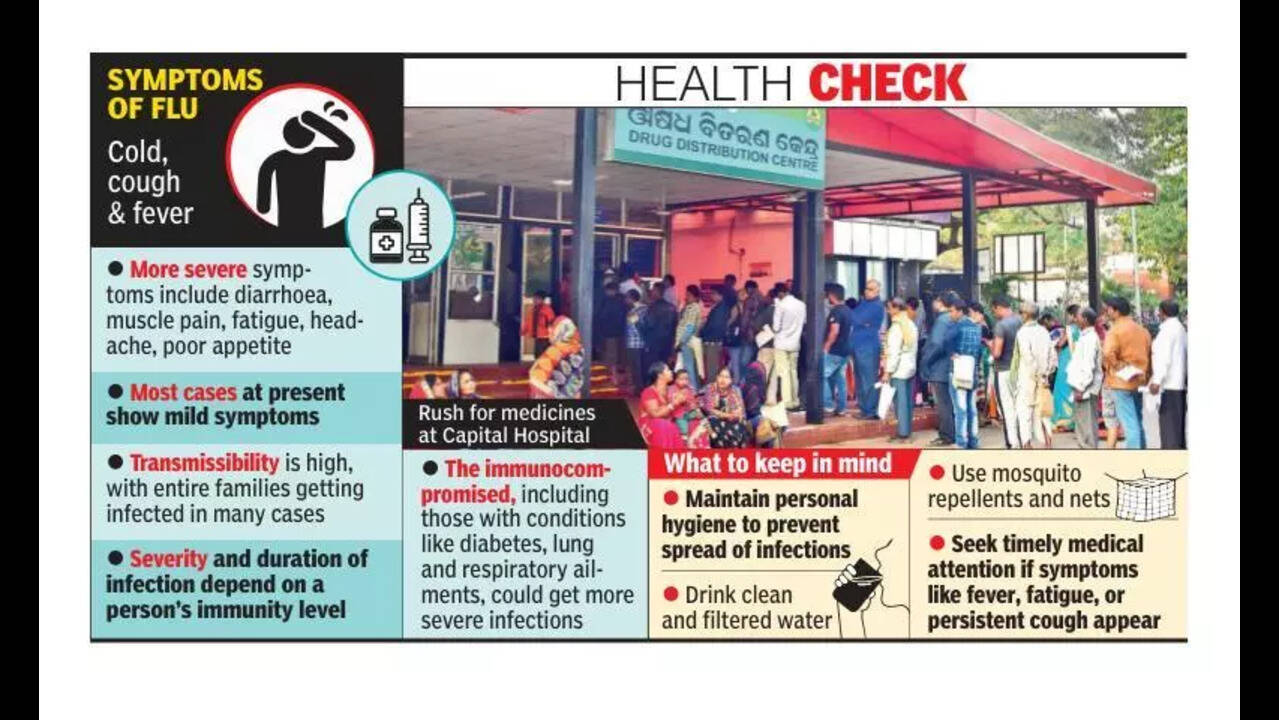
Have you ever wondered if warm weather can stop a virus in its tracks? You might think that sunny days and high temperatures keep viruses away.
But is that really true? Understanding how viruses react to heat could change the way you protect yourself and your loved ones. Keep reading to discover surprising facts about viruses and warm weather that might just change what you believe.

Credit: health.clevelandclinic.org
Virus Survival Basics
Understanding how viruses survive helps you protect yourself better, especially when the weather warms up. Viruses don’t live like bacteria; they need a host to multiply. Yet, their ability to hang around on surfaces or in the air varies widely depending on different factors.
How Viruses Spread
Viruses spread mainly through droplets when someone coughs, sneezes, or talks. These droplets can land on surfaces or directly enter your respiratory system. You might catch a virus by touching contaminated surfaces and then touching your face.
Some viruses also spread through the air in tiny particles called aerosols, which can float longer and travel farther. Understanding these ways of spreading helps you decide when to wash your hands or wear a mask.
Factors Affecting Virus Longevity
Temperature plays a key role in how long a virus survives outside the body. Warm weather generally makes viruses less stable, but it doesn’t kill them instantly.
Humidity, sunlight, and the type of surface also matter. For example, viruses survive longer on smooth, non-porous surfaces like plastic or metal than on fabric or paper.
- Sunlight:UV rays can damage virus particles, reducing their ability to infect.
- Humidity:Some viruses thrive in dry air, while others prefer moist environments.
- Surface type:Porous surfaces trap viruses, limiting their spread compared to hard surfaces.
Have you noticed how summer colds seem less common? That’s partly because warm, sunny days make viruses weaker outside the body. But remember, warm weather alone won’t stop a virus if you’re close to someone who’s sick.
Impact Of Temperature On Viruses
Temperature plays a key role in how viruses behave. It affects their survival and ability to spread. Different viruses react in unique ways to changes in temperature. Understanding these effects helps us know when viruses are most active and how to protect ourselves better.
Warm Weather Effects
Warm weather can reduce the lifespan of many viruses. Heat often damages the virus’s outer layer, making it weaker. Sunlight, especially ultraviolet rays, also kills viruses on surfaces. Higher temperatures can lower virus stability in the air and on objects.
Despite this, some viruses still survive in warm climates. They may adapt or find cool, shaded spots to hide. Warm weather alone does not stop all viruses. Other factors like humidity and human behavior also matter.
Cold Vs. Warm Climate Virus Activity
- Cold climates help some viruses last longer on surfaces.
- Low temperatures slow down the breakdown of viruses.
- Dry, cold air can increase virus spread through sneezing and coughing.
- Warm climates often reduce virus survival time outside the body.
- People stay indoors more in cold weather, raising infection risks.
- Warm weather encourages outdoor activities, lowering close contact.
Viruses often spread faster in cold conditions due to better survival and human habits. Warm weather can slow down virus activity but does not eliminate risk. Awareness and precautions remain important year-round.
Common Misconceptions
Many believe that viruses cannot survive in warm weather. This is a common misconception that needs clarity. Understanding the truth helps us stay safe and prepared all year.
Myths About Heat Killing Viruses
Some think heat alone kills viruses instantly. This is not true for all viruses. Some viruses survive well in warm temperatures. Others may weaken but not disappear. Heat can reduce virus lifespan but does not guarantee safety.
People often assume summer stops virus spread. Yet, viruses like the flu still infect many during warm months. Virus survival depends on more than just temperature. Factors like humidity and human behavior also matter.
Reality Behind Seasonal Virus Patterns
Viruses show seasonal patterns, but not only because of heat. Lower humidity in winter helps viruses spread more easily. People stay indoors closer in cold weather, increasing transmission risk.
Warm weather can slow some viruses but does not end outbreaks. Many viruses adapt to survive different climates. Protection measures like hand washing and masks remain important all year.

Credit: blallab.com
Virus Types And Temperature Sensitivity
Viruses react differently to warm weather based on their type. Temperature sensitivity varies widely among virus groups. Some viruses lose strength quickly in heat. Others stay active even in warm conditions. Understanding virus types helps explain their survival in various climates.
Respiratory Viruses
Respiratory viruses infect the lungs and airways. Examples include influenza and coronaviruses. These viruses often weaken in higher temperatures. Warm air can reduce their ability to spread. Still, some respiratory viruses survive in mild warmth. They rely on close contact to infect people.
Gastrointestinal Viruses
Gastrointestinal viruses affect the stomach and intestines. Norovirus and rotavirus are common examples. These viruses can survive in warm and moist environments. Heat may slow them down but not kill them fast. They spread mainly through contaminated food and water. Warm weather alone does not stop their transmission.
Other Virus Variations
Other viruses include bloodborne and skin viruses. Examples are hepatitis and herpes viruses. Their survival depends less on temperature. Instead, they rely on host conditions and body fluids. Some viruses can persist outside the body longer. Warm weather has limited effect on these virus types.
Environmental Factors Beyond Temperature
Temperature is just one piece of the puzzle when it comes to virus survival outdoors. Other environmental factors can significantly influence whether a virus stays infectious or quickly dies off. Understanding these elements helps you better grasp how viruses behave in real-world conditions and what you can do to protect yourself.
Humidity’s Role
Humidity affects how long viruses can survive in the air and on surfaces. Low humidity often dries out droplets quickly, which can reduce virus survival time. But in some cases, very dry air can allow airborne viruses to float longer, increasing the chance of spread.
High humidity tends to cause droplets to settle faster, which might lower airborne transmission but increase contamination on surfaces. Have you noticed how colds seem worse in dry winter air? That’s part of how humidity influences virus spread.
Sunlight And Uv Exposure
Sunlight, especially ultraviolet (UV) rays, can damage the genetic material of viruses, making them inactive. Spending time outdoors on a sunny day reduces the risk of catching viruses from surfaces or air. This natural disinfectant effect depends on how strong the sunlight is and how long the virus is exposed.
However, shaded areas or cloudy days can limit UV exposure, allowing viruses to survive longer. Think about how quickly a sunlit playground seems cleaner compared to a shady corner where viruses might linger.
Surface Types And Virus Survival
The type of surface a virus lands on greatly impacts its survival time. Smooth, non-porous surfaces like metal and plastic can keep viruses alive for days. In contrast, porous materials such as fabric or paper tend to trap and dry out viruses faster, reducing their lifespan.
Knowing this can help you decide where to focus cleaning efforts. For example, disinfect frequently touched metal door handles more often than cloth-covered furniture. What surfaces do you come into contact with daily that might need extra attention?
Practical Tips For Protection In Warm Weather
Warm weather does not stop viruses from spreading. Protecting yourself requires smart actions. Simple habits can lower risks even on hot days. Staying safe means staying aware and prepared.
Effective Hygiene Practices
Wash hands often with soap and water. Clean hands remove viruses and germs. Use hand sanitizer if soap is unavailable. Avoid touching your face with unwashed hands. Cover your mouth and nose when coughing or sneezing.
Safe Social Interactions
Keep some distance from others in crowded places. Avoid close contact with people showing illness signs. Meet outdoors where air circulates better. Limit time spent in large gatherings. Wear masks in busy areas to reduce risk.
Using Technology To Monitor Risks
Use apps that provide updates on virus spread. Check local health websites for current safety guidelines. Set alerts for changes in infection rates nearby. Use contact tracing apps to know possible exposures. Stay informed to make better safety choices.
Credit: m.economictimes.com
Frequently Asked Questions
Can Viruses Thrive In Warm Weather?
Yes, viruses can survive in warm weather. While some may be less stable in heat, others adapt well. Warm conditions might not eliminate viruses entirely, as they can still be transmitted through human contact and contaminated surfaces. Proper hygiene and preventive measures remain crucial in controlling their spread.
Does Heat Kill Viruses?
Heat can inactivate some viruses. However, the temperature required varies by virus type. While high temperatures might reduce viral activity, they don’t guarantee complete eradication. It’s important to combine heat with other preventive measures, like handwashing and sanitizing, to effectively reduce the risk of infection.
How Does Humidity Affect Virus Survival?
Humidity plays a significant role in virus survival. High humidity can reduce the spread of respiratory viruses by making droplets heavier. Conversely, low humidity may prolong airborne virus lifespan, facilitating transmission. Understanding these conditions helps in implementing better preventive measures to control virus spread effectively.
Are Summer Viruses Different From Winter Ones?
Yes, some viruses are more prevalent in summer. Enteroviruses and certain gastrointestinal viruses often thrive in warmer months. However, respiratory viruses like influenza are more common in winter. Seasonal variations affect virus types and spread, so maintaining hygiene and vaccination can help protect against both summer and winter viruses.
Conclusion
Viruses can survive in warm weather, but not as well as in cold. Heat may reduce their lifespan outside the body. Still, they spread through close contact, no matter the temperature. Washing hands often and staying clean helps stop the virus.
Wearing masks in crowded places adds extra protection. Stay careful and follow health advice to stay safe. Warm weather alone does not stop viruses from spreading. Stay alert, and take simple steps to protect yourself and others.