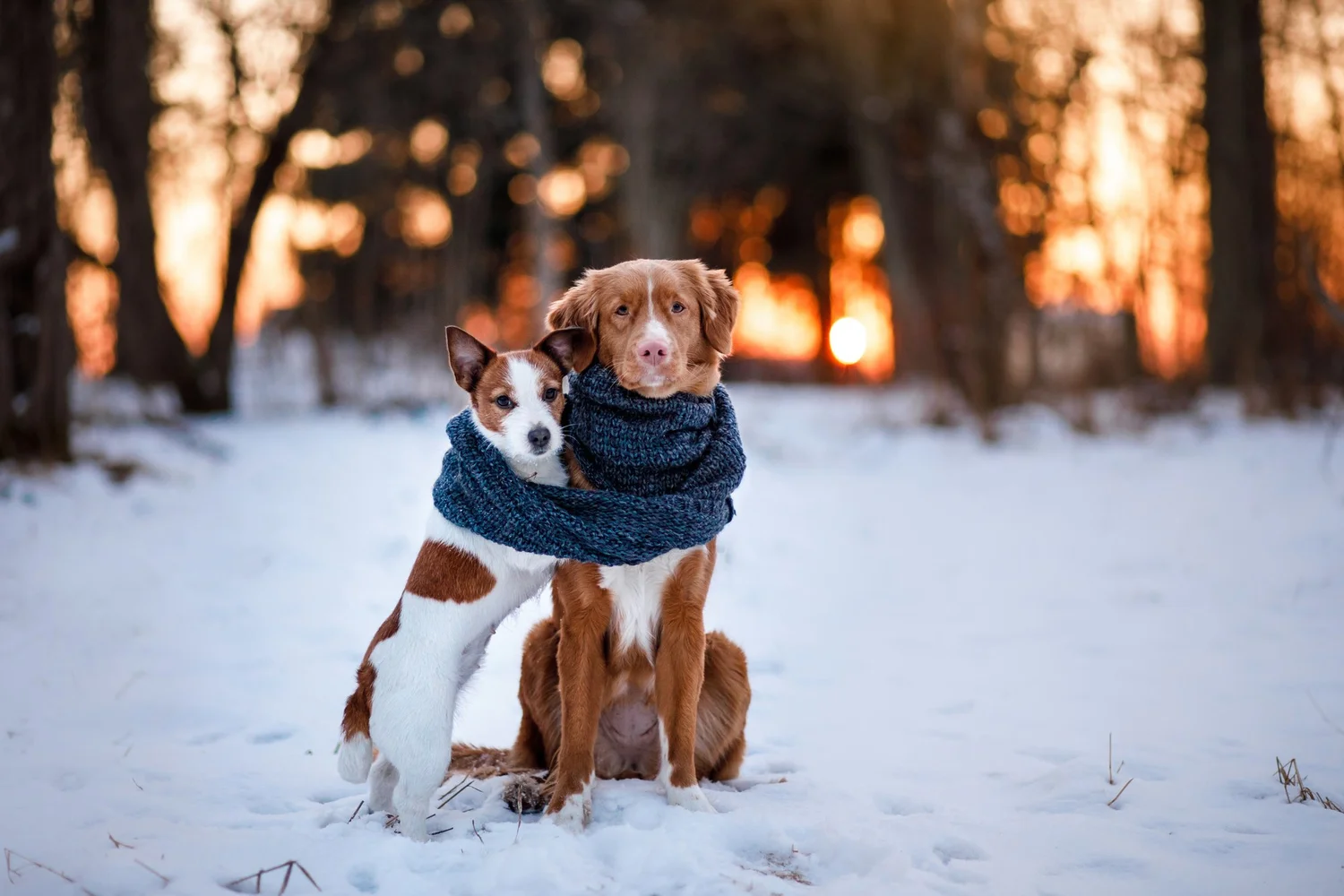
Have you ever wondered if your furry friend can withstand the harsh bite of winter’s chill? As temperatures drop, it’s natural to worry about your dog’s well-being in freezing weather.
You might picture them shivering in the cold, but is that the reality? Understanding how your dog copes in low temperatures is crucial for keeping them safe and healthy during the winter months. This article will unravel the mysteries surrounding your dog’s ability to survive the cold and offer practical tips to ensure they stay warm and protected.
So, grab a cozy blanket and settle in—your pup’s winter safety depends on it!

Credit: wearwagrepeat.com
Effects Of Cold On Dogs
Cold weather can be more than just uncomfortable for your dog—it can affect their health in serious ways. Understanding how freezing temperatures impact your furry friend helps you take the right steps to keep them safe. Let’s look closely at what cold does to dogs and how you can spot trouble early.
How Cold Weather Impacts Dogs
Dogs lose body heat faster than humans, especially small breeds or those with short fur. Cold air can cause their body temperature to drop, leading to slow metabolism and reduced energy. Even if your dog has a thick coat, wet fur from snow or rain makes them vulnerable to the cold.
Have you noticed your dog shivering or hesitating to go outside on chilly days? That’s their body trying to stay warm. Prolonged exposure to freezing weather can weaken their immune system, making them more prone to illness.
Signs Of Hypothermia In Dogs
Hypothermia happens when a dog’s body temperature falls below normal. Watch for these signs:
- Shivering or trembling
- Weakness or lethargy
- Slow or shallow breathing
- Stiff muscles or difficulty moving
- Confusion or unresponsiveness
If your dog shows any of these symptoms, they need warmth and veterinary care immediately. Could your dog survive an unexpected cold snap without you noticing these signs?
Frostbite Risks And Symptoms
Frostbite happens when cold damages the skin and underlying tissues, commonly affecting the ears, tail, paws, and nose. You might see pale, hard, or cold skin that later becomes red and swollen.
Early frostbite symptoms include:
- Cold and pale skin areas
- Swelling or blisters
- Pain when touched
Ignoring frostbite can lead to permanent tissue damage. Have you checked your dog’s paws for signs of frostbite after a winter walk?
Breed And Coat Considerations
Different dog breeds react differently to freezing weather. Their ability to handle cold depends a lot on their coat and body type. Some dogs have natural protection against cold, while others need extra care. Understanding these breed and coat factors helps keep dogs safe and comfortable in low temperatures.
Cold-resistant Dog Breeds
Some dog breeds are built for cold climates. They have thick fur and strong bodies. Examples include:
- Siberian Huskies
- Alaskan Malamutes
- Saint Bernards
- Newfoundlands
These dogs have layers of fur and fat that keep them warm. They can spend more time outside without risk of cold injury.
Short Vs. Long Coats
Coat length affects a dog’s warmth. Long coats trap air and create insulation. Short coats offer less protection. Dogs with short hair lose heat faster and feel cold quickly.
Many short-coated dogs benefit from sweaters or jackets in freezing weather. Long-haired dogs still need shelter but tolerate cold better.
Age And Health Factors
Age changes how dogs handle cold. Puppies and older dogs have weaker systems. They get cold faster and need extra warmth.
Health issues like arthritis or thin body weight also reduce cold tolerance. Sick dogs need special care to stay warm and safe outdoors.
Shelter And Warmth Solutions
Keeping dogs safe in freezing weather needs smart shelter and warmth solutions. Proper protection stops cold stress and health issues. Dogs need dry, warm, and snug places to rest. This section covers ways to create safe shelters and keep your dog warm indoors.
Creating Safe Outdoor Shelters
Outdoor shelters must block wind, rain, and snow. Use insulated dog houses with raised floors to stop cold from ground. Place the shelter in a spot shielded from wind and direct snow. Add straw or wood shavings inside for extra warmth. Check shelters often to keep them dry and clean. Avoid blankets outside—they get wet and freeze.
Indoor Warmth Tips
Bring dogs indoors during very cold weather. Choose a quiet spot away from drafts and cold floors. Use rugs or mats to create a soft, warm area. Keep room temperature steady and cozy. Close windows and doors tightly to keep cold air out. Allow your dog to sleep on your bed or near a heater for extra comfort.
Using Heated Bedding And Blankets
Heated bedding offers extra warmth on cold nights. Use low-voltage, pet-safe heating pads designed for animals. Cover heated pads with blankets to prevent burns. Electric blankets should have automatic shut-off features. Always supervise pets using heated bedding. Layer blankets to trap heat and keep your dog cozy.
Nutrition And Hydration Needs
Keeping your dog safe in freezing weather means paying close attention to their nutrition and hydration needs. Cold temperatures increase their energy use, so their diet and water intake must support this added demand. Neglecting these needs can lead to serious health issues, even if your dog seems tough and resilient.
Adjusting Food Intake For Cold Weather
Dogs burn more calories trying to stay warm in cold weather, so you might need to increase their food portions. Look for foods higher in fat and protein, which provide longer-lasting energy. If you’ve noticed your dog getting thinner or more tired outside, it’s time to boost their diet.
Consider splitting meals into smaller, more frequent servings. This helps maintain steady energy levels throughout the day. Have you observed your dog’s appetite drop during winter? Sometimes, warming their food slightly can encourage them to eat more.
Ensuring Access To Fresh Water
Hydration remains crucial even when it’s freezing outside. Dogs often drink less water when it’s cold, but dehydration can still occur. Make sure your pet always has access to fresh, unfrozen water, checking their bowl multiple times a day.
Using heated water bowls or changing water frequently prevents ice buildup. You might be surprised how much a dog’s water intake drops if the water is too cold or icy. Ask yourself: are you monitoring your dog’s water bowl as closely in winter as in summer?
Supplements For Cold Protection
Adding supplements can support your dog’s health during cold spells. Omega-3 fatty acids help reduce inflammation and keep joints flexible in chilly weather. Vitamins like E and C boost the immune system, helping your dog fight off seasonal illnesses.
Before adding any supplements, consult your vet to ensure safety and proper dosages. Have you ever noticed your dog’s coat getting dull or their energy dropping in winter? Supplements might be the missing piece to keeping them vibrant and active.
Outdoor Activity Guidelines
Outdoor activities keep dogs healthy and happy during cold weather. Yet, cold temperatures bring risks. Proper guidelines help protect dogs from cold stress and injuries. These tips ensure fun and safe outings.
Safe Exercise Duration In Cold
Limit outdoor time based on temperature and wind chill. Short bursts of activity work best. Watch for signs of discomfort like shivering or lifting paws. Puppies and older dogs need even shorter playtime. Bring dogs inside to warm up after outdoor exercise.
Protective Clothing For Dogs
Use dog coats or sweaters to keep body heat. Choose water-resistant materials for snowy or wet conditions. Booties protect paws from cold and rough surfaces. Ensure clothing fits well but does not restrict movement. Dressing dogs helps prevent hypothermia and frostbite.
Avoiding Ice And Salt Hazards
Avoid walking on icy patches to prevent slipping. Salt and de-icing chemicals irritate paws and skin. Rinse paws after walks to remove harmful substances. Use pet-safe ice melt products around your home. Regularly check paws for cuts or redness during winter.

Credit: www.webmd.com
Emergency Preparedness
Emergency preparedness is crucial for protecting dogs in freezing weather. Cold temperatures can quickly lead to dangerous conditions. Knowing how to spot signs and respond fast can save a dog’s life. Being ready helps reduce risks from hypothermia and frostbite. Act quickly and calmly to ensure your dog’s safety during cold weather emergencies.
Recognizing Cold-related Emergencies
Watch for shivering, weakness, or slow movements. Dogs may appear confused or lethargic. Pale or blue gums signal poor blood circulation. Frostbite shows as hard, pale skin, especially on ears, paws, and tail. Reluctance to move or seek warmth indicates trouble. Early signs need immediate attention to prevent worsening.
First Aid Steps For Hypothermia
- Move the dog to a warm, dry place immediately.
- Wrap the dog in blankets or towels to retain heat.
- Use warm (not hot) water bottles or heating pads carefully.
- Offer warm water to drink if the dog is alert.
- Avoid direct heat sources that can burn or shock the dog.
- Monitor breathing and heart rate closely during warming.
When To Contact A Veterinarian
Call a vet if your dog:
- Shows severe shivering or stops shivering.
- Has very weak pulse or slow breathing.
- Appears unconscious or unresponsive.
- Develops swelling or blackened skin from frostbite.
- Refuses to eat or drink after warming.
Professional help is vital for severe cases. Early veterinary care improves recovery chances.

Credit: petzyo.com.au
Frequently Asked Questions
Can Dogs Survive Freezing Temperatures Outdoors?
Yes, some dog breeds with thick fur can survive brief exposure to freezing weather. However, prolonged exposure risks hypothermia and frostbite. Always provide shelter, warmth, and limit outdoor time in extreme cold to keep dogs safe.
What Signs Show A Dog Is Cold In Winter?
Shivering, whining, slow movements, and seeking warmth indicate a dog feels cold. Pale or blue gums and lethargy are serious signs. Watch for these to protect your dog from freezing weather effects.
How To Protect Dogs From Freezing Weather?
Dress dogs in insulated coats and use booties to protect paws. Provide warm, dry shelter and fresh water. Avoid long outdoor exposure and monitor health closely during cold conditions.
Are Small Dog Breeds More Vulnerable To Cold?
Yes, small dogs have less body fat and thinner coats, making them more susceptible to cold. They need extra protection like clothing and shorter outdoor times in freezing weather.
Conclusion
Dogs can handle cold weather but need care and warmth. Their fur helps, but it is not enough alone. Always provide shelter and avoid long exposure outside. Watch for signs of cold stress like shivering or slow movement. Keep water from freezing and feed enough food for energy.
Taking these steps helps dogs stay safe and healthy in freezing weather. Protect your pet—cold can be dangerous without care. Simple actions make a big difference in their comfort and health.