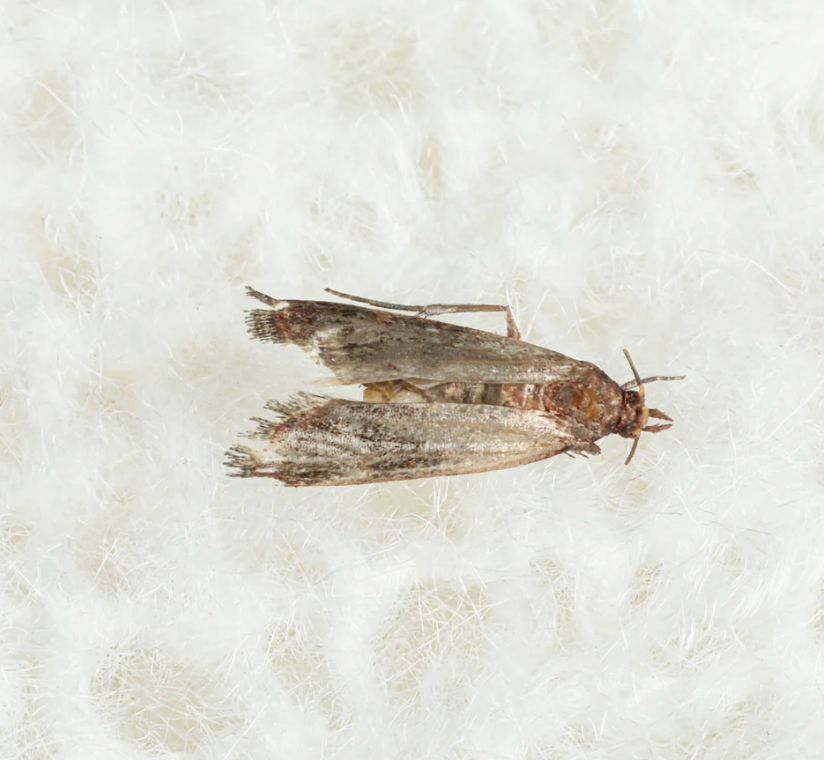
Are you worried about clothes moths ruining your favorite outfits? You might have heard that vacuum bags can protect your clothes from these tiny pests.
But can clothes moths really survive inside vacuum-sealed bags? Understanding this could save you from a frustrating surprise when you open your storage. Keep reading to find out how effective vacuum bags are against clothes moths and what you can do to keep your wardrobe safe and fresh.
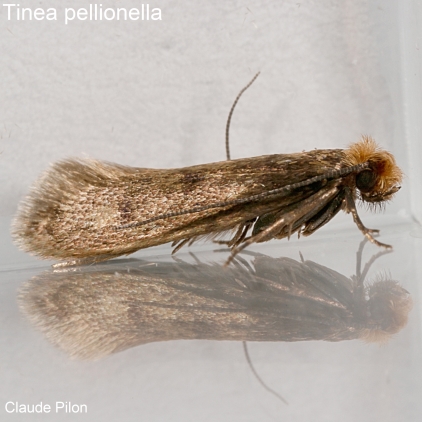
Credit: www.maheu-maheu.com
Clothes Moths Basics
Clothes moths might seem like harmless little insects, but they can cause serious damage to your wardrobe. Understanding their basics is key to protecting your clothes, especially when you consider storage options like vacuum bags. Knowing how these moths live and where they prefer to hang out can help you decide if vacuum bags are a safe choice.
Lifecycle Of Clothes Moths
The clothes moth starts life as a tiny egg, often laid on natural fibers like wool or silk. After hatching, the larvae feed on these materials for several weeks, causing the most damage. The larvae then spin cocoons and turn into adult moths, ready to mate and lay more eggs.
This cycle usually takes about 60 to 90 days but can vary depending on temperature and humidity. If you’ve ever found holes in your favorite sweater, it’s likely the larvae stage was at work. Knowing this lifecycle helps you target the vulnerable points in their development to stop an infestation early.
Common Habitats And Preferences
Clothes moths prefer dark, undisturbed areas where natural fibers are abundant. Closets, drawers, and storage boxes filled with wool, fur, or feathers are prime spots. They avoid light and tend to stay hidden in folds or seams of clothing.
They thrive in warm, humid environments, which speed up their lifecycle and increase their appetite. Have you noticed your moth problem worsening during humid months? This is why controlling moisture and cleanliness in your storage areas is crucial.
Vacuum bags might seem like a good solution, but do you know if they really stop these pests? Understanding where moths live and how they behave will help you decide if vacuum sealing your clothes is a safe bet or if extra precautions are needed.
Vacuum Bags And Their Functionality
Vacuum bags offer a smart solution for storing clothes safely. They remove air from the bag, creating a tight seal around the items. This process reduces space and limits exposure to dust, moisture, and insects. Understanding how vacuum bags work helps to see their role in protecting garments from pests like clothes moths.
How Vacuum Bags Work
Vacuum bags use a special valve and a pump or vacuum cleaner to suck out air. Removing air lowers oxygen levels inside the bag. This slows down the growth of bacteria and insects. The tight seal also prevents new air and pests from entering. Clothes stay compressed and protected from outside elements.
Benefits Of Using Vacuum Bags For Storage
- Saves space by compressing bulky clothing.
- Keeps clothes dry by blocking moisture.
- Prevents dust and dirt buildup on fabrics.
- Reduces chances of insect damage, including moths.
- Makes seasonal storage easier and more organized.
Moth Survival Tactics
Clothes moths have developed clever ways to survive tough conditions. Their survival tactics help them live even in sealed spaces like vacuum bags. Understanding these tactics reveals why moths can still damage clothes inside airtight environments.
Adaptations Of Moths In Low Oxygen Environments
Clothes moths can survive with less oxygen than many insects. They slow down their metabolism to use oxygen more efficiently. This means they need less air to live for long periods.
The moth larvae can enter a state similar to hibernation. This state reduces their activity and energy needs. It helps them survive inside vacuum bags where air is limited.
Some moth species produce special proteins that protect their cells. These proteins help moths handle stress from low oxygen. It allows them to stay alive until conditions improve.
Feeding And Breeding In Confined Spaces
Vacuum bags do not stop moth larvae from feeding on clothes. The larvae can eat natural fibers like wool and silk even in small spaces.
Moths lay eggs directly on fabrics inside sealed bags. The eggs hatch and larvae feed without needing to leave the confined area. This behavior helps moth populations grow unnoticed.
Larvae are small and can fit into tiny fabric folds. These hidden spots offer protection from vacuum pressure and lack of air.
Even limited space does not stop moths from completing their life cycle. They adapt to the environment and continue breeding inside vacuum bags.
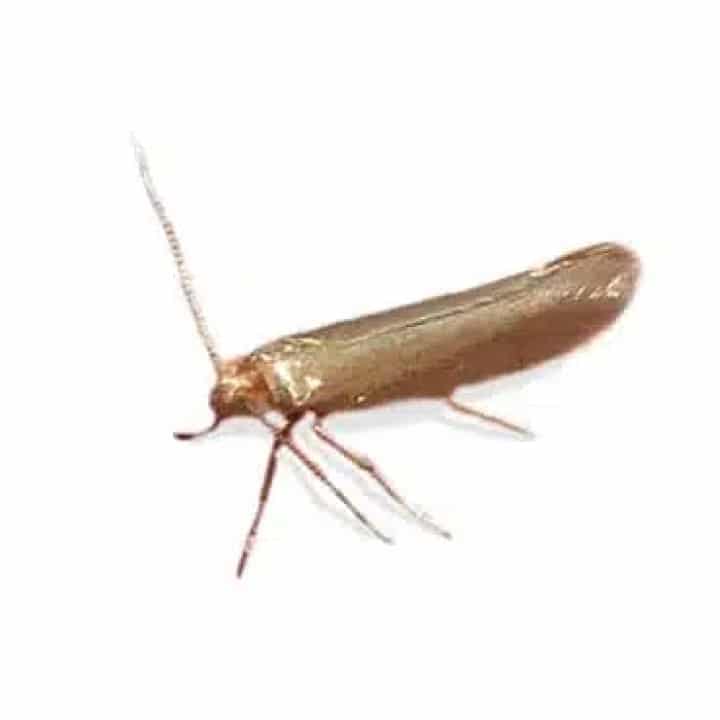
Credit: www.pestsolutions.co.uk
Testing Moth Survival In Vacuum Bags
Testing moth survival in vacuum bags helps understand if these pests can live in sealed environments. Vacuum bags remove air and reduce space, which might affect moth survival. Exploring scientific studies and real experiences reveals how effective vacuum bags are against clothes moths.
Scientific Studies And Experiments
Researchers tested clothes moths in vacuum-sealed conditions to observe their survival rates. Most studies show moth larvae struggle without oxygen. Vacuum bags create low-oxygen environments that limit their ability to breathe.
Experiments also measured how long moths can survive inside these bags. Results indicated moths die after a few days due to lack of air. The vacuum pressure further stresses the insects, increasing mortality rates.
Some tests include varying vacuum levels and exposure times. Deeper vacuum and longer sealing reduce moth survival more effectively. These scientific findings support vacuum bags as a strong option for pest control.
Real-life Scenarios And Anecdotes
Many people report using vacuum bags to protect clothing from moth damage. Anecdotes describe fewer moth holes after storing clothes in sealed bags. Some users noticed moth activity stopped completely after vacuum sealing.
There are cases where moths survived short-term storage but died after longer periods. This matches scientific data about survival limits in vacuum conditions. People often combine vacuum bags with freezing or cleaning for best results.
Vacuum bags also prevent moth eggs from hatching by blocking air and space. Real-life stories confirm vacuum sealing is a simple and effective way to protect clothes from moths.
Prevention Tips And Best Practices
Keeping your clothes safe from moth damage means more than just stuffing them into vacuum bags. While vacuum bags reduce air and moisture, which moths need to survive, they don’t always guarantee full protection. Combining smart storage with extra protective steps can make a big difference in preserving your wardrobe.
Effective Storage Solutions
Vacuum bags can be a good start, but think about the quality and cleanliness of your storage space too. Make sure clothes are clean and completely dry before sealing them—moths are attracted to dirt and sweat.
Consider airtight containers made of plastic or metal for long-term storage. These containers block air better than some vacuum bags and prevent moths from sneaking in. Storing clothes in a cool, dark place also discourages moth activity since they prefer warm, light areas.
- Clean clothes thoroughly before storing
- Use airtight containers or high-quality vacuum bags
- Store in cool, dark, and dry locations
Additional Measures To Protect Clothing
Simply sealing clothes away isn’t always enough. Adding natural repellents like cedar blocks or lavender sachets inside your storage can help repel moths without harsh chemicals.
Freezing clothes for 48 hours before storage kills any moth eggs or larvae hidden in the fabric. This step is especially useful for vintage or rarely worn items.
Regularly inspect your stored clothes. Catching moth damage early can prevent bigger problems later. Are you checking your wardrobe often enough to spot trouble before it spreads?
- Add cedar or lavender for natural moth repellent
- Freeze clothes before storage to kill eggs and larvae
- Inspect stored clothing every few months
Alternative Pest Control Methods
If you’re wondering whether vacuum bags alone can keep clothes moths at bay, it’s wise to consider alternative pest control methods. Vacuum bags create a barrier, but some moths might survive if sealed improperly or if larvae are present before sealing. Exploring other options ensures you protect your wardrobe more effectively.
Natural Deterrents
Natural deterrents offer a safe and eco-friendly way to protect your clothes. Cedarwood blocks or chips release a scent that moths dislike, making your closets less inviting. Lavender sachets work similarly and add a pleasant aroma to your storage spaces.
You can also try placing dried rosemary or mint in your drawers. These herbs repel moths without any harsh chemicals. Have you noticed how your grandmother’s closet always smelled fresh? She likely used these simple tricks.
Professional Pest Control Options
If moths have already caused damage or you want a thorough solution, professional pest control might be necessary. Experts use specialized treatments that target moth larvae and eggs hidden deep in fabrics. This approach is especially helpful for severe infestations or valuable garments.
Professional services may include fumigation, heat treatment, or freezing methods tailored to your needs. While these options can be more costly, the peace of mind and protection they provide often justify the expense. Would you prefer a quick fix or a long-term solution for your clothing?
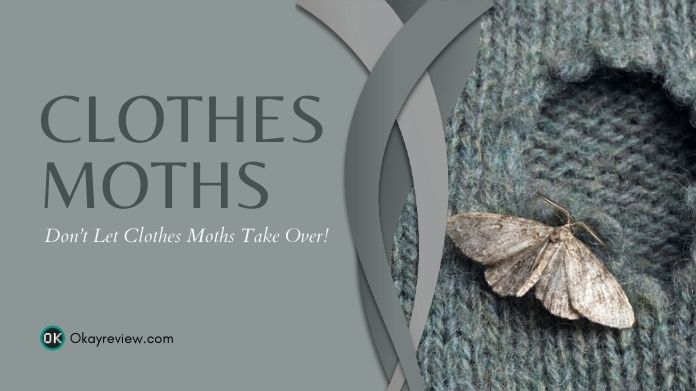
Credit: www.okayreview.com
Frequently Asked Questions
Can Clothes Moths Survive In Vacuum Bags?
Clothes moths can survive in vacuum bags if they enter before sealing. Vacuum bags reduce oxygen but don’t kill larvae or eggs instantly. Prolonged airtight conditions may eventually suffocate moths, but short-term storage may not be effective against infestations.
Do Vacuum Bags Kill Clothes Moth Larvae?
Vacuum bags do not immediately kill moth larvae. They limit oxygen, which can weaken larvae over time. However, larvae can survive for weeks in low-oxygen environments. Additional treatment like freezing or heat is recommended to fully eliminate larvae.
How Long Do Moths Survive In Vacuum-sealed Bags?
Moths and larvae can survive several weeks inside vacuum bags. Low oxygen slows their activity but doesn’t guarantee death quickly. For effective moth control, combine vacuum sealing with other methods like cleaning, freezing, or insecticides.
Are Vacuum Bags Effective For Moth Prevention?
Vacuum bags help protect clothes by limiting air and moisture. They reduce moth exposure but don’t guarantee complete prevention. Regular cleaning and moth repellents should be used alongside vacuum sealing for best protection.
Conclusion
Vacuum bags can limit clothes moth survival but may not kill all. Moths can survive short periods without air inside sealed bags. Long-term storage in vacuum bags helps reduce moth damage. Check clothes regularly for signs of moths or larvae.
Using vacuum bags with other moth control methods works best. Keep storage areas clean and dry to prevent infestations. Protect your clothes by combining vacuum bags with natural repellents. Safe storage takes effort but keeps your clothes moth-free.


