
Have you ever wondered if your iguana can handle chilly days? If you’re a reptile lover, this question might keep you up at night.
Iguanas come from warm, tropical places, so cold weather can be a big challenge for them. But how cold is too cold? And what can you do to keep your scaly friend safe when the temperature drops? Keep reading to discover everything you need to know about iguanas and cold weather survival.
Your iguana’s health could depend on it!
Iguanas And Their Natural Habitat
Iguanas are fascinating reptiles that thrive in specific environments tailored to their needs. Their natural habitat plays a crucial role in their survival, especially when it comes to temperature and climate. Understanding where iguanas come from can help you grasp why cold weather poses a serious challenge for them.
Iguanas Thrive In Warm, Tropical Climates
Most iguanas originate from Central and South America, where the climate is warm and humid year-round. They bask in the sun to regulate their body temperature, which is vital because they are cold-blooded animals. Without enough warmth, their metabolism slows down, affecting digestion and movement.
Think about how you feel on a chilly day—your energy dips, and you want to stay indoors. Iguanas react similarly but much more intensely. This is why your iguana needs a consistently warm environment to stay healthy.
The Impact Of Habitat On Iguana Behavior
In their natural habitat, iguanas spend a lot of time climbing trees and lounging in the sun. This behavior helps them absorb heat and maintain their bodily functions. When the temperature drops, they become sluggish and less active, making them vulnerable to illness.
If you’ve ever seen a wild iguana, you might notice they seek out sunny spots and avoid shaded or cold areas. This instinct is key to their survival, but it can become a problem in colder climates where such warm places are scarce.
Why Cold Weather Threatens Iguanas
Cold weather is a major threat because iguanas cannot generate their own heat. Temperatures below 70°F (21°C) can cause them to enter a state similar to hibernation, known as brumation. During this time, their immune system weakens, increasing the risk of infections.
If you keep an iguana as a pet, you must replicate its natural warm environment. Without proper heat lamps or heated enclosures, your iguana won’t survive cold spells. Have you checked if your pet’s habitat matches these natural conditions?
Cold Weather Challenges
Cold weather presents serious challenges for iguanas. These reptiles are native to warm climates and rely on external heat to regulate their body temperature. When temperatures drop, their metabolism slows down, and they become vulnerable to health problems.
Without enough warmth, iguanas can suffer from weakened immune systems. This makes them prone to infections and diseases. Cold stress also affects their digestion, leading to poor nutrient absorption and lethargy.
In the wild, iguanas avoid cold by seeking shelter or basking in the sun. Pet iguanas cannot always do this, increasing their risk during cold spells. Understanding these challenges is key to helping iguanas survive cold weather.
Effects Of Low Temperatures On Iguana Health
- Reduced metabolism slows bodily functions.
- Weakened immune system increases illness risk.
- Digestive issues cause poor nutrient absorption.
- Lower energy levels lead to lethargy.
Behavioral Changes Due To Cold Stress
- Less movement and activity.
- Increased hiding to conserve heat.
- Reduced appetite impacts nutrition.
- Difficulty shedding skin properly.
Environmental Factors Impacting Cold Survival
- Humidity levels affect skin and respiratory health.
- Availability of warm basking spots is crucial.
- Proper shelter protects from wind and cold drafts.
- Nighttime temperatures can drop sharply.
Behavioral Adaptations
Iguanas face challenges in cold weather since they are cold-blooded reptiles. They cannot produce their own body heat. Instead, they rely on their behavior to survive and stay warm. These behavioral adaptations help iguanas maintain their body temperature and avoid harmful cold effects.
Seeking Sunlight
Iguanas spend a lot of time basking in the sun. They find sunny spots to absorb heat through their skin. This sunlight helps raise their body temperature quickly. Without sunlight, iguanas become slow and weak.
Hiding In Warm Shelters
During cold times, iguanas look for warm places to hide. They use rocks, tree holes, or burrows for shelter. These spots protect them from cold wind and frost. Staying inside keeps their body heat from escaping.
Reducing Activity
Cold weather slows iguanas down. They move less to save energy. By resting more, they use less body heat. This low activity helps them survive longer periods of cold.
Grouping Together
Iguanas sometimes gather in groups to share body warmth. This behavior helps keep them warm during chilly nights. Grouping reduces heat loss and increases their chances of survival.
Credit: www.theguardian.com
Physiological Responses To Cold
Iguanas are cold-blooded reptiles, which means their body temperature depends largely on the environment. When temperatures drop, their bodies respond in several ways to cope with the cold. Understanding these physiological responses helps you see why iguanas struggle to survive in chilly weather.
Metabolic Rate Reduction
One key response is slowing down their metabolism. As the temperature falls, iguanas become less active and their bodily functions slow. This helps conserve energy but also limits their ability to digest food or heal quickly.
If your iguana suddenly seems lethargic during cooler days, this slowdown is likely why. You might notice it basking more often, trying to raise its body temperature.
Behavioral Thermoregulation
Iguanas seek warmth by moving to sunny spots or cozy corners. They rely heavily on external heat sources because they can’t generate heat internally. If you’ve seen your pet iguana stretching under a heat lamp, you’ve witnessed this behavior firsthand.
Providing adequate heat is crucial because without it, they can’t maintain the body temperature needed for normal functions. Ask yourself: does your iguana have enough access to heat throughout the day?
Impaired Immune Function
Cold stress weakens an iguana’s immune system. When temperatures drop, their ability to fight infections decreases, making them vulnerable to illnesses. You might notice symptoms like respiratory infections or skin issues during cold spells.
Keeping your iguana warm isn’t just about comfort—it’s essential for health. Think about how you feel on a cold day; your body also works harder to stay healthy.
Risk Of Hypothermia
Prolonged exposure to cold can cause hypothermia in iguanas. Their body temperature falls too low, leading to serious health risks or even death. Signs include extreme lethargy, weakness, and lack of coordination.
If you live in a cooler climate, consider how you can protect your iguana from sudden temperature drops. Are there safe warm spots you can create in their habitat?
Impact Of Cold On Iguana Health
Cold weather can severely affect the health of iguanas, which are tropical reptiles adapted to warm climates. When temperatures drop, iguanas face risks that can quickly turn dangerous if not addressed. Understanding how cold impacts your iguana’s body helps you protect its wellbeing effectively.
How Cold Temperatures Disrupt Iguana Metabolism
Iguanas rely on external heat sources to regulate their body temperature. When it gets too cold, their metabolism slows down drastically. This slowdown means they digest food poorly, absorb fewer nutrients, and become lethargic.
Have you noticed your iguana moving slower or refusing to eat during colder days? That’s a clear sign its metabolism is impacted. Without proper heat, your pet’s energy drops, making it vulnerable to illness.
Risks Of Hypothermia In Iguanas
Hypothermia occurs when an iguana’s body temperature falls below its normal range. This condition can cause muscle stiffness, loss of coordination, and even organ failure. Left untreated, hypothermia can be fatal.
Since iguanas don’t produce their own body heat, they depend entirely on external warmth. When temperatures dip suddenly, they might not find a warm spot fast enough. Always ask yourself: Is your iguana’s environment warm and stable enough to prevent this risk?
Impact Of Cold On Immune System Function
Cold stress weakens the immune system of iguanas, making them more susceptible to infections. Respiratory diseases, in particular, become common during chilly spells. A cold environment can cause symptoms like wheezing, mucus buildup, and swollen eyes.
You might think your iguana is just “sniffling,” but these signs often indicate a serious health issue triggered by cold. Providing consistent warmth helps keep their immune defenses strong and reduces the chance of illness.
Behavioral Changes Due To Cold Exposure
Cold temperatures make iguanas less active and more prone to hiding. They might refuse to eat or bask, which worsens their condition. These behavioral changes are your iguana’s way of conserving energy when stressed by cold.
Have you seen your iguana become unusually withdrawn or inactive? That’s a warning to check the temperature immediately. Prompt action can prevent a health crisis and improve your pet’s comfort.

Credit: www.whiskeyriff.com
Case Studies Of Cold Weather Survival
Studying iguanas that lived through cold weather offers real proof about their limits. These case studies reveal how some iguanas cope with low temperatures. They show what happens when iguanas face cold climates outside their natural habitat.
These examples help us understand the risks and survival strategies of iguanas. They also guide pet owners and wildlife handlers on proper care. Below are some notable cases of iguanas surviving cold weather.
Wild Iguanas Enduring Unexpected Cold Snaps
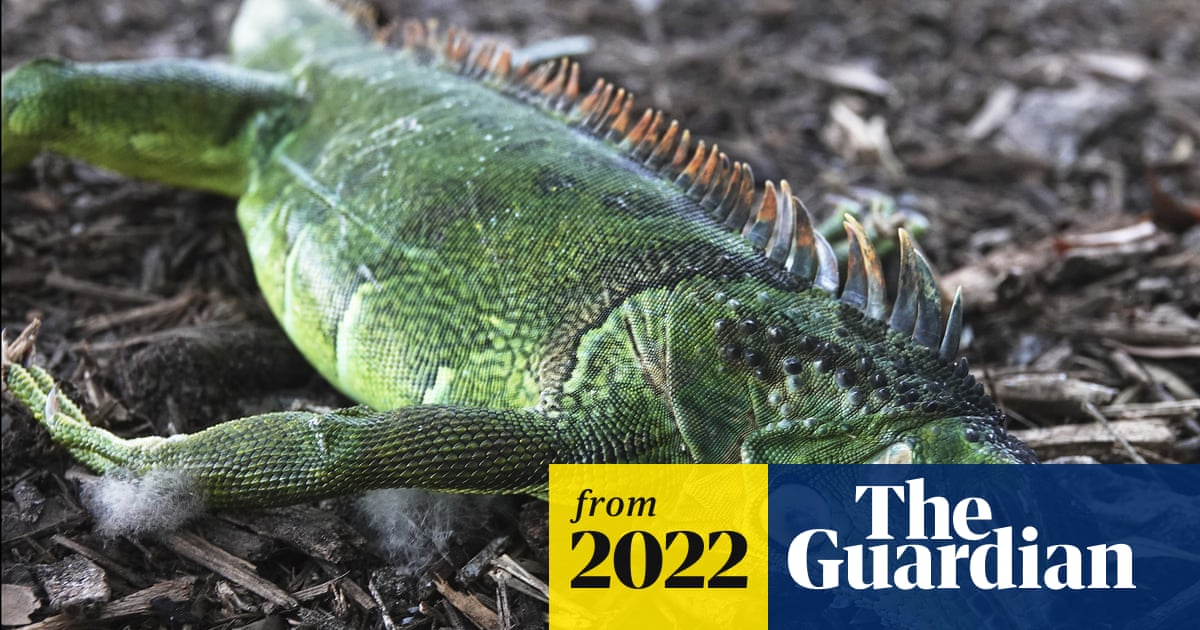
In Florida, wild green iguanas have faced sudden cold snaps. Some fell from trees after temperatures dropped below 40°F (4°C). Many became immobile but revived once warmed. These iguanas entered a state like hibernation to survive.
Pet Iguanas And Controlled Cooling
Some pet owners reported iguanas surviving short cold exposure. The animals showed slowed movement and reduced appetite. Careful warming and hydration helped them recover quickly. This shows iguanas can handle brief cold spells if cared for properly.
Research On Iguana Metabolism In Low Temperatures
Scientists studied iguana metabolism during cold exposure. They found iguanas lower their metabolic rate to save energy. Their heart rate and breathing slow down significantly. This metabolic shift helps them survive colder periods without food.
Survival Of Iguanas In Greenhouses And Enclosures
Many iguanas live in greenhouses or heated enclosures in colder climates. These controlled environments mimic tropical warmth. Iguanas kept here avoid cold stress and remain healthy year-round. This shows proper habitat control is vital for survival.
Preventive Measures In Captivity
Keeping iguanas safe during cold weather requires proactive care. Iguanas are cold-blooded reptiles, which means they rely on external heat to regulate their body temperature. In captivity, it’s your responsibility to create a warm, comfortable environment that mimics their natural habitat.
Creating A Warm Habitat
Maintaining the right temperature is crucial. Use heat lamps or ceramic heaters to keep the enclosure between 75°F and 85°F during the day, with a basking spot around 90°F.
At night, temperatures should not drop below 70°F. You can use thermostats to monitor and control the heat precisely. Remember, sudden temperature drops can stress your iguana and affect its health.
Providing Proper Lighting
UVB lighting is essential for your iguana’s health. It helps them produce vitamin D3, which is necessary for calcium absorption and bone strength.
Make sure the UVB bulbs are replaced every 6 to 12 months, even if they still emit visible light. Without proper lighting, your iguana may develop metabolic bone disease, especially in colder months when natural sunlight is limited.
Adjusting Diet For Cold Weather
Cold weather can reduce your iguana’s appetite and metabolism. You might notice less interest in food during winter. Offer nutrient-rich greens like collard greens, mustard greens, and dandelion leaves to keep their energy up.
Adding calcium and vitamin supplements can support their immune system. Have you noticed changes in your pet’s eating habits as temperatures drop? Adjusting their diet can make a big difference in their overall well-being.
Ensuring Proper Humidity
Iguanas thrive in humidity levels between 70% and 80%. Dry air can cause skin problems and respiratory issues. Use a hygrometer to monitor humidity inside the enclosure.
Regular misting or a humidifier can help maintain moisture levels. Providing a shallow water dish also increases humidity and allows your iguana to stay hydrated.
Monitoring Behavior And Health
Watch for signs of stress or illness, such as lethargy, lack of appetite, or unusual skin changes. Cold stress weakens their immune system, making them vulnerable to infections.
If your iguana seems sluggish or refuses to eat, check the temperature and humidity first. Sometimes, small adjustments can prevent serious health problems. Have you ever caught a temperature dip before it affected your pet’s health?
Iguanas And Climate Change
Climate change has a direct impact on iguanas and their ability to survive in colder environments. As temperatures shift unpredictably, iguanas face new challenges that test their adaptability. Understanding how these reptiles respond to changing climates can help you protect them better.
How Changing Temperatures Affect Iguana Behavior
Iguanas rely on warmth to regulate their body temperature. When the climate cools unexpectedly, they become sluggish and less active. You might notice iguanas hiding more or basking in unusual spots to stay warm.
Have you seen iguanas sunbathing on rocks during chilly mornings? That behavior is a survival tactic to boost their body heat.
Cold weather can weaken iguanas’ immune systems, making them prone to illnesses. Prolonged exposure to cold might cause respiratory infections or even frostbite.
One local pet owner shared how their iguana needed veterinary care after a sudden cold snap. This shows how sensitive these reptiles are to temperature drops.
Adaptation And Migration Patterns
Wild iguanas sometimes move to warmer areas as a response to cold weather. This natural migration helps them survive but can lead to changes in local ecosystems.
Have you wondered if your backyard iguana might one day relocate due to climate shifts? Their survival instincts drive them to find suitable habitats.
How You Can Help Iguanas In A Changing Climate
- Provide warm shelters or heated basking spots if you keep iguanas as pets.
- Monitor local temperature changes and adjust care routines accordingly.
- Support conservation efforts aimed at protecting natural iguana habitats.
Helping iguanas adapt means paying attention to their needs as the climate changes around them. What steps will you take today to support these fascinating creatures?

Credit: www.theguardian.com
Frequently Asked Questions
Can Iguanas Survive In Cold Weather Conditions?
Iguanas are cold-blooded reptiles and cannot tolerate cold temperatures well. They may become lethargic or even die if exposed to prolonged cold. Proper warmth is essential for their survival and health.
What Temperature Range Is Safe For Iguanas?
Iguanas thrive in temperatures between 75°F and 95°F (24°C to 35°C). Temperatures below 70°F (21°C) can cause health issues. Maintaining a warm environment is crucial for their metabolism and overall well-being.
How Do Iguanas React To Cold Weather?
In cold weather, iguanas become slow and inactive. Their digestion slows down, and they may refuse food. Prolonged exposure to cold can lead to respiratory infections or other health problems.
Can Iguanas Hibernate Or Brumate In Cold Climates?
Iguanas do not hibernate but can enter brumation, a state of reduced activity during cold periods. However, brumation is risky and not recommended without proper care, as it can weaken their immune system.
Conclusion
Iguanas need warm temperatures to stay healthy and active. Cold weather can slow them down and cause health issues. They do not survive well in freezing or very cold conditions. Providing a warm environment is important for pet iguanas. If you live in a cold place, keep them indoors or use heat lamps.
Protecting iguanas from cold helps them live longer and happier lives. Always watch their behavior for signs of cold stress. Keeping iguanas warm ensures they stay strong and lively.


