Have you ever wondered if the clothes you wear can carry the Covid-19 virus? You might touch your jacket or pick up your laundry and ask yourself, “Is this safe?” Understanding how long Covid-19 can survive on your clothes is key to keeping yourself and your loved ones protected.
You’ll discover simple facts that can ease your worries and help you make smart choices every day. Keep reading to find out what really happens to the virus on your fabrics and how you can stay safe without stress.

Credit: sites.northwestern.edu
Virus Longevity On Fabrics
Understanding how long Covid-19 can survive on fabrics is crucial for your daily safety. Clothes are part of your everyday environment, and knowing the virus’s longevity on different fabrics helps you manage risks effectively.
How Long Does Covid-19 Last On Different Fabrics?
Studies show that the virus can survive on fabrics for a few hours to several days, depending on the material. For example, on cotton, the virus may last less than a day, while on synthetic materials like polyester, it can persist for up to 2-3 days.
This variation means you should pay attention to the type of fabric when handling clothes, especially if they have been in public spaces.
Factors Affecting Virus Survival On Clothes
Temperature, humidity, and sunlight all impact how long the virus remains active on fabrics. Higher temperatures and direct sunlight tend to reduce the virus’s lifespan significantly.
Think about your own routine: drying clothes outside in the sun might be more effective at killing the virus than leaving them inside.
Practical Tips To Reduce Risk From Clothes
- Wash clothes regularly using warm water and detergent.
- Dry clothes completely, preferably in sunlight.
- Avoid shaking dirty laundry to minimize airborne particles.
- Consider changing clothes immediately after returning from public places.
These simple steps can make a big difference in reducing potential virus transmission through fabrics.
Factors Affecting Virus Survival
Understanding the factors that affect how long Covid-19 survives on clothes can help you manage your daily routines better. The virus doesn’t behave the same way on every fabric or under all conditions. Let’s look at the key elements that influence its survival time on your garments.
Type Of Fabric
The kind of fabric plays a big role in virus survival. Smooth, non-porous fabrics like polyester tend to let the virus live longer compared to porous materials like cotton. This happens because porous fabrics absorb moisture, which can dry out the virus faster.
Think about your favorite hoodie or work shirt. Synthetic blends might hold the virus longer than natural fibers. Choosing clothes made from breathable, natural materials could reduce the risk of virus transmission through fabric.
Temperature And Humidity
Temperature and humidity directly affect how long the virus stays active on clothes. Higher temperatures can kill the virus faster, while cooler, damp environments help it survive longer. Humidity levels also matter — very dry or very humid conditions might reduce virus survival differently.
If you live in a cold, humid place, the virus might linger on your clothes longer than in a hot, dry climate. Does this change how you handle your laundry or outdoor clothes after returning home?
Exposure To Sunlight
Sunlight, especially ultraviolet (UV) light, can destroy the virus on fabric surfaces. Direct exposure to sunlight reduces the virus’s survival time significantly. This is why hanging clothes outside to dry is often better than using indoor drying racks.
Have you noticed how quickly your clothes dry and feel fresher when left in the sun? That natural UV exposure is doing more than just drying your clothes — it’s helping to deactivate viruses too.
Preventive Measures For Clothing
Protecting your clothes from Covid-19 isn’t just about cleanliness; it’s about reducing risk in everyday life. Your clothing can carry virus particles, so applying smart preventive measures is essential. Let’s look at practical steps you can take to keep your wardrobe safe and virus-free.
Washing And Drying Techniques
Use hot water whenever possible—at least 60°C (140°F)—to help kill the virus on fabric. Detergents break down the virus’s structure, so don’t skip on using a good amount of soap or detergent.
Dry your clothes completely in a dryer on high heat. If you air dry, choose sunny, breezy spots since UV light and airflow reduce viral survival. Have you noticed your clothes smelling fresher and cleaner after sun-drying? That’s a natural bonus.
Use Of Disinfectants
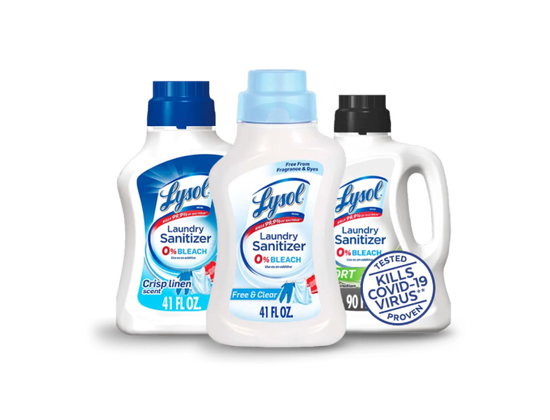
Not all disinfectants are safe for clothing, so pick ones labeled safe for fabrics. Adding a cup of white vinegar to your wash can boost disinfecting power without damaging fibers.
For delicate items, consider spray disinfectants designed for fabrics. Spray lightly, let them air dry, and avoid direct skin contact afterward. Have you tried this on your reusable masks or scarves? It’s a simple habit that adds protection.
Handling And Storage
After wearing clothes outside, don’t toss them directly into your clean laundry basket. Use a separate bin or bag for potentially contaminated clothing to avoid cross-contamination.
Store clean clothes in dry, well-ventilated areas. Avoid overcrowding your closet because tight spaces can trap moisture, which might encourage bacteria or viruses to linger longer.
How often do you wash your outerwear after a day out? Making it a routine can lower your chances of bringing viruses inside your home.
Credit: www.lysol.com
Scientific Studies And Findings
Scientific studies have explored how long Covid-19 survives on different surfaces, including clothes. Understanding these findings helps us know the risks and take proper precautions. Researchers tested various fabrics to see how long the virus remains active.
Virus Survival On Different Fabric Types
Studies show the virus survives longer on synthetic fabrics than natural ones. Cotton and wool tend to absorb and trap the virus, reducing its lifespan. Polyester and nylon may allow the virus to stay active for hours or days.
Impact Of Temperature And Humidity
Higher temperatures and humidity lower the virus’s survival time on clothes. Cold and dry conditions help the virus remain stable longer. This means the risk varies based on weather and washing habits.
Effectiveness Of Washing Clothes
Washing clothes with regular detergent removes and kills the virus effectively. Hot water speeds up the cleaning process. Drying clothes thoroughly also reduces any chance of virus survival.
Real-world Risk Of Transmission From Clothes
Scientists agree the risk of catching Covid-19 from clothes is very low. The virus loses strength quickly outside the body. Touching contaminated clothes is less risky than close contact with infected people.
Common Myths And Misconceptions
There are many myths and misconceptions about whether Covid-19 can survive on clothes. These ideas can cause unnecessary fear or careless behavior. Let’s clear up some common misunderstandings so you can make informed decisions about your clothing and safety.
Does Washing Clothes Kill The Virus?
Many people worry that washing clothes won’t remove the virus. But using regular detergent and warm water is enough to get rid of Covid-19 particles on fabric. You don’t need special chemicals or treatments. Just wash your clothes as you normally would.
Can Covid-19 Lurk On Your Clothes All Day?
Some think the virus stays active on clothes for hours or even days. The truth is, Covid-19 doesn’t survive well on soft, porous surfaces like fabric. It usually loses its ability to infect within a few hours. So, the risk from your clothes is much lower than from hard surfaces like doorknobs.
Is It Safe To Reuse Clothes Without Washing?
People often assume you must wash clothes immediately after wearing them to avoid infection. But if you haven’t been in close contact with a sick person, the chance of the virus being on your clothes is very low. You can safely wear clothes multiple times before washing, especially if you’re just at home or outdoors.
Can Drying Clothes In Sunlight Kill The Virus?
Many believe that drying clothes outside in the sun completely disinfects them. Sunlight does help reduce the virus, but it’s not a guaranteed way to kill all of it. Washing your clothes properly remains the most reliable method. Sunlight is a helpful extra step but shouldn’t replace washing.
Should You Avoid Touching Clothes In Public Places?
Some people avoid touching clothes in stores or laundromats out of fear. While caution is good, Covid-19 spreads mainly through respiratory droplets, not fabric contact. Washing your hands after touching public surfaces is more effective than avoiding clothes entirely. Ask yourself—are you cleaning your hands often enough?

Credit: famurgentcare.com
Safety Tips For Public Spaces
Staying safe in public spaces requires careful attention to how the virus can spread on clothes. Covid-19 can survive on fabric surfaces for some time. Taking simple steps reduces the chance of catching or spreading the virus through clothing. Keep your clothes clean and avoid touching your face. Follow these safety tips for different public settings.
Shopping And Public Transport
- Wear washable clothes that you can clean after outings.
- Choose fabrics that dry quickly and can be washed often.
- Carry hand sanitizer and use it after touching surfaces.
- Keep a safe distance from others to avoid droplets landing on clothes.
- Avoid touching your face or mask while shopping or on transport.
- Wash your clothes as soon as you return home.
- Use hot water and detergent to kill any virus on fabrics.
Workplace And Social Gatherings
- Wear fresh, clean clothes every day to lower contamination risk.
- Change clothes after work, especially if in crowded places.
- Keep a spare mask and change it if it gets damp.
- Avoid sharing towels, scarves, or hats with others.
- Wash hands often, especially after touching desks or door handles.
- Use clothes made from materials less likely to hold the virus.
- Wash work clothes separately from other laundry to prevent spread.
Frequently Asked Questions
How Long Does Covid-19 Survive On Clothes?
Covid-19 can survive on clothes from a few hours up to two days. Fabric type and environmental conditions affect virus longevity. Washing clothes with detergent and hot water effectively removes the virus and reduces infection risk.
Can Washing Clothes Kill The Covid-19 Virus?
Yes, washing clothes with detergent and hot water kills the Covid-19 virus. Heat and soap break down the virus’s protective layer, making it inactive. Proper drying further ensures that any remaining virus particles are eliminated.
Is It Safe To Handle Clothes During The Pandemic?
Handling clothes is generally safe if you wash hands after touching them. Avoid touching your face while handling potentially contaminated clothes. Regular washing and drying of clothes minimize any Covid-19 transmission risk through fabric.
Does Covid-19 Spread Through Clothing Contact?
Covid-19 spreads mainly through respiratory droplets, not clothing. Virus presence on clothes is possible but less common. Proper hygiene, washing, and avoiding face touching reduce any risk of transmission via clothes.
Conclusion
Covid-19 can survive on clothes for a short time. Washing clothes with soap removes the virus well. Drying clothes under sunlight helps kill germs faster. Avoid touching your face after handling worn clothes. Regular cleaning keeps you and others safer.
Staying careful with clothes adds one more layer of protection. Small actions matter in stopping the virus spread. Keep your clothes clean and stay healthy every day.


