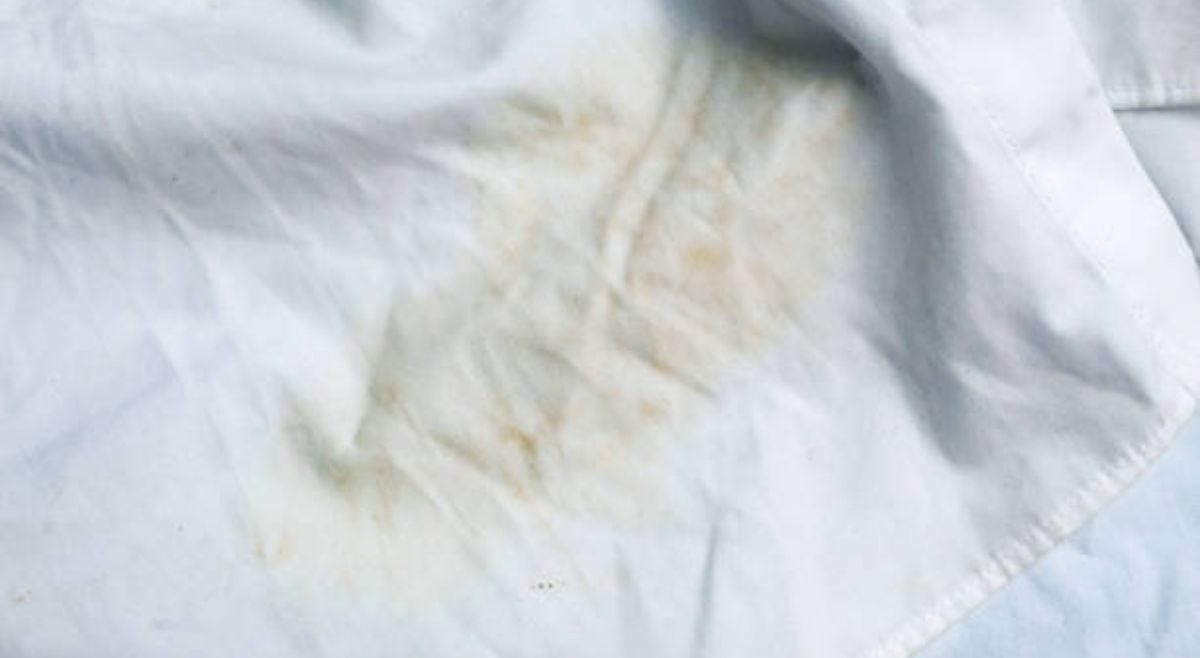
Have you ever wondered if mold can grow on your dry clothes? It’s a question that might seem simple, but the answer could affect your health and the freshness of your wardrobe.
You want to keep your clothes clean and safe, but what if mold is lurking where you least expect it? Understanding how mold behaves on dry fabrics can help you protect your clothes and your home. Keep reading to discover the surprising facts about mold on dry clothes and learn what you can do to stop it before it starts.
Mold Basics
Mold is a common problem in many homes. It can grow on different surfaces, including clothes. Understanding mold basics helps prevent its growth and protects your belongings. Mold often causes musty smells and can affect health. Knowing what mold is and how it thrives is essential for keeping clothes clean and safe.
What Is Mold?
Mold is a type of fungus that grows in tiny threads. It spreads by releasing spores into the air. These spores can land on many surfaces, including fabric. Mold appears as spots in colors like black, green, or white. It feeds on organic materials, breaking them down for nutrients. Mold growth can damage clothes and cause stains.
How Mold Thrives
Mold needs certain conditions to grow well. It thrives in warm, damp, and dark places. Moisture is the most important factor for mold growth. Dry clothes usually do not support mold growth. But if clothes stay damp for long, mold can start to grow. Poor air circulation and high humidity also help mold spread.

Credit: puracy.com
Mold Growth Factors
Mold needs certain conditions to grow, even on dry clothes. Understanding these factors helps prevent mold growth. The main elements include moisture, humidity, and temperature. Each plays a key role in whether mold can survive on fabrics. Below are two important growth factors that impact mold development.
Moisture And Humidity
Mold spores need moisture to grow. Dry clothes usually lack enough water for mold to thrive. But if humidity is high, moisture can gather on fabric surfaces.
High humidity creates a damp environment, perfect for mold spores. Clothes left in damp places or poorly ventilated rooms can develop mold. Even small amounts of moisture on clothes can support mold growth over time.
Temperature Conditions
Mold grows best in warm temperatures. Most molds prefer a range between 77°F and 86°F (25°C to 30°C). Cooler or hotter conditions slow mold activity.
Dry clothes stored in warm, humid areas are more vulnerable. Proper temperature control reduces mold risk. Keeping clothes in cool, dry spaces helps prevent mold from surviving on fabrics.
Dry Clothes And Mold Risks
Dry clothes often seem like a safe haven from mold, but is that really the case? Many people believe that once clothes are dry, mold can no longer survive or grow on them. However, the reality is a bit more complex. Understanding the risks associated with mold on dry clothes is essential to keep your wardrobe and home healthy.
Can Mold Grow Without Moisture?
Mold needs moisture to grow, but it doesn’t mean dry clothes are completely risk-free. Even if clothes feel dry to the touch, small amounts of lingering moisture can remain, especially in thicker fabrics or clothes stored in humid environments.
Think about a time when you left laundry in the washing machine for too long before drying it. You might have noticed a musty smell, a sign that mold spores began to grow despite the clothes feeling mostly dry. This shows that mold can start growing with minimal moisture, especially if the environment around the clothes is humid.
So, can mold grow without moisture? Technically, no. But it can survive in a dormant state on dry clothes until moisture returns. This means mold spores can wait quietly and then spring back to life when conditions improve.
Common Misconceptions
Many people think that drying clothes thoroughly in the sun or dryer completely eliminates mold risk. While these methods reduce moisture, they do not guarantee mold spores are wiped out.
Another misconception is that mold only grows on visibly wet or damp clothes. Mold spores can cling to dry fabrics and remain inactive for weeks or months, ready to grow once humidity rises.
People often overlook the storage environment. Dry clothes stored in airtight plastic bags or damp closets may trap moisture, creating a perfect mold-friendly environment.
- Mold spores can survive on dry clothes but need moisture to grow.
- Drying clothes quickly and thoroughly reduces but doesn’t eliminate mold risk.
- Proper ventilation and storage are key to keeping clothes mold-free.
Have you ever found a strange smell on clothes you thought were dry? It might be a subtle warning that mold spores are waiting to grow. What steps can you take today to keep your clothes truly safe from mold?
Preventing Mold On Clothes
Mold can grow on clothes that stay damp for too long. Preventing mold means keeping clothes dry and clean. Proper care stops mold spores from settling on fabrics. Follow simple steps to protect your wardrobe from mold damage.
Effective Drying Techniques
Dry clothes thoroughly after washing. Use a dryer with good airflow to speed drying. Hanging clothes outside under the sun helps kill mold spores. Avoid drying clothes in damp or dark places. Make sure clothes are completely dry before storing.
- Spread clothes out to allow air circulation.
- Turn clothes inside out to dry evenly.
- Use fans or dehumidifiers in humid rooms.
- Check clothes for moisture before putting away.
Proper Storage Solutions
Store clothes in clean, dry areas. Use breathable containers like cotton bags or fabric bins. Avoid plastic bags that trap moisture inside. Keep storage spaces well-ventilated to reduce humidity. Place moisture absorbers or silica gel packets near clothes.
- Fold clothes loosely to allow air flow.
- Regularly check stored clothes for dampness.
- Clean storage areas to remove dust and spores.
- Rotate clothes to prevent long-term storage.
Signs Of Mold On Clothes
Mold on clothes is a common problem that many face, especially in humid environments. Detecting mold early helps stop it from spreading and ruining fabric. Clothes with mold often show specific signs that anyone can notice.
Visible Indicators
Mold appears as spots or patches on fabric. These spots can be green, black, white, or gray. They may look fuzzy or slimy. Often, mold grows in damp or dark areas of clothes. Check collars, underarms, and folds closely. Sometimes, mold hides in seams or inside pockets.
Unusual Odors
Clothes with mold usually have a strong, musty smell. This odor is different from normal laundry scents. It can smell like damp earth or old wood. The smell often stays even after washing. If clothes smell bad and damp, mold may be the cause. Trust your nose to spot mold problems early.

Credit: www.carpetcleaningforce.co.nz
Health Implications Of Mold
Mold on dry clothes can cause serious health problems. Even if the clothes feel dry, mold spores can still be active. These spores can enter the air and affect your health in various ways. Understanding these health risks helps protect you and your family from harm.
Allergic Reactions
Mold spores often trigger allergic reactions. Symptoms include sneezing, itchy eyes, and skin rashes. People with mold allergies may experience more severe reactions. Some might develop hives or swelling after contact with moldy clothes. Allergic reactions can worsen if exposure continues over time.
Respiratory Issues
Breathing in mold spores can harm your lungs. Mold exposure may cause coughing, wheezing, and shortness of breath. People with asthma or other lung problems are more vulnerable. Long-term exposure can lead to chronic respiratory conditions. Keeping clothes mold-free helps reduce these risks.
Removing Mold From Clothes
Removing mold from clothes is essential to protect your health and keep your wardrobe fresh. Mold spores can cling stubbornly to fabric, and simply drying clothes may not be enough to eliminate them. Tackling mold early prevents stains and odors from becoming permanent, saving your favorite garments from damage.
Effective Cleaning Methods
Start by brushing off mold outdoors to avoid spreading spores inside your home. Use a mask if you’re sensitive to mold.
Wash clothes in hot water if the fabric allows. Add a cup of white vinegar or a half cup of baking soda to the wash cycle to kill mold and remove odors.
- Use detergent with mold-fighting properties or add a mold remover designed for fabrics.
- Sun-dry clothes whenever possible. Sunlight naturally kills mold spores and helps eliminate smells.
- For delicate fabrics, soak them in a mixture of water and lemon juice before washing.
Have you noticed persistent musty smells even after washing? This might mean the mold has deeply penetrated the fibers, requiring more intensive treatment.
When To Seek Professional Help
If mold stains don’t fade or the smell lingers after multiple washes, it’s time to consult a professional cleaner. Some molds produce toxins that can be harmful, and professionals have specialized equipment and cleaners to handle tough cases.
Professional services can also assess if your clothes are safe to keep or if removal is the better option. Protecting your health is more important than saving a garment.
Are you dealing with mold on vintage or expensive clothing? Experts can provide tailored treatments that reduce damage risk while effectively removing mold.
:max_bytes(150000):strip_icc()/how-to-remove-oil-stains-2147115-01-6e3699bfd6e34aa89fb9b28cd9f39b28.jpg)
Credit: www.thespruce.com
Frequently Asked Questions
Can Mold Grow On Completely Dry Clothes?
Mold cannot grow on clothes that are fully dry. It needs moisture to thrive. Dry clothes are typically safe from mold growth.
How Long Does Mold Take To Form On Damp Clothes?
Mold can start forming on damp clothes within 24 to 48 hours. Warm, humid conditions speed up mold growth significantly.
Does Washing Clothes Remove All Mold Spores?
Washing clothes with detergent and hot water removes most mold spores. However, stubborn spores may require additional treatment like vinegar or bleach.
Can Mold On Clothes Cause Health Problems?
Yes, mold on clothes can trigger allergies, respiratory issues, and skin irritation. It’s important to clean and dry clothes properly to avoid health risks.
Conclusion
Mold rarely grows on dry clothes because it needs moisture. Drying clothes well stops mold from starting. Keep clothes in a clean, dry place to protect them. Check for any damp spots before storing clothes. Regular washing helps remove mold spores early.
Staying aware prevents mold problems and keeps clothes fresh. Simple steps make a big difference in mold control. Dry clothes mean less risk and safer fabrics. Mold can’t thrive without water, so stay dry!


