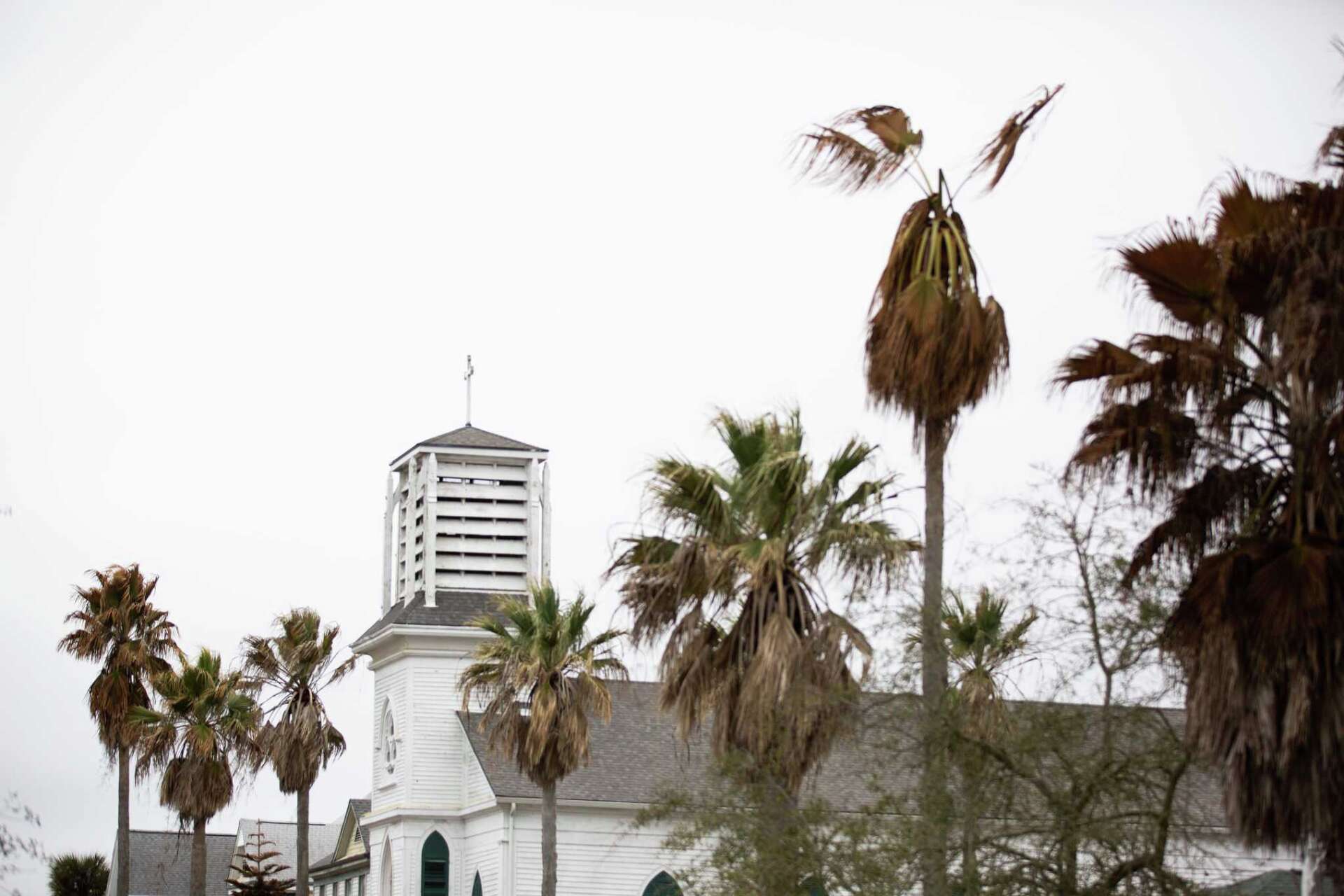
Are you wondering if your Queen Palms can brave the cold weather without losing their charm? You’re not alone.
Many palm lovers worry when temperatures drop, fearing their beautiful trees might suffer. But what if you could protect your palms and keep them thriving, no matter how chilly it gets? Keep reading to discover simple, effective tips that will help your Queen Palms survive and even flourish during cold spells.
Your garden deserves it.

Credit: www.gardeningknowhow.com
Queen Palms And Cold Tolerance
Queen Palms are popular for their elegant, tropical look, but their ability to withstand cold weather is often questioned. Understanding their cold tolerance helps you decide if they can thrive in your garden or if extra care is needed. Let’s look closely at how these palms respond to colder temperatures and what you can do to protect them.
Cold Hardiness Of Queen Palms
Queen Palms generally tolerate temperatures down to about 25°F (-4°C). Below this, they start showing damage like browning fronds and slowed growth. If your area experiences frequent freezes, these palms may struggle without protection.
I once watched a Queen Palm in my neighborhood survive a mild frost with just a few brown tips. However, after a hard freeze, it took months to bounce back. This showed me how delicate their cold tolerance can be.
Signs Of Cold Stress In Queen Palms
- Discolored Leaves:Yellowing or browning on the tips and edges.
- Wilting Fronds:Leaves that droop or curl up.
- Slow Growth:Palms stop growing or produce fewer new fronds.
- Trunk Damage:Darkened or mushy spots may appear after severe cold.
Noticing these signs early lets you take action before damage becomes permanent.
How To Protect Queen Palms From Cold
- Cover the Palm:Use frost cloths or blankets during cold nights.
- Mulch the Base:Add a thick layer of mulch around the trunk to keep roots warm.
- Water Before Frost:Moist soil holds heat better than dry soil.
- Choose the Right Location:Plant in spots shielded from wind and cold drafts.
Have you ever tried wrapping your palm or mulching heavily? These small steps can make a big difference in survival.
Identifying Cold Damage
Recognizing cold damage on your Queen Palm is key to saving it. Cold stress doesn’t always show up immediately, so keeping a close eye on your plant after a cold snap can make a huge difference.
Early signs of damage often appear on the leaves. You might notice discoloration or unusual texture changes. Catching these signs early gives you a better chance to help your palm recover.
Visual Signs Of Cold Damage
Look for browning or blackening at the leaf tips and edges. Leaves may also become limp or crispy. Sometimes, the whole leaf turns yellow before dying off.
You might see a dark, water-soaked appearance on the fronds, especially after a freeze. This indicates cell damage inside the leaves. It’s a clear sign your palm has suffered from cold temperatures.
Checking The Trunk And Bud
The trunk can show damage too. If the outer layer looks dark or mushy, it may have been frozen. This damage can slow growth or even kill the palm if severe.
Don’t forget to inspect the bud—the growing tip at the top. If it’s blackened or soft, new growth might stop. A healthy bud should be firm and greenish.
How To Differentiate Cold Damage From Other Issues
Cold damage can look like other problems such as disease or nutrient deficiency. But cold damage usually affects many fronds at once and appears suddenly after a cold event.
Diseases often cause spots or patterns on leaves, not uniform browning. Nutrient issues tend to develop slowly and affect older leaves first. Has your Queen Palm been exposed to a recent cold snap? That’s a big clue to focus on cold damage.
Winter Protection Techniques
Protecting your Queen Palms during cold weather is essential if you want them to thrive year after year. These palms are sensitive to frost and freezing temperatures, so taking proactive winter protection measures can save your trees from damage. Let’s look at some practical techniques you can use to shield your palms from the cold.
Mulching Strategies
Mulching around the base of your Queen Palm helps to keep the soil temperature steady. Use organic materials like wood chips, straw, or pine needles to create a thick layer around the root zone.
This layer acts like a blanket, reducing heat loss and protecting roots from freezing. Have you noticed how a good mulch can also improve soil moisture? This dual benefit supports your palm’s overall health during winter.
Frost Cloth Application
Covering your Queen Palm with frost cloths is an effective way to block out cold air and frost. These cloths are breathable, which prevents moisture buildup that can cause rot.
Wrap the fronds loosely, securing the cloth at the base to trap warmth without suffocating the plant. You might be surprised how simple this step can prevent leaf damage during unexpected cold snaps.
Creating Windbreaks
Cold winds can quickly sap heat from your Queen Palm, making windbreaks a crucial part of winter protection. You can set up temporary barriers using burlap screens or plant dense shrubs nearby.
These windbreaks reduce chilling effects and keep the microclimate around your palm warmer. Have you ever felt how much warmer it is behind a windbreak on a cold day? Your palm will feel the same way.

Credit: www.reddit.com
Selecting Cold-hardy Varieties
Selecting cold-hardy varieties is key for growing Queen Palms in cooler areas. Some types handle cold better than others. Choosing the right variety helps your palm survive frost and chilly winds. Cold-hardy palms need less protection and stay healthier during winter months.
Not all Queen Palms are the same. Some have natural traits that resist cold damage. These palms grow stronger and recover faster after cold spells. Knowing which varieties thrive in cold weather saves time and effort.
Traits Of Cold-hardy Queen Palms
- Thicker, tougher fronds that resist frost
- Slower growth to conserve energy in cold
- Deep root systems for better stability
- Ability to enter dormancy during cold periods
Popular Cold-hardy Queen Palm Varieties
| Variety | Cold Tolerance | Growth Rate |
|---|---|---|
| Syagrus romanzoffiana | Down to 15°F (-9°C) | Moderate |
| Syagrus coronata | Down to 20°F (-6°C) | Slow |
| Syagrus schizophylla | Down to 25°F (-4°C) | Moderate |
Tips For Selecting The Right Variety
- Check your area’s lowest winter temperature
- Pick varieties rated for your climate zone
- Buy from trusted nurseries with healthy plants
- Ask about the palm’s history with cold weather
Optimal Planting Locations
Choosing the best location for Queen Palms is crucial for their survival in cold weather. The right spot protects them from frost and harsh winds. This increases their chances to grow healthy and strong.
Planting in areas with warmer microclimates helps. These spots often have better sun exposure and less cold air pooling. Avoid places where cold air collects, like low spots or valleys. Understanding these factors improves palm survival during winter.
Choosing Microclimates
Microclimates are small areas with slightly different weather than nearby spots. Look for places near buildings or walls. These structures absorb heat during the day and release it at night.
South-facing slopes get more sunlight and stay warmer. Plant Queen Palms there to reduce cold stress. Urban areas often have warmer microclimates due to concrete and asphalt.
Choose spots that get full sun and are sheltered from cold winds. These conditions help palms stay warmer during chilly nights.
Avoiding Frost Pockets
Frost pockets are low-lying areas where cold air settles. These spots freeze more often and longer than surrounding areas.
- Do not plant Queen Palms in valleys or depressions.
- Choose higher ground with good air drainage.
- Look for gentle slopes that allow cold air to flow away.
Avoiding frost pockets reduces the risk of leaf damage and death from freezing. Proper site selection is a simple, effective step to protect Queen Palms in cold climates.
Watering Practices In Cold Weather
Watering Queen Palms during cold weather needs careful attention. Cold temperatures slow down the plant’s growth. Overwatering can harm the palm and cause root problems. Proper watering helps the palm stay healthy through cold spells.
Adjusting Water Amounts
Reduce the water volume in cold weather. The soil stays moist longer because of low evaporation. Too much water can suffocate roots and cause rot. Water only when the top inch of soil feels dry.
Timing Your Watering
Water during the warmest part of the day. Early afternoon is best to help water soak in. Avoid watering at night or early morning. Cold water and chilly soil can shock the roots.
Improving Soil Drainage
Good drainage prevents water from pooling around roots. Use sandy or loamy soil to improve drainage. Add mulch to keep soil temperature stable and reduce moisture loss. Mulch also protects roots from freezing.
Nutrient Management For Winter
Queen palms need special care in winter, especially with nutrients. Cold weather slows their growth, so they need the right feeding. Proper nutrient management helps palms stay healthy and resist cold damage.
Feeding queen palms before winter builds strong roots. It also helps leaves stay green despite cold. Avoid over-fertilizing, which can stress the palm in low temperatures.
Nitrogen Levels And Cold Stress
Nitrogen is vital for leaf growth but too much harms queen palms in winter. Excess nitrogen makes palms grow soft, which is bad during cold snaps. Use a balanced fertilizer with moderate nitrogen to keep leaves strong.
Importance Of Potassium And Magnesium
Potassium helps queen palms survive cold by improving water movement inside the plant. Magnesium supports photosynthesis and keeps leaves healthy. Fertilizers with these nutrients boost cold tolerance.
Timing Your Fertilizer Application
Apply fertilizer in late fall to prepare queen palms for winter. Feeding too late can promote new growth that frost can kill. Early feeding helps palms store energy and survive cold months.
Using Slow-release Fertilizers
Slow-release fertilizers provide steady nutrients over time. They reduce the risk of nutrient spikes that stress palms. This type of fertilizer suits queen palms in cooler climates best.
Water And Nutrient Absorption
Water helps queen palms absorb nutrients, even in cold weather. Keep soil moist but not soggy during winter. Dry soil limits nutrient uptake and weakens the palm’s cold resistance.
Pruning And Maintenance Tips
Pruning and maintenance play a vital role in helping Queen Palms survive cold weather. Proper care keeps the tree healthy and strong. It also reduces damage from frost and freezing temperatures. Regular trimming removes weak or dead fronds. This encourages new growth and prevents disease.
Maintaining your Queen Palm involves more than just pruning. Watering, fertilizing, and protecting the tree are important. Each task supports the palm’s ability to withstand cold spells. Follow simple tips to keep your palm thriving through chilly seasons.
How To Prune Queen Palms For Cold Weather
- Cut off brown, dead, or hanging fronds near the trunk.
- Avoid cutting green fronds; they provide energy to the tree.
- Use clean, sharp tools to prevent infection.
- Remove seed pods and flowers to focus energy on survival.
- Prune during dry days to reduce disease risk.
Maintaining Soil And Water For Winter Protection
- Keep soil moist but not waterlogged before frost.
- Mulch around the base to retain heat and moisture.
- Use a slow-release fertilizer in early fall.
- Avoid heavy fertilizing late in the season.
- Check soil drainage to prevent root rot.
Protecting Queen Palms From Freeze Damage
- Cover the palm with frost cloth or burlap during cold nights.
- Wrap the trunk with insulation to reduce cold injury.
- Place lights under the cover to provide gentle warmth.
- Remove coverings during the day to avoid overheating.
- Trim damaged fronds after the cold season ends.

Credit: gardenerspath.com
Frequently Asked Questions
Can Queen Palms Survive Freezing Temperatures?
Queen Palms are sensitive to freezing temperatures below 32°F (0°C). Prolonged frost can damage their fronds and trunk. Protect them with frost cloths or move potted palms indoors during cold snaps to ensure survival.
What Is The Cold Hardiness Zone For Queen Palms?
Queen Palms thrive best in USDA zones 9b to 11. They tolerate brief cold spells but prefer warm climates. In cooler zones, extra care like mulching and covering is essential to prevent cold damage.
How To Protect Queen Palms From Cold Weather?
Cover palms with frost blankets or burlap during cold nights. Use mulch around the base to retain soil warmth. Avoid pruning before winter to reduce stress. These steps help Queen Palms withstand occasional cold weather.
Do Queen Palms Recover After Cold Damage?
Yes, Queen Palms can recover if cold damage is not severe. Remove dead fronds and provide proper care, like watering and fertilizing. Recovery depends on the extent of frost injury and the palm’s overall health.
Conclusion
Queen Palms can survive cold weather with the right care and protection. They do best in mild climates but may struggle in freezing temperatures. Covering the palms during cold snaps helps prevent damage. Choosing a sheltered spot also improves their chances.
Watch for signs of frostbite and act quickly. With proper attention, these palms can thrive even in cooler areas. Cold weather is a challenge, but not always a threat. Keep these tips in mind to help your Queen Palms stay healthy year-round.


