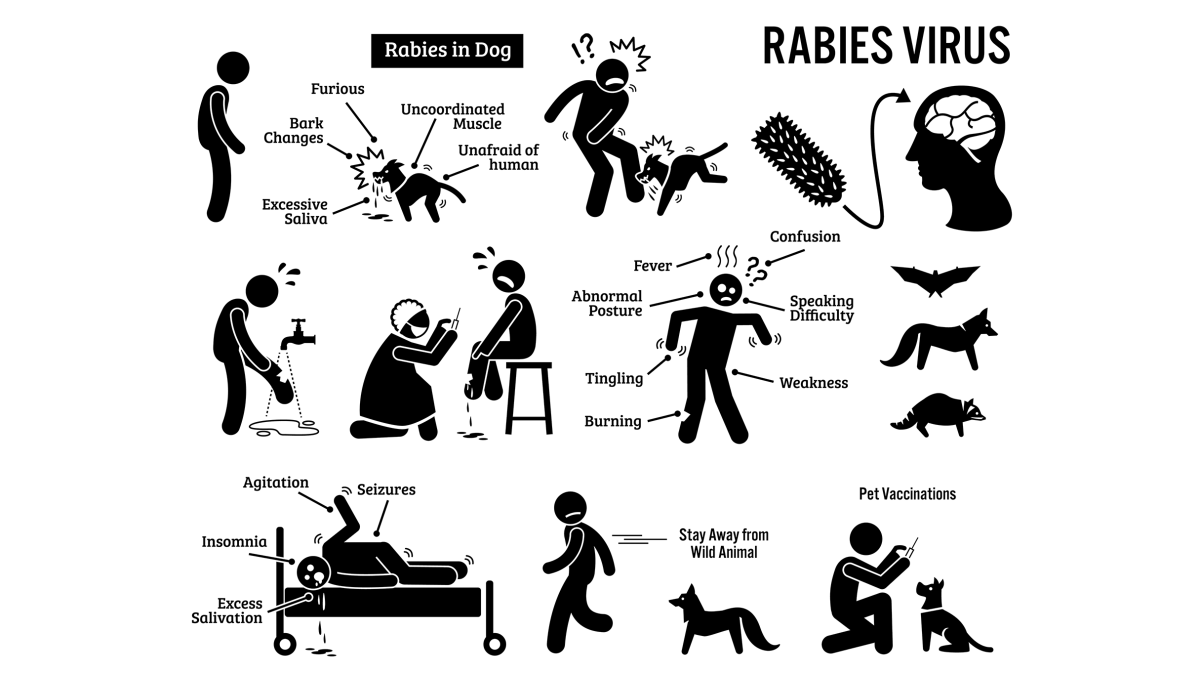
Have you ever wondered if the rabies virus can hide in your clothes or fabrics? It’s a question that might cross your mind if you’ve been near an animal that could carry this dangerous virus.
Understanding whether rabies can survive on the clothes you wear or the fabrics you touch is crucial for keeping yourself and your loved ones safe. You’ll discover the facts about how long the rabies virus can live outside the body, what risks your clothing might pose, and simple steps you can take to protect yourself.
Keep reading to clear up common fears and learn what really matters when it comes to rabies and your everyday fabrics.
Rabies Virus Basics
Understanding the rabies virus is important for safety and health. This virus causes a deadly disease affecting the brain and nervous system. It spreads mostly through animal bites. Knowing its features and how it moves helps protect people from infection.
Virus Characteristics
The rabies virus belongs to the Lyssavirus genus. It has a bullet shape and is covered by a lipid envelope. This envelope is fragile and breaks down outside the body quickly. The virus mainly infects nerve cells. It cannot survive long on dry surfaces like clothes or fabrics. It needs a living host to stay active.
Transmission Methods
The virus spreads mostly through saliva from infected animals. Bites or scratches allow the virus to enter the body. It can also pass through open wounds or mucous membranes. Direct contact with the brain or nervous tissue is risky too. The virus does not spread through casual contact or touching clothes.
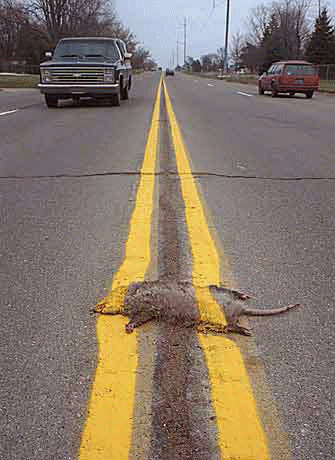
Credit: www.wormsandgermsblog.com
Survival Conditions For Rabies
The rabies virus is fragile once outside a host. Understanding the survival conditions helps assess risks from clothes or fabrics. The virus cannot live long without a host’s body fluids. Many factors affect how long it can survive on materials.
Environmental Factors
Temperature plays a key role in rabies survival. The virus dies faster in warm, dry places. Cold and moist environments may keep it alive longer. Direct sunlight also breaks down the virus quickly. Fabrics exposed to sunlight lose any virus within hours.
Humidity affects virus stability too. High humidity can protect the virus slightly. Low humidity causes it to dry out and die faster. Fabrics that stay damp can hold the virus for a short time. Clothes stored in dry, open air are safer.
Virus Stability Outside Host
Rabies virus cannot replicate outside living cells. It relies on fresh saliva or nervous tissue to survive. On fabrics, the virus loses strength in minutes or hours. Porous materials like cotton absorb fluids and dry quickly. This reduces virus survival time.
Non-porous surfaces like plastic may keep the virus longer than fabrics. Still, the virus becomes inactive within a day outside a host. Washing clothes with detergent removes and destroys the virus effectively. Proper hygiene prevents any risk from contaminated fabrics.
Rabies On Clothes And Fabrics
Rabies virus is primarily transmitted through the saliva of infected animals, raising concerns about its survival on clothes and fabrics. Understanding how long the virus can remain active on different textiles helps you make safer choices, especially if you handle potentially contaminated materials. This knowledge is crucial in preventing accidental exposure and ensuring your environment stays secure.
Virus Longevity On Textiles
The rabies virus does not survive long outside a host. On dry surfaces like clothes and fabrics, its lifespan is very short—often just a few hours. The virus quickly loses its ability to infect once it dries out.
Still, if the fabric is damp or stained with fresh saliva, the virus can remain infectious for longer periods. This makes immediate cleaning essential if you suspect contamination.
Impact Of Fabric Type
Not all fabrics affect the virus the same way. Porous materials like cotton or wool absorb moisture faster, which can help the virus dry out and die quicker. However, synthetic fabrics such as polyester hold moisture longer, potentially extending the virus’s survival.
Think about your clothing choices if you’re in contact with animals or their environments. Wearing fabrics that dry quickly and washing them thoroughly can reduce any risk. Have you ever considered how your everyday clothes might play a role in your safety against viruses?

Credit: www.yahoo.com
Risk Of Infection From Contaminated Fabrics
Rabies virus mainly spreads through bites from infected animals. The virus lives in saliva and brain tissue. Fabrics or clothes can get contaminated if exposed to saliva or brain material. This raises concerns about the risk of infection from such fabrics. Understanding this risk helps prevent accidental exposure and infection.
Possibility Of Transmission
Rabies virus cannot survive long outside a host body. On dry surfaces like clothes, the virus dies quickly. The virus is fragile and sensitive to sunlight and drying. Transmission through contaminated fabrics is very rare. Contact with fresh, wet saliva on fabric poses the highest risk. Touching dry, old fabrics is unlikely to cause infection.
Preventive Measures
- Wear gloves when handling clothes exposed to animal saliva.
- Wash contaminated fabrics immediately with hot water and detergent.
- Use disinfectants like bleach on heavily soiled items.
- Keep fabrics dry and exposed to sunlight to reduce virus survival.
- Avoid touching your face or open wounds during fabric cleaning.
Cleaning And Disinfecting Fabrics
Cleaning and disinfecting fabrics after potential exposure to the rabies virus is crucial to ensure your safety and peace of mind. The virus does not survive long outside a host, but taking proper cleaning steps helps eliminate any risk. Understanding the right techniques and disinfectants can make this process straightforward and effective.
Effective Cleaning Techniques
Start by washing the fabric in hot water, as heat helps break down the virus. Use a heavy-duty detergent to remove organic material that might protect the virus from disinfectants.
Scrubbing gently but thoroughly can help remove any residues trapped in the fibers. Avoid shaking the fabric to prevent spreading contaminants through the air.
After washing, dry the fabric completely at a high temperature, preferably in a dryer. Sunlight can also help, as UV rays contribute to virus inactivation.
Recommended Disinfectants
Not all disinfectants are equally effective against the rabies virus. Choose products that clearly state they kill viruses and are safe for use on fabrics.
- Chlorine bleach:A diluted solution (about 1 part bleach to 30 parts water) is highly effective. Test on a small area first to avoid discoloration.
- Hydrogen peroxide:Use a 3% solution for disinfecting fabrics. It’s less harsh than bleach and breaks down into water and oxygen.
- Alcohol-based disinfectants:Solutions with at least 70% alcohol can deactivate the virus but may not penetrate thick fabrics well.
Do you know where to find these disinfectants in your home or nearby stores? Being prepared with the right supplies can save you time and reduce worry after potential exposure.

Credit: www.liebertpub.com
Frequently Asked Questions
Can Rabies Virus Live On Clothes Or Fabrics?
Rabies virus rarely survives long on clothes or fabrics. It needs a living host to stay infectious. Exposure to sunlight and drying kills the virus quickly on these surfaces.
How Long Does Rabies Virus Survive On Fabric?
Rabies virus can survive only a few hours on fabric. Environmental factors like heat and dryness reduce its lifespan. It cannot remain infectious on clothes for days.
Can Touching Clothes With Rabies Virus Cause Infection?
Touching clothes contaminated with rabies virus poses very low infection risk. The virus does not enter through intact skin. Infection mainly occurs via bites or saliva contact with wounds.
What Is The Best Way To Disinfect Fabrics Exposed To Rabies?
Wash fabrics thoroughly with hot water and detergent to kill rabies virus. Drying in sunlight or using a high-temperature dryer also helps eliminate the virus. Avoid direct contact until cleaning is done.
Conclusion
Rabies virus does not live long on clothes or fabrics. It needs a living host to survive and spread. Washing clothes with soap and water removes any possible virus. Still, avoid contact with wild or stray animals to stay safe.
Clean fabrics well if exposed to animal saliva or blood. Understanding how rabies spreads helps protect you and your family. Stay cautious, keep clean, and prevent risks from this virus. Safety matters most when dealing with any disease threat.

