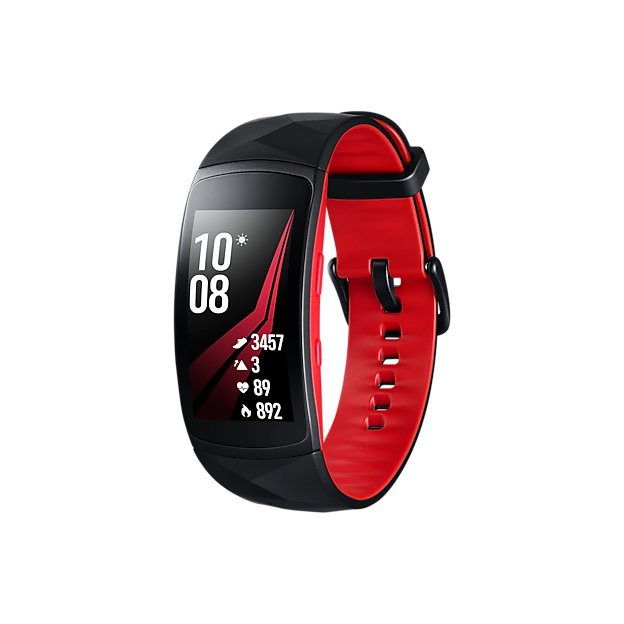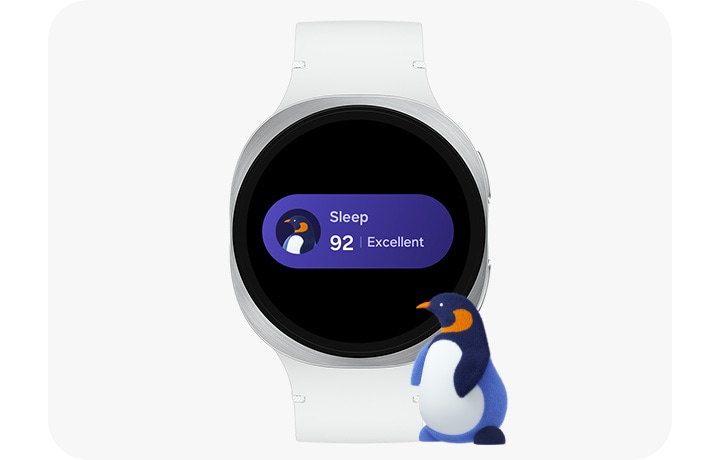
Are you curious if your Samsung Gear Fit 2 can keep an eye on your sleep? Understanding how well you sleep is key to feeling energized and staying healthy.
But not all fitness trackers handle sleep tracking the same way. You’ll discover exactly how the Gear Fit 2 monitors your sleep patterns, what data it collects, and how accurate it really is. Keep reading to find out if this device can become your personal sleep coach and help you improve your nightly rest.

Credit: www.amazon.com
Samsung Gear Fit 2 Sleep Tracking Features
The Samsung Gear Fit 2 offers sleep tracking features designed to help users understand their sleep patterns. It monitors sleep stages and provides insights to improve rest quality. The device works quietly throughout the night without disturbing the wearer.
How Sleep Tracking Works
The Gear Fit 2 uses motion sensors to detect movements during sleep. It tracks when the user falls asleep, wakes up, and the time spent in each sleep stage. The device analyzes light and deep sleep phases to give a clear overview of sleep quality.
Sensors Involved
The main sensors that support sleep tracking include:
- Accelerometer: Detects body movement and activity levels.
- Heart Rate Sensor: Measures heart rate changes during sleep.
These sensors work together to gather accurate sleep data. The combination helps identify different sleep stages and restlessness.
Data Accuracy
The Gear Fit 2 provides fairly accurate sleep data for most users. It may miss some brief awakenings or slight movements. Sleep tracking accuracy depends on how well the device fits on the wrist. Proper wear improves sensor contact and data reliability.
.png)
Credit: www.independent.co.uk
Setting Up Sleep Tracking
Setting up sleep tracking on the Samsung Gear Fit 2 is simple and helps you monitor your rest effectively. The device collects data on your sleep patterns and provides insights for better health. Follow these steps to start tracking your sleep and make the most of your Gear Fit 2.
Enabling Sleep Mode
To track sleep, you must enable sleep mode on your Gear Fit 2. Go to the device settings and find the sleep section. Turn on sleep mode before going to bed. The watch will then monitor your movements and heart rate during the night. This helps it detect when you fall asleep and wake up.
App Integration
Sleep data syncs with the Samsung Health app on your phone. Open Samsung Health to view detailed sleep reports. The app shows sleep duration, deep sleep, and light sleep phases. It also offers tips to improve sleep quality. Make sure your Gear Fit 2 is connected to your phone via Bluetooth for smooth data transfer.
Customizing Settings
Adjust sleep tracking settings to fit your needs. Set your usual bedtime and wake-up time for accurate tracking. Choose to receive sleep reminders or notifications. You can also enable vibration alerts to wake you gently. Customize these options in the Samsung Health app or directly on the Gear Fit 2.
Analyzing Sleep Data
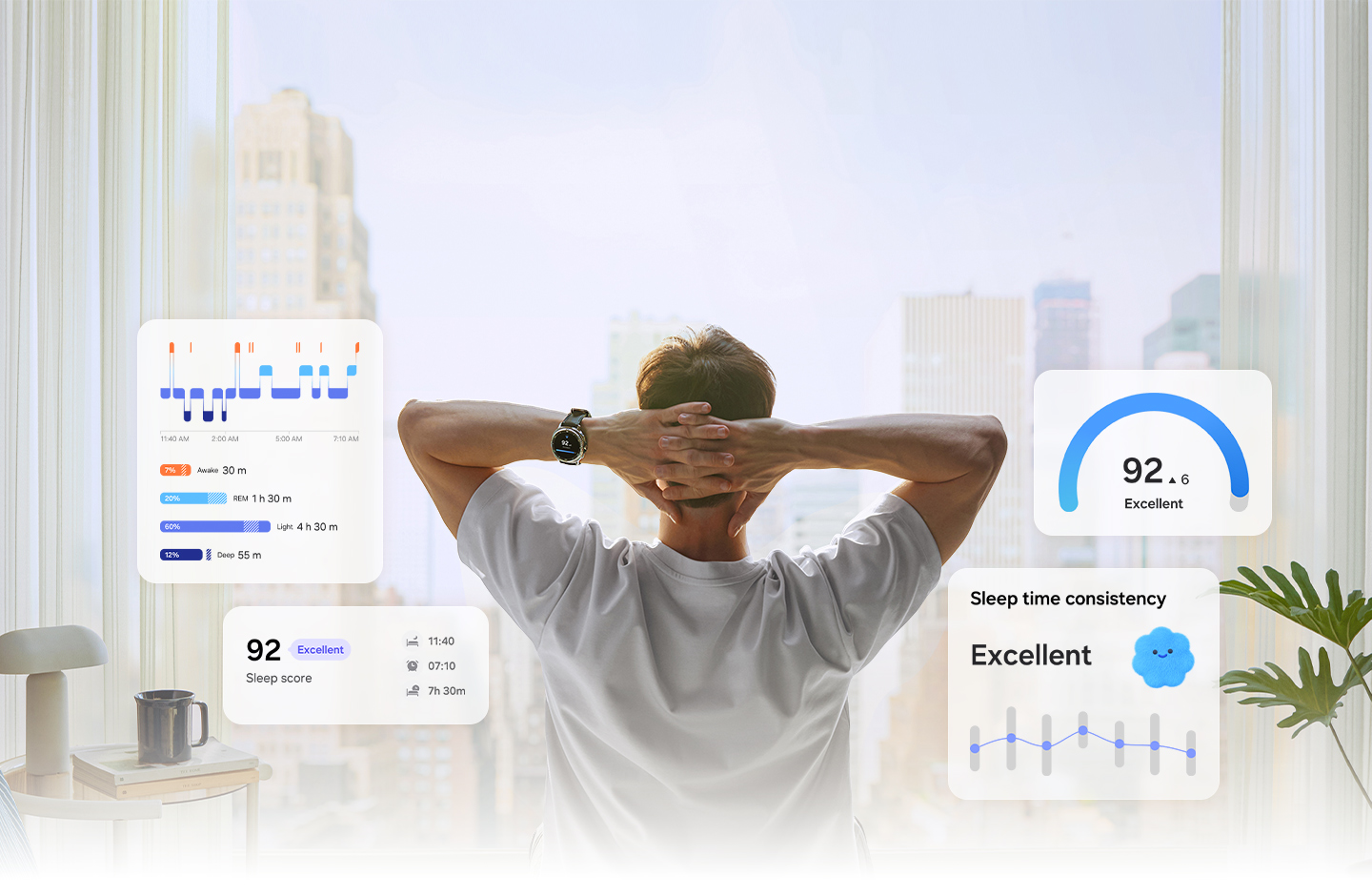
The Samsung Gear Fit 2 provides insightful sleep tracking features. Its ability to analyze sleep data helps users understand their sleep patterns. By evaluating sleep stages, duration, and quality metrics, users can improve their sleep health.
Sleep Stages
The Gear Fit 2 monitors different sleep stages. It tracks light, deep, and REM sleep stages. This information helps users identify disruptions in their sleep cycle. Understanding these stages can lead to better rest at night.
Sleep Duration
Tracking sleep duration is crucial for overall health. The Gear Fit 2 records total sleep time each night. It provides users with detailed summaries. This helps users ensure they get enough rest consistently.
Sleep Quality Metrics
The device evaluates sleep quality through various metrics. It considers factors like motion and heart rate. These metrics give users a clear view of their sleep quality. Users can make informed decisions to enhance their sleep environment.
Credit: www.samsung.com
Benefits Of Tracking Sleep With Gear Fit 2
Tracking your sleep with the Samsung Gear Fit 2 offers more than just data—it gives you a window into your nightly rest patterns that can directly improve your well-being. Understanding how you sleep helps you make smarter choices about your daily routine and overall health. Let’s look at the key benefits you gain by using the Gear Fit 2 to monitor your sleep.
Improving Sleep Habits
The Gear Fit 2 tracks your sleep stages and duration, showing you how much deep and light sleep you’re getting. This detailed insight helps you spot habits that might be disturbing your rest, like late-night screen time or caffeine intake. Have you noticed how small changes, like adjusting your bedtime by 30 minutes, can make a big difference in how refreshed you feel?
By consistently reviewing your sleep data, you can identify patterns and set realistic goals to improve your sleep quality. The device’s gentle vibration alarms also help you wake up at the best time in your sleep cycle, reducing grogginess.
Health Insights
Sleep is a crucial factor in many health conditions, from heart disease to mental health. The Gear Fit 2 provides valuable data that helps you understand your body’s needs better. For example, if you see frequent restless nights, it might be a sign to check in with a healthcare provider.
Using sleep data alongside your physical activity records can reveal how exercise affects your rest. Have you ever wondered why you feel more tired after a workout day? Your Gear Fit 2 can help connect the dots.
Daily Performance Impact
How well you sleep directly affects your energy, focus, and mood throughout the day. Tracking sleep with Gear Fit 2 lets you observe how different sleep patterns influence your daily performance. You might find that after nights with less deep sleep, your concentration drops, or your motivation wanes.
By understanding these links, you can plan your day better—perhaps scheduling demanding tasks when you know you’re most alert. Isn’t it empowering to use your sleep data to boost productivity instead of just guessing how you feel?
Limitations And Accuracy Concerns
The Samsung Gear Fit 2 offers sleep tracking as one of its key features, but it’s important to understand its limitations and accuracy concerns before relying on the data. While it provides useful insights, the device isn’t flawless in detecting all sleep stages or disturbances. Knowing where it falls short can help you decide how much trust to put in its sleep reports.
Common Issues
Many users notice that the Gear Fit 2 sometimes misinterprets periods of restlessness as awake time or light sleep. It can struggle to accurately detect when you actually fall asleep, especially if you stay very still while awake. Another common problem is the lack of detailed tracking for REM sleep, which is crucial for understanding sleep quality.
Battery life can also affect sleep tracking. If your device runs low, it might stop recording mid-night, leaving gaps in your data. Have you ever checked your sleep stats only to find incomplete or inconsistent results?
Comparisons With Other Devices
Compared to newer devices like the Fitbit Charge 5 or Apple Watch Series 8, the Gear Fit 2’s sleep tracking feels somewhat basic. Many newer models use advanced sensors to monitor heart rate variability and blood oxygen levels, providing deeper sleep insights. Samsung’s device mostly relies on movement and heart rate, which limits its precision.
Here’s a quick comparison table:
| Feature | Samsung Gear Fit 2 | Fitbit Charge 5 | Apple Watch Series 8 |
|---|---|---|---|
| Sleep Stages (Light, Deep, REM) | Basic detection | Advanced detection | Advanced detection |
| Heart Rate Monitoring | Continuous | Continuous with variability | Continuous with variability |
| Blood Oxygen Monitoring | No | Yes | Yes |
| Battery Life During Sleep Tracking | Up to 3 days | Up to 7 days | Up to 18 hours |
User Feedback
Users often praise the Gear Fit 2 for its comfort during sleep, which encourages consistent use. However, many share frustrations about inconsistent sleep data that doesn’t always match how rested they feel. Some report the device underestimates sleep duration, especially on nights with restless movements.
One user mentioned, “I felt tired after a night the device marked as ‘good sleep.’ It made me question its reliability.” Have you experienced a disconnect between your sleep data and how you actually feel?
Taking these limitations into account, you can use the Gear Fit 2’s sleep tracking as a general guide rather than an exact science. Combining its data with how you feel each morning might give you a clearer picture of your sleep health.
Tips To Enhance Sleep Tracking Accuracy
Getting the most accurate sleep data from your Samsung Gear Fit 2 requires more than just wearing the device overnight. Small adjustments in how you wear it, keeping your app up to date, and managing your environment can make a huge difference. These tips will help you trust the numbers you see and understand your sleep patterns better.
Wearing Guidelines
The way you wear your Gear Fit 2 affects its ability to track your sleep accurately. Make sure the band fits snugly but comfortably on your wrist—too loose and the sensors can lose contact, too tight and it might disturb your sleep.
Try to wear it on your non-dominant hand, as this hand tends to move less during sleep, allowing the device to detect your rest more precisely. If you notice inconsistent sleep data, adjust the band placement slightly and see if that improves readings.
App Updates
Keeping your Samsung Health app and Gear Fit 2 firmware updated is crucial for sleep tracking accuracy. Developers regularly release updates that fix bugs and improve sensor algorithms, which can directly impact data quality.
Check for updates weekly and install them promptly to benefit from the latest improvements. Have you ever ignored an update only to find your sleep data suddenly looking strange? Staying current can prevent that.
Environmental Factors
Your sleeping environment can also influence the accuracy of your Gear Fit 2’s sleep tracking. Excessive movement caused by noise or an uncomfortable bed can confuse the sensors, resulting in inaccurate sleep stages or missed sleep periods.
Try to create a quiet, dark, and cool room to minimize disturbances. Notice how your sleep data improves when your surroundings are calm? Small changes like these help your device do its job better.
Frequently Asked Questions
Can Samsung Gear Fit 2 Track Sleep Patterns Accurately?
Yes, Samsung Gear Fit 2 tracks sleep patterns by monitoring movement and heart rate. It provides insights into light, deep, and REM sleep stages for better sleep analysis.
How Does Gear Fit 2 Monitor Sleep Quality?
Gear Fit 2 uses built-in sensors to detect motion and heart rate. It analyzes this data to evaluate sleep quality and duration automatically throughout the night.
Can I View My Sleep Data On Samsung Health App?
Yes, sleep data from Gear Fit 2 syncs automatically to the Samsung Health app. You can review detailed sleep reports and trends directly on your smartphone.
Does Gear Fit 2 Require Manual Sleep Tracking Activation?
No, Gear Fit 2 tracks sleep automatically when you wear it overnight. There is no need to manually start or stop sleep tracking each night.
Conclusion
The Samsung Gear Fit 2 can track your sleep patterns well. It records light, deep, and awake times during the night. The data helps you understand your sleep quality better. You can use this info to improve your rest. The device works best when worn consistently.
It also syncs easily with the Samsung Health app. Overall, it offers a simple way to monitor sleep. A useful tool for anyone wanting better sleep habits.