Have you ever wondered if viruses can hide in your clothes or fabrics? You touch your clothes every day, but do you really know if they could be carrying harmful germs?
Understanding how long viruses survive on fabrics can help you protect yourself and your loved ones. You’ll discover simple facts that could change how you handle your laundry and stay safe. Keep reading—what you learn here might surprise you and help you make smarter choices for your health.
Credit: health.clevelandclinic.org
Virus Lifespan On Fabrics
Understanding how long viruses can live on fabrics is crucial for managing your daily hygiene and reducing the risk of infection. Viruses don’t survive equally on all cloth surfaces, and their lifespan can vary widely. This knowledge helps you make smarter choices about washing and handling your clothes.
Factors Affecting Survival Time
Several factors influence how long a virus stays alive on fabrics. Temperature plays a big role; warmer conditions usually shorten virus lifespan. Humidity levels matter too—viruses often survive longer in moist environments.
Another key factor is the presence of sunlight or UV exposure. Natural light can kill viruses quickly, so drying clothes outside can be more effective than indoor drying. The type of virus itself also affects survival, as some are hardier than others.
Types Of Fabrics And Virus Persistence
Different fabrics hold viruses for different lengths of time. Smooth, non-porous fabrics like polyester tend to keep viruses alive longer than porous ones like cotton. This happens because porous fabrics absorb moisture, which can dry out and deactivate viruses faster.
| Fabric Type | Typical Virus Survival Time | Notes |
|---|---|---|
| Cotton | Up to 1-2 days | Absorbs moisture, reducing virus lifespan |
| Polyester | Up to 3 days | Smoother surface, viruses last longer |
| Wool | Less than 1 day | Porous and dries quickly |
| Silk | Varies, usually under 24 hours | Delicate fabric, less virus-friendly |
Have you noticed how quickly your cotton shirts dry compared to synthetic ones? That quick drying helps reduce virus survival. Next time you’re deciding what to wear or how to wash your clothes, think about the fabric’s impact on virus persistence.

Credit: www.mdpi.com
Common Viruses On Clothing
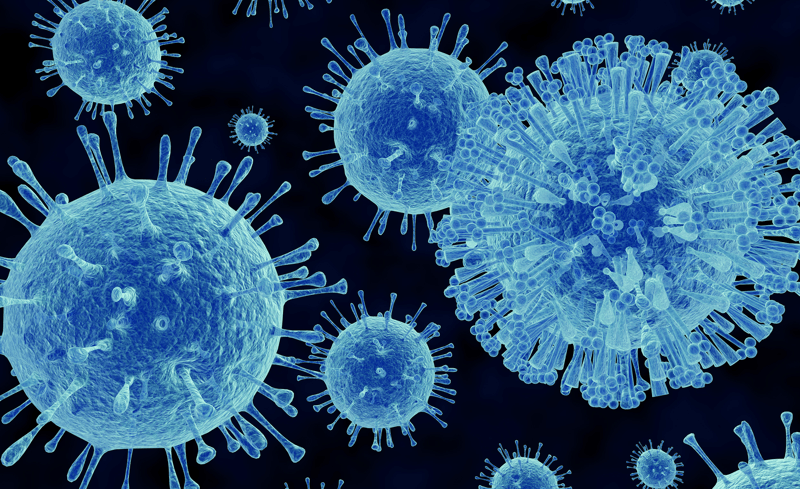
Clothes and fabrics can carry various viruses. These viruses survive for hours or days on different materials. Understanding common viruses on clothing helps in taking proper precautions. Some viruses stick easily to fabric fibers and remain infectious. Others lose their strength quickly outside the body. Knowing which viruses can be found on clothes helps prevent infections.
Respiratory Viruses
Respiratory viruses spread through droplets from coughs or sneezes. They can land on clothing and stay active. Common examples include:
- Influenza virus
- Rhinovirus (common cold)
- Coronavirus (including COVID-19)
These viruses survive longer on soft fabrics than hard surfaces. Clothes worn near sick people may carry these viruses. Frequent washing reduces the risk of spreading.
Gastrointestinal Viruses
Gastrointestinal viruses cause stomach and intestinal illnesses. They spread through contact with contaminated surfaces or bodily fluids. Typical viruses found on clothes include:
- Norovirus
- Rotavirus
- Adenovirus
These viruses can survive on fabrics for days. Handling soiled clothes carefully is important. Washing with hot water kills most of them.
Bloodborne Viruses
Bloodborne viruses spread through contact with infected blood or fluids. They can contaminate clothing with blood stains. Common bloodborne viruses are:
- Hepatitis B virus (HBV)
- Hepatitis C virus (HCV)
- Human Immunodeficiency Virus (HIV)
These viruses survive less time on fabrics compared to others. Still, caution is needed when handling bloodied clothes. Proper cleaning and disinfection are essential to reduce risks.
Transmission Risks From Fabrics
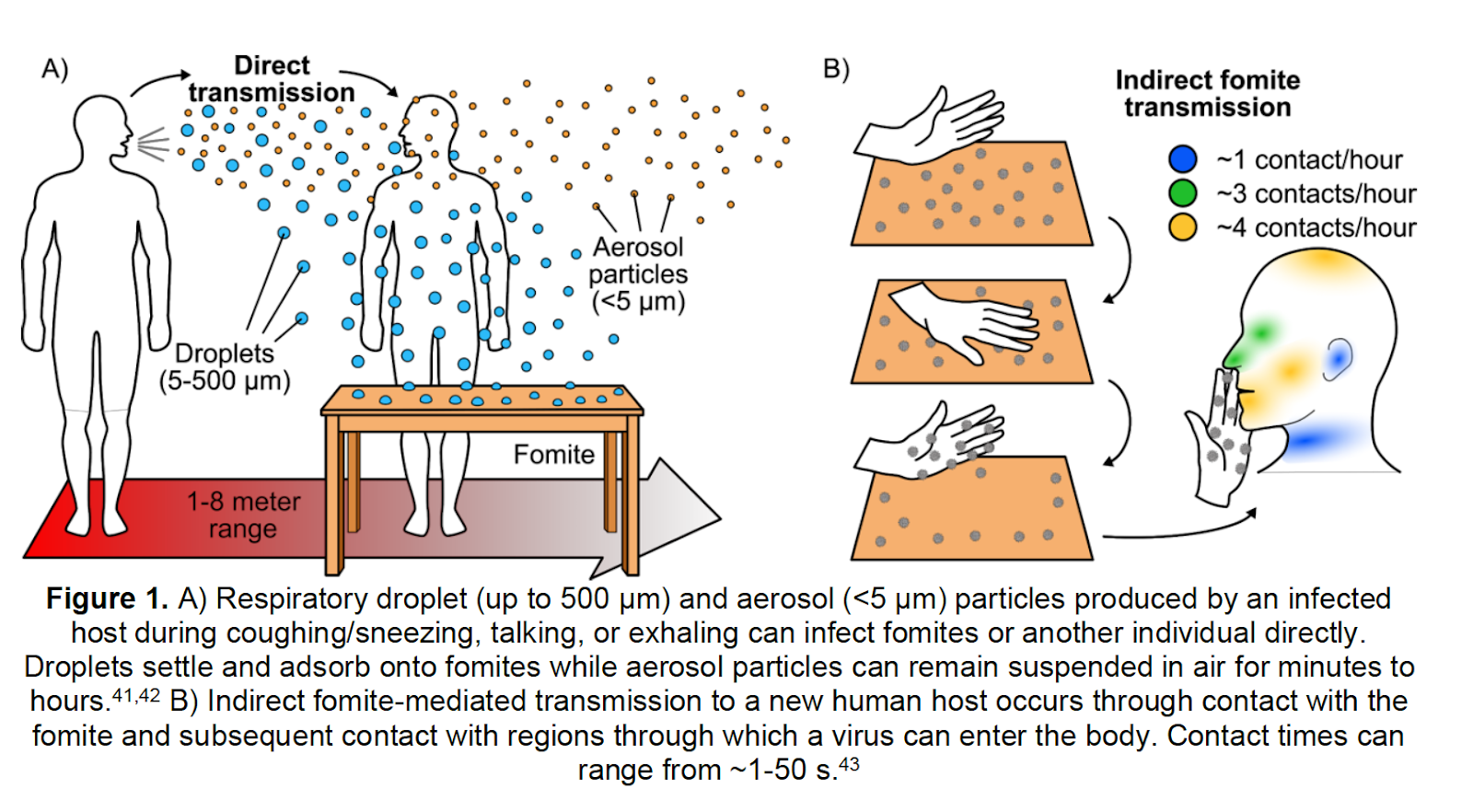
Fabrics can carry viruses, making them a possible source of infection. Understanding the risks of virus transmission through clothes helps in taking proper safety steps. Viruses do not live forever on fabrics but can survive long enough to spread. The risk depends on how the virus gets on the fabric and what happens next.
Contact Transmission
Viruses can transfer from clothes to hands and then to the face. Touching contaminated fabric and then touching the eyes, nose, or mouth can cause infection. Close contact with others who wear contaminated clothes can also spread viruses. The virus amount on fabric decreases over time but can still be enough to infect. Handling laundry carefully reduces the chance of virus spread.
Environmental Conditions Impact
Temperature and humidity affect how long viruses survive on fabrics. Viruses live longer in cool, dry places. Warm and moist conditions help viruses die faster. Sunlight, especially UV rays, can break down viruses quickly. Different fabric types also affect virus survival times. Smooth, non-porous fabrics may hold viruses longer than rough, porous ones.
Effective Cleaning Methods
Cleaning clothes and fabrics properly is key to stopping viruses from surviving. Using the right techniques ensures germs get removed or killed. Understanding how washing, disinfecting, drying, and ironing affect fabrics helps keep you safe.
Washing Temperature And Detergents
Hot water kills most viruses on fabrics. Washing clothes at 60°C (140°F) or higher is effective. Cold water may not remove viruses well. Use a good detergent to break down germs and dirt. Detergents with enzymes work better. Avoid overloading the washing machine for thorough cleaning.
Disinfection Techniques
Disinfectants help destroy viruses on clothes. Use products safe for fabrics, like bleach or alcohol-based sprays. Follow instructions carefully for proper use. Soak fabrics in disinfectant solutions if possible. Avoid mixing chemicals to prevent damage or harmful fumes. Some fabrics may require special care when disinfecting.
Drying And Ironing Effects
Drying clothes in direct sunlight helps kill viruses. Heat from dryers also reduces germs effectively. High heat drying is better than air drying for virus removal. Ironing fabrics with a hot iron can kill remaining viruses. Focus on seams and thick areas where viruses hide. Check fabric care labels to avoid damage while ironing.
Preventive Measures For Clothing
Clothes and fabrics can harbor viruses, making it essential to take preventive measures to keep yourself and others safe. You might not realize how often you touch your clothing throughout the day, potentially transferring germs. Taking simple, careful steps can reduce the risk of contamination and spread.
Handling Contaminated Clothes Safely
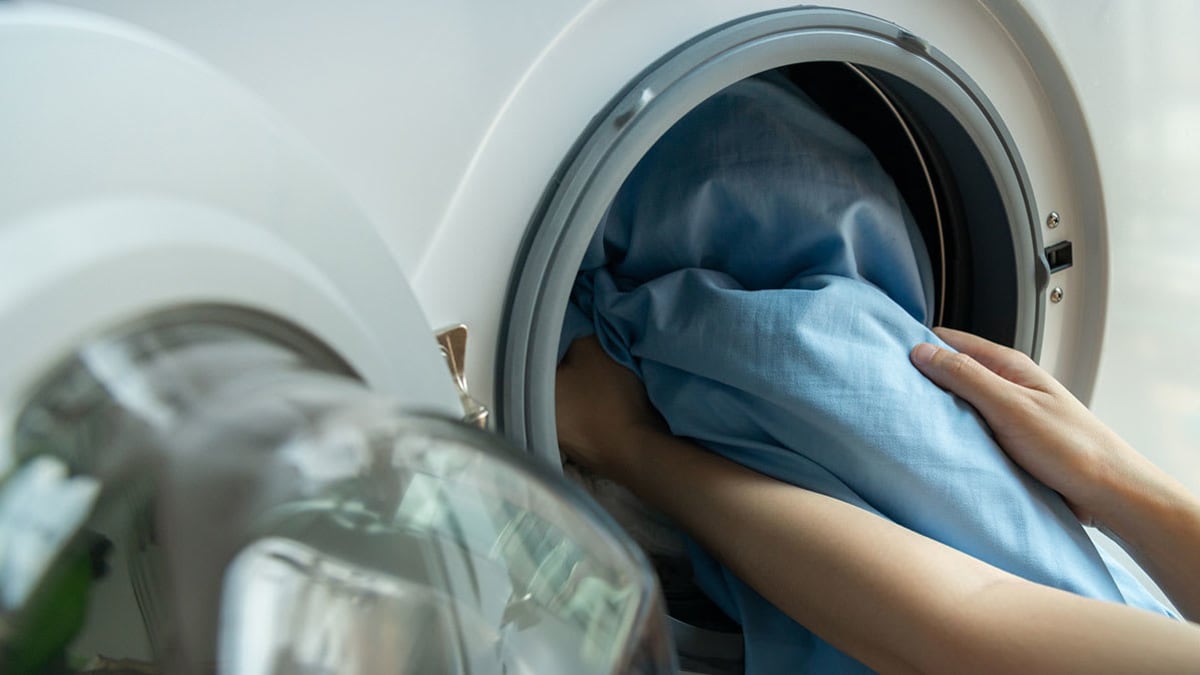
Always treat clothes that might be contaminated as if they are infectious. Avoid shaking them to prevent virus particles from becoming airborne. Use gloves if you suspect your clothes have been exposed to viruses, especially after visiting crowded places or caring for someone sick.
When removing your clothes, handle them gently and place them directly into a laundry basket or bag. Wash your hands thoroughly after handling these items. Have you noticed how a small change in how you handle clothes can protect your whole household?
Storage And Maintenance Tips
Store clean clothes in a dry, well-ventilated area to prevent viruses from surviving on fabric surfaces. Avoid overcrowding your closet to allow air circulation. For fabrics worn frequently, consider washing them regularly—even if they don’t look dirty.
Use the warmest water safe for the fabric to wash clothes, as heat helps kill viruses. Adding a disinfectant to your laundry can offer extra protection. Have you tried changing how often you wash your outerwear during cold and flu season? It might make a bigger difference than you think.
Credit: www.consumerreports.org
Myths And Facts About Virus On Clothes
People often worry about viruses lingering on clothes and fabrics. Many ideas about this topic are not true. Understanding what is fact and what is myth helps reduce unnecessary fear. Clothes can carry germs, but viruses do not survive long on fabric. Knowing the truth can guide safe habits without stress.
Common Misconceptions
- Viruses stay active on clothes for days.
- Touching fabric spreads infection easily.
- Washing clothes is not necessary after exposure.
- Drying clothes in sunlight kills all viruses instantly.
These beliefs cause confusion and sometimes panic. Not all viruses behave the same on surfaces. Fabric type and environment affect virus survival.
Scientific Findings
Research shows viruses survive shorter times on porous materials like clothes. Soft surfaces absorb moisture and trap viruses inside fibers. This reduces their ability to infect.
Studies reveal:
| Virus Type | Survival Time on Fabric |
|---|---|
| Influenza | Up to 8-12 hours |
| Coronavirus (SARS-CoV-2) | Few hours to a day |
| Common cold viruses | Less than 24 hours |
Washing clothes with detergent removes and inactivates most viruses. Dry heat from dryers also helps reduce virus presence.
Frequently Asked Questions
Can Viruses Live On Clothes Or Fabrics?
Yes, viruses can survive on clothes and fabrics for hours to days, depending on the virus type and fabric material. Porous fabrics usually reduce virus survival time compared to non-porous surfaces.
How Long Do Viruses Survive On Fabric Surfaces?
Virus survival on fabrics varies from a few hours to several days. Factors like temperature, humidity, and fabric type influence their longevity on clothes.
Can Washing Clothes Kill Viruses Effectively?
Yes, washing clothes with detergent and warm water kills most viruses. Using hot water and thorough drying further reduces the virus risk on fabrics.
Is It Safe To Handle Used Clothes During An Outbreak?
Handling used clothes with clean hands is generally safe. Avoid touching your face and wash hands after handling potentially contaminated fabrics.
Conclusion
Viruses can survive on clothes for a limited time. Washing fabrics with soap removes most germs. Drying clothes thoroughly also helps kill viruses. Avoid touching your face after handling dirty laundry. Regular cleaning reduces the risk of spreading viruses. Stay safe by keeping clothes clean and dry.
Simple habits protect you and others every day. Small actions make a big difference in health. Clothes are not the main way viruses spread. Focus on good hygiene to stay healthy and strong.

