Have you ever wondered if viruses can live on your clothes? You might touch a jacket, a shirt, or a mask and ask yourself, “Is this safe?” Understanding how long viruses survive on cloth can help you protect yourself and your loved ones better.
You’ll discover simple facts that could change the way you handle your daily wardrobe and keep germs at bay. Keep reading to learn what you really need to know about viruses on fabric—and what steps you can take right now to stay safe.
Virus Lifespan On Fabric
Understanding how long viruses can survive on fabric is crucial for keeping your clothes and surroundings safe. Unlike hard surfaces, cloth offers a complex environment where viruses can behave differently. The lifespan of a virus on fabric depends on several factors, and knowing these can help you make smarter choices about cleaning and handling your clothes.
Factors Affecting Survival
Several elements influence how long a virus remains infectious on fabric. The type of material matters—cotton and polyester absorb moisture differently, affecting virus survival. Temperature also plays a role; viruses tend to live longer in cooler conditions.
Humidity impacts survival as well. Dry fabric can cause viruses to die off faster, while dampness can help them stay alive longer. Exposure to sunlight or UV rays can reduce the virus’s lifespan, which is why drying clothes outside can be more effective.
Ever wondered if washing your clothes in cold water is enough? Higher temperatures during washing generally kill more viruses, so using warm or hot water can be more effective for disinfection.
Types Of Viruses On Cloth
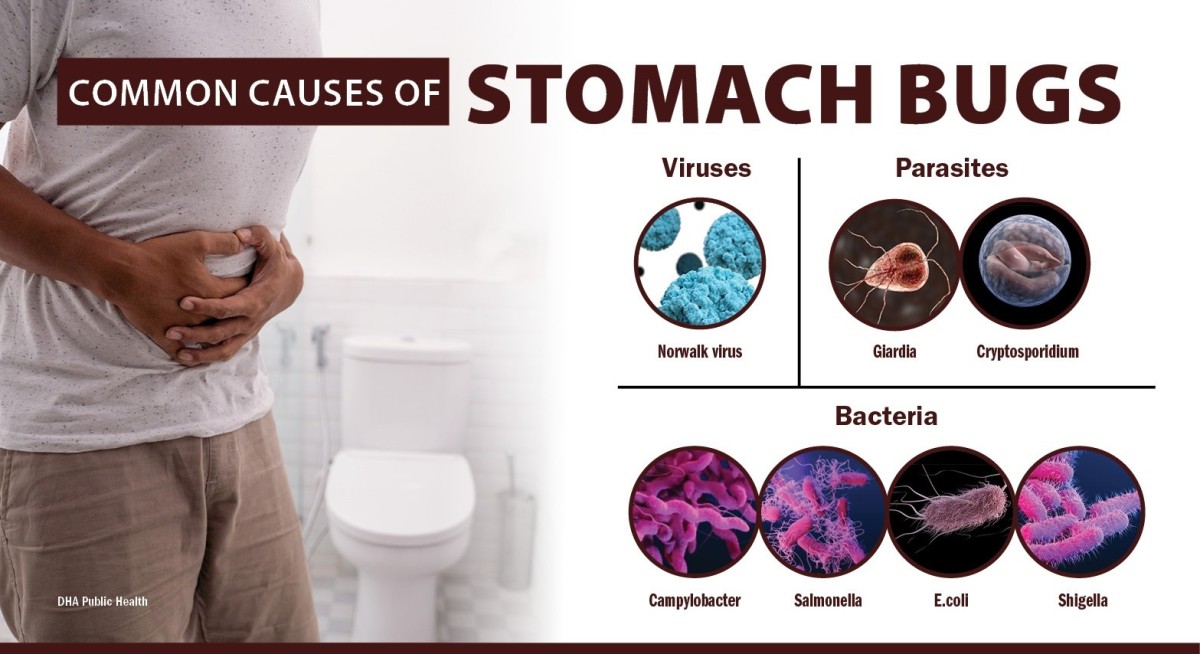
Not all viruses behave the same on fabric surfaces. Respiratory viruses like the flu or common cold tend to survive for hours to a day, depending on conditions. On the other hand, some viruses like norovirus, which causes stomach illness, can last much longer—sometimes days.
Enveloped viruses, such as the coronavirus, are generally less stable on fabrics compared to non-enveloped viruses. This difference affects how you should treat contaminated clothes, especially if someone in your household is sick.
Knowing the type of virus you’re dealing with can guide you in choosing the right cleaning methods and how often you should wash your clothes. Have you noticed how some stains just don’t come off easily? Sometimes, those stubborn marks might also harbor viruses longer than you expect.
Material Impact On Virus Persistence
Understanding how viruses survive on different cloth materials can help you make smarter choices about what to wear and how to care for your fabrics. The type of material plays a crucial role in how long a virus can persist on the surface. Let’s dive into how natural and synthetic fibers affect virus survival and how the weave of the fabric changes the game.
Natural Fibers Vs Synthetic Fibers
Natural fibers like cotton, wool, and linen tend to absorb moisture quickly. This can reduce the lifespan of viruses because many viruses need a moist environment to stay active. However, the absorbency can also trap viruses inside the fabric, making it harder to remove them without thorough washing.
Synthetic fibers such as polyester, nylon, and acrylic usually repel water. This means viruses can linger on the surface longer since the fabric stays dry. You might be surprised to learn that some studies show viruses survive better on synthetic fabrics than on natural ones.
Think about your favorite hoodie or workout clothes—are they synthetic or natural? This detail could affect how often you should wash them, especially during flu season or a viral outbreak.
Weave Density And Texture
The tightness of the weave affects how viruses behave on cloth. A dense weave creates fewer gaps, which can trap and hold viruses more effectively. Looser weaves, on the other hand, allow for quicker drying and less virus survival.
Texture also matters. Rough surfaces tend to trap more particles, including viruses, compared to smooth fabrics. Have you noticed how some fabrics feel rougher and more textured? That might mean they hold onto viruses differently than silky or smooth materials.
Next time you pick clothes, consider not just the material but also how tightly the fabric is woven. It might seem small, but it can make a real difference in reducing your exposure risk.
Environmental Conditions
Viruses on cloth do not survive the same in all environments. Different conditions can change how long viruses stay active. Factors like temperature, moisture, and sunlight affect virus survival on fabric. Understanding these helps reduce infection risk.
Temperature Effects
Viruses usually live longer in cooler places. Low temperatures slow down virus decay on cloth. Warm temperatures cause viruses to break down faster. Hot air or washing with warm water can reduce virus presence. Extreme heat can destroy viruses quickly.
Humidity Influence
Humidity changes how long viruses survive on fabric. Dry air can make some viruses die faster. High humidity may help viruses stay active longer. Moisture on cloth allows viruses to remain infectious. Balancing humidity helps control virus spread on surfaces.
Sunlight And Uv Exposure
Sunlight kills many viruses on cloth. Ultraviolet (UV) rays damage virus structures. Direct sunlight exposure reduces virus survival time. UV light can disinfect fabric without chemicals. Keeping cloth in sunlight lowers infection risk.
Credit: www.consumerreports.org
Cleaning And Disinfection Methods
Cleaning and disinfection are your best defenses against viruses lingering on cloth. Understanding how to properly wash, use detergents and disinfectants, and dry your fabrics can drastically reduce the risk of virus survival. Let’s dive into practical steps that ensure your clothes are truly clean and safe.
Effective Washing Techniques
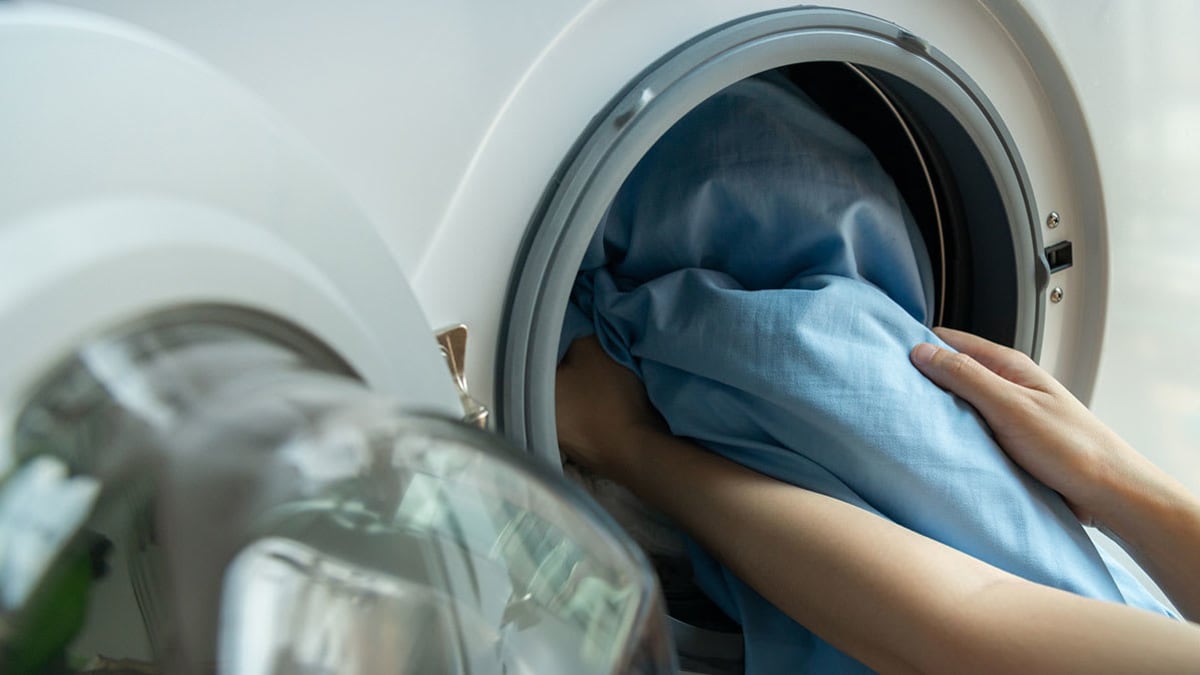
Washing clothes at the right temperature matters. Hot water, ideally above 60°C (140°F), helps kill viruses more effectively than cold water. But don’t stop there—scrubbing the fabric gently while washing helps remove dirt and pathogens physically.
Using a washing machine? Select a longer wash cycle to give detergents time to work. Hand washing? Soak clothes for at least 15 minutes before rinsing thoroughly. Have you noticed how some fabrics feel cleaner when you rub them during washing? That friction plays a key role in dislodging viruses.
Use Of Detergents And Disinfectants
Detergents are crucial because they break down oils and dirt where viruses can hide. Look for ones that mention antiviral or antibacterial properties for extra protection. Adding a disinfectant, like diluted bleach or specialized laundry sanitizers, boosts your cleaning power.
- Use bleach carefully—always follow the label’s instructions to avoid fabric damage.
- Consider oxygen-based bleach as a gentler alternative for colored fabrics.
- Test a small fabric area first when trying a new disinfectant to prevent discoloration.
Have you ever skipped the detergent and noticed your clothes still felt grimy? That’s a sign detergents do more than just freshen—they actively remove invisible threats.
Drying Practices
Drying your clothes thoroughly is as important as washing them. Viruses struggle to survive on dry surfaces, so using a hot dryer cycle can significantly reduce their numbers. If you air dry, make sure to hang clothes in direct sunlight because UV rays help kill viruses.
Be cautious about drying times—dampness can allow viruses to persist longer. Do you leave clothes slightly wet sometimes? That habit might keep viruses hanging around longer than you think.
Proper cleaning and drying routines give you peace of mind that your fabrics aren’t just clean—they’re safe. How do you currently handle your laundry to fight germs?
Real-world Transmission Risks
Understanding how viruses survive on cloth helps us reduce real-world risks. Viruses can live on fabric for hours or days, depending on conditions. This creates chances for virus spread through everyday fabric items. Knowing where risks lie helps in taking smart precautions.
Cloth In Daily Life
Cloth is everywhere—in clothes, masks, towels, and upholstery. We touch these items often, sometimes with dirty hands. Viruses can transfer from fabric to skin through repeated contact. Shared cloth items, like gym towels or couches, increase exposure risks. Moisture and temperature also affect virus survival on fabric.
Handling And Storage Precautions
Handling cloth carefully lowers virus spread. Wash hands before and after touching fabrics used by others. Store clean clothes separately from used ones. Use hot water and detergent to clean fabric regularly. Dry fabric completely, as viruses dislike dry, hot environments. Avoid shaking dirty clothes to prevent virus particles from spreading in air.
Credit: health.clevelandclinic.org
Preventive Measures
Taking preventive measures seriously can drastically reduce the risk of viruses surviving on cloth surfaces. Your habits and how you handle cloth items play a key role in keeping yourself and those around you safe. Let’s look at some practical steps you can start applying today.
Proper Hygiene Habits
Washing your hands frequently is a simple yet powerful habit. You should clean your hands before and after touching any cloth items, especially masks or clothing worn outside.
Regularly laundering your clothes with hot water and detergent helps eliminate viruses effectively. Avoid leaving worn clothes piled up; instead, put them directly into the laundry to reduce contamination risks.
Think about the last time you touched your face after handling a fabric item. Could that have been a moment where a virus transferred? Being mindful of this can help you break the cycle.
Safe Use Of Cloth Masks
Using cloth masks correctly is crucial. Make sure your mask fits snugly over your nose and mouth without gaps, and avoid touching the front of it while wearing.
After each use, wash your mask thoroughly with soap and hot water. Carry a spare mask if you anticipate needing to replace it during the day.
Consider how you store your mask when not in use. Keeping it in a clean, breathable container rather than a pocket or bag can prevent contamination.

Credit: resources.hygienehub.info
Frequently Asked Questions
Can Viruses Survive On Cloth Surfaces?
Yes, viruses can survive on cloth for hours to days, depending on the virus type and fabric material. Porous fabrics typically reduce virus survival time compared to non-porous surfaces.
How Long Do Viruses Last On Fabric?
Virus survival on fabric varies but generally ranges from a few hours up to 2 days. Environmental factors like temperature and humidity affect this duration significantly.
Does Washing Cloth Remove Viruses Completely?
Washing cloth with detergent and warm water effectively removes and kills most viruses. Proper drying further reduces any remaining viral particles on the fabric.
Is Virus Transmission From Cloth Common?
Virus transmission through cloth is possible but less common than via direct contact or droplets. Regular cleaning and hygiene reduce this transmission risk effectively.
Conclusion
Viruses can live on cloth but only for a short time. The type of fabric and environment affect their survival. Washing clothes with soap and hot water helps remove viruses. Drying clothes fully also lowers the risk. Touching clean fabric is usually safe.
Still, regular hand washing is key to stay healthy. Simple steps protect you and those around you. Clean clothes and good hygiene make a big difference. Stay careful, stay safe.


