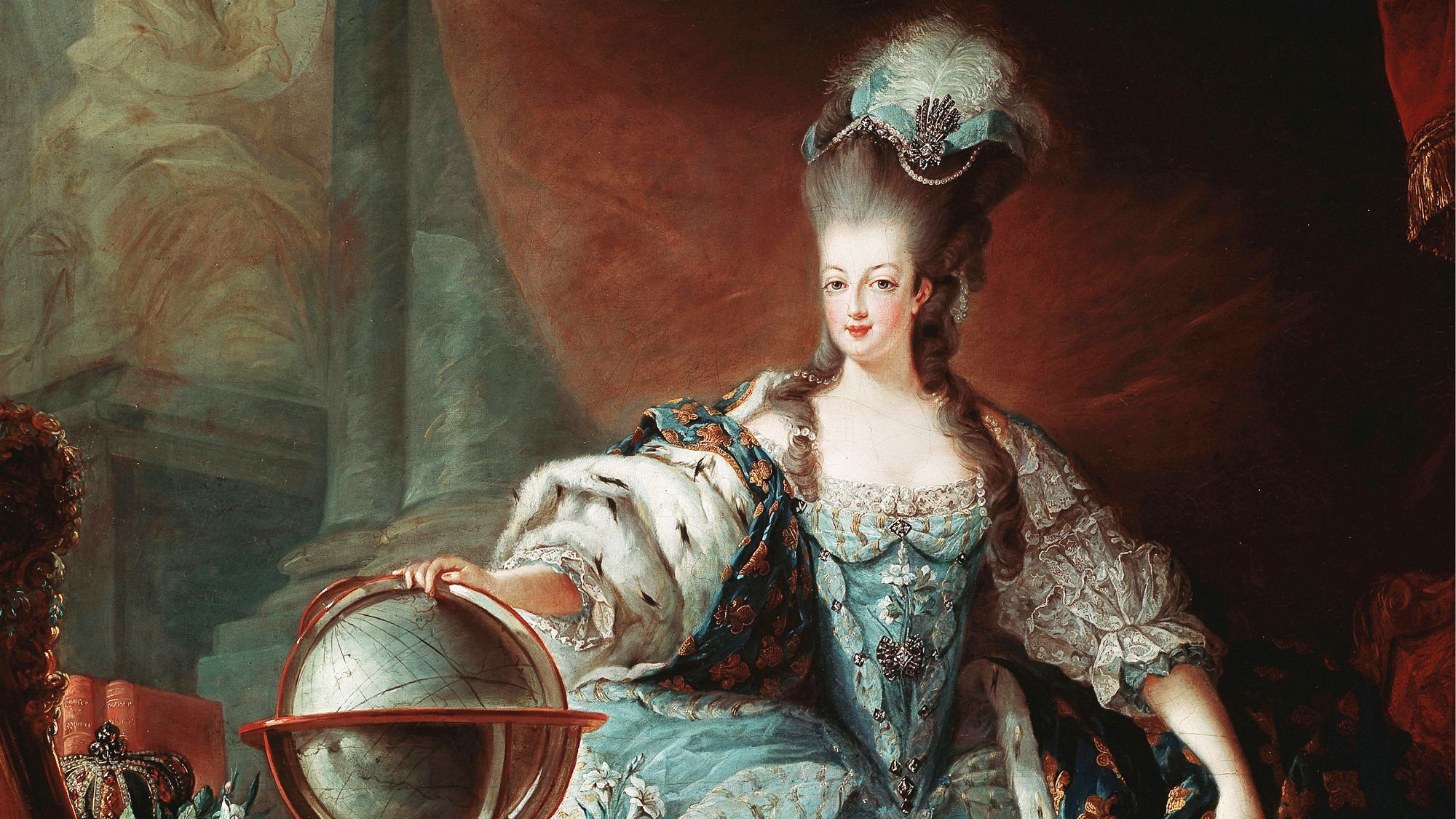
Have you ever wondered if any of Marie Antoinette’s clothes still exist today? The queen of style, known for her extravagant dresses and bold fashion choices, left a lasting impression on history.
But when it comes to her actual wardrobe, what really survived the chaos of the French Revolution and centuries that followed? If you’re curious about the stories behind her garments and what they reveal about her life, keep reading. You might be surprised by what’s still out there—and what has been lost forever.

Credit: thechroniclesofhumanity.com
Marie Antoinette’s Fashion Legacy
Marie Antoinette’s fashion legacy remains powerful centuries after her death. She influenced styles beyond her time. Her choices shaped the way people viewed royal fashion and luxury. The queen’s bold and lavish style inspired many designers and fashion lovers.
Her clothing symbolized wealth, power, and freedom. She often wore dresses that featured intricate embroidery, silk fabrics, and detailed lace. Her fashion sense showed her unique personality and taste. Marie Antoinette’s style pushed fashion to new creative heights.
Survival Of Marie Antoinette’s Clothes
Very few of Marie Antoinette’s original clothes survive today. Most were lost during the French Revolution. Many royal possessions were destroyed or sold. The remaining garments give a glimpse into 18th-century fashion and royal life.
Some pieces are kept in museums. They show the elegance and craftsmanship of her era. Preservation is difficult due to the delicate materials and age. These clothes help historians and designers understand her style better.
Impact On Fashion Trends
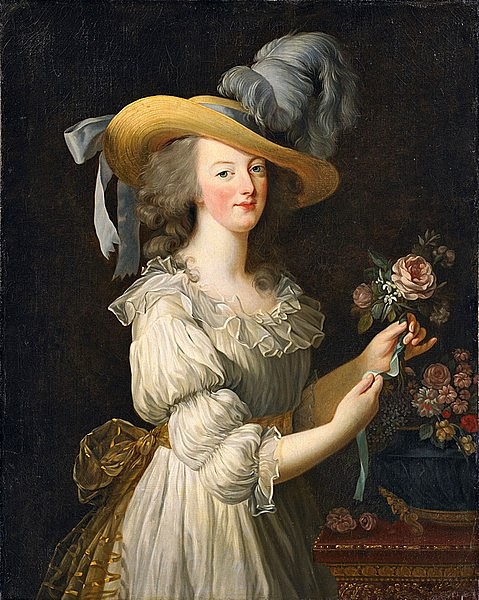
Marie Antoinette inspired new fashion trends in France and Europe. She made pastel colors popular. Her love for ribbons, feathers, and flowers became a trend. Women copied her dresses and hairstyles to show status.
Her fashion choices also sparked debates on extravagance. Some saw her style as too luxurious. Others admired her creativity and elegance. Her influence shaped fashion beyond the royal court.
Legacy In Modern Fashion
Designers still draw inspiration from Marie Antoinette today. Fashion shows often include elements of her style. Ruffles, corsets, and detailed embroidery reflect her influence. Her image appears in movies, books, and art.
This lasting legacy keeps her fashion alive. It connects modern fashion to history. Marie Antoinette’s style remains a symbol of beauty and boldness.
Credit: www.worldhistory.org
Preservation Of 18th Century Garments
Preserving garments from the 18th century challenges even the most skilled conservators. These textiles are delicate, often fragile, and vulnerable to light, humidity, and handling. Understanding how these garments survive centuries helps you appreciate their rarity and the care needed to keep history alive.
Materials And Techniques Used In 18th Century Clothing
Most clothing from this period was made from natural fibers like silk, wool, and linen. These materials, though beautiful, degrade quickly without proper care. Additionally, the dyes and decorative techniques such as embroidery or lace add complexity to preservation efforts.
Knowing the materials helps you understand why some fabrics survive better than others. Silk, for example, can become brittle, while wool is more resilient but prone to moth damage. This knowledge is crucial if you ever encounter antique clothing or textiles.
Environmental Factors Affecting Preservation
Textiles deteriorate faster when exposed to fluctuating temperatures and humidity. Museums control these factors to slow degradation, keeping garments in cool, stable environments. Light exposure is also minimized because it fades colors and weakens fibers.
Have you ever noticed how sunlight fades your clothes? Imagine how much worse this effect is on fabrics hundreds of years old. If you care for delicate fabrics at home, keeping them in dark, dry spaces can extend their life significantly.
Common Preservation Methods For Antique Garments
Conservators use several strategies to protect 18th-century clothes:
- Storing garments flat or padded to avoid stress on seams.
- Using acid-free tissue paper to prevent chemical reactions.
- Controlling light and humidity levels carefully.
- Minimal handling to reduce wear and tear.
These methods might seem excessive for everyday use, but they show how delicate antique clothing is. If you ever handle vintage clothes, think about these techniques to avoid accidental damage.
Challenges In Preserving Marie Antoinette’s Clothes
Few of Marie Antoinette’s garments have survived, partly because of the fragile nature of 18th-century fabrics. Political upheaval and the passage of time took their toll. Even museums face tough choices in displaying these items without causing harm.
Her clothes tell a story beyond fashion—they’re historical artifacts. This makes their preservation not just a technical challenge but a responsibility. How would you balance the desire to see history with the need to protect it?
Surviving Pieces From The Royal Wardrobe
Marie Antoinette’s wardrobe was legendary for its elegance and extravagance. Despite the passage of time and the turmoil of the French Revolution, some items from her collection still exist. These surviving pieces offer a rare glimpse into the style and craftsmanship of the 18th century royal court.
They reveal the materials, colors, and designs favored by the queen. Museums and private collections carefully preserve these artifacts. Each piece tells a story of luxury, power, and a fading era.
Gowns And Dresses
Few of Marie Antoinette’s gowns have survived the centuries. The delicate silk fabrics and intricate embroidery were vulnerable to damage. Some dresses remain in museum collections, showcasing fine needlework and lavish decoration. These gowns often feature floral patterns and pastel colors. They reflect the Rococo style popular during her reign. Surviving dresses show the complexity of royal fashion and the skill of artisans.
Accessories And Jewelry
Accessories from Marie Antoinette’s wardrobe are rare but precious. Some pieces of jewelry, such as diamond necklaces and brooches, have been preserved. These items highlight the queen’s taste for sparkle and luxury. Accessories included elaborate hats, lace collars, and fans. Many were decorated with ribbons, feathers, and jewels. These objects add detail to the overall royal look.
Shoes And Footwear
Shoes worn by Marie Antoinette are among the most fragile surviving items. A few pairs still exist in museum collections. They were made from silk and decorated with embroidery or bows. The style was elegant with high heels and pointed toes. These shoes illustrate the fashion trends of the late 1700s. They also show the care taken in making royal footwear.
Where Are They Now?
Marie Antoinette’s clothes hold a special place in history. Many wonder where these iconic garments are today. Despite the turmoil of the French Revolution, some pieces have survived. Their current locations reveal much about preservation and legacy.
Museums And Exhibitions
Several museums carefully preserve Marie Antoinette’s clothes. These institutions provide a glimpse into 18th-century fashion and royal life. Visitors can see authentic dresses, accessories, and fabrics.
- The Palace of Versailles displays some original costumes. These pieces are kept in climate-controlled rooms.
- The Musée Carnavalet in Paris features exhibits on French history, including royal clothing.
- Temporary exhibitions often travel worldwide, showing rare garments to new audiences.
Museums use detailed conservation techniques. They prevent damage from light, moisture, and pests. This care helps keep the clothes intact for future generations.
Private Collections
Some of Marie Antoinette’s clothes belong to private collectors. These individuals often acquire pieces through auctions or inheritance. They value the clothes for their rarity and historical importance.
- Private owners sometimes loan garments to museums for special displays.
- These collections are usually kept in secure, controlled environments.
- Collectors may also publish books or research to share knowledge about the garments.
Private collections help keep Marie Antoinette’s legacy alive. They add to the global story of her life and style.
Challenges In Authenticating Antoinette’s Attire
Authenticating clothes belonging to Marie Antoinette poses many difficulties. Few garments have survived the years, and many stories add confusion. The French Revolution led to destruction of royal possessions. This loss makes it hard to confirm if any attire truly belonged to her.
Experts use multiple approaches to verify these rare pieces. They rely on historical records and scientific methods. Each has its own challenges and limits. Both must work together to bring clarity to her wardrobe’s legacy.
Historical Documentation
Historical records offer clues about Marie Antoinette’s clothing. Inventories, letters, and paintings describe her style and outfits. Yet, many documents were lost or damaged. Some records only list types of garments without details.
Descriptions can be vague or exaggerated. Artists’ portraits may show idealized versions, not exact clothes. Labels or tags rarely survive on old fabric. Provenance, or the item’s history of ownership, is often unclear or disputed.
Collectors and museums try to trace garments through archives. They compare details with known facts. Still, certainty remains low without solid documentation. This creates a puzzle with missing pieces.
Scientific Analysis
Scientific tools help study fabric, dyes, and stitching. Techniques like carbon dating estimate the age of textiles. Microscopic analysis reveals materials and craftsmanship. Experts compare these findings with 18th-century fashion trends.
Tests can detect later repairs or alterations. They also identify modern materials that suggest a fake. However, scientific results are not always definitive. Some fabrics last longer than expected, confusing age estimates.
Combining science with history improves authentication. Each method supports or challenges the other. This joint effort helps separate genuine pieces from imitations. Still, many questions remain unanswered.

Credit: thechroniclesofhumanity.com
Impact On Modern Fashion
The legacy of Marie Antoinette’s clothing extends far beyond the walls of Versailles. Her style continues to influence modern fashion, sparking creativity and innovation among designers and fashion lovers alike. Understanding this impact can change how you view your own wardrobe choices and the stories behind them.
Inspiration For Designers
Designers today look back at Marie Antoinette’s wardrobe for inspiration in elegance and extravagance. Her use of intricate embroidery, pastel colors, and bold accessories often appears on modern runways. Have you noticed how some contemporary collections echo her flair for dramatic silhouettes and delicate details?
Many designers aim to capture that blend of luxury and whimsy. They bring historical elements into a modern context, making pieces feel both fresh and timeless. This connection helps you appreciate how history shapes what you wear every day.
Revival Of 18th Century Styles
The revival of 18th-century fashion trends can be seen in popular culture and street style. Ruffles, corset-inspired tops, and layered skirts are making a comeback, reminiscent of Marie Antoinette’s iconic looks. Could adding one of these vintage touches to your outfit give you a new sense of confidence?
Fashion brands often mix old and new, creating exciting hybrids that feel accessible. This trend encourages you to experiment with textures and shapes that were once reserved for royalty. It’s a chance to bring a piece of history into your own style story.
Frequently Asked Questions
Did Any Of Marie Antoinette’s Clothes Survive Today?
Only a few fragments of Marie Antoinette’s clothes have survived. Most garments were lost or destroyed during the French Revolution. Museums hold some pieces, but complete outfits are extremely rare due to time and historical events.
Where Can I See Marie Antoinette’s Clothing Artifacts?
Some of Marie Antoinette’s clothing fragments are displayed in museums like the Palace of Versailles. These exhibits showcase her fashion style and textile craftsmanship from the 18th century. However, most pieces remain in private collections or archives.
Why Are Marie Antoinette’s Clothes Rare To Find?
Her clothes are rare because many were destroyed during the French Revolution. Others deteriorated over time due to fragile materials. Additionally, royal garments were often repurposed or lost in historical upheavals, making surviving pieces extremely scarce.
What Materials Were Used In Marie Antoinette’s Clothing?
Marie Antoinette’s clothes featured silk, lace, and fine embroidery. These luxurious materials reflected her royal status. The fabrics were often handwoven and decorated with intricate designs, showcasing 18th-century French craftsmanship.
Conclusion
Marie Antoinette’s clothes tell stories of a distant past. Few of her garments still exist today. Museums carefully preserve some of her dresses and accessories. These pieces help us imagine royal life long ago. They show fashion and history in one glance.
While not many clothes survived, their value remains high. They connect us to a queen’s world, full of elegance and drama. Exploring these artifacts keeps her memory alive for future generations. History feels closer through these rare, beautiful items.


