
Have you ever wondered if your chickens can handle scorching 100-degree weather? If you’re raising backyard chickens or thinking about it, understanding how extreme heat affects them is crucial.
Your chickens’ health and comfort depend on how well they cope with high temperatures. You’ll discover what happens to chickens in intense heat and simple, effective ways to keep them safe and thriving when the thermometer soars. Keep reading to protect your feathered friends and ensure they stay happy all summer long.
Chickens And High Temperatures
Chickens face real challenges in high temperatures. Their bodies do not cool down easily. Heat stress can harm their health and egg production. Understanding how chickens react to heat helps keep them safe and healthy during hot days.
How Chickens React To Heat
Chickens use panting to cool down. They spread their wings to allow air flow. Their combs and wattles help release heat. Too much heat can cause fatigue and dehydration. Chickens stop eating and drinking less in extreme heat.
Signs Of Heat Stress In Chickens
- Heavy panting and open-mouth breathing
- Fluffed feathers to release heat
- Lethargy and weakness
- Reduced egg laying
- Drooping wings and pale combs
Risks Of 100 Degree Weather For Chickens
At 100 degrees, chickens risk severe heat stress. They can suffer from dehydration quickly. Their body temperature can rise dangerously. Heat stroke is a serious threat. Without care, chickens may become very ill or die.
Effects Of Heat On Chickens
Heat can have serious effects on chickens. High temperatures put stress on their bodies and minds. Understanding these effects helps keep chickens safe during hot days.
Physical Stress And Symptoms
Chickens feel physical stress in extreme heat. Their bodies work hard to stay cool. This can lead to dehydration and heat exhaustion. Common symptoms include:
- Heavy panting or open-mouth breathing
- Fluffed feathers to release heat
- Weakness or lethargy
- Dizziness or loss of balance
- Reduced egg production
Severe heat stress may cause heat stroke, which can be fatal. Early signs should never be ignored.
Behavioral Changes
Heat also changes how chickens act. They try to avoid overheating by:
- Seeking shade or cooler places
- Eating less to reduce body heat
- Drinking more water frequently
- Resting more and moving less
- Stretching wings away from the body
Recognizing these behaviors helps in providing timely care. It ensures chickens survive and stay healthy in hot weather.
Recognizing Heat Stress
Heat stress is a real danger for chickens, especially when temperatures soar to 100 degrees or higher. Recognizing the early signs can save your flock from serious harm. Knowing what to look for helps you act fast before the situation worsens.
Signs To Watch For
- Heavy panting:Chickens don’t sweat, so they breathe rapidly to cool down. If you see your birds gasping or holding their wings away from their bodies, it’s a red flag.
- Listlessness:Heat-stressed chickens become sluggish and less active. If they stop eating or drinking, it’s a serious concern.
- Red or pale comb and wattles:The comb and wattles may look unusually bright red or pale, indicating distress.
- Drooping wings and closed eyes:These signs show exhaustion and discomfort.
- Excessive water consumption:While drinking more water is normal, sudden spikes could signal overheating.
Immediate Actions To Take
If you spot any of these signs, don’t wait. Move your chickens to a shaded, cooler area immediately.
Provide plenty of fresh, cool water. Adding ice cubes can help lower the water temperature and encourage drinking.
Use a fan or misting system to improve airflow and cool the environment. Even a simple wet towel placed near the birds can make a difference.
Never try to cool chickens with ice water baths—they can shock their system.
Watch your flock closely after taking these steps. If symptoms don’t improve within a short time, contact a vet.
Have you noticed any of these signs in your chickens during a heatwave? How did you respond? Your experience might help others protect their birds too.
Cooling Strategies For Chickens
Keeping your chickens cool during scorching 100-degree weather is essential to their health and productivity. Chickens can’t sweat, so they rely on other ways to release heat. You need to focus on creating an environment that helps them stay comfortable and prevents heat stress.
Providing Shade And Shelter
Shade is a lifesaver for chickens under the blazing sun. Trees, tarps, or purpose-built shade structures can cut down the temperature significantly. You might have seen your chickens crowding under a tree—this is their natural way to avoid heat.
Make sure the shelter is well-ventilated and dry. A cozy but airy coop protects them from direct sunlight while allowing fresh air to flow. Adding materials like straw or wood shavings can help keep the ground cooler and reduce reflected heat.
Using Fans And Ventilation
Fans can make a huge difference in a coop’s temperature by moving hot air away from your chickens. Installing a fan near the roosting area or the entrance encourages air circulation and cools the space.
Ventilation isn’t just about placing fans; you need vents positioned at different heights to allow warm air to escape and cooler air to enter. Have you noticed how heat rises? Vents near the top of the coop help hot air exit, while lower vents pull in cooler air.
Running a fan in the early morning and late evening, when temperatures drop, can refresh the coop before the heat returns. Think about your own comfort—would you prefer a stagnant, hot room or a breezy one? Your chickens feel the same way.
Hydration Essentials
Keeping your chickens hydrated is the cornerstone of helping them survive extreme heat. Water is not just a drink; it’s their lifeline during scorching days. Without proper hydration, chickens can quickly become stressed, leading to decreased egg production and even serious health risks.
Ensuring Fresh Water Supply
Always provide plenty of clean, fresh water throughout the day. Stagnant or warm water can discourage your chickens from drinking, making dehydration a real threat. I once had a coop where the water bowl wasn’t shaded, and during a heatwave, I noticed the water got too warm and the hens barely touched it.
Try placing multiple water sources around the coop and shade them to keep the water cool. Using shallow containers can help chickens drink easily without spilling. Have you checked your water containers today to make sure they’re clean and full?
Supplementing Electrolytes
Electrolytes help chickens maintain their body functions when they sweat and pant in the heat. Adding electrolyte powders or solutions to their water can boost their energy and prevent heat stress. I added an electrolyte mix during a recent heatwave, and my hens were noticeably more active and less lethargic.
Make sure to follow the recommended dosage on the product label to avoid over-supplementing. You can also offer natural electrolyte sources like diluted fruit juices or coconut water occasionally. What natural options could you try to keep your flock energized during hot days?

Credit: www.reddit.com
Diet Adjustments In Hot Weather
When temperatures soar above 100 degrees, your chickens’ diet needs a careful rethink. Heat affects how they eat and digest food. Adjusting their diet can help keep them healthy and comfortable during these extreme conditions.
Nutritional Needs
High heat lowers chickens’ appetite, so their food must be nutrient-rich and easy to digest. Focus on providing:
- High-quality protein:Helps maintain muscle and supports recovery from heat stress.
- Electrolytes:Sodium, potassium, and magnesium help balance fluids and prevent dehydration.
- Vitamins:Vitamins A, E, and C boost the immune system and reduce heat-related damage.
Adding natural sources like watermelon, cucumbers, or leafy greens can also hydrate and nourish your flock.
Feeding Schedule
Chickens eat less during the hottest parts of the day. Try feeding them early in the morning or late in the evening when it’s cooler. This encourages better food intake and digestion.
Offer small, frequent meals instead of one large feeding. This prevents waste and reduces the risk of digestive upset. Have you noticed your chickens eating less midday? Adjusting feeding times might just improve their energy and mood.
Housing Modifications
Keeping chickens comfortable during scorching 100-degree days means more than just providing water. Your coop must be adapted to handle extreme heat and protect your birds from stress and health risks. Small changes in housing can make a big difference in how well your flock survives and thrives.
Insulation Techniques
Insulation isn’t just for winter; it helps keep the coop cool by blocking outside heat. Use materials like foam board or reflective radiant barriers on walls and roofs to reduce heat transfer.
Adding a layer of straw or hay on the roof can also create natural insulation. This simple step keeps the coop temperature more stable, preventing sudden spikes in heat.
Have you checked if your coop’s insulation traps heat inside? Proper ventilation must go hand-in-hand with insulation to avoid turning your coop into an oven.
Improving Coop Design
Good coop design focuses on airflow. Position windows and vents opposite each other to create cross-ventilation that cools the space naturally.
Elevate your coop off the ground to allow air circulation underneath, which helps lower the floor temperature. Use wire mesh instead of solid panels on some sides to increase breathability.
Shade is crucial. Planting trees near the coop or installing shade cloths can reduce direct sunlight exposure. Have you thought about adding a small fan powered by solar energy? It can make a noticeable difference without increasing your electricity bill.
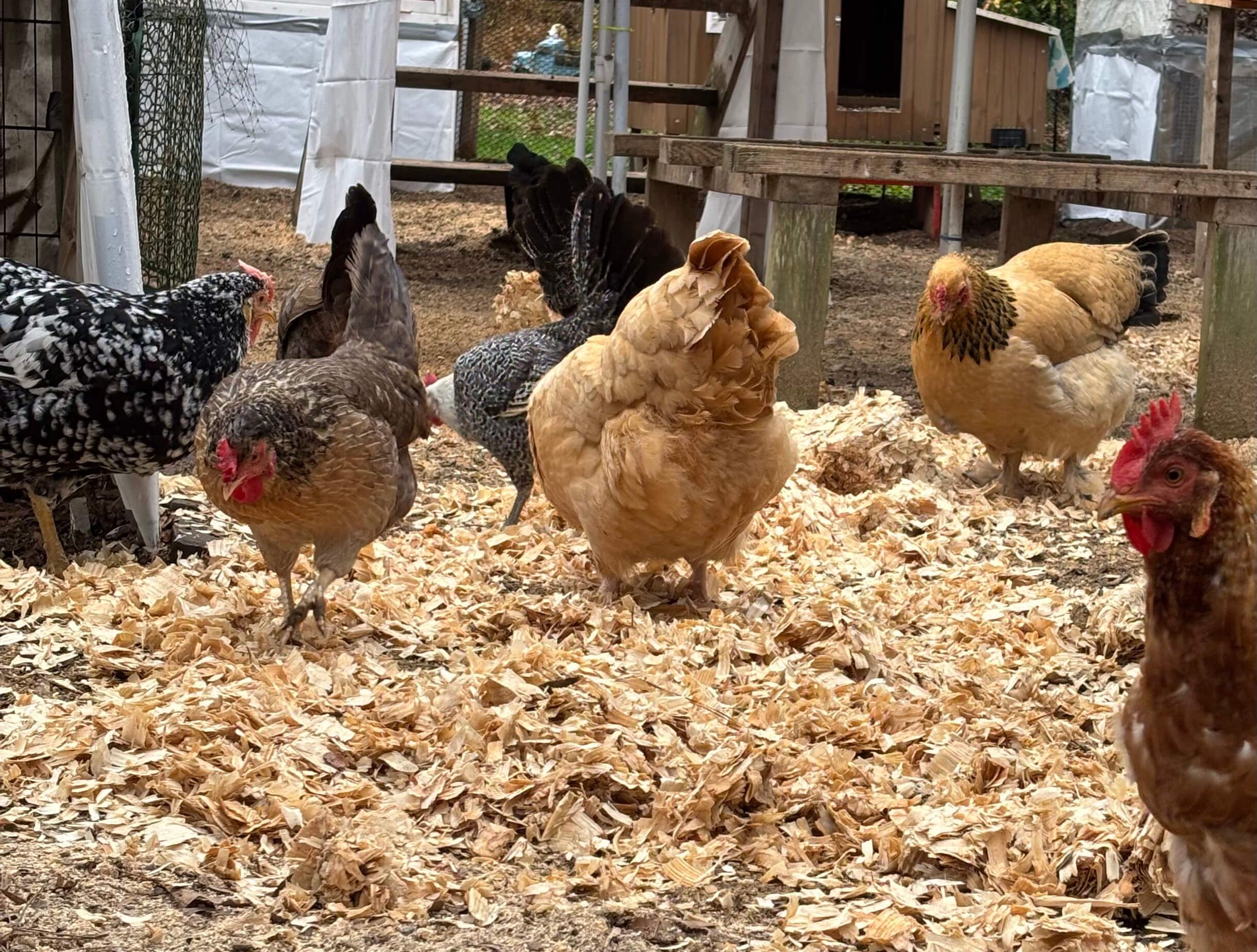
Credit: chickenwhisperermagazine.com
Monitoring And Care
Chickens face serious challenges in 100-degree weather. Monitoring and care become critical to keep them safe. Constant attention helps spot heat stress early. Proper care reduces risks and keeps chickens healthy.
Regular Health Checks
Check chickens twice daily during extreme heat. Look for signs like panting or drooping wings. Check their eyes for dullness or discharge. Observe their comb and wattles for color changes. Pale or dark red indicates stress or illness. Make sure they drink water often. Note any unusual behavior or lethargy.
Emergency Preparedness
Prepare for heat emergencies before temperatures rise. Keep cool water available at all times. Provide shade or a cool shelter for chickens. Use fans or misting systems to lower heat. Have electrolytes ready to add to water. Know symptoms of heatstroke: collapse, heavy panting, weakness. Act quickly if signs appear. Move affected chickens to shade immediately.
Long-term Heat Adaptation
Long-term heat adaptation is crucial if you want your chickens to thrive in temperatures soaring to 100 degrees or more. It’s not just about managing the heat daily but helping your flock become naturally resilient over time. This involves both genetic and environmental strategies that build heat tolerance gradually.
Breeding For Heat Tolerance
Choosing breeds that naturally handle heat well is one of the smartest moves you can make. Breeds like the Leghorn, Andalusian, and certain native varieties have traits that help them stay active and healthy in high temperatures. By selectively breeding these birds, you enhance your flock’s ability to cope with heat stress over generations.
Have you noticed how some chickens pant less and stay more active during heatwaves? Those birds carry genes that make them better suited for hot climates. Focusing on these traits when breeding can lead to a flock that performs better without constant cooling efforts.
Environmental Conditioning
Gradually exposing your chickens to warmer conditions helps them build tolerance safely. This means avoiding sudden heat spikes and allowing your birds to acclimate slowly by adjusting their environment over weeks. For example, increasing outdoor access during warmer parts of the day in early summer can prepare them for hotter months.
You can also improve their surroundings by adding shade, ventilation, and dust baths to help regulate body temperature naturally. How you manage airflow and shelter plays a big role in conditioning your chickens for heat. Small daily changes create a big impact on their long-term well-being.

Credit: www.reddit.com
Frequently Asked Questions
Can Chickens Tolerate 100 Degree Weather Conditions?
Chickens can survive 100 degree weather but with difficulty. They need shade, fresh water, and ventilation to avoid heat stress and dehydration.
How Do Chickens Cool Down In Extreme Heat?
Chickens cool down by panting, spreading wings, and seeking shade. Providing cool water and misting helps them regulate body temperature effectively.
What Are Heat Stress Symptoms In Chickens?
Heat stress in chickens causes panting, lethargy, reduced egg production, and drooping wings. Early detection is vital for timely cooling and hydration.
Can Proper Coop Design Help Chickens In 100°f Weather?
Yes, a well-ventilated, shaded coop with airflow reduces heat buildup. Using reflective roofing and fans enhances chicken comfort during hot days.
Conclusion
Chickens can live in 100-degree weather but need care. They must have shade and plenty of water to stay cool. Heat stress can harm their health and egg production. Watch for signs of overheating like panting or lethargy. Simple steps help chickens stay safe in hot weather.
Keep their coop well-ventilated and avoid feeding heavy meals midday. With good care, chickens survive and stay healthy in the heat. Staying alert and prepared makes all the difference.


