Have you ever stopped to think about why you wear clothes every day? Is it just a habit, or is there something deeper behind it?
You might believe clothes are just about fashion or modesty, but what if they are actually essential for your survival? Understanding why humans need clothes can change how you see your relationship with your body and the world around you.
Keep reading, and you’ll discover surprising reasons that go beyond the obvious—and why your clothes might be more important than you ever imagined.
Human Evolution And Clothing
Clothing played a vital role in human evolution. It shaped how early humans adapted to different climates and environments. Without clothes, survival in cold or harsh areas would have been very difficult. Over time, clothing evolved from simple animal skins to complex fabrics. This evolution helped humans protect themselves and thrive.
Early Use Of Animal Skins
Early humans used animal skins for warmth and protection. They hunted animals not only for food but also for their hides. These skins were wrapped around the body to keep cold away. The use of animal skins marked the beginning of clothing in human history. It provided a basic but essential barrier against the elements.
Clothing As A Survival Tool
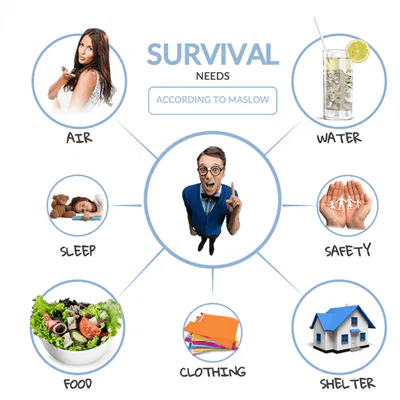
Clothing helped humans survive in extreme weather. It kept the body warm in cold climates. It also protected the skin from sun, wind, and insects. Clothing allowed humans to explore new areas safely. It became a tool for survival, not just a fashion statement.
Credit: survivalreport.org
Body Protection And Climate
Clothing is more than just a fashion statement—it plays a crucial role in how your body interacts with the environment. Your clothes act as a barrier, helping you manage extreme temperatures and shielding you from potential harm. Understanding this protective function can change how you choose what to wear every day.
Shielding From Harsh Weather
Have you ever noticed how a simple jacket can make a freezing winter day bearable? Clothes trap heat close to your skin, keeping you warm when temperatures drop. Without this layer, your body loses heat rapidly, increasing the risk of hypothermia.
On the other hand, in hot climates, lightweight and breathable fabrics protect your skin from sunburn while allowing sweat to evaporate. This cooling effect helps regulate your body temperature, preventing heatstroke. Your clothing choices can directly affect how well you cope with weather extremes.
Preventing Injuries And Infections
Your skin is the first line of defense against cuts, scrapes, and insect bites. Clothes add an extra layer that absorbs impact and prevents minor injuries. Think about hiking through dense woods—long sleeves and pants reduce scratches and protect against ticks.
Moreover, clothing helps limit exposure to harmful bacteria and viruses by covering vulnerable areas. Even simple habits, like wearing clean socks daily, can prevent fungal infections. Would you consider your daily clothing routine part of your health defense?
Thermoregulation And Clothing
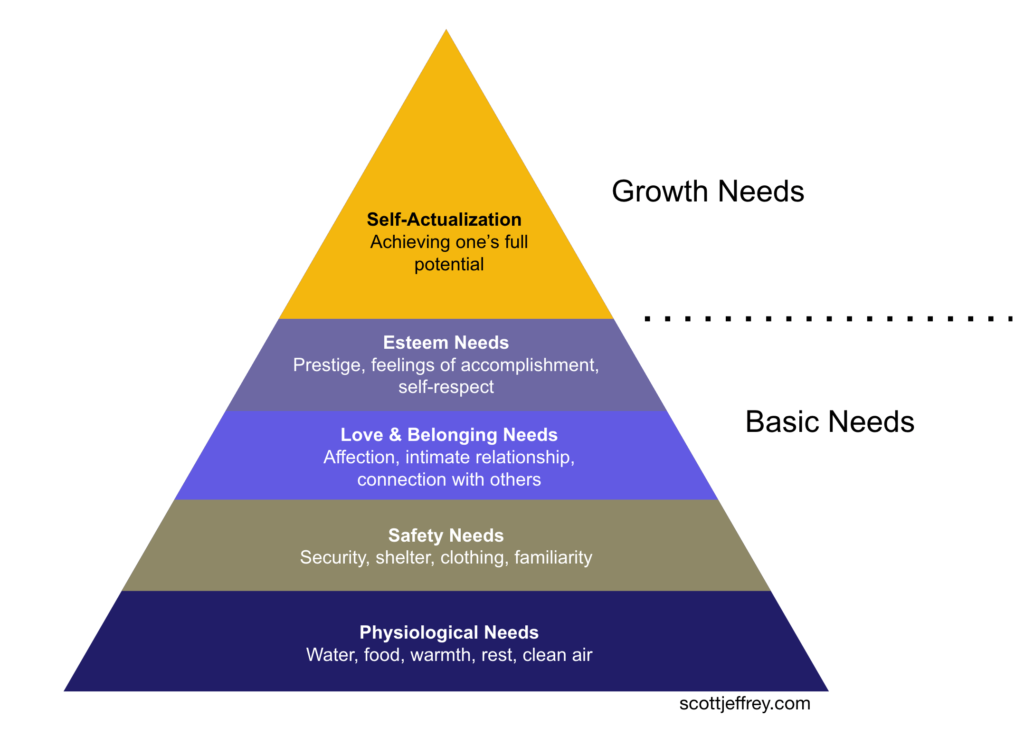
Clothing plays a crucial role in helping humans manage their body temperature through thermoregulation. It acts as a barrier that either retains heat or promotes cooling, depending on the environment. Understanding how clothing supports this natural process can change the way you choose your outfits every day.
Maintaining Body Temperature
Your body works hard to keep a steady temperature around 98.6°F (37°C). Clothing helps by trapping warm air close to your skin during cold weather, preventing heat loss. When it’s hot, lightweight and breathable fabrics allow sweat to evaporate, cooling you down efficiently.
Think about a time you wore a thick sweater indoors and felt uncomfortable. That’s because your clothing was interfering with your body’s natural cooling system. Have you noticed how moisture-wicking sportswear keeps you dry and comfortable during intense workouts? That’s clothing actively aiding your thermoregulation.
Adapting To Different Environments
Different climates demand different clothing strategies to maintain comfort and safety. In freezing conditions, layering is key: multiple thin layers trap heat better than one bulky item. In contrast, desert environments call for loose, light-colored clothing to reflect sunlight and allow airflow.
- Cold weather: Use insulated jackets, thermal underwear, hats, and gloves.
- Hot weather: Opt for cotton or linen shirts, wide-brimmed hats, and breathable footwear.
- Wet or windy conditions: Waterproof and wind-resistant outerwear protect your body’s heat balance.
Have you ever wondered why traditional clothing styles in different cultures suit their climates so well? Your clothing choices can either support or hinder your body’s ability to adapt to where you live or travel.
Credit: scottjeffrey.com
Cultural And Social Roles
Clothing plays a crucial role beyond basic survival needs. It shapes how people express themselves and connect with others. Clothes carry deep meanings tied to culture and society. They help define personal and group identities. Wearing certain styles or colors can show belonging or status. Clothes also reflect traditions passed down through generations.
Social expectations influence clothing choices too. Dress codes often reflect shared values about respect and decency. Clothing helps maintain social order by signaling appropriate behavior. It can also protect privacy and promote comfort in social settings. Understanding these cultural and social roles explains why humans wear clothes even without harsh weather.
Clothing As Identity
Clothes tell stories about who we are. They express personality, profession, and culture. Uniforms mark jobs or roles in society. Traditional garments link people to their heritage. Fashion trends show belonging to certain groups. Dressing style can boost confidence and mood. People use clothing to show creativity and beliefs.
Social Norms And Modesty
Society sets rules about what clothes are proper. These rules vary across cultures and times. Dressing modestly can show respect for others. Clothes cover the body to protect privacy. Social norms often guide how much skin to show. Following dress codes helps people fit in. Breaking these norms might cause discomfort or judgment.
Modern Clothing And Survival
Modern clothing plays a vital role in human survival today. It goes beyond just covering our bodies. Clothing protects us from harsh weather, harmful elements, and extreme temperatures. The materials and designs have evolved with technology. This evolution helps people stay safe in various environments.
Technological Advances In Fabrics
Fabric technology has improved greatly in recent years. New materials offer better protection and comfort. Some fabrics can repel water while allowing the skin to breathe. Others provide insulation without adding bulk. These advances help people stay dry and warm in cold weather. They also keep the body cool in hot climates.
Smart fabrics can even change properties based on the environment. For example, some materials adjust to temperature changes. This adaptive feature supports survival in unpredictable conditions. Advances in fabric durability also mean clothes last longer and resist damage. Such progress makes modern clothing essential for survival.
Clothing In Extreme Conditions
Survival in extreme conditions relies heavily on specialized clothing. In freezing temperatures, insulated layers keep the body warm. These layers trap heat close to the skin. Windproof and waterproof outerwear shields against harsh weather. In hot deserts, lightweight and breathable fabrics protect from sun and heat. Clothing often includes UV protection to prevent skin damage.
For high-altitude or underwater survival, clothes must meet specific needs. They provide oxygen barriers or thermal insulation. Proper gear reduces the risk of hypothermia or heatstroke. Without modern clothing, survival in these extreme environments would be very difficult. Clothing acts as a barrier, helping humans adapt and endure.

Credit: blanchethouse.org
Instances Of Survival Without Clothes
Humans have lived without clothes in many parts of the world throughout history. Some groups survive well without modern clothing. They adapt to their environment using their knowledge and natural resources. These examples show how clothing is not always necessary for survival.
Indigenous Tribes And Natural Habitats
Many indigenous tribes live in warm climates without wearing clothes. Their bodies adapt to heat, insects, and sun exposure. They use natural materials like leaves or paint for protection and decoration.
These tribes know how to find shelter and food without modern tools. They use their skills to stay safe from weather and animals. Their survival depends on experience and connection with nature.
Limitations And Risks
Survival without clothes has limits and dangers. Cold weather can cause hypothermia and frostbite. Sunburn and insect bites are common risks in hot climates.
Without clothes, skin injuries from plants or animals increase. Protection against bacteria and viruses is weaker. Survival depends on strong health and quick adaptation.
Frequently Asked Questions
Why Do Humans Wear Clothes For Survival?
Humans wear clothes to protect against extreme weather, harmful UV rays, and insects. Clothes help regulate body temperature and prevent injuries, essential for survival in various environments.
Can Humans Survive Without Clothes In Nature?
Humans can survive without clothes, but exposure to cold, sunburn, and injuries increases. Clothing enhances comfort and safety, especially in harsh or unpredictable environments.
How Do Clothes Protect Humans From Weather?
Clothes act as insulation in cold weather and block sunlight in heat. They shield skin from wind, rain, and harmful environmental elements, supporting overall survival.
Are Clothes Necessary For Human Health And Hygiene?
Clothes help maintain hygiene by protecting skin from dirt and germs. They reduce infections and skin irritations, contributing to better health and well-being.
Conclusion
Humans have adapted to wear clothes for many reasons. Clothes protect us from cold, heat, and injuries. They also help us stay clean and safe from bugs. Without clothes, survival in harsh weather would be very hard. Clothes also help people feel confident and fit into society.
Nature doesn’t force us to wear clothes, but they make life easier and safer. In many places, clothes are a basic need for health and comfort. So, while humans can survive without clothes, wearing them greatly improves life.

