Have you ever wondered what happens if a plane faces an emergency far from help? You might ask yourself, “Do planes have survival kits on board?”
Knowing the answer could give you peace of mind the next time you fly. You’ll discover what safety gear airplanes carry, how these kits work, and why they are crucial for your survival. Keep reading to find out what’s really packed in those emergency boxes and how prepared your flight truly is.

Credit: 5col.com
Survival Kits On Commercial Flights
Survival kits on commercial flights are essential safety tools. Airlines prepare for emergencies by equipping planes with these kits. They contain items that can help passengers and crew survive unexpected situations. Understanding what these kits hold and where they are stored gives peace of mind during air travel.
Standard Contents
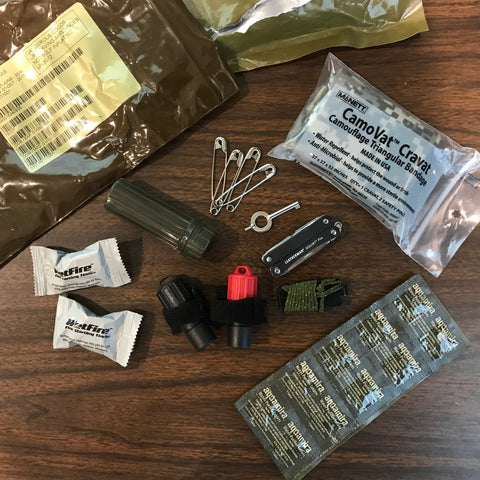
Survival kits usually include basic supplies such as:
- First aid items like bandages and antiseptics
- Water purification tablets
- Emergency blankets to retain body heat
- Flashlights or glow sticks for light
- Signaling devices such as whistles or mirrors
- Basic tools like a small knife or multi-tool
- Food rations for short-term sustenance
The contents vary depending on the airline and flight route.
Location And Accessibility
These kits are stored in easy-to-reach places on the aircraft. Common locations include:
- In the cockpit for pilot access
- Near emergency exit doors
- In the cabin crew’s storage compartments
Flight attendants know where kits are kept. They retrieve them quickly during emergencies.
Regulatory Requirements
Regulations ensure survival kits meet safety standards. Aviation authorities like the FAA and EASA set rules. Airlines must comply with these rules based on flight type and destination. Kits must be inspected regularly to ensure completeness and functionality. Compliance helps protect passengers and crew in critical situations.
Credit: whaletailsales.com
Survival Gear In Private And Small Aircraft
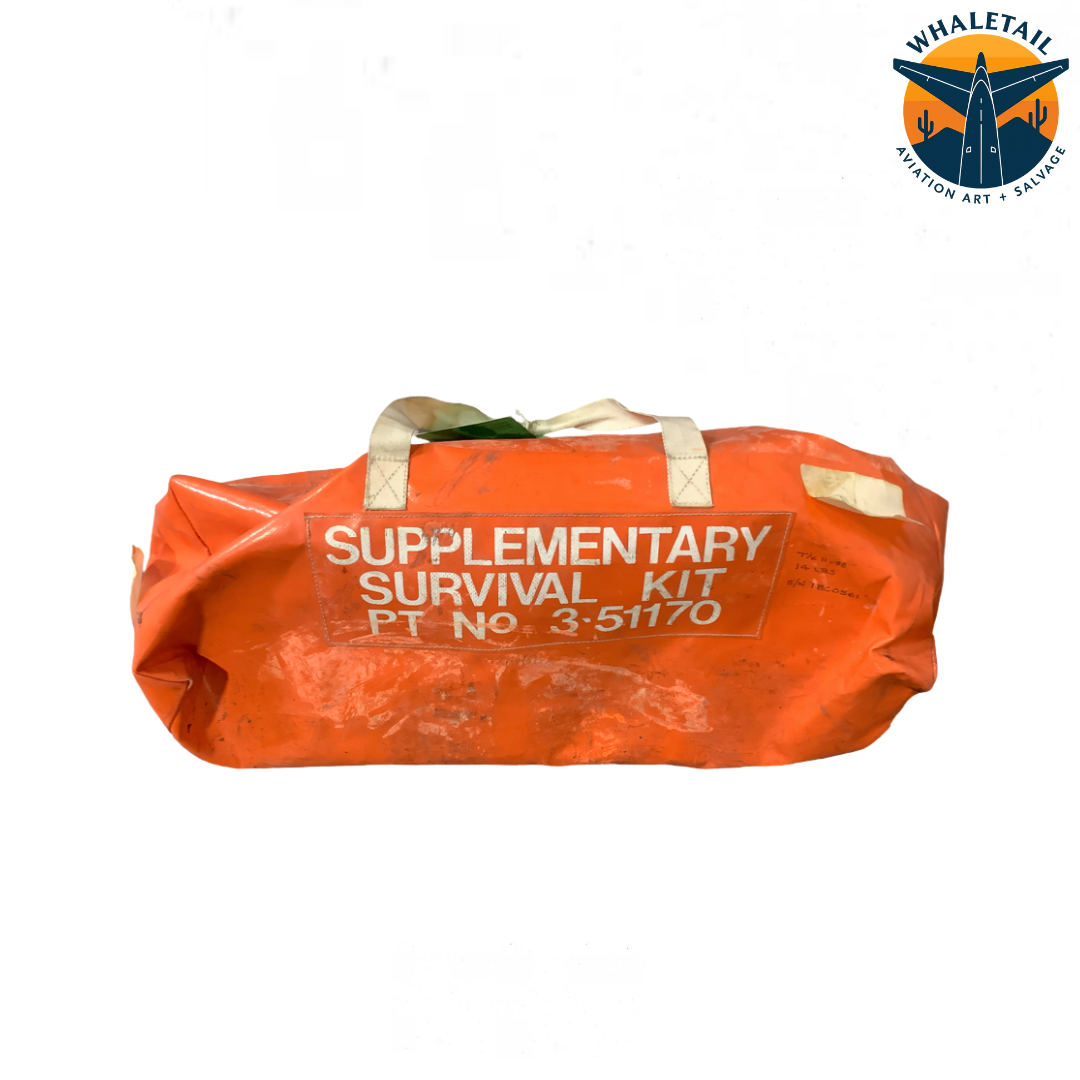
Survival gear in private and small aircraft varies widely depending on the type of flight, region, and pilot preferences. Unlike commercial airliners, these aircraft often don’t come with standardized survival kits. This means the responsibility to equip the plane with the right tools falls directly on the pilot or owner.
Variations In Equipment
Survival gear can range from basic first aid kits and water supplies to more advanced items like signaling devices, emergency food rations, and portable shelters. Some pilots add a personal locator beacon (PLB) or satellite messenger to improve their chances of rescue. The choice depends on factors such as flight duration, expected terrain, and weather conditions.
Think about your last flight over remote areas. Would you feel safe without a reliable way to signal for help? Many pilots tailor their kits to match the specific risks of their route. For instance, flying over mountains might require cold weather gear, while desert flights focus on hydration and sun protection.
Pilot Responsibilities
As the pilot, you must assess your survival needs before every flight. This means checking your gear, knowing how to use each item, and updating supplies regularly. Carrying survival equipment is not just about compliance; it’s about being prepared to protect yourself and your passengers.
Training also plays a crucial role. Pilots who practice using their survival gear increase their chances of managing an emergency calmly and effectively. Have you ever taken time to rehearse emergency scenarios? Doing so can make all the difference when seconds count.
Emergency Situations Requiring Survival Kits
Planes carry survival kits for emergencies that may threaten passenger safety. These kits help passengers and crew survive until rescue teams arrive. Different emergencies require specific tools and supplies. Understanding these situations shows why survival kits are vital on planes.
Crash Landings
Crash landings can happen on hard ground or rough terrain. Passengers may face injuries, cold weather, or lack of food and water. Survival kits include first-aid supplies, blankets, and signaling devices. These items support basic needs and help attract rescuers.
Water Landings
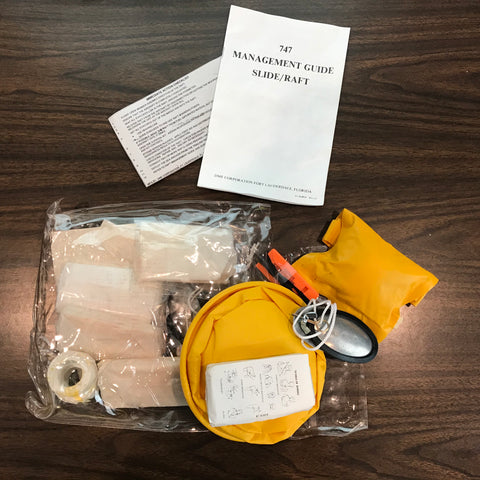
Water landings occur when a plane must ditch in the sea, lakes, or rivers. Passengers need flotation devices and waterproof gear. Survival kits often contain life vests, emergency rafts, and water purification tools. These items keep passengers safe and hydrated until help arrives.
Remote Area Stranding
Planes can end up stranded in forests, deserts, or mountains. Remote areas make rescue slow and difficult. Survival kits provide shelter materials, fire starters, and navigation aids. These supplies improve chances of survival and guide rescuers to the site.
Additional Safety Equipment On Planes
Planes carry more than just passengers and luggage; they are equipped with essential safety gear designed to protect you in emergencies. This additional safety equipment often goes unnoticed but plays a crucial role when unexpected situations arise. Knowing about these items can give you a sense of confidence and preparedness during your flight.
Life Vests And Rafts
Each passenger seat usually has a life vest stored underneath or in the seat pocket. These vests are easy to put on and inflate, providing buoyancy if you ever need to evacuate over water. Larger planes also carry inflatable life rafts, which can hold multiple people and come with survival tools like flares and water rations.
Have you ever wondered how quickly a life raft can be deployed? Flight crews train extensively to ensure rapid and efficient use, making sure everyone’s safety is prioritized.
Oxygen Masks
Oxygen masks drop automatically if cabin pressure drops suddenly. They supply you with oxygen until the plane stabilizes or descends to a safe altitude. These masks are designed to fit most faces comfortably and are simple to use—just pull the mask towards you to start the oxygen flow.
It’s important to secure your own mask before helping others, a safety rule that surprises many but makes perfect sense. Do you know how long the oxygen lasts in these masks during an emergency?
First Aid Supplies
Every plane carries a first aid kit stocked with basic medical supplies like bandages, antiseptics, and pain relievers. Some kits even include equipment for more serious injuries, such as splints or emergency medications. Flight attendants are trained to use these supplies and assist passengers with minor medical issues during the flight.
Knowing that these kits are available can ease your mind, especially if you have a medical condition or travel with children. Would you feel more secure knowing the crew can handle unexpected health problems on board?
How Airlines Prepare For Emergencies
Airlines take many steps to prepare for emergencies. Safety is their top priority. They plan carefully to protect passengers and crew. Preparation helps reduce risks during unexpected events. Every airline follows strict rules and procedures. These include training, equipment checks, and safety protocols.
Crew Training
Flight crews undergo thorough emergency training. They learn how to handle fires, medical issues, and evacuations. Training includes:
- Simulated emergency drills
- First aid and CPR
- Use of survival kits and safety gear
- Communication and teamwork skills
This training happens regularly. It ensures crews stay ready and confident. Proper training helps crews act fast and calm during crises.
Pre-flight Safety Checks
Before every flight, crews perform safety inspections. They check all emergency equipment is present and functional. This includes:
- Life vests and rafts
- Oxygen masks
- Fire extinguishers
- First aid and survival kits
Crews verify emergency exits are clear and operational. They confirm communication systems work well. These checks make sure the plane is ready for safe travel.

Credit: www.youtube.com
Tips For Passengers Regarding Survival Kits
Knowing about survival kits on planes can give you peace of mind, but understanding what you should bring yourself is just as important. You can’t rely solely on the airline’s provisions. Preparing personally improves your chances if an unexpected emergency happens.
What To Know Before Flying
Airplanes do carry survival kits, but their contents vary by airline and flight route. These kits often include basic first aid supplies, water, and signaling devices, but they aren’t designed for extended survival situations.
Ask yourself: Do you know what safety equipment is on your specific flight? You can check the airline’s safety card or ask a flight attendant for details. This knowledge helps you decide what extra items to pack.
Personal Emergency Items To Carry
Packing a small personal emergency kit can make a big difference. Consider including:
- Water purification tablets– in case clean water isn’t available.
- Compact flashlight– useful during power outages or nighttime emergencies.
- Basic first aid supplies– band-aids, antiseptic wipes, and pain relievers.
- Multi-tool– a small device that can help with various tasks.
- Emergency blanket– lightweight and helps retain body heat.
- Copies of important documents– like ID and medical information.
Have you ever thought about how a simple item like a whistle could help rescue teams locate you? Small, portable items like these can fit in your carry-on and don’t take much space.
Frequently Asked Questions
Do Commercial Planes Carry Survival Kits Onboard?
Yes, most commercial planes have survival kits. These kits include first aid, signaling devices, and basic survival tools for emergencies.
What Items Are Included In Airplane Survival Kits?
Survival kits usually contain first aid supplies, water, food rations, signaling mirrors, flares, and basic tools for emergency situations.
Are Survival Kits Mandatory On All Aircraft?
Regulations vary, but many commercial and private aircraft are required to carry survival kits, especially on long or remote flights.
Where Are Survival Kits Stored On Airplanes?
Survival kits are typically stored in accessible locations like the cockpit, cabin compartments, or under passenger seats for quick access.
Conclusion
Planes carry survival kits to help passengers in emergencies. These kits include basic tools like first aid supplies, water, and blankets. Flight crews know how to use these kits well. Safety on planes is a top priority for airlines. Knowing these kits exist can bring peace of mind.
Air travel remains one of the safest ways to fly. Remember, survival kits help but staying calm is key. Always follow crew instructions during any emergency. Flying is safe, and crews prepare for many situations.