Imagine being stuck on the side of the road with no help in sight. What would you do?
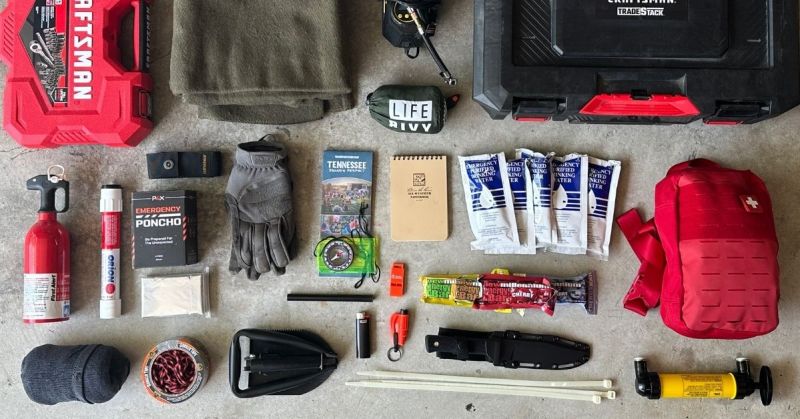
Having a well-stocked car survival kit can make all the difference between feeling helpless and staying safe. You might think you’ll never need it, but emergencies happen when you least expect them. You’ll discover exactly what to have in your car survival kit to protect yourself and your loved ones.
Keep reading to learn how to turn your car into a lifeline when it matters most.

Credit: www.youtube.com
Basic Safety Gear
Having the right basic safety gear in your car survival kit can make all the difference during unexpected situations on the road. These items are not just about convenience; they can be lifesavers when you need immediate help or protection. Think about the last time you faced a roadside emergency—did you have what you needed to stay safe and comfortable?
First Aid Supplies
A well-stocked first aid kit is essential. It should include bandages, antiseptic wipes, adhesive tape, scissors, and pain relievers. These items help you treat minor injuries quickly and prevent infections while waiting for professional help.
Adding a few extra items like tweezers, gloves, and a CPR mask can prepare you for a wider range of emergencies. Don’t just keep the kit tucked away; check it regularly to replace expired or used supplies. Your first aid supplies are your first line of defense when accidents happen.
Emergency Blankets
Emergency blankets are lightweight, compact, and incredibly useful. They retain body heat and protect against hypothermia if you get stranded in cold weather. Even in unexpected weather changes, these blankets can keep you warm and prevent shock.
One unexpected benefit is their versatility—they can also serve as ground covers or signal reflectors. Have you ever been caught in a sudden downpour or freezing night? Keeping an emergency blanket in your kit could keep you comfortable and safe.
Reflective Warning Triangles
Reflective warning triangles are crucial for alerting other drivers when your car breaks down. Placing them at proper distances behind your vehicle increases your visibility, especially at night or in bad weather. This simple tool helps prevent secondary accidents by giving other drivers time to react.
Make sure your triangles are easy to set up and stored within reach. Have you ever tried signaling for help with just your hazard lights? Reflective triangles add an extra layer of safety that can make a real difference on busy roads.
Tools For Repairs
Tools for repairs are essential in a car survival kit. They help fix small problems quickly. These tools keep you safe and save time. Having the right tools means you can handle emergencies on the road.
Multi-tool And Knife
A multi-tool combines many tools in one compact device. It often includes pliers, screwdrivers, scissors, and a knife. The knife is useful for cutting seat belts or ropes. A multi-tool fits easily in your glove box or bag. It helps with many small repairs or tasks.
Tire Repair Kit
A tire repair kit fixes flat tires without calling for help. It usually contains tire plugs, sealant, and a tool to insert plugs. This kit can seal small holes and prevent air leaks. It’s a quick fix to get back on the road safely. Carry it with a portable air pump for best use.
Jumper Cables
Jumper cables restart a car with a dead battery. They connect your battery to another car’s battery. Always keep cables long enough to reach between cars. Use cables with thick insulation for safety. Knowing how to use them can save you from being stranded.
Food And Water
Food and water are essential in any car survival kit. They keep you energized and hydrated during emergencies. Carrying the right supplies can make a big difference. Choose items that last long and are easy to store in your vehicle.
Non-perishable Snacks
Non-perishable snacks provide quick energy without spoiling. Choose items such as:
- Granola bars
- Trail mix
- Peanut butter crackers
- Dried fruits
- Beef jerky
These snacks last months or even years. They require no refrigeration. Easy to carry and eat on the go.
Bottled Water
Water is vital for survival. Store enough bottled water for at least three days. Use small bottles for easy handling. Keep the water sealed and away from heat. Replace bottles every six months to maintain freshness.
Water Purification Tablets
Water purification tablets make unsafe water drinkable. Useful when bottled water runs out. Tablets kill bacteria and parasites. Lightweight and compact for your kit. Follow the instructions carefully for safe use.
Lighting And Communication
Lighting and communication tools are essential in your car survival kit. They help you stay visible and connected, especially during emergencies at night or in remote areas. Without reliable light and a way to signal for help, you could face serious risks if stranded.
Flashlight With Extra Batteries
A strong flashlight is your best friend in the dark. Choose one that’s compact but powerful enough to light up your surroundings clearly. Always pack extra batteries because a dead flashlight won’t do you any good when you need it most.
Consider LED flashlights—they use less power and last longer. Have you ever been stuck on the roadside at night wishing for a simple light source? A reliable flashlight can make that situation much less stressful.
Emergency Radio
An emergency radio keeps you informed when other communication methods fail. Many models can pick up weather alerts and emergency broadcasts, which could be life-saving. Some radios even have hand-crank or solar charging options, so you never run out of power.
Imagine knowing about a storm or road closure before it reaches you—this radio makes that possible. It’s not just a gadget; it’s a way to stay connected when your phone is dead or out of range.
Whistle
A whistle is a simple but powerful tool for signaling your location. It requires no batteries and can be heard much farther than a human shout. Keep one within easy reach to call for help if you’re trapped or injured.
Have you ever tried yelling for help and realized your voice wasn’t loud enough? A whistle solves that problem instantly. Its sharp sound can attract attention even in noisy or windy conditions.
Clothing And Personal Items
Having the right clothing and personal items in your car survival kit can make all the difference in an emergency. These essentials keep you comfortable, protected, and maintain your well-being when help is not immediately available. Think about how a sudden weather change or unexpected delay could leave you exposed without the right gear.
Warm Clothing And Gloves
Pack layers of warm clothing such as thermal shirts, a fleece jacket, and insulated gloves. Cold weather can quickly drain your energy and lower your body temperature, so staying warm is crucial. Gloves protect your hands from frostbite and help you handle tools or parts without injury.
Consider compact, space-saving options like heat-retaining gloves and a beanie. You might not think about gloves until your fingers start to numb, but having them ready can prevent serious discomfort.
Rain Poncho
A lightweight rain poncho can shield you from sudden downpours and keep you dry without adding much bulk to your kit. Wet clothes can lead to hypothermia, even in mild weather, so staying dry is just as important as staying warm.
Choose a poncho that fits easily over your clothing and folds into a small pouch. It’s an easy addition that might save you from hours of discomfort during a rainstorm or when fixing your car.
Personal Hygiene Items
Small hygiene items like wet wipes, hand sanitizer, and a toothbrush can help you feel fresh and maintain health during long waits. These items also prevent the spread of germs and keep you comfortable when facilities are not nearby.
Don’t forget a small pack of tissues and lip balm to soothe irritation from wind or cold air. Personal care might seem minor during emergencies, but it greatly affects your morale and ability to focus.
Navigation And Documentation
Keeping reliable navigation tools and essential documents in your car survival kit can make a huge difference during unexpected situations. Without GPS signal or when technology fails, having physical backups ensures you stay on track. Plus, having your important papers handy can save time and reduce stress during emergencies.
Maps And Compass
Paper maps are your best backup when electronic devices run out of battery or lose signal. Choose detailed maps covering your common routes and nearby areas. A compass is a small, lightweight tool that helps you find direction even in unfamiliar territory.
Think about the last time you were stuck without GPS. Did a map or compass help you find your way? If not, it’s time to add these to your kit. They don’t take much space but can keep you moving forward safely.
Important Documents
Keep copies of your driver’s license, vehicle registration, and insurance papers in a waterproof folder. This protects them from damage and makes them easy to find if you need to show proof quickly. Also, add emergency contact information and any medical info that might be critical in a crisis.
Imagine facing a roadside emergency without your documents. It’s frustrating and can delay help. Having these papers ready ensures you can handle the situation efficiently and calmly.
Pen And Notepad
A pen and notepad might seem old-fashioned, but they are invaluable for jotting down important details. You can record directions, write emergency notes, or leave messages if you need to walk for help. These simple tools keep communication clear when phones fail.
Next time you’re on a long trip, try using a notepad to write down landmarks or mile markers. You might realize how handy it is to have a physical record when digital devices aren’t an option.
Additional Survival Tools
Additional survival tools make your car survival kit more practical and reliable. These items help you solve small problems that can turn into big issues during an emergency. They are compact and easy to carry, yet very useful in many situations.
Fire Starter
A fire starter is essential for warmth and cooking. It helps you create fire quickly, even in wet conditions. Carry waterproof matches or a magnesium fire starter for best results. Fire provides light, heat, and a way to signal for help.
Duct Tape
Duct tape is a versatile tool for quick fixes. Use it to repair broken windows, torn clothes, or leaking hoses. It can hold things together and protect wounds. A small roll takes little space but offers many uses.
Cable Ties
Cable ties secure loose parts and hold gear together. They are stronger than string and easy to use. You can fix broken seat belts or tie branches for shelter. Carry a pack of different sizes for more options.
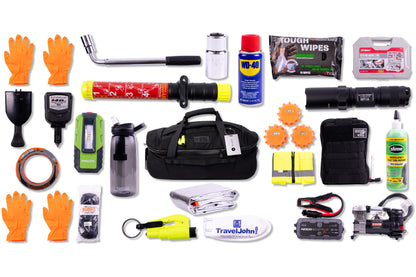
Credit: www.blackumbrella.com

Credit: www.amazon.com
Frequently Asked Questions
What Are The Essential Items For A Car Survival Kit?
A car survival kit should include water, non-perishable food, a first aid kit, flashlight, batteries, and a multi-tool. These essentials help you stay safe and comfortable during emergencies or breakdowns.
How Can A Car Survival Kit Help In Emergencies?
A survival kit provides vital supplies like food, water, and medical items. It ensures you are prepared for accidents, weather changes, or getting stranded, improving your safety and comfort.
Should I Include Tools In My Car Survival Kit?
Yes, tools like a tire pressure gauge, jumper cables, and a multi-tool are crucial. They help fix minor issues and keep your vehicle operational during emergencies.
How Often Should I Update My Car Survival Kit?
Update your kit every six months to check expiration dates and replace used or damaged items. Regular maintenance keeps your kit reliable and ready for any situation.
Conclusion
A car survival kit helps you stay safe on the road. Keep essential items like water, first aid, and tools inside. Check your kit often to replace old or used supplies. Being prepared means less stress during emergencies. A simple kit can make a big difference.
Stay ready, stay safe, and drive with confidence.