
Have you ever wondered if ticks can survive on your clothes after a day outdoors? You might think a quick change or a simple wash is enough to get rid of them, but the truth could surprise you.
Understanding how ticks behave on your clothing can help protect you and your loved ones from those tiny pests and the diseases they carry. Keep reading to learn what really happens when ticks latch onto your clothes—and what you should do next.
Tick Behavior And Habitat
Ticks are tiny creatures that live in many outdoor places. They need a host to feed on blood. Understanding where ticks live and how they find hosts helps protect against bites. These behaviors also explain if ticks can survive on clothes.
Where Ticks Live
Ticks usually stay in grassy, wooded, or bushy areas. They like places with high humidity and shade. Ticks hide in leaf litter, tall grass, and shrubs. Some types live in fields or near animal trails. They wait quietly for animals or people to pass by.
How Ticks Seek Hosts
Ticks use a behavior called “questing” to find hosts. They climb to the tips of grasses or leaves. Then they stretch their front legs out to grab onto passing skin or clothes. Ticks sense heat, breath, and movement to locate a host. Once attached, they begin feeding and can stay for days.

Credit: www.everydayhealth.com
Ticks On Clothing
Ticks are tiny parasites that often hitch rides on animals and humans. They do not just stay on skin but can also cling to clothes. Understanding how ticks interact with clothing helps reduce the risk of bites and diseases.
Can Ticks Attach To Clothes?
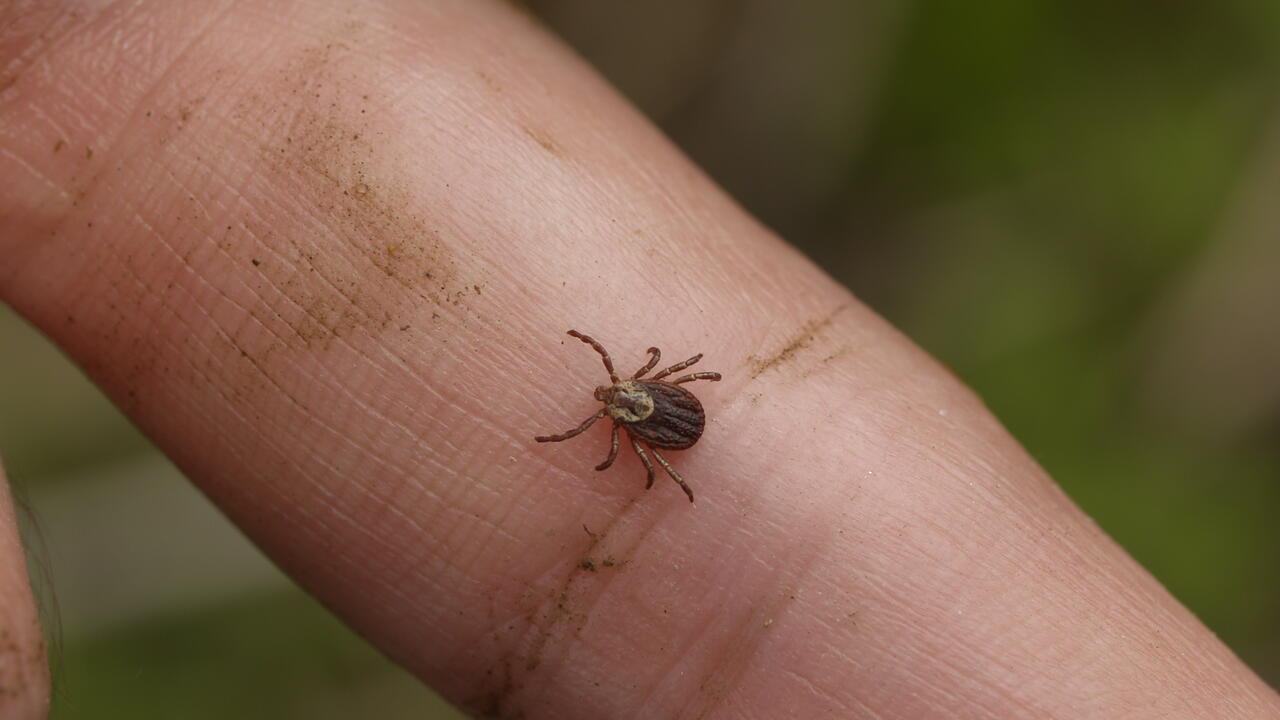
Ticks do attach to clothes. They wait on grass or bushes and grab onto fabric as you pass by. Clothes provide a temporary place for ticks to hold on. They do not bite through clothes but use them to reach your skin. Ticks crawl along fabric looking for exposed skin to bite. Dark and rough fabrics may attract ticks more than smooth ones.
Survival Duration On Fabrics
Ticks can survive on clothes for several hours to days. Their survival depends on the fabric type and humidity. Natural fibers like cotton may hold moisture and help ticks live longer. Synthetic fabrics such as polyester dry faster, reducing tick survival time. Washing clothes in hot water kills ticks quickly. Drying clothes on high heat also removes ticks easily.
Factors Affecting Tick Survival
Ticks don’t just survive anywhere; their survival on clothes depends on specific factors. Understanding these elements can help you manage the risk after spending time outdoors. Let’s break down what really affects whether ticks cling to or perish on your clothing.
Temperature And Humidity Impact
Ticks are sensitive to temperature changes. High heat can quickly dry them out, reducing their chance of survival on your clothes. Think about how a hot dryer cycle often kills them effectively.
Humidity plays a crucial role too. Ticks thrive in moist environments, so dry air can be fatal. If you leave your clothes in a dry, warm place, the ticks are less likely to survive.
Have you noticed ticks dropping off after a sunny day? That’s because heat and dryness work against them. Keeping this in mind helps you decide how to handle clothes after outdoor activities.
Fabric Type Influence
Not all fabrics are equal when it comes to tick survival. Rough, thick fabrics like wool or fleece provide more hiding spots and moisture retention. This makes it easier for ticks to cling and survive.
Smooth, tightly woven fabrics such as nylon or polyester offer less grip and dry out faster. Ticks find it harder to stay attached or survive on these materials. Wearing these fabrics during hikes can lower your risk.
Have you ever felt ticks crawling on your skin after rubbing against certain clothes? That’s the fabric type at work. Choosing the right material can be a simple yet effective step to protect yourself.
Preventing Tick Attachment
Ticks are tiny parasites that latch onto skin and clothes to feed on blood. Preventing their attachment reduces the risk of tick bites and diseases. Simple precautions can keep ticks away and protect your skin. Clothing plays a key role in stopping ticks from reaching your body.
Choosing Tick-resistant Clothing
Wear clothes made from tight-weave fabric. This type of fabric blocks ticks from crawling through. Light-colored clothes help you spot ticks easily. Long sleeves and long pants create a barrier against ticks. Tuck pants into socks or boots to close gaps. Some clothes come pre-treated with permethrin, a chemical that repels ticks.
Using Repellents On Clothes
Apply insect repellents designed for fabrics to your clothing. Repellents with permethrin are highly effective against ticks. Spray evenly on pants, socks, and shirts. Let clothes dry completely before wearing. Reapply after washing or heavy sweating. Avoid spraying directly on skin; use skin-safe repellents separately.
Safe Clothing Practices After Exposure
After spending time outdoors, safe clothing practices help reduce tick risks. Ticks can cling to fabric and hide in folds. Proper care of clothes removes or kills these tiny pests.
Proper Washing Techniques
Wash clothes in hot water to remove ticks effectively. Use detergent and a thorough wash cycle. Avoid using cold water, as it may not kill ticks.
- Check clothing carefully before washing for any visible ticks.
- Seal clothes in a plastic bag if immediate washing is not possible.
- Use a washing machine with a strong spin cycle to remove ticks.
Drying And Heat Treatment
Dry clothes on high heat after washing. Heat kills ticks that survive the wash. Tumble drying for at least 10 minutes is effective.
- Do not air dry clothes outside after exposure to ticks.
- Heat treatment also applies to shoes and gear if possible.
- Inspect clothes again after drying for any remaining ticks.
Credit: extension.msstate.edu
Removing Ticks From Clothes And Skin
Removing ticks from your clothes and skin quickly and correctly is crucial to prevent potential infections. Ticks can cling tightly, and improper removal increases the risk of leaving parts behind, which can cause irritation or disease. Knowing how to spot them and remove them safely protects your health and peace of mind.
Effective Tick Removal Methods
Start by checking your clothes carefully after being outdoors. Shake or brush them off outside to avoid bringing ticks inside. Washing clothes in hot water (at least 130°F or 54°C) kills ticks effectively. Drying clothes on high heat for 10 minutes adds extra protection.
If you find a tick on your skin, avoid panicking. Use fine-tipped tweezers to grasp the tick as close to your skin’s surface as possible. Pull upward with steady, even pressure—don’t twist or jerk, as this can leave mouthparts embedded.
After removal, clean the bite area and your hands thoroughly with rubbing alcohol, iodine scrub, or soap and water. Dispose of the tick by submerging it in alcohol or sealing it in a bag before throwing it away. Have you ever tried removing a tick and noticed part of it stayed behind? That’s why careful technique is key.
Signs Of Tick Bites
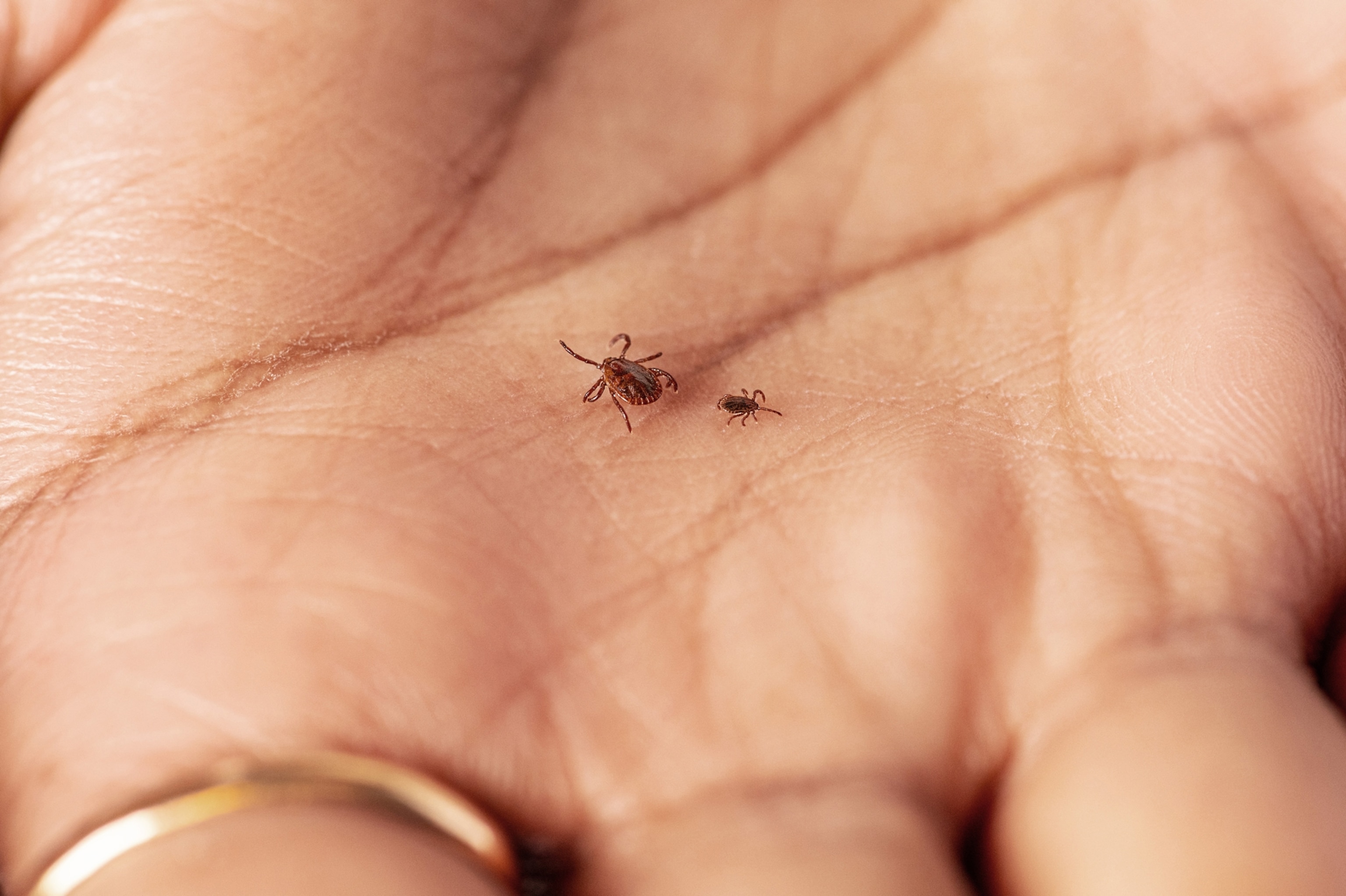
Tick bites often go unnoticed at first because they’re painless. Look for small red bumps or irritation around bite areas, often in warm, hidden spots like behind knees, scalp, or armpits. Some bites develop a rash, sometimes with a bull’s-eye pattern, which can indicate Lyme disease.
Other symptoms might appear days or weeks later, including fever, fatigue, or muscle aches. If you notice any unusual reactions or flu-like symptoms after a tick bite, seek medical advice immediately. How closely do you inspect your skin after outdoor activities?
Credit: www.nationalgeographic.com
Frequently Asked Questions
Can Ticks Survive On Clothes After Outdoor Activities?
Yes, ticks can survive on clothes for several hours. They cling tightly to fabric fibers and wait to attach to a host. Washing clothes in hot water and drying on high heat kills ticks effectively.
How Long Can Ticks Live On Clothing?
Ticks can live on clothing for up to 48 hours without a host. They survive by holding onto fabric. Proper laundering and drying eliminate them quickly and reduce the risk of tick bites.
Do Ticks Spread Diseases Through Clothes?
Ticks do not directly spread diseases through clothes. However, if a tick transfers from clothing to skin, it can bite and transmit infections. Removing ticks promptly after outdoor exposure is essential for prevention.
What Is The Best Way To Remove Ticks From Clothes?
The best way to remove ticks from clothes is to wash them in hot water. Follow this with a high-heat dryer cycle. This method kills ticks and prevents them from attaching to your skin.
Conclusion
Ticks can survive on clothes for a short time. They need warmth and a host to stay alive. Washing clothes in hot water helps remove them. Drying clothes on high heat kills ticks effectively. Checking clothes and skin after outdoor activities reduces risk.
Staying alert prevents tick bites and related illnesses. Simple steps protect you and your family. Keep your clothes clean and inspect often. Stay safe while enjoying nature.


