Imagine facing a sudden emergency without enough food to keep you and your loved ones safe. It’s a scary thought, but you can take control right now.
Building your own emergency food supply is easier than you think, and it gives you peace of mind. In this guide, you’ll discover simple steps to create a reliable stockpile that fits your needs and budget. Keep reading to learn how to protect your family and be ready for whatever comes your way.
Choosing The Right Food
Choosing the right food for your emergency supply is more than just picking items off a shelf. You need foods that last long, provide essential nutrients, and suit your personal health requirements. This balance ensures you stay healthy and energized when you need it most.
Long-lasting Staples
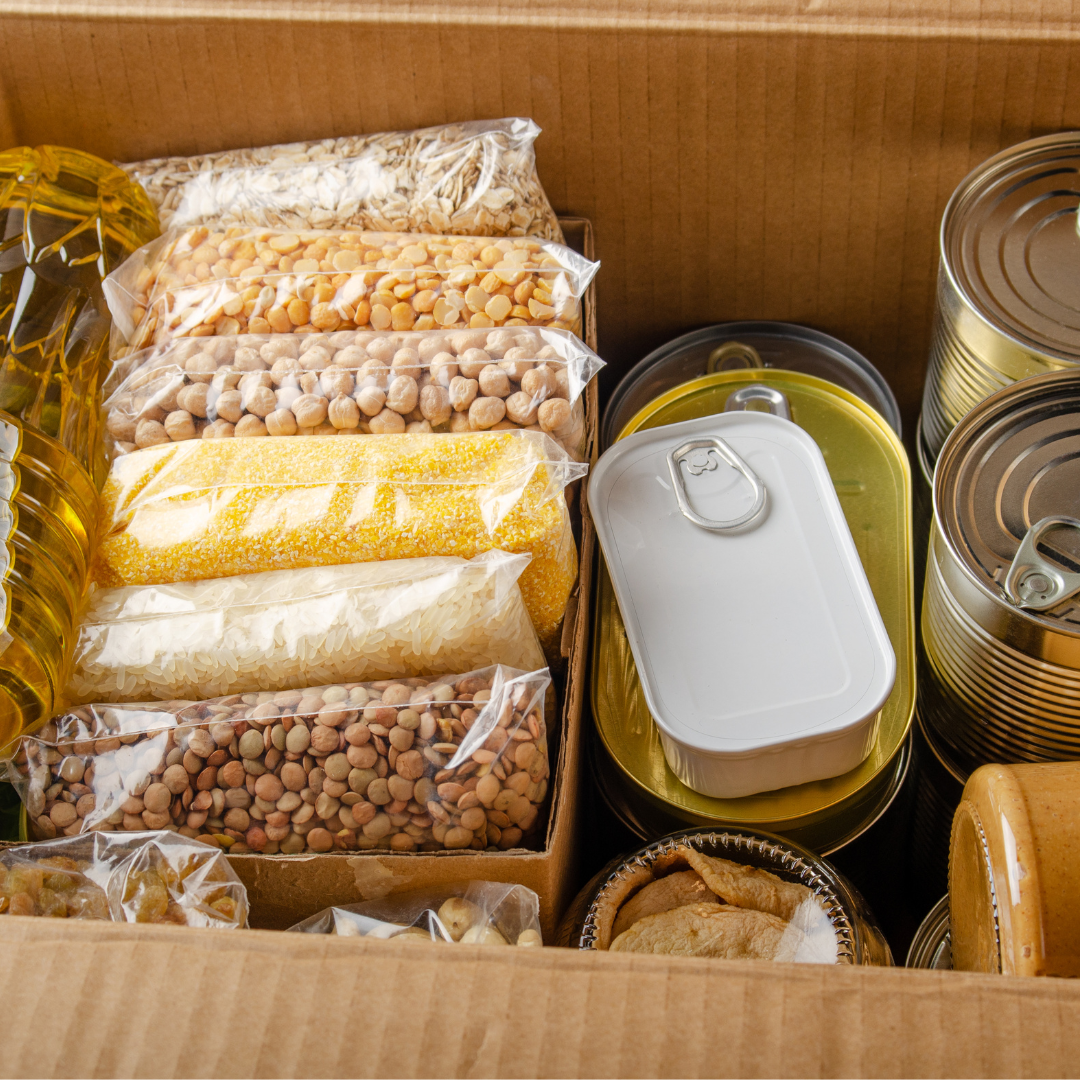
Focus on foods with a long shelf life, so you don’t have to worry about frequent replacements. Items like rice, dried beans, pasta, and canned vegetables can last for years if stored properly. These staples form the foundation of your emergency meals and keep well without refrigeration.
Look for vacuum-sealed or airtight packaging to extend freshness. Also, consider dehydrated or freeze-dried foods—they take up less space and keep nutrients intact. Have you checked the expiration dates on your current supplies lately?
Nutrient-dense Options
Energy alone won’t keep you going; your body needs vitamins and minerals too. Foods like nuts, seeds, powdered milk, and dried fruits pack a nutritional punch while staying shelf-stable. Adding multivitamin supplements can cover any gaps in your diet.
Think about including protein sources such as canned tuna or jerky to maintain muscle strength. Don’t forget healthy fats like olive oil or coconut oil, which provide concentrated energy. What’s your plan to balance calories and nutrients in a survival scenario?
Special Dietary Needs
Your emergency food supply must reflect your unique health needs. If you have allergies, intolerances, or specific diets like gluten-free or vegan, choose suitable alternatives in advance. This way, you won’t face unnecessary health risks during a crisis.
Label your supplies clearly to avoid confusion under stress. Consider consulting a nutritionist to tailor your stockpile effectively. How prepared are you to meet your dietary needs without fresh food or medications?
Credit: www.battlbox.com
Storage Tips
Storing your emergency food supply properly is just as important as choosing the right items to keep. Poor storage can lead to spoiled food, wasted money, and a supply that won’t last when you need it most. Let’s look at practical tips to keep your food fresh, safe, and ready.
Ideal Containers
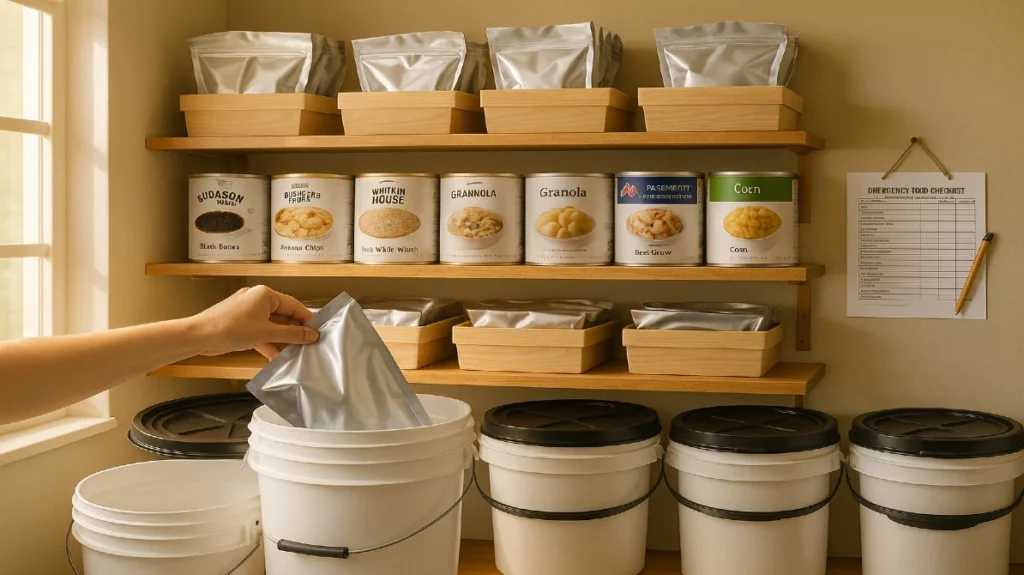
Use airtight containers to protect your food from moisture, pests, and air exposure. Mylar bags combined with oxygen absorbers work great for dried goods like rice and beans. For bulk storage, consider food-grade plastic buckets with tight-sealing lids to keep out bugs and humidity.
Glass jars with screw-on lids are perfect for smaller quantities or items you use frequently. Avoid containers that can easily dent or break, such as thin metal cans or fragile plastics. Think about ease of access too—clear containers help you quickly see what’s inside without opening them.
Optimal Storage Conditions
Keep your food supply in a cool, dark, and dry place to extend its shelf life. Temperatures between 50°F and 70°F are ideal; higher heat speeds up spoilage. I store my emergency food in a basement closet because it stays cool year-round and away from sunlight.
Humidity is the enemy—moisture invites mold and bacteria. Use silica gel packs or dehumidifiers in your storage area if you live in a humid climate. Also, avoid places near chemicals or strong odors, as food can absorb unwanted smells.
Rotation And Shelf Life
Label your food containers with purchase or packing dates. This simple step helps you use older items first and avoid expired food. Create a rotation system where you consume and replace food regularly, so nothing stays unused for years.
Check expiration dates, but remember many emergency foods remain safe beyond those dates if stored well. Still, plan to refresh your supplies every 6 to 12 months. Ask yourself: Are you confident that your food supply is truly ready when needed, or could a better rotation system make a difference?
Calculating Your Needs
Calculating your needs is a crucial step in building an emergency food supply that truly supports you and your family. Without a clear understanding of how much food you require, you risk either running out too soon or wasting valuable resources. Taking time to measure your daily requirements and the length of your supply can make all the difference during a crisis.
Daily Calorie Requirements
Everyone’s calorie needs vary based on age, gender, activity level, and health conditions. On average, an adult needs between 1,800 and 2,500 calories a day to maintain basic bodily functions and some movement.
Think about your own lifestyle. Are you mostly sedentary, or do you have a physically demanding routine? This affects how many calories you should store.
Use simple tools like online calorie calculators or dietary guidelines to find a baseline. Don’t forget to consider children, seniors, or anyone with special nutritional needs in your household.
Portion Planning
Once you know the calories needed, break them down into meals and snacks. Planning portions helps you organize your food supply efficiently and avoid wastage.
A practical approach is to plan three meals and two snacks per day. For example, a meal could be 600–700 calories, with snacks around 150–200 calories each.
Use measuring cups or a kitchen scale to practice portion sizes before storing. This habit ensures you know exactly how much to eat daily, reducing uncertainty when the time comes.
Duration Of Supply
Decide how long your emergency supply should last. Common recommendations range from 72 hours to several weeks or even months, depending on your risk level and preparedness goals.
Ask yourself: How long could you realistically be without access to fresh food? Planning for at least two weeks gives you a solid safety net in most situations.
Multiply your daily calorie needs by the number of days you want to be prepared for. This simple calculation guides your shopping list and storage space requirements.
Water And Hydration
Water is essential for survival, especially during emergencies. Staying hydrated supports your body’s basic functions. Building a reliable water supply is a key part of emergency preparedness. It ensures you have clean water for drinking, cooking, and hygiene. Understanding water storage, purification, and hydrating foods helps maintain hydration under any circumstance.
Water Storage Basics
Store water in clean, food-grade containers. Avoid containers that held chemicals or non-food substances. Use plastic, glass, or stainless steel bottles with tight lids. Keep at least one gallon of water per person per day. Store water in a cool, dark place to prevent algae growth. Rotate stored water every six months to keep it fresh. Label containers with the date of storage for easy tracking.
Purification Methods
Water from natural sources may contain harmful bacteria or viruses. Purify water before use to avoid illness. Boiling water for one minute kills most pathogens. Use water purification tablets or drops as an alternative. Portable water filters remove dirt and many microbes. UV light devices can disinfect water quickly. Always follow instructions for each purification method.
Hydrating Foods
Certain foods help maintain hydration during emergencies. Fruits like watermelon and oranges have high water content. Vegetables such as cucumbers and lettuce also provide moisture. Soups and broths add both fluids and nutrients. Choose canned or dried options that are easy to store. Incorporate these foods into your emergency supply for extra hydration support.
Cooking Without Power
Power outages can strike unexpectedly, leaving you without the usual means to cook your meals. Knowing how to prepare food without electricity is essential for your emergency food supply. It ensures you can still enjoy nutritious and satisfying meals even when the power is out.
No-cook Meal Ideas
Some meals require zero heat but still provide energy and nutrients. Think about items like canned tuna or chicken mixed with mayonnaise and pickles. Peanut butter and crackers offer protein and carbs without any fuss.
Fresh fruits and vegetables like apples, carrots, and celery keep you feeling refreshed and healthy. Don’t forget shelf-stable snacks such as nuts, granola bars, and dried fruits—they’re perfect for quick, no-cook options. Could you rely on these simple ingredients to keep hunger at bay during a blackout?
Alternative Cooking Methods
When the power is out, alternative cooking devices become your best friends. Portable gas stoves, charcoal grills, or even solar ovens let you prepare hot meals safely outdoors. I once cooked a stew on a camping stove during a power cut, and it turned out surprisingly delicious.
Use a campfire if you have a safe outdoor space, but always follow fire safety rules. Another option is a rocket stove—compact and efficient for boiling water or heating canned food. Do you have any of these tools in your emergency kit, or is it time to add them?
Safe Food Preparation
Without power, keeping food safe is a challenge but not impossible. Always check if your food smells or looks off before eating. Perishable items like meat and dairy should be consumed first or discarded if left unrefrigerated for more than four hours.
Use clean water and utensils to avoid contamination. Handwashing is crucial, especially when you don’t have running water inside. How do you plan to keep your food safe when refrigeration isn’t an option?
Credit: wildoaktrail.com
Essential Tools And Supplies
Having the right tools and supplies is crucial to building an emergency food supply that lasts and works when you need it most. It’s not just about stocking food; you need the right accessories and equipment to store, prepare, and eat your meals efficiently. Without these essentials, even the best food stash can become useless.
Food Storage Accessories
Proper storage keeps your food fresh and safe from pests. Invest in airtight containers, like heavy-duty plastic bins or glass jars with sealing lids, to protect dry goods.
My experience taught me the value of oxygen absorbers and vacuum sealers. These help extend shelf life significantly by removing air that causes spoilage.
- Food-grade buckets with gamma seal lids
- Mylar bags combined with oxygen absorbers
- Labels and markers to track expiration dates
Cooking Equipment
Access to a reliable cooking method ensures you can prepare your stored food properly. A portable camping stove or a small propane burner works well for emergency scenarios.
During a power outage, I relied on a simple butane stove that fit in my backpack. It was lightweight and easy to use, proving how important compact cooking gear can be.
- Portable stoves (propane, butane, or multi-fuel)
- Fuel canisters with a safe storage plan
- Heat-resistant gloves and fire starters
Emergency Utensils
Don’t forget the tools to eat and prepare your meals. A set of durable, reusable utensils will save you from struggling with makeshift tools.
I always keep a small kit with a can opener, sharp knife, and multi-tool handy. These items made a big difference when I had to open canned food quickly.
- Manual can opener
- Sturdy knives and cutting boards
- Reusable plates, bowls, and cups
- Multi-tool with screwdriver and scissors
What simple tool could you add today to improve your emergency food setup? Think about what you use daily and how you could adapt it for survival situations.
Maintaining Your Supply
Maintaining your emergency food supply ensures it stays safe and useful. Regular care keeps your stock ready for any situation. This involves checking, replacing, and updating items based on your family’s needs. Staying organized helps avoid waste and surprise shortages.
Regular Inspection
Check your food supply at least twice a year. Look for damaged packaging, leaks, or signs of pests. Make sure containers are sealed tightly and stored in a cool, dry place. Inspect items for changes in color or smell. Keep a checklist to track your inspections easily.
Replacing Expired Items
Expired food loses nutrition and taste. Remove old items before adding new ones. Use the “first in, first out” rule to rotate stock. Eat older products first and replace them with fresh supplies. Mark expiration dates clearly to avoid confusion. This keeps your supply fresh and safe.
Updating For Changing Needs
Review your emergency food supply when family size changes. Consider new dietary needs or allergies. Add foods that fit your current preferences and health conditions. Adjust quantities based on how long you want to be prepared. Update your supply after any big life event or health change.

Credit: www.youtube.com
Frequently Asked Questions
What Are The Essential Items For An Emergency Food Supply?
Essential items include non-perishable foods like canned goods, dried fruits, nuts, rice, and pasta. Also, include water, energy bars, and freeze-dried meals. These items have long shelf lives and provide necessary nutrients during emergencies.
How Much Food Should I Store Per Person?
Store at least a three-day supply for each person, ideally a two-week supply. Calculate based on daily calorie needs, usually 2,000 calories per person. Adjust amounts for children, elderly, or special dietary needs.
Where Is The Best Place To Store Emergency Food?
Store food in a cool, dry, and dark location. Avoid areas with high humidity or temperature fluctuations. Basements, pantries, or sealed containers work well to keep food fresh and safe.
How Often Should Emergency Food Supplies Be Rotated?
Rotate your food supply every 6 to 12 months. Use older items first and replace them with fresh stock. This ensures your emergency food is safe and maintains its nutritional value.
Conclusion
Building your own emergency food supply takes time and care. Start with simple, easy-to-store foods. Keep track of expiration dates and rotate supplies regularly. Choose items your family likes and can eat easily. Store food in a cool, dry place to keep it fresh.
Remember, a well-prepared food supply brings peace of mind. Stay safe and ready for unexpected situations. Small steps today lead to better security tomorrow.


