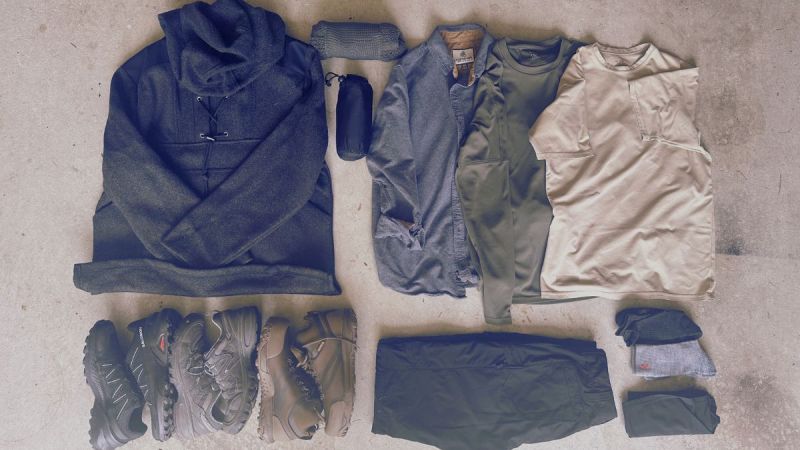
Have you ever stopped to think about how important your clothes really are? More than just fashion or comfort, clothes play a key role in your survival every day.
From protecting you against harsh weather to keeping harmful germs away, your clothes do much more than you might realize. Keep reading to discover the surprising ways your wardrobe helps you stay safe, healthy, and comfortable—because understanding this can change how you see something as simple as what you wear.
Protection From Elements
Clothes serve as a vital shield against harsh natural forces. They protect the body from cold, heat, wind, and rain. Without clothing, exposure to these elements can cause serious health problems. Clothes create a barrier that keeps the body safe and comfortable in different environments.
Shielding From Weather
Clothes block cold wind and rain from touching the skin. Warm fabrics like wool trap heat close to the body. Light, breathable clothes keep the skin cool during hot days. Raincoats and waterproof materials stop water from soaking through. This protection helps maintain the body’s temperature and prevents sickness.
Guarding Against Injuries
Clothing protects the skin from cuts, scrapes, and bruises. Long sleeves and pants cover the body, reducing the risk of harm. Thick materials act as a cushion against sharp objects. Protective gear, like gloves and helmets, guard delicate body parts. Clothes act as a first layer of defense in dangerous situations.
Barrier Against Insects And Animals
Clothes keep biting insects from reaching the skin. Tight weaves and thick fabrics stop mosquitoes and ticks. Long clothing reduces the chance of insect bites and stings. In areas with wild animals, clothes offer some protection from scratches and bites. This barrier lowers the risk of infections and discomfort caused by insects.
Regulating Body Temperature
Clothes play a key role in controlling body temperature. They act as a barrier between the skin and the outside world. This helps keep the body warm during cold weather and cool during hot weather. Proper regulation of body temperature supports survival by preventing heat loss or heat gain.
Insulation In Cold Climates
In cold climates, clothes trap body heat to keep warmth close. Layers of fabric create pockets of air that act as insulation. Materials like wool and down are excellent at holding heat. Thick coats, hats, and gloves protect extremities from frostbite. Without these layers, the body loses heat rapidly, risking hypothermia.
Cooling In Hot Conditions
Clothes also help cool the body in hot weather. Light-colored, loose fabrics reflect sunlight and allow air flow. Cotton and linen absorb sweat and help it evaporate. This evaporation cools the skin, lowering body temperature. Wearing the right clothes reduces heat stress and dehydration risks.
Maintaining Comfort And Health
Proper clothing maintains comfort by balancing heat and moisture. It prevents overheating and chills, both harmful to health. Clothes protect skin from sunburn, insects, and injuries. Keeping the body temperature stable supports immune function and energy levels. This helps people stay active and healthy in varying climates.
Hygiene And Cleanliness
Clothing plays a vital role in maintaining hygiene and cleanliness. It acts as a barrier between the skin and harmful elements. This protective layer helps keep the body clean and healthy.
Wearing clean clothes supports personal hygiene. It reduces the risk of infections and skin problems. Clothes also help manage sweat and dirt, keeping the skin dry and fresh.
Preventing Skin Infections
Clothes protect the skin from bacteria and germs. They cover cuts and wounds, stopping infection. Wearing clean garments reduces the chance of rashes and irritations.
Absorbing Sweat And Moisture
Clothes absorb sweat and moisture from the skin. This stops the growth of harmful microbes. Dry skin feels comfortable and less prone to infections.
Reducing Exposure To Dirt
Clothing acts as a shield against dirt and dust. It prevents direct contact with harmful particles. This helps maintain skin cleanliness and overall health.

Credit: trueprepper.com
Social And Psychological Roles
Clothes do more than protect your body—they shape how you connect with the world around you. The social and psychological roles of clothing affect your identity, mood, and relationships. Understanding these roles helps you see clothes as essential tools for survival in society, not just fabric.
Expressing Identity And Culture
Your clothes tell a story about who you are and where you come from. Wearing traditional attire or specific styles can link you to your cultural roots and community. Have you noticed how certain outfits make you feel more connected to your heritage or express your personal beliefs?
Clothing allows you to showcase your personality without saying a word. Choosing colors, patterns, or accessories reflects your mood and values. This silent communication helps you stand out or blend in, depending on what you need at the moment.
Boosting Confidence And Morale
The right outfit can change your entire day. When you dress well, you feel more capable and ready to face challenges. It’s not just about looking good; it’s about feeling good inside.
Think about a time when you wore something that made you proud. Did it affect how you spoke or acted? Clothes can boost your morale, helping you stay motivated during stressful or uncertain times.
Facilitating Social Interactions
Clothes serve as social signals that influence how people perceive and approach you. Wearing appropriate attire for different occasions makes it easier to connect with others and avoid misunderstandings.
Have you ever noticed how dressing neatly can open doors in professional or social settings? Your clothing helps create first impressions that shape conversations and relationships.
Next time you choose an outfit, consider how it supports your social goals and emotional well-being. Your survival in society depends on more than just physical protection—it relies on how you present and carry yourself.
Practical Uses In Daily Life
Clothes serve many practical uses beyond just covering the body. They help in daily tasks and improve comfort. People rely on clothes to carry things, stay safe, and perform activities better. These uses make clothes necessary for survival in everyday life.
Storage And Carrying Items
Pockets and bags sewn into clothes help carry small items. Keys, money, and phones stay close and safe. This frees up hands for other tasks. Clothes with extra pockets are useful for workers and travelers. Carrying items this way reduces the chance of losing them.
Safety And Visibility
Bright or reflective clothes keep people visible in low light. Workers on roads wear neon vests to avoid accidents. Children in school zones wear bright colors for safety. Certain clothes protect the skin from cuts, burns, and chemicals. This protection lowers injury risks during work or play.
Adaptation To Specific Activities
Different clothes suit different tasks and environments. Sportswear allows free movement and controls sweat. Hiking clothes protect against weather and rough terrain. Uniforms identify roles and keep teams coordinated. Wearing the right clothes boosts performance and comfort.

Credit: premierbodyarmor.com

Credit: blanchethouse.org
Frequently Asked Questions
Why Are Clothes Essential For Human Survival?
Clothes protect our bodies from extreme weather conditions, harmful UV rays, and insects. They help regulate body temperature and prevent injuries. Wearing clothes also maintains hygiene and social norms, which are vital for healthy living and survival in society.
How Do Clothes Protect Against Environmental Hazards?
Clothes act as a barrier against cold, heat, rain, and wind. They reduce the risk of hypothermia, heatstroke, and skin damage. Protective fabrics can shield from chemicals, sharp objects, and insects, enhancing safety in various environments.
Can Clothes Improve Physical Health And Safety?
Yes, clothes prevent infections by covering wounds and skin. They reduce exposure to dirt and germs. Specialized clothing also safeguards workers from occupational hazards, improving overall health and safety.
How Do Clothes Contribute To Psychological Well-being?
Clothes boost confidence and self-esteem by allowing personal expression. They help people feel secure and accepted in social settings. This emotional comfort supports mental health, which is crucial for overall survival.
Conclusion
Clothes protect us from cold, heat, and rain. They keep our bodies safe from injuries and germs. Wearing clothes also helps us feel comfortable and confident. They play a role in social life and culture. Without clothes, survival in many environments would be very hard.
Choosing the right clothes matters for health and safety. Clothes are simple but vital tools for everyday life. They are more than just fashion or style. They help us live, work, and connect with others easily.

