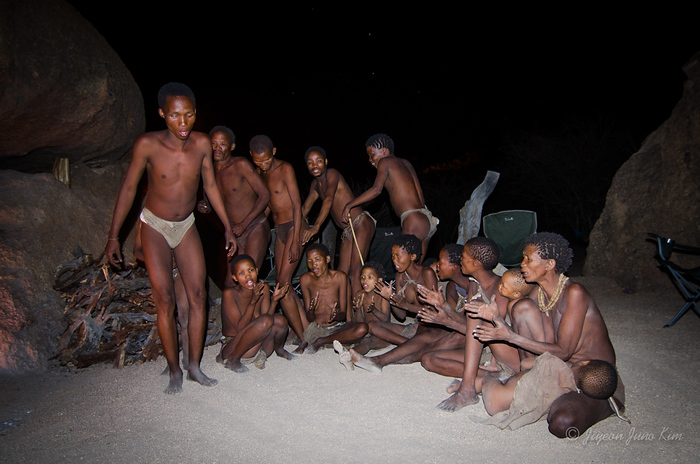
Have you ever wondered how tribal people manage to survive through the night without wearing any clothes? It might seem strange or even risky to you, but their way of life holds secrets that have helped them thrive for generations.
You’ll discover the surprising reasons behind their nighttime habits and how their bodies and environment work together to keep them safe and comfortable. Keep reading—you might be amazed at what you learn about human resilience and adaptation.

Credit: survivalinternational.medium.com
Nighttime Challenges
Surviving the night without clothes presents unique challenges for tribal people. The darkness brings threats that test their skills, instincts, and connection with nature. Understanding these nighttime challenges reveals how deeply adapted they are to their environment.
Predators And Dangers
Night is when many predators become active. Tribal people rely on their heightened senses and knowledge of animal behavior to stay safe. They often use natural barriers like thorny bushes or sleeping arrangements in elevated places to avoid ground predators.
Careful listening and watching for unusual sounds help alert them to nearby dangers. Have you ever noticed how your hearing sharpens in the dark? This sensitivity can mean the difference between safety and harm.
Weather And Environment
Without clothing, the body is vulnerable to cold, moisture, and insects. Tribal people use natural shelters such as caves, dense foliage, or constructed huts to protect themselves from harsh weather. They might also use leaves or mud as temporary coverings to keep warm or dry.
Sleeping close to a fire provides warmth and keeps bugs away, but it requires skill to maintain without causing danger. How do you think you’d manage staying warm with only nature around you?
Limited Visibility
Nighttime limits what you can see, making navigation and awareness more difficult. Tribal people depend on their intimate knowledge of the terrain and stars to move safely. They also use simple tools like torches made from resinous wood to create light when needed.
Trusting your other senses becomes vital. Imagine walking through a dark forest—your eyes may fail, but your ears and touch guide every step.
Traditional Shelter Techniques
Tribal people use smart traditional shelter techniques to stay safe and warm at night. Their shelters protect them from cold, rain, and wild animals. These homes blend with nature and use simple, strong designs. The knowledge passed down through generations helps them build shelters quickly and efficiently.
Natural Materials Used
Tribal shelters use materials found in the environment. Wood, leaves, grass, and bark are common choices. These materials keep the shelter cool in hot weather and warm in cold. They are easy to gather and replace. Some tribes also use animal skins for extra warmth and protection.
Construction Methods
Building shelters involves weaving and stacking materials. Wooden poles make the frame strong. Leaves and grass are layered tightly for walls and roofs. Some tribes dig shallow pits for floors to keep warmth inside. The designs are simple but effective against weather and insects.
Location Choices
Choosing the right place is key for shelter success. Shelters are built near water but not too close to flooding. High ground helps avoid dampness and insects. Trees and rocks provide natural windbreaks. Sunlight exposure keeps shelters warm during the day.
Fire And Light Sources
Fire and light are essential for tribal people surviving through the night without clothes. These natural elements provide warmth, safety, and the ability to continue activities after dark. Understanding how fire is made and used reveals much about the resourcefulness and deep connection these communities have with their environment.
Fire Starting Methods
Tribal people use simple but effective techniques to start fires. They often rely on friction methods like rubbing sticks together or using a bow drill. These methods require patience and skill, but they work without modern tools.
Sometimes, stones like flint are struck together to create sparks. Gathering dry leaves, bark, and twigs is crucial to catch these sparks and build a steady flame. Have you ever tried starting a fire this way? It teaches you how much effort goes into something we usually take for granted.
Uses Of Fire At Night
Fire is more than just a source of warmth. At night, it keeps wild animals away, offering a sense of security. It also allows people to cook food, which is vital for nutrition and energy.
Light from fire enables storytelling, social bonding, and passing down traditions. This simple glow turns dark nights into moments of connection and learning. Think about how fire changes the entire atmosphere around you—what would your night be like without it?
Other Light Techniques
Besides fire, tribal people use natural light sources. They might use glowing fungi or resin from certain trees to create small lamps. These alternatives illuminate paths or workspaces without needing a full fire.
Sometimes, reflective surfaces like water or polished stones help amplify moonlight. This clever use of nature shows that light can come in many forms, not just flames. Could you imagine navigating a dark forest with just these subtle lights?

Credit: www.youtube.com
Night Hunting And Gathering
Night hunting and gathering is a crucial survival strategy for many tribal communities living close to nature. Without the protection of clothes, these people rely heavily on their skills, tools, and deep understanding of the environment to find food and stay safe in the dark. Their approach shows how human adaptability can thrive even under challenging conditions.
Tools And Weapons
Tribal hunters often use lightweight, silent weapons to avoid alerting prey. Simple bows, spears, and traps made from natural materials serve them well. These tools are carefully crafted to be effective yet easy to carry during night excursions.
Some tribes use sharpened sticks or stones as weapons, which require skill and precision. The quiet nature of these tools helps maintain stealth, increasing the chances of a successful hunt.
Tracking Techniques
Tracking at night demands acute senses. Hunters rely on their sharp eyesight adapted to low light and acute hearing to detect animal movements. They also use knowledge of animal habits, such as common paths and feeding spots.
Many tribal people can read subtle signs like broken twigs, footprints, or disturbed leaves. This skill allows them to follow prey without the need for artificial light, which would scare animals away.
Food Sources
Nighttime food gathering often targets nocturnal animals like rodents, bats, and insects, which are active after dark. Tribes also collect fruits, nuts, and roots that are easier to find at night due to cooler temperatures and less competition.
Some communities fish or trap small aquatic creatures using handmade nets or baskets. This diverse approach to food helps maintain a balanced diet and supports survival without modern tools or clothing.
Communication And Signals
Communication and signals play a crucial role in how tribal people survive during the night without clothes. Without modern tools or technology, they rely heavily on natural and intuitive ways to stay connected and safe. These signals help them alert each other, coordinate movements, and avoid dangers in the dark.
Sound-based Signals
Tribal groups use a variety of sounds to communicate at night. Sharp whistles, clicks, or calls can travel long distances and wake others quickly. These sounds often carry specific meanings, such as warning about predators or signaling a safe path.
Imagine hearing a sudden whistle near your camp; your instincts tell you to stay alert. This type of sound-based communication is vital because it doesn’t require light, which could reveal your position to threats. You could even use rhythmic tapping on nearby trees to send silent messages.
Visual Cues
Even in darkness, visual cues are surprisingly effective. Tribal people might use hand signals or body movements that stand out against moonlight or firelight. Small gestures can convey important instructions without making noise.
Sometimes, they rely on reflective objects like shiny stones or shells to catch and reflect minimal light. These subtle signals can guide group members or warn them of approaching danger. You might be surprised how much can be communicated without words or sounds.
Group Coordination
Coordination is key when everyone is vulnerable without clothes and exposed to the night environment. Tribal people often move and act as a unit, relying on practiced routines and signals. This helps them stay close and protect each other.
- They assign roles, such as lookouts and scouts, who communicate silently.
- Regular check-ins through calls or signals ensure no one gets lost.
- Shared knowledge of the terrain improves their ability to navigate safely in darkness.
Have you ever considered how your group would stay connected without phones or lights? Learning from these communication methods could enhance your awareness and safety in low visibility situations.
Cultural Beliefs And Rituals
Tribal people have unique cultural beliefs that shape their nighttime practices. These beliefs help them feel safe and connected to their environment. Clothing is often not necessary because their rituals and traditions offer protection and comfort. Night survival is deeply tied to spiritual and communal life, not just physical needs.
Spiritual Protection
Many tribes believe spirits guard them through the night. They perform rituals to invite these spirits for safety. These rituals include chanting, dancing, and using natural symbols. The belief in spiritual protection helps reduce fear of the dark. It creates a strong mental shield against dangers.
Nighttime Traditions
Nighttime is a time for community and ceremony. Tribes gather around fires to share stories and songs. This builds warmth and a sense of belonging. They may use plants or ashes on their skin for protection. These traditions create a bond that replaces the need for clothes.
Passing Knowledge
Elders teach younger members how to stay safe at night. They share knowledge about plants, animals, and weather signs. This wisdom helps children understand when to be cautious. Stories explain the meaning behind rituals and beliefs. Passing knowledge keeps traditions alive and strengthens survival skills.
Adaptations To Nightlife
Tribal people living without clothes at night have developed remarkable ways to adapt to their environment. Their survival depends on keen senses, smart sleep habits, and strong community support. These adaptations help them stay safe, warm, and alert during the dark hours.
Sensory Enhancements
Without modern tools or clothing, tribal people sharpen their natural senses to navigate the night. Their eyesight adapts to low light, allowing them to detect movement and shapes in the dark. Hearing becomes more acute, picking up subtle sounds like rustling leaves or distant animal calls.
You might wonder how they avoid dangers like snakes or predators. Their heightened senses act like early warning systems, giving them time to react. This skill is something you can relate to—ever notice how your other senses seem sharper when you’re in a dark room?
Sleep Patterns
Tribal communities often divide their sleep into shorter periods rather than one long stretch. This segmented sleep pattern lets them stay alert for threats or changes in the environment. They may rest in shifts, ensuring that someone is always awake to watch over the group.
This approach contrasts with the typical eight-hour sleep many follow today. It raises the question: could adapting your own sleep schedule improve your awareness and energy levels? Tribal sleep habits show that rest can be flexible and still effective.
Community Roles
Each person plays a vital part in keeping the group safe at night. Some members act as lookouts, while others maintain fires or prepare shelters. This teamwork creates a protective network where everyone’s role matters.
Think about your own community or family. How could sharing responsibilities at night make everyone feel safer? Tribal life teaches us the power of collaboration and trust, especially when facing the unknown after dark.
Credit: survivalinternational.medium.com
Frequently Asked Questions
How Do Tribal People Stay Warm At Night Without Clothes?
Tribal people rely on natural body heat and shelter to stay warm. They often sleep close together for shared warmth and use leaves or natural materials as insulation. Their bodies adapt to the environment, helping them maintain comfort without clothing.
What Natural Shelters Do Tribes Use At Night?
Tribal communities use caves, huts, or dense foliage for shelter. These natural structures protect them from wind, rain, and cold temperatures. Such shelters provide essential warmth and safety, enabling survival without the need for clothing at night.
How Do Tribal People Protect Themselves From Insects Without Clothing?
Tribal people use natural repellents like smoke from fires and certain plants. They may apply mud or plant extracts to their skin as a barrier. These methods effectively reduce insect bites and discomfort during the night.
Why Don’t Tribal People Need Clothes For Nighttime Survival?
Tribal people’s bodies are adapted to their climate and environment. They use natural resources and behaviors, like shelter and body heat sharing, to stay comfortable. Their lifestyle reduces dependence on clothing for nighttime survival.
Conclusion
Tribal people live closely with nature and use its gifts well. They know how to stay warm and safe without clothes at night. Their bodies and habits adapt to their environment naturally. They rely on fire, shelter, and their community’s skills.
This way, they protect themselves from cold and insects. Their lifestyle shows how humans can live simply and survive. It teaches us respect for nature and ancient knowledge. Survival is about understanding and working with the world around us.

