
Are you struggling to stay warm and protected in Survival Craft? Making clothes is one of the most important skills you need to survive and thrive.
Without proper clothing, your character can quickly lose health and energy. But how do you make clothes in Survival Craft, especially when resources are limited? You’ll discover simple steps and insider tips to craft the best outfits that keep you safe and comfortable.
Keep reading, because mastering this skill will change the way you play and boost your chances of survival.
Gathering Essential Materials
Gathering essential materials is the first and most crucial step in making clothes in Survival Craft. Without the right resources, you can’t create durable garments to protect yourself from the environment. You’ll need to know where to find natural materials and how to collect them efficiently to keep your crafting going.
Identifying Natural Resources
You need to learn which natural resources are useful for clothing. Look around your environment carefully—rocks won’t help, but plants and animal parts will.
Focus on spotting trees with fibrous bark or bushes with long, strong stems. These are great sources of plant fibers. Also, keep an eye out for animals that you can hunt or find hides from.
Ask yourself: What materials does my current environment offer? Are there seasonal changes that affect availability? This awareness saves you time and effort.
Collecting Animal Hides
Animal hides are essential for making tough, warm clothes. You can get hides from hunting animals like deer, rabbits, or wolves, but make sure you have the right tools.
After you’ve hunted, skin the animal carefully to avoid damaging the hide. Dry the hides quickly to prevent rot, either by hanging them near a fire or in a dry, shaded spot.
Think about how long you can keep hides before they spoil. Would tanning or curing the hides improve their durability for your needs?
Harvesting Plant Fibers
Plant fibers provide flexibility and breathability in clothing. Look for plants such as nettles, flax, or yucca—these have strong fibers suitable for weaving or threading.
Cut the stalks close to the ground and strip away the outer layers to reach the fibrous core. Once you have enough fibers, dry and soften them to make weaving easier.
Have you tried experimenting with different plants to see which fibers work best for your crafting? Finding the right fiber can change the quality of your clothes dramatically.

Credit: survivalcraftgame.fandom.com
Creating Basic Tools
Creating basic tools is essential for making clothes in Survival Craft. Without the right tools, gathering materials and assembling garments becomes a tough challenge. Building simple tools not only speeds up the process but also improves the quality of your clothes.
Crafting A Needle
A needle is your first step toward stitching fabric and leather. You can make one from a small, sharp piece of bone or a thorn. Sharpen it carefully by rubbing against a stone until you get a fine point.
Once you have your needle, find some thread. Plant fibers or animal sinew work well. Threading the needle might take patience, but it’s crucial for sewing patches or creating basic clothing.
Making A Loom
A loom helps you weave fibers into fabric, which is key for making clothes. Start by gathering flexible sticks or vines to form a simple frame. Stretch fibers tightly across the frame to create the warp threads.
Weave other fibers over and under the warp threads to build fabric. It’s like making a grid with natural materials. Having a loom allows you to produce larger pieces of cloth, perfect for crafting shirts or pants.
Constructing A Tanning Rack
Tanning racks prepare animal hides so they become soft and wearable leather. Build one from sturdy branches arranged in an A-frame shape. Stretch the hide over the rack and let it dry slowly while applying tannin-rich substances like tree bark.
This process turns raw hides into durable material that resists decay. If you’ve ever tried to wear untreated hide, you know how stiff and uncomfortable it can be. A tanning rack makes a big difference in comfort and durability.
Processing Raw Materials
Processing raw materials is the foundation of making clothes in Survival Craft. It transforms basic natural resources into usable fabrics and leathers. Mastering these processes can improve your chances of survival by providing durable clothing that protects you from the elements.
Tanning Animal Hides
Animal hides are tough and full of moisture when first obtained. You need to remove fats and hair to prevent the hide from rotting. Tanning involves soaking the hide in natural tannins extracted from tree bark or certain plants.
This process stabilizes the hide, making it flexible and durable. Have you ever tried scraping a hide? It’s harder than it looks but essential for clean leather. Once tanned, hides become a reliable material for warm and sturdy garments.
Spinning Plant Fibers
Plant fibers like flax or cotton don’t come ready-made for sewing. You must first clean and separate the fibers from the plant stalks. Spinning twists these fibers into threads that can be woven or knitted.
Spinning by hand takes practice to get even, strong thread. Think about how thread thickness affects the final fabric’s strength and comfort. With enough patience, you can create yarn suitable for crafting soft, breathable clothing.
Weaving Fabric
Weaving is the process of interlacing threads to make fabric. You arrange spun threads in two directions: the warp (lengthwise) and the weft (crosswise). This creates a strong, flexible cloth ready for cutting and sewing.
Building a simple loom from sticks or wood speeds up weaving. Have you considered how fabric tightness influences warmth and durability? Experiment with different thread patterns to suit your survival needs.
Designing Your Garments
Designing your garments in Survival Craft is more than just picking fabric and stitching it together. It’s about creating clothes that serve your needs in challenging environments—durable, functional, and comfortable. Paying attention to design details can make the difference between gear that lasts and gear that fails when you need it most.
Choosing Simple Patterns
Simple patterns save time and reduce mistakes. Look for designs with minimal seams and straightforward shapes like tunics, ponchos, or basic pants. These shapes are easier to sew and use less fabric, which is important when resources are limited.
Think about the garment’s purpose. Will you be layering it or wearing it alone? A loose fit allows for freedom of movement and ventilation. Have you ever tried making a complex design only to end up frustrated? Keeping it simple ensures you finish your garment and actually wear it.
Measuring And Cutting Fabric
Accurate measurements are key to a good fit. Use a piece of string or a flexible tape if you don’t have a measuring tape. Measure around your chest, waist, hips, and length from shoulder to where you want the garment to end.
Mark your fabric clearly with chalk or a pencil before cutting. Cut slowly and carefully to avoid mistakes that waste precious material. Remember, it’s better to cut a bit larger—you can always trim excess later but you can’t add fabric back once it’s cut.
Sewing Techniques For Durability
Strong stitching keeps your clothes together through tough use. Use double stitching or backstitching at stress points like shoulders and seams. These techniques prevent seams from unraveling when you move or carry heavy loads.
Try to sew slowly and evenly, making sure each stitch is tight. If you’re using a needle and thread by hand, knot your thread securely and finish seams with a few extra stitches. Have you noticed how many survival garments have reinforced seams? That’s no accident—it’s a practical step you can take too.
Enhancing Durability And Comfort
Enhancing the durability and comfort of clothes in Survival Craft is essential for lasting wear. Clothes must withstand rough use and changing weather. Comfort helps players stay focused and move freely in the game.
Improving durability means making clothes stronger and less likely to tear. Comfort means making clothes soft, flexible, and suitable for different climates. Both qualities together improve the overall gameplay experience.
Reinforcing Seams
Seams are the most common weak points in clothes. Strengthening these areas prevents rips and tears. Use extra stitching along edges and joints. Double or triple stitching works best. Tight and even stitches hold fabric pieces firmly together.
Using strong thread types also helps. Synthetic threads last longer than natural ones. Reinforced seams make clothes last through tough activities like climbing and running.
Weatherproofing Methods
Weatherproofing protects clothes from rain, wind, and cold. Applying oil or wax to fabric repels water. This keeps the player dry during rain. Layering cloth with waterproof materials adds more protection.
Windproofing can be done by using tight weaves or adding extra layers. Insulating layers trap heat inside to keep warm. Simple weatherproofing tricks improve comfort in harsh conditions.
Adding Functional Features
Functional features make clothes more practical. Pockets allow storage of small tools or food. Adjustable straps help fit clothes better to the body. Adding hoods and collars protects the head and neck from sun or cold.
Ventilation areas or mesh panels improve airflow to prevent overheating. Small features increase comfort without sacrificing durability. They make clothes useful and versatile for different survival tasks.
Adapting To Environmental Conditions
Adapting clothing to fit different environments is crucial in Survival Craft. Each setting demands unique features to keep you safe and comfortable. Understanding how to make clothes suitable for various conditions can improve your survival chances. Tailor your garments to handle cold, heat, or the need for stealth.
Crafting Cold Weather Clothing
Cold weather clothing must trap heat and block wind. Use thick materials like fur or wool for insulation. Layer clothes to create air pockets that keep warmth close to your body. Cover extremities well; gloves, hats, and boots help prevent frostbite. Waterproof outer layers protect against snow and moisture. Keep mobility in mind when designing these garments.
Designing For Hot Climates
Clothing for hot climates should allow air to flow freely. Choose light, breathable fabrics that reflect sunlight. Loose-fitting clothes help sweat evaporate and cool the skin. Use lighter colors to reduce heat absorption. Cover skin to prevent sunburn and insect bites. Avoid heavy or tight clothing that traps heat and causes discomfort.
Creating Camouflage And Concealment
Camouflage clothing helps blend into the environment for safety or hunting. Use natural colors like greens, browns, and tans matching local terrain. Patterns should break up the body outline to avoid detection. Add texture or leaves to enhance disguise. Choose materials that do not make noise when moving. Balance concealment with comfort and practicality.
Maintaining And Repairing Clothes
Keeping your clothes in good shape is crucial in Survival Craft. Clothes protect you from harsh elements and help maintain your health. Regular care and timely repairs can save you from unnecessary risks and extend the use of your garments in the game.
Spotting Wear And Tear
Check your clothes often for small holes, frays, or thinning fabric. These signs can appear quickly, especially after battles or harsh weather. Catching damage early means you can fix it before it turns into a bigger problem.
Look closely at seams and areas that stretch a lot, like elbows and knees. If you notice loose threads or fading, it’s time to act. Do you inspect your gear as carefully as your tools?
Emergency Repair Kits
Always carry a basic repair kit with you. Include needles, thread, patches, and fabric glue if possible. These tools let you fix tears on the spot and keep your clothes from falling apart during critical moments.
- Needles and strong thread for sewing ripped seams
- Fabric patches for covering large holes
- Glue for quick, no-sew fixes
Having these items ready saves you from having to craft new clothes too soon. Think about what gear you rely on daily—wouldn’t you want to repair it immediately rather than replace it?
Prolonging Garment Life
Prevent damage by avoiding unnecessary strain on your clothes. Don’t use your garments for tasks they aren’t designed for, like carrying heavy loads or crawling through sharp bushes. Clean your clothes regularly to remove dirt and sweat that weaken fabric fibers.
Store your clothes properly when not in use. Dry them thoroughly after rain or water exposure to stop mold and decay. How often do you care for your gear compared to your other survival essentials?
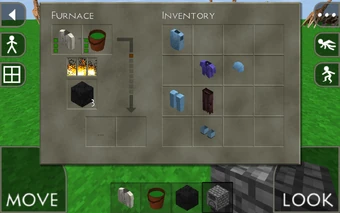
Credit: survivalcraftgame.fandom.com

Credit: survivalcraftgame.fandom.com
Frequently Asked Questions
How Do You Start Making Clothes In Survival Craft?
To make clothes, first gather animal hides or plant fibers. Use a crafting table to combine materials into basic clothing items like shirts or pants.
What Materials Are Needed For Clothes In Survival Craft?
You need animal hides, wool, or plant fibers. Collect these by hunting animals or harvesting plants in the game world.
Can Clothes Protect You In Survival Craft?
Yes, clothes provide warmth and protection from environmental hazards. They also improve your character’s survival chances in harsh conditions.
How Do You Upgrade Clothes In Survival Craft?
Upgrade by crafting better materials like leather or wool. Use crafting stations to combine materials into stronger, more durable clothing items.
Conclusion
Making clothes in Survival Craft helps you stay safe and warm. Gather materials like plant fibers and animal hides. Crafting clothes is simple and useful for survival. It protects you from cold and other dangers. Keep practicing to improve your skills.
Enjoy exploring and creating your own outfits. Survival Craft offers a fun way to learn crafting. Stay prepared and enjoy your adventure in the game.


