
Have you ever wondered how long herpes can survive on your clothes? Knowing this can help you protect yourself and others from the virus.
You might be surprised to learn how long the virus can live outside the body and what that means for everyday items like clothing. Understanding this could change the way you handle laundry and personal hygiene. Keep reading to discover the facts that will keep you safe and informed.

Credit: www.hindustantimes.com
Herpes Virus Basics
Understanding the basics of the herpes virus is key when considering its survival on surfaces like clothing. Herpes is more common than many realize, and knowing how it works can help you protect yourself and others. Let’s break down what you need to know about the virus itself and how it spreads.
Types Of Herpes Viruses
There are several types of herpes viruses, but the two most relevant to everyday health are Herpes Simplex Virus type 1 (HSV-1) and type 2 (HSV-2). HSV-1 often causes cold sores around the mouth, while HSV-2 usually leads to genital herpes. Both types can cause sores and blisters, but symptoms and locations vary.
Besides these, there are other herpes viruses like Varicella-Zoster Virus (causes chickenpox and shingles) and Epstein-Barr Virus (linked to mononucleosis). However, HSV-1 and HSV-2 are the main concern when discussing transmission through casual contact or surfaces like clothing.
Transmission Methods
Herpes spreads primarily through direct skin-to-skin contact, especially during outbreaks when sores are present. However, you might be surprised that the virus can sometimes be passed even when no symptoms show. This makes understanding transmission important for your everyday interactions.
- Direct Contact:Kissing, sexual contact, or touching an infected area.
- Indirect Contact:Contact with contaminated objects, though this is less common.
- Mother to Child:During childbirth if the mother has an active infection.
So, can herpes survive long enough on clothing to infect you? This question matters because you might worry about picking up the virus from towels or sheets. The truth is, herpes doesn’t live long outside the body. It usually dies quickly once it’s exposed to air and dry surfaces.
Survival Mechanism Of Herpes
The survival mechanism of herpes virus on clothing depends on its ability to protect itself from the environment and maintain infectivity. Herpes simplex virus (HSV) has a fragile outer envelope that is sensitive to drying and temperature changes. Despite this, it can survive for varying lengths of time on fabrics, influenced by several factors.
Understanding how herpes manages to persist outside the body can help you take better precautions when handling clothing or linens. Have you ever wondered why some viruses linger longer than others on the same surface?
Factors Affecting Virus Longevity
The lifespan of herpes on clothing is influenced by:
- Moisture:Damp or recently worn clothes provide a better environment for herpes survival than dry fabrics.
- Temperature:Cooler temperatures tend to preserve the virus longer, while heat accelerates its breakdown.
- Fabric type:Natural fibers like cotton may retain moisture longer, potentially extending virus survival compared to synthetic fabrics.
- Exposure to sunlight:Ultraviolet rays can quickly inactivate the virus.
These factors interact in complex ways, but generally, herpes does not survive more than a few hours on dry clothing under normal conditions. This means quick washing or airing out clothes can significantly reduce any risk of transmission.
Comparison With Other Viruses
Compared to other viruses, herpes is less durable outside the body. For example, norovirus can survive on surfaces for days or weeks, making it far more persistent on clothing.
Influenza viruses have a similar envelope structure to herpes but can sometimes survive longer due to differences in strain and environmental conditions.
Understanding these differences helps you prioritize cleaning methods. If you’re concerned about herpes, standard laundry detergents and regular washing are typically sufficient to inactivate the virus on fabrics.
Herpes On Clothing
Herpes on clothing is a concern for many who want to prevent the spread of the virus. Understanding how long herpes can survive on fabric and the risks involved can help you make safer choices. Let’s break down what affects the virus’s survival on clothes and whether it can be transmitted through them.
Conditions For Virus Survival
Herpes simplex virus (HSV) does not survive long outside the human body. On clothing, its lifespan depends on factors like temperature, humidity, and the type of fabric.
- Temperature:Cooler, moist environments help the virus last longer. Warm and dry settings cause it to die faster.
- Fabric type:Porous materials like cotton absorb moisture, which can protect the virus briefly. Synthetic fabrics dry quickly, reducing survival time.
- Exposure to air:The virus is fragile when exposed to air and sunlight, which can quickly deactivate it.
In most cases, HSV on clothing lasts from a few minutes up to a few hours. This short window makes it less likely to remain infectious for long.
Potential For Transmission
Can you catch herpes from clothes? The risk is extremely low. Herpes mainly spreads through direct skin-to-skin contact, not from objects or fabrics.
Touching contaminated clothing and then your mouth or genitals could theoretically spread the virus, but this is rare. The virus loses strength quickly once outside the body.
- Washing clothes with detergent and hot water kills the virus effectively.
- Sharing towels or underwear increases transmission risk more than casual contact with clothing.
- Handling clothes from an infected person with clean hands is generally safe.
Have you ever worried about sharing gym clothes or towels? The reality is that good hygiene and regular washing protect you well against herpes transmission through clothing.
Scientific Studies And Findings
Understanding how long herpes can survive on clothing is key to managing risks and keeping your environment safe. Scientific studies provide valuable insights but also reveal gaps that need attention. Let’s look at what recent research says and where it falls short.
Recent Research Insights
Studies show that the herpes simplex virus (HSV) generally survives for a very short time on porous surfaces like clothing. One experiment found that HSV can remain infectious on fabric for up to a few hours under optimal conditions. However, factors like temperature, humidity, and the type of fabric play a big role in how long the virus stays active.
This means your clothes are less likely to be a long-term source of infection compared to direct skin contact. Researchers also highlight that the virus loses its ability to infect quickly once it dries out. So, fresh contamination poses a bigger risk than something left on clothing for days.
Limitations Of Current Studies
Many studies use laboratory settings that may not perfectly mimic real-life situations. For example, controlled humidity and temperature don’t always match the variety found in homes or public spaces. This makes it harder to apply findings directly to your everyday clothes and routines.
Another challenge is the focus on specific strains of the virus or types of fabric. Your experience with synthetic blends versus natural fibers might differ, but research often overlooks this detail. Additionally, studies rarely consider how washing methods impact virus survival on clothing, leaving a gap in practical advice.
Have you ever wondered how effective your laundry routine is at removing viruses? Knowing these research limitations encourages you to take extra care with hygiene practices instead of relying solely on study results. It’s smart to combine scientific knowledge with practical habits to keep your clothes and yourself safe.
Practical Implications
Understanding how long herpes can survive on clothing has clear practical implications for your daily life. It influences how you handle laundry, share personal items, and manage close physical contact. Knowing the facts helps you make smarter choices that protect both you and those around you.
Risks In Everyday Situations
Herpes viruses don’t live long outside the body, but they can survive on clothing for a short time, especially if the fabric is damp. You might wonder if sharing towels, gym clothes, or bedsheets could pose a risk. The truth is, while transmission through clothing is rare, it’s not impossible if the virus is fresh and the fabric stays moist.
Think about a sweaty workout session where clothes stay damp for hours. This creates a small window where the virus could potentially remain active. But dry clothes left out for a day or two are unlikely to carry live virus particles. So, handling laundry promptly and drying items thoroughly reduces risks significantly.
Preventive Measures
You can take simple steps to minimize any chance of spreading herpes through clothing. Always wash clothes, towels, and bedding in hot water with detergent to kill viruses effectively. Avoid sharing personal items like towels or underwear, especially during an active outbreak.
Consider this: if you or someone close to you has herpes, using separate laundry loads during outbreaks adds an extra layer of safety. Also, drying clothes completely before wearing them prevents the virus from surviving on damp fabric. These small habits protect your health without causing stress or inconvenience.
Public Misconceptions
Many people have strong beliefs about how long herpes can survive on clothing, but these ideas are often shaped more by fear than facts. Misunderstandings about virus survival can lead to unnecessary worry or stigma. It’s important to look closely at what science says and separate truth from fiction.
Common Myths Debunked
One popular myth is that herpes can live for days on fabric, making every piece of clothing a potential risk. In reality, herpes viruses need a living host to survive and usually die quickly outside the body.
Another misconception is that sharing clothes with someone who has herpes is a common way to catch the virus. This is unlikely because the virus cannot penetrate intact skin or survive long on dry surfaces.
- Myth:Herpes stays active on clothes for days.
- Fact:The virus typically dies within minutes to a few hours on fabric.
- Myth:You can get herpes by sharing towels or clothes.
- Fact:Transmission through clothing is extremely rare and not considered a common route.
Role Of Education
Understanding how herpes actually spreads can ease a lot of unnecessary anxiety. When you learn the facts, it becomes clear that casual contact and clothing are not major concerns.
Education also helps reduce stigma, making it easier for people to talk openly and seek help without fear. Imagine how much better conversations would be if everyone knew that herpes doesn’t lurk on your clothes but requires close skin contact to spread.
What if you approached your next conversation about herpes with confidence, knowing the truth? Sharing accurate information can protect you and those around you from both the virus and misinformation.
Future Research Directions
Research about how long herpes survives on clothing is ongoing. Scientists want to learn more about virus survival outside the body. This knowledge can improve health guidelines and reduce infection risks. Future studies will focus on new methods and findings that help us understand herpes better.
Innovations In Virus Study
New technology allows scientists to observe viruses at a microscopic level. Advanced imaging tools show how herpes behaves on different fabrics. Tests with various temperatures and humidity give clearer survival times. Researchers use these tools to create safer public health practices.
Impacts Of New Discoveries
Discoveries can change cleaning and laundry recommendations. They help develop better disinfectants for home and hospital use. Understanding virus survival aids in designing clothes that resist infections. These findings protect people by reducing the chance of spreading herpes.
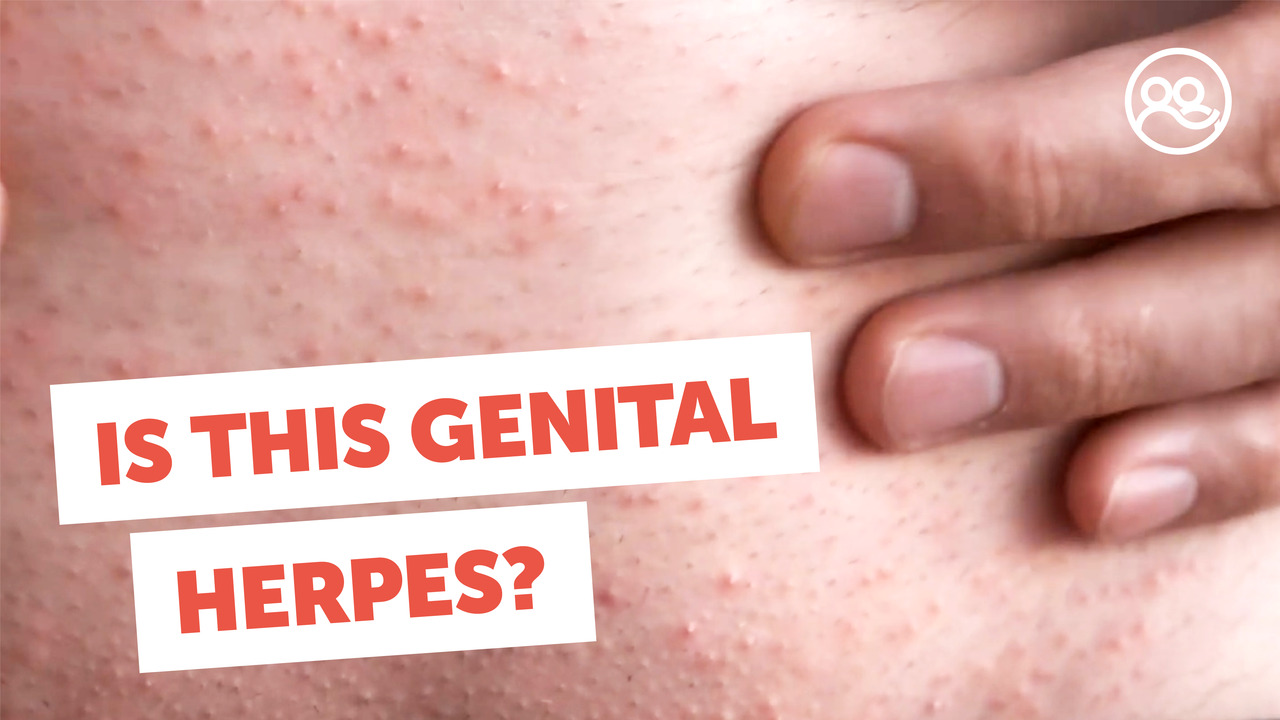
Credit: www.myhsteam.com

Credit: www.phoenix.ca
Frequently Asked Questions
How Long Does Herpes Virus Survive On Clothing?
Herpes virus can survive on clothing for a few hours to several days. Survival depends on factors like moisture, temperature, and fabric type. Generally, the virus dies quickly once the fabric dries. Proper washing with detergent effectively eliminates the virus from clothes.
Can Herpes Spread Through Contaminated Clothing?
Herpes transmission through clothing is very unlikely. The virus needs direct skin-to-skin contact to spread. Since it survives briefly on fabric, the risk of infection from clothes is minimal. Still, avoid sharing towels or intimate clothing to reduce any potential risk.
How Should I Wash Clothes Exposed To Herpes?
Wash clothes in hot water with detergent to kill herpes virus. Use the highest safe temperature for the fabric. Avoid sharing personal items like towels or underwear. Dry clothes thoroughly to further reduce any viral presence on fabrics.
Does Drying Clothes Kill The Herpes Virus?
Yes, drying clothes helps kill the herpes virus. The virus cannot survive long in dry environments. Sunlight and heat during drying further reduce its viability. Always dry clothes completely after washing to minimize any infection risk.
Conclusion
Herpes does not live long on clothing. The virus needs a warm, moist place to survive. Dry fabric makes it die quickly. Washing clothes with soap and water removes the virus well. Avoid sharing towels or clothes to stay safe.
Knowing this helps reduce worries about spreading herpes. Stay clean and take simple steps to protect yourself. Small actions make a big difference in health. Keep clothes fresh and wash them often. That’s the best way to stop the virus from spreading.


