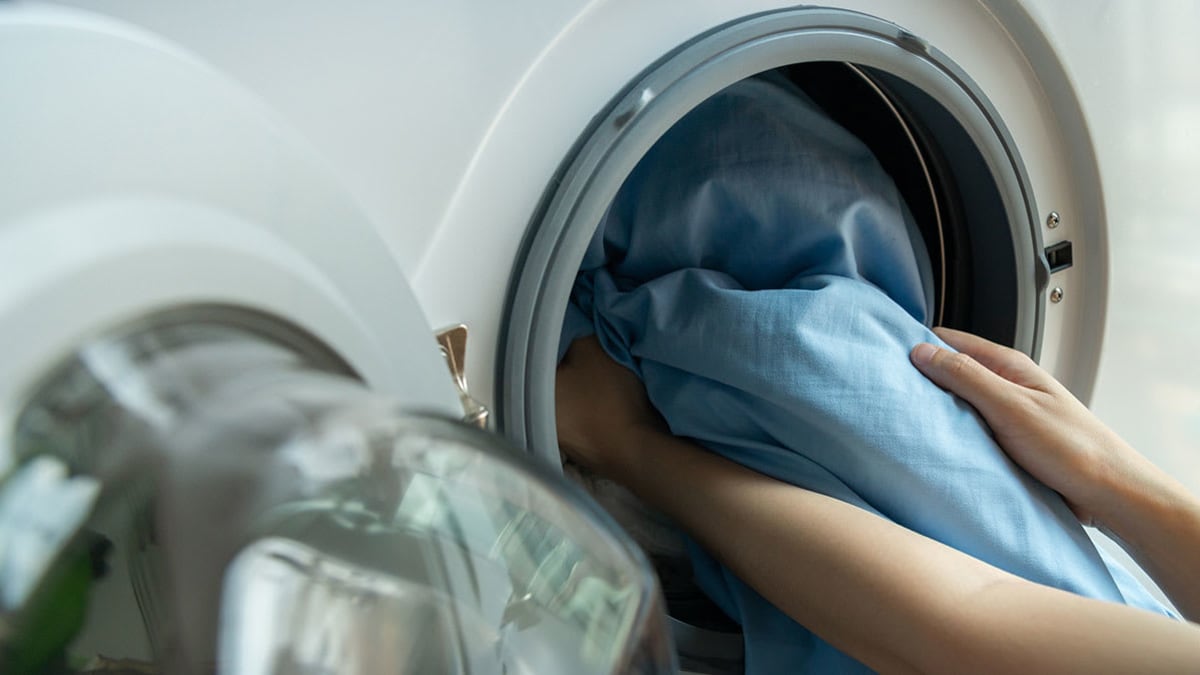
Have you ever wondered how safe your clothes are from coronavirus? You might touch your jacket or favorite shirt and ask yourself—how long can the virus actually survive on fabric?
Knowing this can help you protect yourself and your loved ones better. You’ll discover clear answers about how long coronavirus can live on different types of clothes. You’ll also learn practical tips to keep your wardrobe clean and reduce any risks.
Keep reading to find out what you need to know to stay safe every day.

Credit: www.goodrx.com
Virus Survival On Fabrics
Understanding how long the coronavirus can survive on fabrics is key to managing your daily routines safely. Clothes aren’t just barriers; they can also carry viruses longer than you might expect. Let’s dig into what affects virus survival on fabrics and why some materials hold onto the virus longer than others.
Factors Affecting Longevity
Several factors influence how long the coronavirus stays active on your clothes. Temperature plays a big role—higher heat usually shortens the virus’s life. Humidity matters too; dry environments tend to preserve the virus longer compared to moist ones.
Think about your own experience with laundry. If you dry clothes on a hot, sunny day, the virus probably won’t last as long. But in cold, damp conditions, it might stick around for hours or even days.
Another factor is the amount of virus deposited. A heavy sneeze on your shirt can leave more viral particles than a light touch. This means the risk can vary throughout your day depending on your interactions.
Types Of Fabrics And Virus Persistence
The kind of fabric makes a noticeable difference in virus survival times. Smooth, synthetic materials like polyester often allow the virus to live longer than natural fibers such as cotton. Cotton absorbs moisture and dries quickly, which can help deactivate the virus faster.
Studies have shown that coronavirus can survive up to 2 days on polyester but only a few hours on cotton. This is crucial if you’re choosing workout clothes or reusable masks. Would switching to more breathable cotton be a simple step to reduce risk?
Besides material, the weave density impacts virus persistence too. Tightly woven fabrics trap fewer particles, while loose weaves might hold them longer. This insight can guide you in selecting safer fabrics for daily wear.
Environmental Influences
Environmental factors play a crucial role in how long coronavirus can survive on clothes. Different conditions can either speed up the virus’s decay or allow it to linger longer. Understanding these influences helps you make smarter choices about handling and washing your garments.
Temperature Effects
Higher temperatures tend to reduce the virus’s survival time on fabrics. For example, washing clothes in hot water above 60°C (140°F) can effectively kill the virus. On the other hand, cooler temperatures allow it to stay active longer, so clothes left in cold environments might hold the virus for days.
Have you noticed your winter coat feeling untouched for weeks? That could mean the virus might still be on its surface if you haven’t cleaned it. This shows why frequent washing is key, especially after exposure to public spaces.
Humidity Impact
Humidity levels affect the virus’s longevity on clothes too. Low humidity tends to dry out the virus faster, reducing its active time. But in high humidity, moisture can protect the virus, allowing it to survive longer on fabric.
Think about rainy days when your clothes stay damp for hours. That moisture can provide a safe spot for the virus to hang around. To counter this, drying clothes completely before storing them can lower the risk.
Sunlight And Uv Exposure
Sunlight, especially ultraviolet (UV) rays, is a natural enemy of the coronavirus. UV exposure damages the virus’s structure, making it inactive quicker than in shaded areas. Hanging your clothes outside on sunny days can be an easy way to disinfect them.
Even a short time under direct sunlight can significantly reduce virus survival. Have you ever noticed how clothes dry faster and smell fresher after some time in the sun? That’s nature’s way of helping you keep your garments safer.
Expert Research Findings
Understanding how long coronavirus can survive on clothes is crucial for your safety and peace of mind. Expert research offers insights that help you manage risks effectively. Let’s look at what science reveals about virus survival on fabrics.
Laboratory Studies
Lab tests show that coronavirus can live on fabric surfaces, but the duration varies widely. In controlled conditions, the virus has been detected on cotton and polyester for anywhere from a few hours up to two days.
These studies often use higher virus concentrations than you’d typically find in everyday life. That means the actual risk from your clothes may be lower than lab results suggest.
Also, factors like temperature and humidity play a big role. Higher heat and moisture generally reduce the virus’s survival time on fabrics.
Real-world Observations
Real-life studies tell a more practical story. Researchers found that virus traces on clothing in public places tend to disappear quickly, often within hours.
Your daily activities, such as washing clothes and exposure to sunlight, further reduce any risk. Most people won’t carry infectious virus on their clothes for long periods.
Have you ever noticed how your clothes feel after being in the sun? That warmth actually helps kill the virus faster.
- Regular washing with detergent removes and kills the virus effectively.
- Drying clothes thoroughly, especially in sunlight, adds an extra layer of protection.
- Handling potentially contaminated clothes carefully can prevent any spread.
Knowing these facts, do you feel more confident about managing your laundry during the pandemic?

Credit: health.clevelandclinic.org
Risks Of Transmission Via Clothes
Clothes can carry coronavirus particles after contact with infected droplets. The risk of catching the virus through clothing depends on several factors. Understanding these risks helps reduce chances of transmission through everyday activities.
Contact And Contamination
Clothes get contaminated when virus droplets land on the fabric. Touching contaminated clothes can transfer the virus to your hands. The virus can survive longer on some fabrics than others. Rough and porous materials tend to hold the virus less than smooth surfaces. Virus particles on clothes fade with time and exposure to air.
Likelihood Of Infection
The risk of infection from clothes is generally low. The virus must move from clothes to your eyes, nose, or mouth. This usually happens if you touch your face after touching contaminated fabric. Washing clothes with detergent and warm water removes the virus effectively. Regular hand washing after handling clothes further reduces infection chances.
Effective Cleaning Methods
Cleaning clothes effectively is key to reducing the risk of coronavirus lingering on fabric surfaces. The right cleaning methods not only remove visible dirt but also target the virus itself, keeping you and your loved ones safer. Let’s break down practical ways you can ensure your clothes are virus-free after every wash.
Washing Techniques
Use the hottest water safe for your fabric. Most viruses, including coronaviruses, struggle to survive in high temperatures.
Separate your clothes by color and fabric type, then wash them thoroughly. Don’t overload the machine; this allows detergent and water to reach all areas.
Adding an extra rinse cycle can help remove any leftover detergent and contaminants. Have you noticed how your clothes feel fresher with that extra rinse?
Disinfectants And Detergents
Choose detergents with disinfecting properties or add a disinfectant approved for fabrics. Products containing bleach or hydrogen peroxide are effective but check fabric care labels first.
Regular detergent alone can remove many germs, but combining it with a disinfectant boosts your clothes’ safety.
Be cautious with fragrances and additives—they might irritate sensitive skin after disinfecting.
Drying And Ironing
Dry your clothes completely, preferably in direct sunlight. UV rays help kill viruses lingering on fabric.
If you use a dryer, choose a high-heat setting suitable for your clothes. Heat exposure further reduces viral presence.
Ironing adds an extra layer of protection. The heat from an iron can inactivate viruses on fabrics, especially on collars, cuffs, and seams.
Credit: health.clevelandclinic.org
Precautionary Measures
Taking precautionary measures around clothes is crucial to reduce the risk of coronavirus transmission. The virus can linger on fabric for varying times depending on material and conditions. Knowing how to handle clothes safely and what protective gear to use can make a significant difference in keeping you and your loved ones safe.
Handling Clothes Safely
Always avoid shaking your clothes to prevent spreading viral particles into the air. Place worn clothes directly into the laundry basket without touching other surfaces. Use hot water and detergent to wash clothes thoroughly, as heat helps deactivate the virus.
Drying clothes completely is another key step. The virus struggles to survive in dry, warm environments, so using a dryer on high heat or air-drying in sunlight can reduce contamination. After handling dirty laundry, wash your hands thoroughly with soap and water to avoid transferring the virus to your face or other objects.
Protective Gear Recommendations
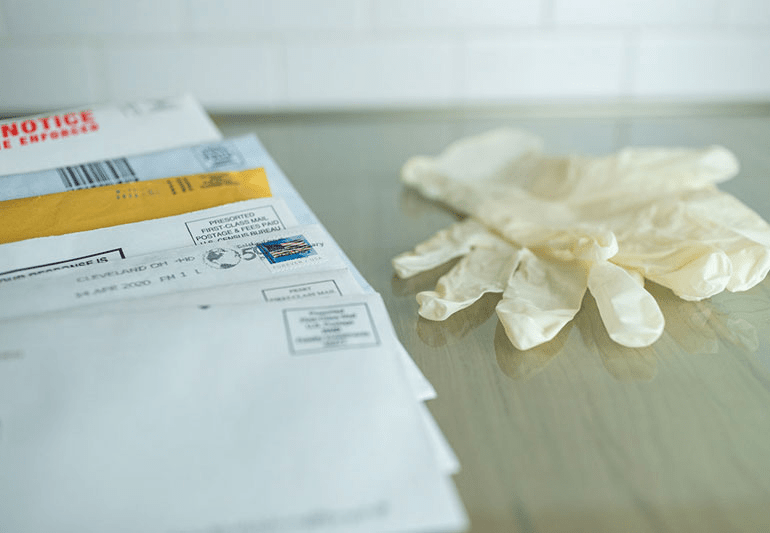
Wearing disposable gloves while handling potentially contaminated clothes can protect your skin from direct contact. However, gloves should be removed carefully and disposed of immediately after use to avoid cross-contamination.
Consider wearing a mask if you’re in close contact with someone who might be infected or handling laundry from a sick person. This simple step reduces the chance of inhaling airborne particles. Protective eyewear can be useful in environments where splashing is possible, though it’s less common for everyday laundry tasks.
Have you ever thought about how much your routine laundry habits could impact your health? Small changes, like using gloves and avoiding fabric shaking, might seem minor but can add up to significant protection.
Frequently Asked Questions
How Long Does Coronavirus Survive On Clothes?
Coronavirus can survive on clothes for a few hours to two days. Survival depends on fabric type, temperature, and humidity. Porous materials like cotton reduce virus lifespan faster than synthetic fibers.
Can Washing Clothes Remove Coronavirus Effectively?
Yes, washing clothes with detergent and warm water kills coronavirus. Use at least 60°C (140°F) for best results. Proper drying also reduces virus survival on fabrics.
Is It Safe To Handle Clothes From Infected Persons?
Handle clothes with gloves if exposed to infected individuals. Avoid shaking clothes to prevent airborne virus spread. Wash clothes immediately using recommended methods to ensure safety.
Does Sunlight Affect Coronavirus Survival On Fabrics?
Sunlight, especially UV rays, helps reduce coronavirus on clothes. UV light damages the virus’s genetic material, lowering its infectivity. Drying clothes in sunlight is beneficial for disinfection.
Conclusion
Coronavirus can survive on clothes for hours to days. The exact time depends on fabric type and environment. Washing clothes regularly helps remove the virus effectively. Drying clothes under sunlight also lowers the risk. Avoid touching your face after handling worn clothes.
Staying clean and cautious keeps you safer. Small actions matter in stopping virus spread. Keep clothes clean, wash hands, and stay healthy. Simple steps protect you and others around. Stay informed and follow health guidelines always.


