
Have you ever wondered if your cat can handle chilly days and freezing nights? When the temperature drops, you want to make sure your furry friend stays safe and comfortable.
Understanding how cold weather affects cats is key to protecting your pet from harm. You’ll discover the surprising truth about cats and cold weather—and learn simple tips to keep your companion warm all winter long. Keep reading to find out what you really need to know to keep your cat safe when the cold sets in.
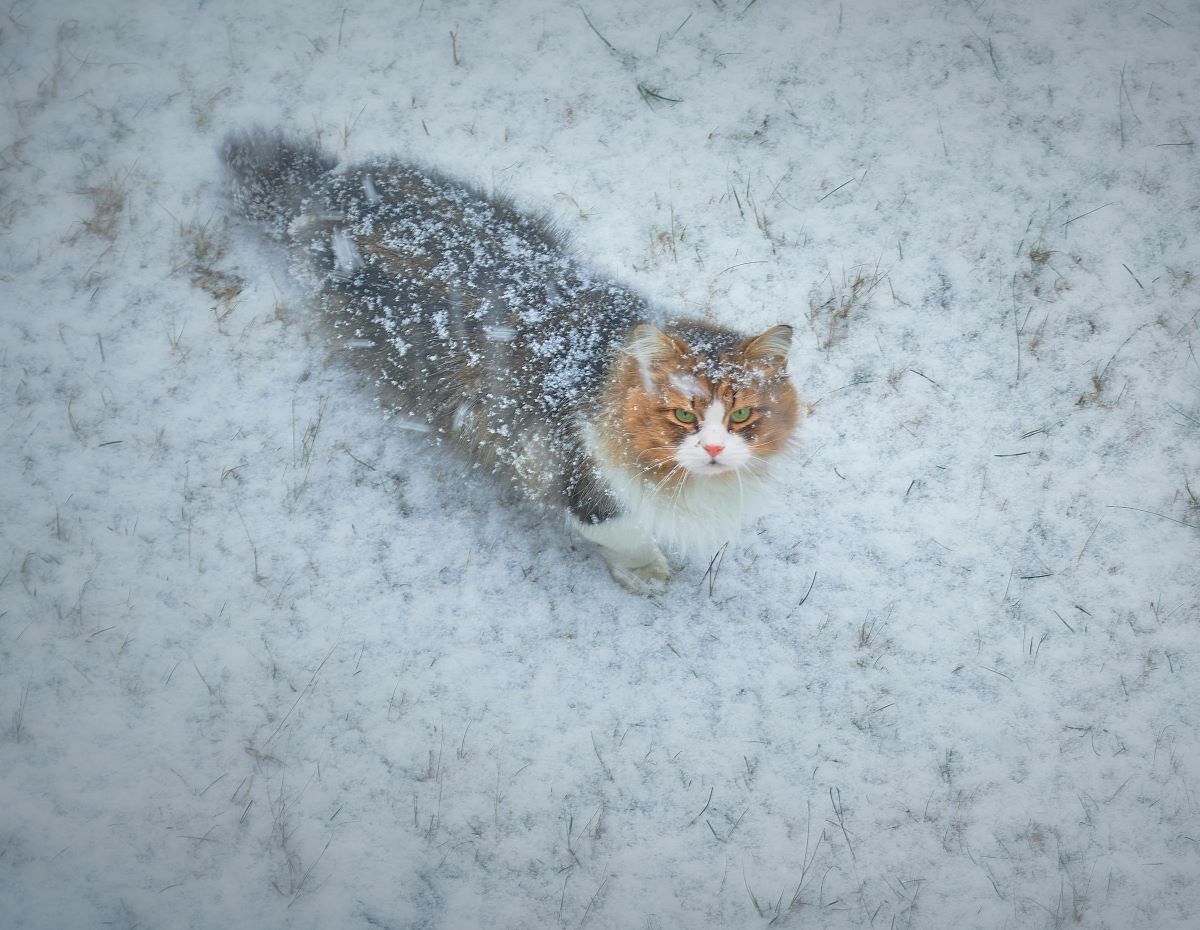
Credit: www.jackery.com
Cats And Cold Weather
Cats can face challenges in cold weather. Their ability to survive depends on many factors. Understanding how cats react to cold is important for their safety and well-being. Some cats handle cold better than others. Recognizing signs of cold stress helps prevent health problems.
How Cats React To Cold
Cats try to keep warm by curling up tightly. They may seek warm spots like sunny windows or heaters. Their fur provides some insulation but is not enough in freezing temperatures. Cats might shiver or become less active to conserve energy. They also tuck their paws and tail close to their body to reduce heat loss.
Breed Differences
Not all cats have the same tolerance for cold weather. Some breeds have thick, dense fur that offers better protection. Examples include Maine Coons and Norwegian Forest Cats. Short-haired or hairless breeds, like Siamese or Sphynx, feel cold much faster. Outdoor cats adapt better but still need shelter and warmth during winter.
Signs Of Cold Stress
- Shivering or trembling
- Cold ears, paws, or tail
- Slow movements or lethargy
- Seeking warmth constantly
- Hiding or avoiding people
- Whining or unusual vocalizations
Noticing these signs early helps protect cats from hypothermia. Providing warm bedding and shelter improves their comfort. Always watch for changes in behavior during cold weather.
Indoor Vs Outdoor Cats
Cats can live indoors, outdoors, or both. Each choice affects their health and safety in cold weather. Understanding the differences helps owners protect their pets.
Risks For Outdoor Cats
Outdoor cats face many dangers in cold weather. Frostbite can harm ears, paws, and tail tips. Hypothermia is a real threat when temperatures drop. Wet fur loses warmth quickly. Food and water may freeze, causing dehydration and hunger. Outdoor cats also risk predators and traffic accidents. Shelter is often scarce or inadequate in cold months.
Indoor Comfort Needs
Indoor cats need cozy, warm spaces. Soft bedding near heaters or sunny windows works well. Fresh water and food should always be available. Play and exercise help keep them active and healthy. Indoor cats avoid harsh weather but can get bored. Owners should provide toys and interaction to prevent stress.
Transitioning Between Environments
Cats moving between indoors and outdoors need special care. Gradual changes help them adjust. Check their paws for ice or salt injuries. Provide warm shelter outside, like insulated boxes with blankets. Bring them indoors during extreme weather. Monitor their health closely for signs of cold stress. Consistent routines reduce anxiety during transitions.
Shelter Solutions
Providing your cat with a reliable shelter is essential to help them survive cold weather. Cats need a safe, warm spot that protects them from wind, rain, and freezing temperatures. Let’s look at practical ways to create cozy shelters that keep your feline friend comfortable and secure during chilly days.
Creating Warm Spaces
Start by choosing a quiet, sheltered area inside your home or garage. Use soft bedding materials like fleece blankets or straw, which trap heat well and stay dry. Avoid towels or cotton as they can hold moisture and make your cat colder.
Pay attention to where your cat likes to rest naturally and set up their warm space nearby. You can even place a heated pet pad or a hot water bottle wrapped in a towel to add extra warmth. Have you noticed your cat curling up in certain spots? Try to replicate those conditions to make them feel safe.
Insulation Tips
Insulation is key to keeping cold air out and warmth in. Use foam boards or thick cardboard to line the inside walls of the shelter. This simple step can make a big difference in temperature control.
Seal any gaps or cracks with weatherproof tape or caulk to prevent drafts. Elevate the shelter off the ground using bricks or wooden pallets to avoid cold seeping from below. Have you checked if your cat’s shelter feels chilly even when it’s enclosed? Insulation might be the missing piece.
Safe Outdoor Shelters
If your cat spends time outdoors, ensure their shelter is sturdy and waterproof. A small plastic storage container or a wooden box with a flap door works well. Cover the entrance with heavy plastic or fabric to block wind but still allow easy access.
Place the shelter in a spot shielded from prevailing winds, like near a building or under a bush. Add dry straw inside because it repels moisture better than blankets. Remember, your cat’s outdoor shelter should be checked regularly for dampness and cleaned often to keep it inviting.
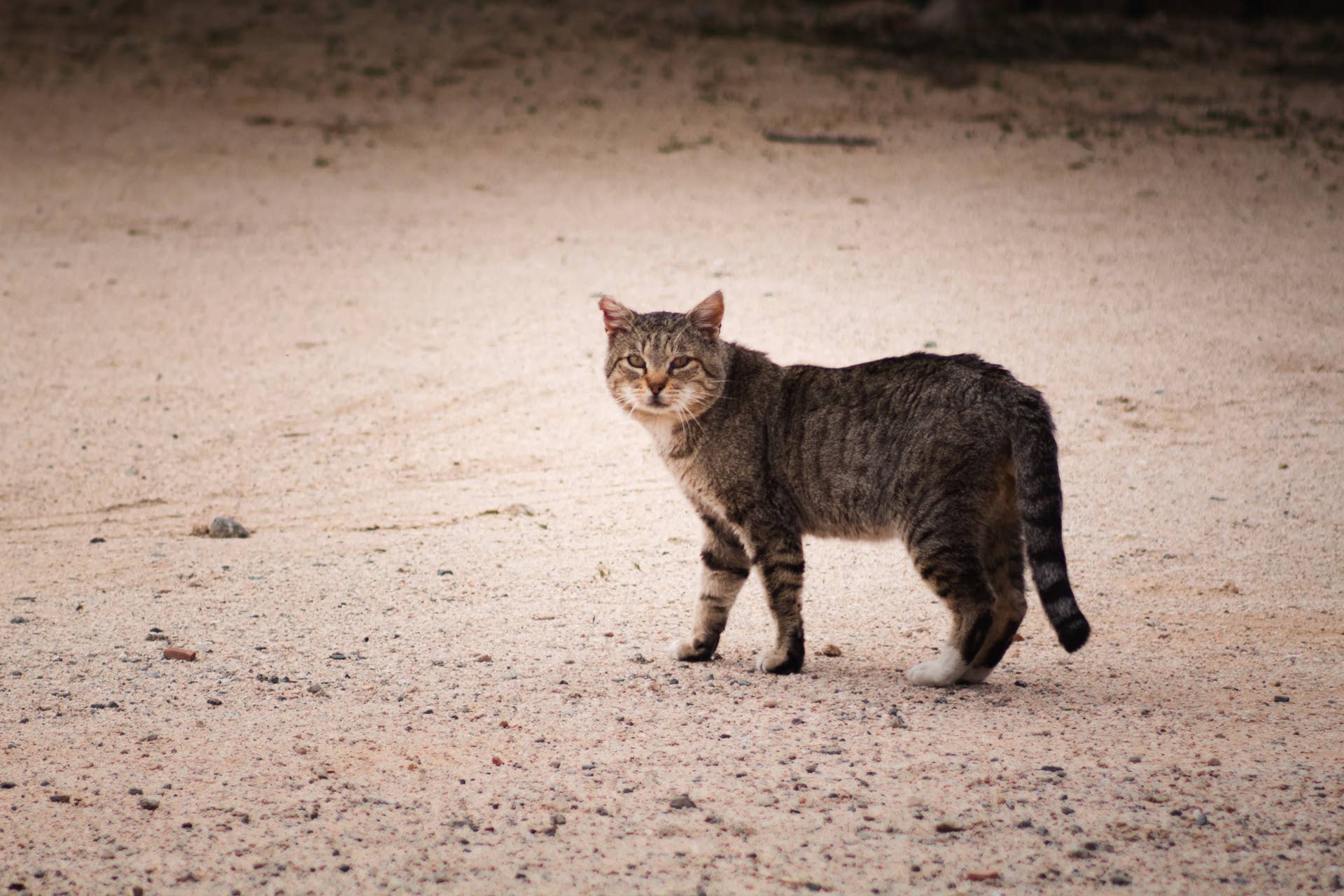
Credit: pethelpful.com
Nutrition For Cold Weather
Cats need special nutrition to stay healthy in cold weather. Their bodies burn more energy to keep warm. Proper feeding supports their health and comfort during chilly days. Focus on calories, hydration, and food quality to meet their needs.
Increased Caloric Needs
Cold weather raises a cat’s energy use. Cats need extra calories to maintain body heat. Feeding larger portions or more frequent meals helps. Watch their weight to avoid overfeeding. Adjust food amounts based on activity and weather.
Hydration Importance
Hydration stays crucial in cold weather. Cats may drink less in winter, risking dehydration. Provide fresh water daily. Wet food can boost fluid intake. Warm water might encourage drinking. Proper hydration supports digestion and overall health.
Best Food Choices
Choose foods rich in protein and fat. These nutrients provide energy and warmth. High-quality wet or dry cat food works well. Avoid low-nutrient fillers that offer little energy. Consider supplements only if recommended by a vet.
Health Precautions
Keeping your cat safe during cold weather means taking specific health precautions seriously. Cold can affect cats just like it does humans, sometimes with dangerous consequences. Recognizing risks and acting quickly can protect your feline friend from serious harm.
Preventing Hypothermia
Hypothermia happens when your cat’s body temperature drops too low. Cats exposed to cold for too long without shelter or warmth are at risk.
To prevent this, make sure your cat has a warm, dry place to rest, away from drafts. You might use heated pads designed for pets, especially for older or sick cats.
Watch for signs like shivering, lethargy, or weakness. If you notice these, bring your cat indoors immediately and warm them up slowly with blankets or gentle body heat.
Frostbite Awareness
Frostbite occurs when skin and underlying tissues freeze, often affecting extremities like ears, paws, and tail tips. It can cause permanent damage if untreated.
Check your cat regularly for pale, hard, or cold spots on these areas. Cats with thin fur or poor circulation are particularly vulnerable.
If you spot frostbite, warm the affected area with lukewarm—not hot—water and avoid rubbing. Then, get veterinary care promptly to prevent infection or tissue loss.
When To See A Vet
Knowing when to call the vet can save your cat’s life. Besides signs of hypothermia and frostbite, look for unusual behavior like hiding, refusing to eat, or trouble walking.
If your cat spends time outdoors in cold weather, a vet checkup after exposure can catch problems early. Your vet can also recommend supplements or treatments to boost your cat’s resilience to cold.
Have you noticed any subtle signs in your cat during winter? Early action often makes all the difference in their health and comfort.

Credit: ahconnects.org
Clothing And Accessories
Keeping your cat warm during chilly weather can be a real challenge, especially if they have short fur or are older. Clothing and accessories designed for cats can offer extra protection against the cold, but they come with their own set of considerations. Understanding the options and how to use them correctly can make a big difference in your cat’s comfort and safety.
Cat Sweaters And Jackets
Cat sweaters and jackets are designed to provide an additional layer of warmth, especially for indoor-outdoor cats. They come in various materials like wool, fleece, and cotton, each offering different levels of insulation. Some jackets even feature waterproof fabrics, which can be a lifesaver during wet winter days.
Many cat owners find that these garments can help maintain body heat without restricting movement. However, not all cats tolerate wearing clothes, so watch your pet’s reaction closely. A soft, stretchy sweater may be more acceptable to a timid cat than a bulky jacket.
Benefits And Drawbacks
- Benefits:Extra warmth, protection from wind and rain, and sometimes style points.
- Drawbacks:Potential discomfort, risk of overheating indoors, and the possibility your cat will try to remove the clothing.
Clothing can also serve as a barrier for cats with certain skin conditions or those prone to licking wounds. But forcing a cat to wear something they dislike can increase stress and lead to behavioral issues. Have you noticed your cat reacting negatively to new items before? Their comfort should guide your choice.
Proper Fitting Tips
Proper fit is crucial for your cat’s safety and comfort. Clothes that are too tight can restrict breathing or movement, while loose garments can cause tripping or get caught on objects. Always measure your cat’s neck, chest, and length before buying any clothing.
Look for adjustable features like Velcro straps or elastic bands that allow a snug but gentle fit. Let your cat try the outfit in a calm environment and watch how they move. If your cat struggles or seems stressed, it’s best to remove the clothing and try a different style or size.
Activity And Exercise
Keeping your cat active during cold weather is essential for their health and happiness. Cats naturally love to move and explore, but chilly temperatures can make them less inclined to play outside. You can help your feline stay fit and entertained by focusing on indoor activities and safe, weather-friendly exercise options.
Encouraging Movement Indoors
Indoor playtime becomes even more important when it’s too cold outside. Use toys like feather wands, laser pointers, or interactive puzzle feeders to spark your cat’s curiosity and get them moving.
Try setting up climbing shelves or a cozy cat tree near a window. Your cat can watch the outside world and jump around safely inside. Have you noticed how some cats suddenly become more playful when given new toys or spaces?
Safe Outdoor Play
If your cat enjoys the outdoors, you can still let them explore safely during colder days. Use a secure harness and leash to control their movements and avoid exposure to harsh weather.
Limit outdoor time to short sessions and stay close to monitor them. You might be surprised how much your cat appreciates a brief sniff of fresh air and a quick stretch even when it’s chilly.
Weather-appropriate Exercise
Adjust your cat’s activity level based on the temperature and weather conditions. On icy or snowy days, indoor exercise is safest, but on milder winter afternoons, a supervised outdoor walk can be refreshing.
Consider interactive games that mimic hunting, like tossing small toys or hiding treats around the house. What creative ways can you find to keep your cat moving, even when the weather isn’t ideal?
Frequently Asked Questions
Can Cats Survive Cold Weather Outside?
Yes, cats can survive cold weather, but they risk hypothermia and frostbite. Outdoor cats need shelter and warmth to stay safe during winter.
How Do Cats Keep Warm In Cold Temperatures?
Cats keep warm by curling up, fluffing their fur, and seeking sunny spots. They also increase body fat to insulate against cold weather.
Should I Let My Cat Outside In Winter?
It’s safer to keep cats indoors during winter. Cold exposure can cause health issues. Provide a warm, cozy environment inside instead.
What Are Signs Of Cold Stress In Cats?
Shivering, lethargy, and pale gums indicate cold stress in cats. Immediate warming and veterinary care are essential to prevent serious harm.
Conclusion
Cats can survive cold weather, but they need care and warmth. Outdoor cats face risks like frostbite and illness. Providing shelter, food, and fresh water helps them stay safe. Watch for signs of cold stress or discomfort. Bringing cats indoors during extreme cold is best.
Remember, every cat reacts differently to cold. Keeping them warm protects their health and happiness. Small steps make a big difference in cold weather. Caring for cats means keeping them cozy all winter long.


