Imagine being caught in freezing cold with no clear way out. How long could you really survive?
Your body fights hard against the cold, but there’s a limit to what it can handle. Knowing how long you can last in cold weather isn’t just interesting—it could save your life. You’ll discover the surprising facts about cold survival and learn what you need to do to stay alive when temperatures drop.
Keep reading, because the answers might change the way you think about cold weather forever.
Survival Time In Cold Weather
Survival time in cold weather varies widely. It depends on many factors like temperature, clothing, and health. Understanding these factors helps in preparing and responding properly. Cold exposure can be dangerous and cause severe health issues quickly. Knowing how the body reacts to cold improves chances of survival.
Factors Affecting Survival
- Temperature and wind speed lower body heat faster.
- Wet clothes increase heat loss and risk of hypothermia.
- Body fat and muscle protect against cold by retaining heat.
- Age and health affect how well the body handles cold.
- Access to shelter and dry clothing extends survival time.
- Physical activity generates heat but can also cause sweating.
Body’s Response To Cold
The body tries to keep the core temperature stable. Blood vessels in the skin narrow to reduce heat loss. Shivering starts to produce more heat. The heart rate and breathing may increase. If cold exposure continues, the body slows down to save energy. Eventually, the body may lose the ability to warm itself.
Signs Of Hypothermia
- Shivering that gets weaker or stops.
- Slow, shallow breathing.
- Confusion and difficulty speaking.
- Sluggish movements and poor coordination.
- Cold, pale skin and numbness.
- Loss of consciousness in severe cases.

Credit: medium.com
Clothing Choices
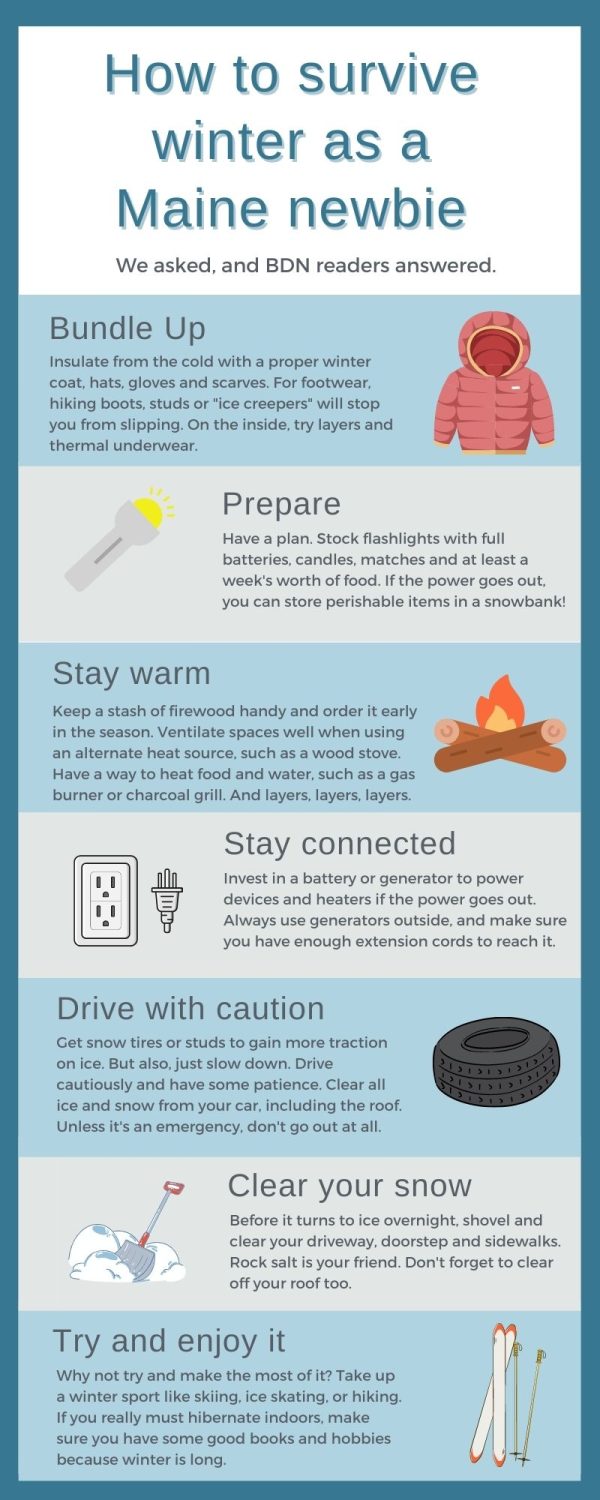
Clothing choices are vital for surviving cold weather. The right clothes keep your body heat inside. They block cold air and moisture outside. Choosing the right combination can extend survival time significantly. Focus on how you layer, what materials you select, and protecting your hands, feet, and head.
Layering Techniques
Layering traps warm air close to your body. Start with a thin base layer that fits snugly. This layer wicks sweat away from your skin. Add an insulating middle layer to keep heat in. Fleece or wool works well here. Finish with a waterproof, windproof outer layer. This shields you from rain, snow, and wind. You can add or remove layers as your body temperature changes.
Material Selection
Choose materials that dry quickly and insulate well. Avoid cotton; it holds moisture and cools the body. Wool keeps warmth even when wet. Synthetic fabrics dry fast and keep heat. Look for polyester or nylon blends. These fabrics help maintain body temperature. Use materials that allow your skin to breathe too.
Protecting Extremities
Fingers, toes, ears, and nose lose heat fast. Wear insulated gloves or mittens to keep hands warm. Use thick wool or synthetic socks for feet. Cover your head with a warm hat or balaclava. Protect your face with a scarf or mask. Keeping extremities warm prevents frostbite and helps overall heat retention.
Shelter Strategies
Surviving in cold weather hinges heavily on your ability to create effective shelter. Shelter not only protects you from harsh winds and snow but also helps retain body heat, which is crucial for survival. Choosing the right shelter strategy can mean the difference between staying warm and facing dangerous hypothermia.
Natural Shelter Options
Look for natural formations like caves, rock overhangs, or dense clusters of trees. These can block wind and provide some insulation from the cold. Fallen logs or thick bushes can also serve as windbreaks or partial shelters.
Pay attention to the terrain—valleys might trap cold air, while slopes can offer better drainage and warmer conditions. Have you ever noticed how animals seek specific spots to stay warm? Follow their lead when you can.
Building A Snow Shelter
Snow can be a surprisingly good insulator when used correctly. You can dig a trench or build a snow cave to shield yourself from wind and trap body heat inside. Make sure to create a small ventilation hole to prevent suffocation.
Building a snow shelter takes effort but can keep you significantly warmer than staying exposed. When I built one during a winter hike, I felt the temperature inside was almost 20 degrees warmer than outside. What tools or items do you have that could speed up this process?
Using Emergency Gear
Emergency blankets, bivvy sacks, and tarps are lifesavers in cold conditions. They reflect your body heat back and block wind. Setting up a tarp with a lean-to design against a tree or rock can create a quick, effective shelter.
Always carry some form of emergency shelter gear when heading into cold environments. Have you tested your gear’s setup before an emergency? Practicing can save you time and stress when every minute counts.
Maintaining Body Heat
Maintaining body heat is vital for survival in cold weather. The body loses heat quickly in cold conditions. Keeping warm prevents hypothermia and other cold-related dangers. Simple actions can help retain heat and increase your chances of survival.
Staying Dry
Wet clothes drain body heat fast. Water removes the warm air layer trapped by clothing. Staying dry keeps this warm air close to your skin. Avoid sweating by layering clothes properly. Use waterproof outerwear to block rain and snow. Change out of wet clothes as soon as possible.
Heat Conservation Tips
- Wear multiple layers of loose clothing. Air trapped between layers insulates well.
- Cover your head, hands, and feet. These areas lose heat quickly.
- Keep moving to boost blood flow and generate heat.
- Use windproof barriers to shield your body from cold winds.
- Stay close to others to share body warmth.
Safe Fire Practices
Fire provides warmth and comfort in the cold. Build a fire in a safe, open area. Clear snow and debris around the fire site. Use dry wood and tinder for easy ignition. Keep a small fire to conserve fuel and maintain warmth. Always have water or snow nearby to put out the fire completely. Never leave a fire unattended.
Nutrition And Hydration
Nutrition and hydration are vital for surviving in cold weather. Your body burns more energy to stay warm. Eating the right foods gives fuel for heat and strength. Drinking enough fluids keeps your body working well. Without proper nutrition and water, survival time shortens quickly.
High-energy Foods
Choose foods rich in calories and nutrients. Fatty foods provide long-lasting energy. Carbohydrates give quick energy bursts. Protein helps repair muscles and maintain body heat. Examples include:
- Nuts and seeds
- Cheese and dried meats
- Whole grains and energy bars
- Chocolate and peanut butter
These foods are easy to carry and eat on the go.
Staying Hydrated In Cold
Cold air can make you feel less thirsty. Still, your body loses water through breathing and sweat. Drink warm liquids like tea or soup to stay hydrated. Avoid alcohol as it causes heat loss. Carry water in insulated containers to prevent freezing.
Avoiding Dehydration
Dehydration reduces your body’s ability to produce heat. Signs include dry mouth, dizziness, and fatigue. Drink fluids regularly, even without thirst. Eat fruits and vegetables with high water content. Melting snow for water is risky without boiling it first.
Movement And Activity
Movement and activity play a crucial role in how long you can survive in cold weather. Staying active helps generate body heat, but too much movement can drain your energy and cause sweating, which can be dangerous. Balancing when and how to move is key to maintaining warmth and conserving strength.
When To Move
You need to move to keep warm, especially when the temperature drops drastically. But timing matters—moving too soon after resting can cause your muscles to stiffen. Wait until you feel slightly chilled before starting light activity like stretching or walking.
Think about your own experience: have you ever felt colder right after sitting still and then moving too fast? That’s your body reacting to sudden changes. Moving steadily and moderately can keep your blood flowing without causing exhaustion.
Energy Conservation
Energy is your lifeline in cold weather. Every step you take burns calories, so avoid unnecessary movement. Instead, focus on short bursts of activity to warm up, then rest to save strength for emergencies.
Keep your movements efficient. For example, rather than pacing aimlessly, plan purposeful actions like gathering firewood or setting up shelter. This prevents wasting precious energy and extends your survival time.
Avoiding Sweat
Sweating in cold weather can be deadly because wet clothes lose insulation quickly. Dress in layers you can adjust to prevent overheating. Remove or open layers before you start to sweat.
Have you noticed how your clothes feel wet after a brisk walk? That moisture cools your body rapidly once you stop moving. Staying dry means staying warm, so manage your activity to keep sweat at bay.
Emergency Preparedness
Emergency preparedness in cold weather is your best defense against the unexpected. Cold environments can change quickly, and being ready can make the difference between survival and serious harm. Knowing what gear to carry, how to signal for help, and how to treat cold injuries equips you to face harsh conditions with confidence.
Essential Survival Gear
Carrying the right gear is crucial. Always pack a reliable, insulated shelter like a compact tent or bivy sack. A high-quality sleeping bag rated for low temperatures can save your life by keeping your body warm through the night.
Don’t forget extra layers of clothing made from moisture-wicking and insulating materials. Waterproof gloves, hats, and thermal socks protect your extremities, which lose heat fastest. Carrying a portable stove or heat source allows you to melt snow for water and prepare hot meals.
- Emergency blanket or space blanket
- Fire-starting tools (waterproof matches, lighter, firestarter)
- Multi-tool or knife for quick repairs and food preparation
- High-energy snacks to maintain body heat
- Navigation tools like a compass and map
Signaling For Help
If you get lost or stranded, signaling for help is your priority. Visual signals can catch the attention of rescuers faster than shouting, especially over long distances. Bright-colored clothing or gear can be laid out in open areas to create noticeable patterns.
Mirrors or reflective surfaces work well to catch sunlight and direct it toward search teams. If you have a whistle, use it to make a consistent noise pattern—three short blasts is the universal distress signal. Remember, conserving energy is vital, so use signals wisely and wait near your shelter.
First Aid For Cold Injuries
Cold injuries like frostbite and hypothermia require immediate attention. Frostbite often affects fingers, toes, and the nose, causing numbness and pale skin. Avoid rubbing the affected area, as this can cause more damage; instead, gently warm it with body heat or warm water.
Hypothermia happens when your core body temperature drops dangerously low. Signs include uncontrollable shivering, confusion, and drowsiness. Move the person to a warmer place, remove wet clothing, and cover them with dry blankets or clothing. Giving warm, sweet drinks if the person is conscious can help raise their temperature.
Have you ever thought about what simple item in your backpack could save your life in freezing conditions? The right preparation turns survival into a manageable challenge rather than a desperate fight.

Credit: www.discovermagazine.com

Credit: www.yahoo.com
Frequently Asked Questions
How Long Can A Person Survive In Extreme Cold?
Survival time varies by temperature, clothing, and health. Without protection, hypothermia can set in within minutes. Proper gear and shelter extend survival to hours or days.
What Factors Affect Survival In Cold Weather?
Key factors include temperature, wind chill, clothing, hydration, and physical condition. Wind accelerates heat loss. Wet clothes increase risk. Staying dry and insulated is vital.
How Does Hypothermia Develop In Cold Conditions?
Hypothermia occurs when body temperature drops below 95°F (35°C). It slows metabolism, impairs judgment, and can cause unconsciousness. Early symptoms include shivering and confusion.
Can Staying Dry Improve Cold Weather Survival?
Yes, dryness preserves body heat. Wet clothes lose insulation, increasing heat loss. Keeping skin and clothing dry is crucial to prevent hypothermia.
Conclusion
Surviving in cold weather depends on many factors. Clothing, shelter, and body heat matter most. Staying dry and moving can help keep warmth. Without protection, cold can harm quickly. Knowing how to prepare saves lives. Always respect nature’s power and plan well.
Cold weather is tough but not impossible. Stay alert, stay warm, and stay safe.


