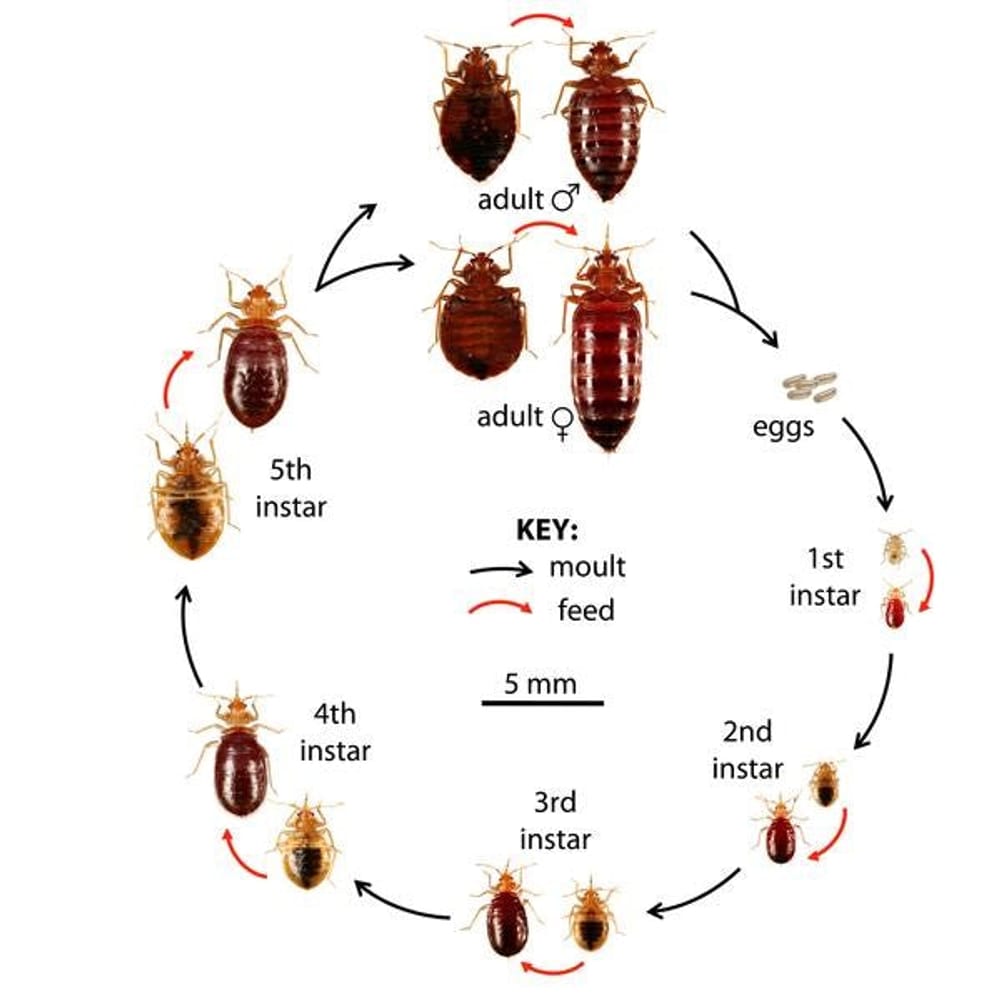
Have you ever wondered how long bed bugs can hide in your clothes without you noticing? These tiny pests might be closer to your wardrobe than you think.
Knowing how long they can survive on your clothes is key to keeping your home safe and your mind at ease. You’ll discover surprising facts about bed bugs’ survival skills and learn simple steps to protect yourself. Keep reading—your clothes and peace of mind depend on it.
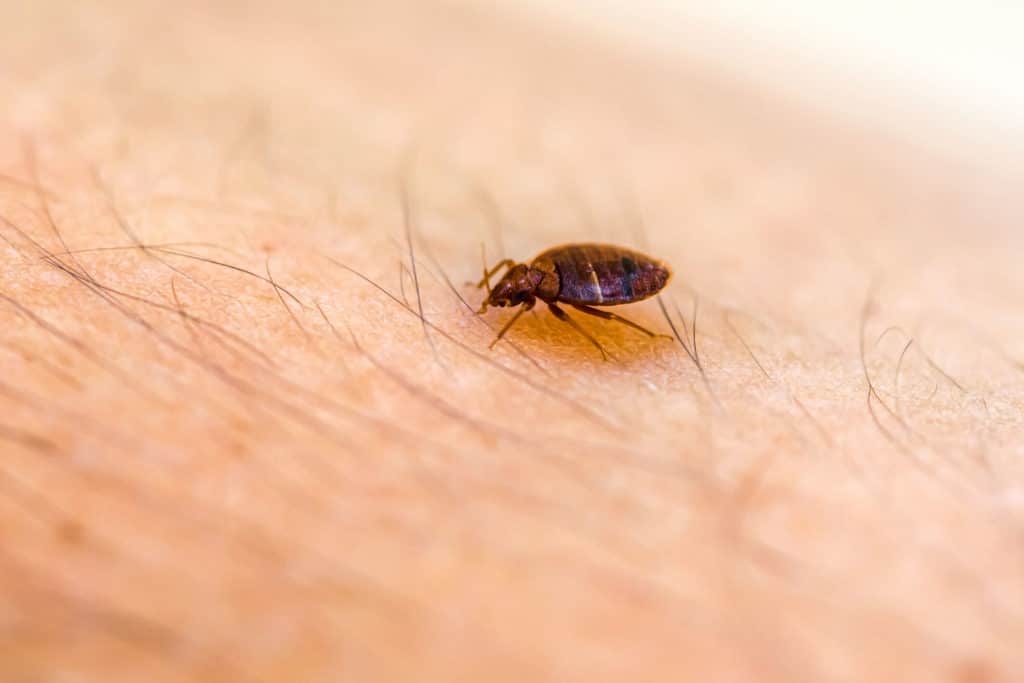
Credit: www.brodybrotherspestcontrol.com
The Lifespan Of Bed Bugs
Understanding the lifespan of bed bugs is essential if you want to protect your clothes and home. These tiny pests can survive longer than you might expect, especially when hiding in fabric. Knowing how long they live helps you take the right steps to eliminate them effectively.
The Average Lifespan Of Bed Bugs
Adult bed bugs typically live for about 4 to 6 months. However, if conditions are perfect—like a steady food supply and moderate temperature—they can survive up to a year. Without feeding, their lifespan shortens significantly.
How Bed Bugs Survive On Clothes
Bed bugs can hitch a ride on your clothes and survive there for weeks. They don’t just cling to your clothes; they hide deep in fabric folds where they stay protected. Clothes stored in dark, undisturbed places provide the perfect hiding spots for them to wait.
Factors Affecting Bed Bug Survival
- Temperature:Cold temperatures slow their metabolism, extending their survival time.
- Availability of Blood Meals:Without a host, they can survive several months by slowing down their activity.
- Humidity:High humidity helps bed bugs stay hydrated and live longer.
How Long Can Bed Bugs Live Without Feeding?
Bed bugs are famous for their ability to survive without food. Some can live up to 5 months without a blood meal, depending on the environment. This means simply leaving clothes untouched won’t guarantee they die off quickly.
Practical Tips To Prevent Bed Bug Survival On Clothes
- Wash and dry clothes at high temperatures to kill any hidden bed bugs.
- Store clothes in sealed plastic bags if you suspect infestation.
- Regularly inspect and clean luggage and bags after travel to avoid bringing bed bugs home.
Have you ever wondered if leaving clothes untouched for a few days could get rid of bed bugs? The truth is, you need more active steps to make sure these pests don’t survive and spread. Taking control starts with understanding their lifespan and habits.
Factors Influencing Survival On Clothes
Bed bugs can survive on clothes for varying lengths of time. Several factors affect their survival. Understanding these factors helps in controlling and preventing infestations.
Temperature And Humidity
Bed bugs thrive in warm, humid environments. Higher temperatures speed up their metabolism but shorten survival without food. Cooler temperatures slow them down, extending their life. Low humidity levels can dry them out and reduce survival time. Clothes stored in cool, dry places may keep bed bugs alive longer.
Fabric Type
Different fabrics affect bed bug survival. Rough, thick fabrics like wool and denim provide more hiding spots. Smooth fabrics like silk or satin offer fewer places to hide. Bed bugs cling better to natural fibers than synthetic ones. Clothes with folds and seams give them shelter, increasing survival chances.
Access To Food Source
Bed bugs feed on human blood. Without access to a host, they survive by slowing their metabolism. Clothes alone do not provide food, so survival depends on time without feeding. Longer periods without a blood meal reduce their lifespan. Frequent contact with humans increases their chances to feed and survive on clothes.
Common Habits And Behaviors
Understanding the common habits and behaviors of bed bugs is key to knowing how long they can survive on clothes. These tiny pests are masters at hiding and adapting to their surroundings, which makes them tricky to detect and eliminate. Knowing where they prefer to nest and how they feed helps you protect your belongings and reduce the risk of an infestation.
Nesting And Hiding
Bed bugs don’t just live on beds—they love dark, tight spaces where they can stay hidden. Clothes, especially those left in piles or inside closets, offer perfect hiding spots. They often tuck themselves into folds, seams, and pockets, making them hard to spot.
Have you ever found a small, dark bug near your laundry? That might be a bed bug looking for a place to nest. They don’t build traditional nests like other insects but gather in groups close to their food source. This behavior helps them stay safe and close to you.
Feeding Patterns
Bed bugs feed exclusively on blood, usually at night when you’re asleep. They can survive without feeding for several weeks, sometimes even months, by slowing down their metabolism. This survival skill means they can cling to clothes for a surprisingly long time, waiting for the next opportunity to feed.
Imagine wearing a jacket that was left in an infested hotel room. The bed bugs could still be alive, waiting to bite when you put it on. Their feeding pattern is patient and persistent, which is why regular inspection and cleaning of clothes is crucial if you suspect exposure.
How Bed Bugs Infest Clothing
Bed bugs are notorious for hitching rides on clothing, making it easy for them to spread unnoticed. Understanding how these pests infest your clothes is key to preventing an unwelcome invasion. Let’s look closely at the common ways bed bugs latch onto your garments and what conditions help them survive.
Travel And Transportation
Bed bugs love crowded places where people come and go frequently—think buses, trains, and airplanes. Your clothes can pick up these pests during travel without you even realizing it.
Imagine grabbing a jacket from a seat that was previously occupied by someone with bed bugs. Those tiny creatures can crawl into the fabric folds and hide in seams. Once you bring that jacket home, the bugs can quickly spread to your living space.
Have you ever noticed itching after a trip or staying in a hotel? That might be a sign bed bugs hitched a ride on your luggage or clothing. Always inspect and isolate your travel clothes until you’re sure they’re bug-free.
Storage Conditions
Where and how you store your clothes can influence if bed bugs decide to make them home. Dark, undisturbed places like closets, drawers, or piles of laundry are perfect hiding spots.
Bed bugs thrive in places where they won’t be disturbed for days or weeks. Leaving clothes in laundry baskets without washing or tightly packed in suitcases gives them time to settle in and multiply.
Consider this: Do you store out-of-season clothes in tightly packed boxes or bags? These are prime spots for bed bugs to survive long periods without feeding. Regularly cleaning and airing out storage areas can reduce the risk of infestation.
Detection And Identification
Detecting bed bugs early helps stop them from spreading. These pests hide in clothes and other fabric. Knowing how to identify signs of infestation saves time and effort. Careful inspection reveals clues about their presence. This section guides you on spotting and confirming bed bugs on clothes.
Signs Of Infestation
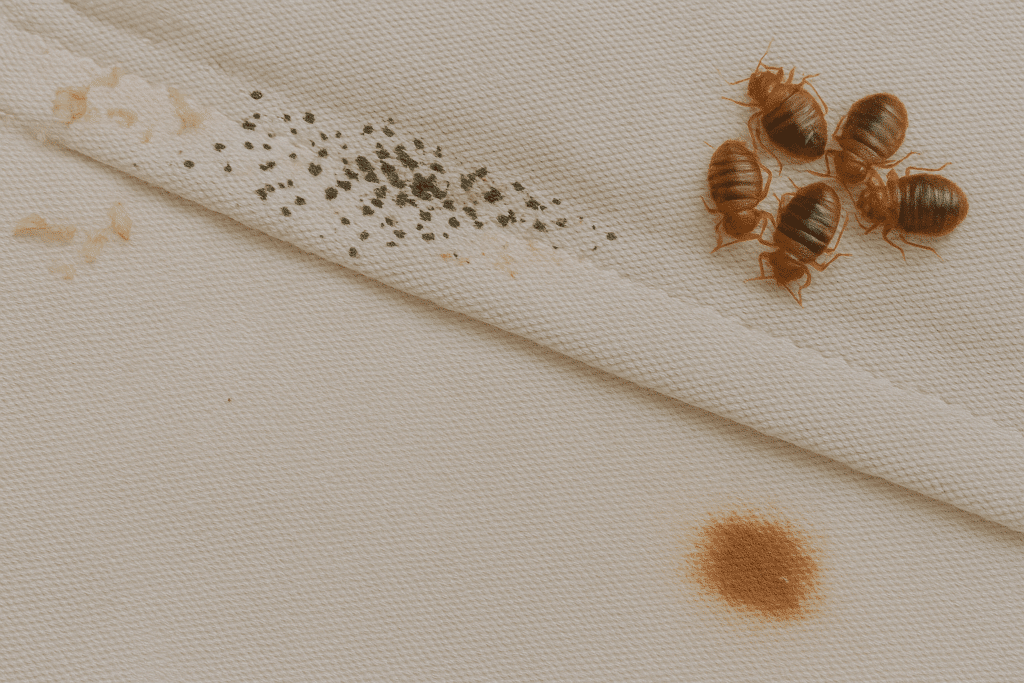
- Small reddish or dark spots on fabric, which are bed bug droppings
- Rust-colored stains from crushed bugs
- Unusual musty or sweet odor around infested clothes
- Itchy bites on your skin after wearing or handling clothes
- Live bed bugs or shed skins near clothing seams or folds
Visual Inspection Tips
Check seams, folds, and pockets carefully. Bed bugs hide in tight spaces. Use a flashlight to see small bugs or eggs clearly. Look for tiny white eggs or eggshells, usually near clothing tags or stitching. Inspect clothes stored in dark, warm places more thoroughly. Shake clothes outdoors to dislodge any hidden bugs. Clean and isolate suspicious items to avoid spreading.
Prevention And Control Methods
Stopping bed bugs from spreading on your clothes requires smart prevention and control. These tiny pests can cling to fabric for weeks, making it crucial to act quickly and effectively. You need to know the best ways to kill them and keep them from coming back.
Washing And Drying Techniques
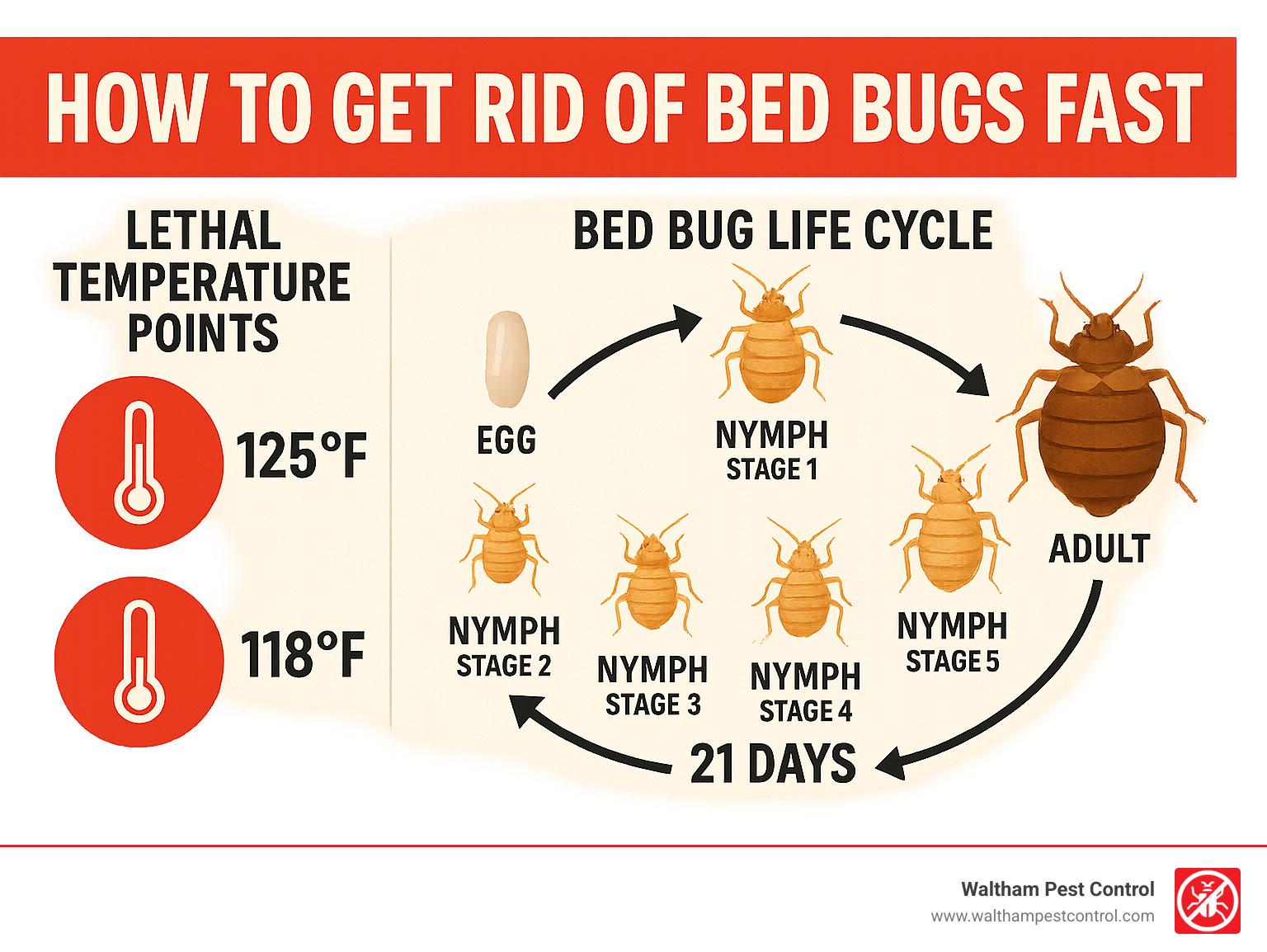
Washing clothes in hot water is one of the simplest ways to kill bed bugs. Use water temperatures of at least 120°F (49°C) to ensure no bugs or eggs survive.
Drying on high heat for at least 30 minutes is just as important. The heat penetrates fabric and destroys any hidden pests.
If you’re traveling or staying somewhere you suspect bed bugs, seal your clothes in plastic bags until you can wash and dry them. This stops bugs from spreading to other items.
Use Of Insecticides
Insecticides can help control bed bugs on clothes, but you must use products labeled for fabric treatment. Spraying the wrong chemical could ruin your clothes or be unsafe.
Look for bed bug sprays that are safe for use on textiles, and always follow the instructions carefully. Spot test first to avoid damage.
Keep in mind that insecticides alone rarely solve the problem. Combining sprays with washing and drying gives the best results.
Professional Pest Control Services
If bed bugs keep coming back despite your efforts, professional help might be necessary. Pest control experts have tools and treatments that reach deep into fabric folds and furniture.
They can also inspect your home to find hidden infestations you might miss. This thorough approach often stops bed bugs faster and more completely.
Think about the cost of repeated DIY attempts versus a one-time professional treatment. Sometimes investing in experts saves you time, stress, and money in the long run.
Myths About Bed Bugs On Clothes
Bed bugs on clothes is a topic full of confusion and false beliefs. Many people worry unnecessarily about their wardrobe becoming a breeding ground for these pests. Understanding the myths can help you take smarter steps to protect your clothes and home.
Common Misconceptions
One common myth is that bed bugs can live indefinitely on clothes without any food source. In reality, bed bugs need blood meals to survive, so their ability to stay alive on clothes alone is limited. They can hide in fabric folds but won’t thrive without feeding on humans or pets.
Another misconception is that washing clothes once will kill all bed bugs and their eggs. While washing with hot water and drying on high heat is effective, cold washes don’t do much. You need to use the right temperatures consistently to ensure complete elimination.
People also often believe that bed bugs jump or fly onto clothes. Actually, bed bugs crawl slowly and rely on hitching rides in luggage, bags, or clothing. This means they don’t suddenly appear on your clothes but get transferred through close contact.
Fact Vs. Fiction
Fact: Bed bugs can survive on clothes for a few days to a couple of weeks without feeding. Fiction: They can live there for months or years without a blood meal. Their survival depends on factors like temperature and humidity.
Fact: High heat from dryers kills bed bugs effectively. Fiction: Simply leaving clothes out overnight will eliminate them. Bed bugs are resilient, so you need targeted treatment.
Fact: Inspecting and isolating clothes after travel reduces the risk of spreading bed bugs. Fiction: You can’t prevent bed bugs from spreading by just shaking out clothes. Careful inspection and proper laundering are key.
Have you ever found yourself stressing over a single bug on your jacket? Knowing what’s true and what’s not can save you from unnecessary panic and help focus your efforts on what really works.
Credit: walthampestcontrol.com
Impact On Health And Hygiene
Bed bugs surviving on clothes can directly affect your health and hygiene in ways you might not expect. These tiny pests don’t just cause discomfort—they can trigger allergic reactions and deeply impact your mental well-being. Understanding these effects helps you take better care of yourself and your living space.
Allergic Reactions
Bed bug bites often cause itchy red welts on the skin, but the impact can be more serious for some people. You might experience swelling, intense itching, or even hives after being bitten. In rare cases, people develop allergic reactions that require medical attention.
Repeated exposure to bed bug bites can increase your sensitivity over time. This means each new bite might cause a stronger reaction. If you notice severe itching or blistering, it’s crucial to treat the bites properly and reduce your risk by laundering clothes and bedding regularly.
Psychological Effects
Living with bed bugs can cause stress and anxiety that affect your daily life. You may find yourself constantly checking your clothes and belongings for signs of these pests, which can disrupt your sleep and concentration. This ongoing worry can make you feel exhausted and frustrated.
Many people report feeling embarrassment or shame, fearing others will judge them for having bed bugs. This social stigma can lead to isolation and low self-esteem. Asking yourself how these feelings affect your actions might help you take more effective steps to control the problem.
Have you noticed how stress impacts your ability to manage pest control? Addressing both the physical and psychological effects of bed bugs is key to restoring your peace of mind and health.
Credit: ngpest.com
Frequently Asked Questions
How Long Do Bed Bugs Live On Clothes?
Bed bugs can survive on clothes for up to 5-6 months without feeding. They hide in fabric folds, waiting for a host. Proper cleaning kills them and prevents infestation.
Can Bed Bugs Spread Through Clothing?
Yes, bed bugs can easily spread via infested clothing. They cling to fabric fibers and move between locations. Washing and drying clothes at high temperatures helps stop their spread.
How To Kill Bed Bugs On Clothes Effectively?
To kill bed bugs on clothes, wash in hot water above 120°F (49°C). Then, dry on the highest heat setting for at least 30 minutes. Heat treatment is the most effective method to eliminate them.
Do Bed Bugs Survive In Luggage And Clothes During Travel?
Bed bugs can survive in luggage and clothes for months. They hide in seams and folds, waiting to infest new places. Inspect and clean luggage after travel to avoid bringing them home.
Conclusion
Bed bugs can live on clothes for days without feeding. This makes it easy for them to spread. Washing clothes in hot water kills bed bugs quickly. Drying clothes on high heat also helps remove them. Always check your clothes after travel or stays in hotels.
Storing clothes in sealed bags can stop bed bugs from moving. Staying alert and cleaning regularly keeps your home safe. Small steps make a big difference against bed bugs. Stay informed and protect your clothes well.


