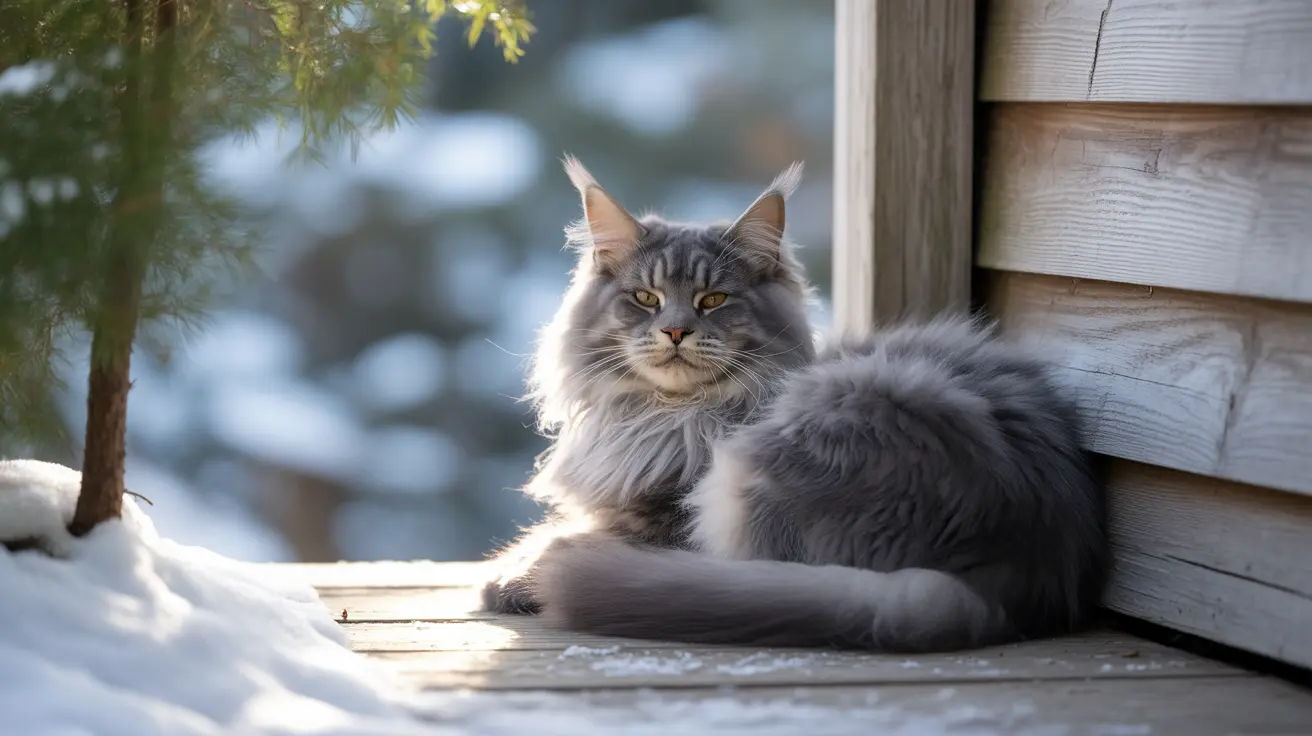
Have you ever wondered if your cat can handle the chilly winter days? When the temperature drops, you probably worry about your furry friend’s safety and comfort.
Cats might look tough, but cold weather can be dangerous for them. Understanding how cold affects your cat and what you can do to keep them safe is essential. Keep reading to discover the surprising facts about cats and cold weather—your cat’s well-being depends on it!
Feline Cold Tolerance
Cats have a natural ability to handle cold weather better than many animals. Their bodies are designed to keep them warm in chilly conditions. Understanding feline cold tolerance helps pet owners protect their cats during winter.
Feline cold tolerance depends on many factors like breed, age, and health. Some cats have thicker fur that acts like insulation. This fur traps heat close to their bodies, keeping them warm.
How Cats Regulate Body Temperature
Cats maintain their body heat through several natural processes. Their fur covers the skin and prevents heat loss. The fur also repels cold air and moisture. Cats curl up to reduce exposed surface area, conserving warmth.
They have a higher body temperature than humans, usually around 101 to 102.5°F. This helps them stay warm in cold weather. Cats also use their tails to cover their noses and paws, which are sensitive to cold.
Breeds With Better Cold Resistance
Some cat breeds handle cold weather better than others. These cats have dense, thick fur and a sturdy build. Examples include:
- Maine Coon
- Norwegian Forest Cat
- Siberian Cat
These breeds evolved in colder climates and have natural protection. Their fur provides excellent insulation against wind and snow. Short-haired or hairless cats have less cold tolerance.
Signs Of Cold Stress In Cats
Watch for signs that a cat is too cold. These include:
- Shivering or trembling
- Seeking warm places constantly
- Lethargy or weakness
- Cold ears and paws
Prolonged exposure to cold can cause hypothermia. Hypothermia is dangerous and needs quick care. Early detection helps prevent serious health issues.

Credit: ahconnects.org
Risks Of Cold Weather For Cats
Cold weather poses serious risks to your cat’s health that you might not immediately notice. As temperatures drop, your feline friend becomes vulnerable to conditions that can quickly turn dangerous. Understanding these risks helps you protect your cat and ensures they stay safe and comfortable throughout chilly days.
Hypothermia And Frostbite
Hypothermia happens when your cat’s body temperature falls below normal. It can cause weakness, slow movements, and even unconsciousness if not treated quickly.
Frostbite affects the ears, tail, paws, and nose—areas with less fur and blood flow. You might see pale, cold skin that turns red and swollen when warmed. These injuries can lead to tissue damage or infection if ignored.
If your cat spends time outside, watch for signs like shivering or reluctance to move. Quick action, such as warming your cat gently and seeking veterinary care, can prevent serious harm.
Impact On Older Cats
Older cats have a harder time regulating their body temperature. Their thinner fur and slower metabolism make them especially sensitive to cold.
Cold stress can worsen existing conditions like arthritis or kidney problems. You might notice your senior cat moving less or seeming more tired during cold spells.
Providing a warm, cozy resting spot and limiting outdoor exposure helps your aging cat stay healthy. Have you checked if your older cat’s bedding is warm enough this winter?
Signs Of A Cat Being Cold
Cats show clear signs when they feel cold. These signs help owners know when their pets need warmth. Observing changes in behavior and physical symptoms is key. Early detection of cold stress can prevent health problems. Cats cannot always tell us they are cold, so watch closely.
Behavioral Changes
- Seeking warm places, like near heaters or blankets
- Curling up tightly to conserve body heat
- Becoming less active or hiding more than usual
- Shivering or trembling visibly
- Meowing or crying more, showing discomfort
Physical Symptoms
- Cold ears, paws, and tail tips to the touch
- Slow movements or stiffness in joints
- Fluffed-up fur to trap heat
- Pale or bluish gums and tongue, indicating poor circulation
- Signs of lethargy or weakness
Creating A Warm Indoor Environment
Keeping your cat warm indoors during cold weather is essential for their health and comfort. A warm indoor environment protects them from the harsh chill outside and helps prevent illnesses related to cold exposure. You can create a cozy space that your feline friend will love and look forward to.
Cozy Sleeping Areas
Creating a snug sleeping spot is a simple way to keep your cat warm. Use soft blankets or a plush cat bed placed in a quiet corner away from drafts. Cats often enjoy elevated spots like window sills or shelves, so consider adding a warm cushion there.
Pay attention to the material of the bedding. Fleece and wool are excellent choices because they retain heat well. Have you noticed how your cat curls up tightly in cold weather? This behavior shows their instinct to conserve heat, so providing a small, enclosed space mimics that feeling.
Use Of Heating Pads
Heating pads designed for pets can provide consistent warmth for your cat. Make sure to choose one with a low heat setting and a chew-resistant cord to ensure safety. Place the heating pad under their bed or blanket, never directly on their skin.
Always supervise your cat when first introducing a heating pad to see how they react. Some cats may prefer to rest nearby rather than directly on it. How could you tell if your cat is comfortable or too warm? Watch for signs like moving away or panting, which indicate overheating.
Outdoor Cat Shelters
Outdoor cat shelters provide a safe and warm place for cats during cold weather. These shelters protect cats from rain, wind, and snow. Proper shelters help cats maintain their body heat and stay comfortable outside. Building or buying a good shelter is important for cats that live or roam outdoors in winter.
Materials And Design
Choose durable materials that can withstand cold and wet conditions. Wood is a popular choice because it offers good insulation. Avoid metal or plastic alone, as they can become very cold or slippery. The shelter should be small enough to hold the cat’s body heat but large enough to allow movement.
The entrance should be just big enough for the cat to enter. A flap or door helps keep wind and moisture out. Adding straw inside provides extra warmth and stays dry better than blankets or towels.
Placement And Insulation
Place the shelter in a quiet, sheltered spot away from wind and direct rain. Position it off the ground using bricks or pallets to avoid cold and dampness from the soil. Facing the entrance away from prevailing winds adds extra protection.
Use insulation materials like foam boards or hay around the shelter walls. Cover the roof with waterproof material to keep rain and snow out. Check the shelter regularly to ensure it stays dry and clean for the cat’s health.
Diet And Nutrition In Cold Weather
Cats need special care in cold weather to stay healthy and strong. Their diet and nutrition play a big role in helping them cope with the cold. Proper food and water keep their body warm and energy high. Understanding how cold affects their needs can protect your cat during winter months.
Caloric Needs
Cold weather makes cats use more energy to keep warm. They burn calories faster than usual. Increasing their calorie intake helps maintain body heat. Choose foods rich in protein and fat for better energy supply. Dry kibble and wet food can be balanced for variety and nutrition.
Feeding smaller, frequent meals is helpful. It keeps energy levels steady throughout the day. Avoid overfeeding to prevent weight gain. Monitor your cat’s body condition and adjust food amounts as needed.
Hydration Importance
Water is vital in cold weather, just as in warm months. Cats often drink less when it’s cold, risking dehydration. Provide fresh water daily and check bowls regularly. Heated water bowls can encourage drinking and prevent freezing.
Wet food also helps increase fluid intake. Proper hydration supports digestion and overall health. Keep an eye on your cat’s water habits and act quickly if they drink less.
Winter Grooming Tips
Winter grooming is essential to help your cat stay warm and healthy during the colder months. Proper care of their fur and skin can prevent discomfort and health issues caused by cold weather. Paying attention to simple grooming habits makes a big difference in how your cat handles winter’s chill.
Maintaining Fur
Your cat’s fur acts as a natural insulator. Regular brushing removes loose hair and prevents mats that can trap moisture and cold air.
Try brushing your cat at least twice a week during winter. This helps distribute natural oils that keep their coat shiny and water-resistant. If your cat hates grooming, use a soft brush or grooming glove to make it a gentle experience.
Have you noticed your cat shedding more or less during winter? Adjust grooming frequency to keep their coat in top condition. A well-maintained coat protects your cat better against the cold.
Avoiding Wetness
Wet fur loses its insulating power quickly. Keeping your cat dry is crucial, especially if they spend time outside.
- Wipe your cat’s paws and belly with a dry towel after coming inside.
- Check for snow or ice balls clinging to their fur, as these can cause discomfort and chill.
- Provide a warm, dry shelter if your cat ventures outdoors, or limit outdoor time in severe weather.
Have you ever noticed your cat shaking off water like a dog? It’s their natural way to avoid getting cold. Helping them stay dry supports their body’s own defenses against winter cold.
Clothing And Accessories For Cats
Keeping cats warm during cold weather often means more than just a cozy bed. Clothing and accessories help protect cats from chilly air and icy surfaces. Proper gear keeps cats comfortable, safe, and happy outside or in drafty homes. These items come in many styles and materials, designed to fit cats well without restricting movement.
Choosing Cat Sweaters
Cat sweaters should fit snugly but not tight. Soft, stretchy fabric works best to allow easy movement. Wool and cotton blends provide warmth without overheating. Look for sweaters with no loose threads or parts that cats can chew.
- Measure your cat’s neck, chest, and length for the right size.
- Choose sweaters with simple designs to avoid irritation.
- Pick colors that reflect your cat’s personality and are easy to spot outdoors.
Easy-to-wear sweaters with wide neck openings help cats feel less stressed. Avoid anything that covers the face or restricts paws.
Boots And Paw Protection
Cold ground and ice can hurt cats’ paws. Boots protect against frostbite and sharp ice. Look for boots with soft soles and adjustable straps for a secure fit.
- Boots must be lightweight to avoid discomfort.
- Water-resistant materials keep paws dry.
- Check boots regularly for signs of wear or tightness.
Some cats may need time to get used to boots. Try short sessions indoors before outdoor walks. Paw balms are another option to protect pads from dryness and cracking.
Monitoring Health In Winter
Monitoring your cat’s health during winter is very important. Cold weather can affect cats in many ways. Their bodies need extra care to stay strong and healthy. Paying close attention helps catch problems early. This can prevent serious illness and discomfort. Watch your cat’s behavior and physical condition every day. Changes might mean your pet needs help.
Regular Vet Visits
Schedule vet visits often during the cold months. Vets can check your cat’s overall health. They look for signs of illness or weakness. Vaccinations and parasite control are also important in winter. A vet can offer advice on diet and care. Regular check-ups keep your cat safe from hidden risks. Early detection of health issues leads to better treatment.
Recognizing Health Issues
Look for signs that show your cat may be unwell. These include:
- Shivering or trembling
- Hiding or lack of movement
- Loss of appetite
- Weight loss
- Labored breathing
- Changes in coat condition
Notice any changes in your cat’s usual behavior. Cold can cause arthritis pain or respiratory problems. Prompt action can improve your cat’s comfort. If you see any unusual signs, contact your vet quickly.
Credit: www.jackery.com
Credit: pethelpful.com
Frequently Asked Questions
Can Cats Survive In Freezing Cold Weather?
Yes, cats can survive cold weather but need shelter and warmth. Prolonged exposure can cause hypothermia or frostbite.
How Do Cats Stay Warm In Winter?
Cats grow thicker fur coats in winter and curl up to conserve heat. They seek warm places indoors or near heat sources.
Should Outdoor Cats Be Brought Inside During Winter?
It’s safer to bring outdoor cats inside during extreme cold. Indoors, they avoid harsh weather and health risks like frostbite.
What Signs Show A Cat Is Too Cold?
Shivering, lethargy, and cold ears or paws indicate a cat is too cold. Immediate warming and shelter are essential.
Conclusion
Cats can face serious risks in cold weather. They need warm shelter and food to stay safe. Owners should watch for signs of cold stress or illness. Giving cats cozy spaces helps them survive winter days. Never leave cats outside without protection from harsh cold.
Keeping cats indoors is the best way to protect them. Remember, cold weather can harm cats quickly. Simple care makes a big difference in their health. Stay aware and help cats stay warm all season long.


