Have you ever wondered if rats can handle scorching hot weather? If you’ve noticed these little creatures around your home during summer, you might be curious about how they survive the heat.
Understanding how rats cope with high temperatures can help you protect your space and keep them away. You’ll discover surprising facts about rats in hot weather and learn what signs to watch for. Keep reading to find out if these pests are tougher than you think—and what that means for you.

Credit: uk.news.yahoo.com
Rats’ Adaptation To Heat
Rats have a surprising ability to handle hot weather, thanks to several natural adaptations. Understanding these can help you manage rat presence in warm climates or protect pet rats from heat stress. Let’s look at how rats adjust their behavior and body functions to survive high temperatures.
Behavioral Changes To Avoid Heat
Rats are mostly nocturnal, which means they avoid the hottest parts of the day. By staying in cool, shaded areas during daylight hours, they reduce their exposure to extreme heat.
You might notice rats becoming more active at night or early morning when temperatures drop. This simple shift helps them conserve water and avoid overheating.
Physical Adaptations For Heat Regulation
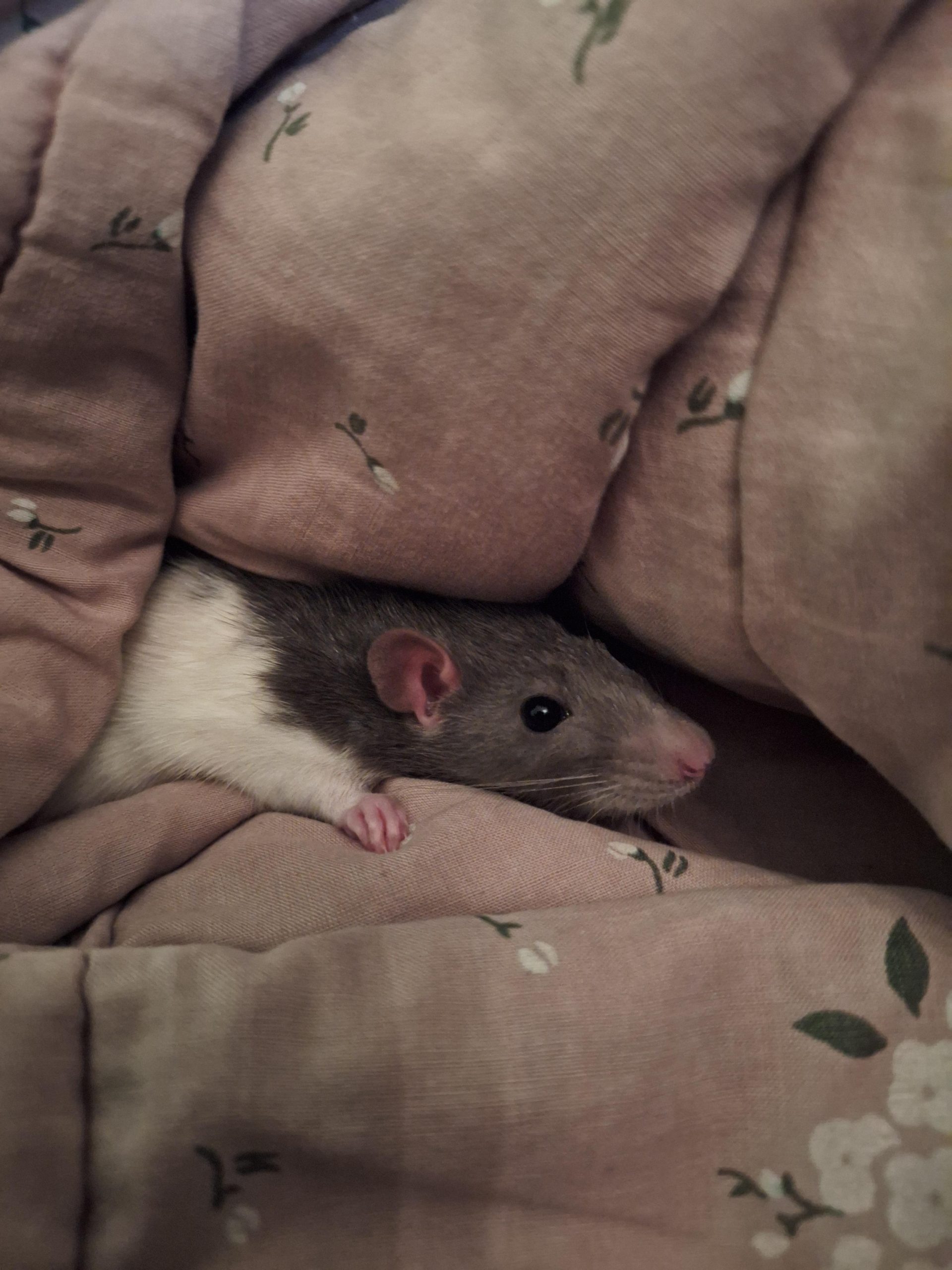
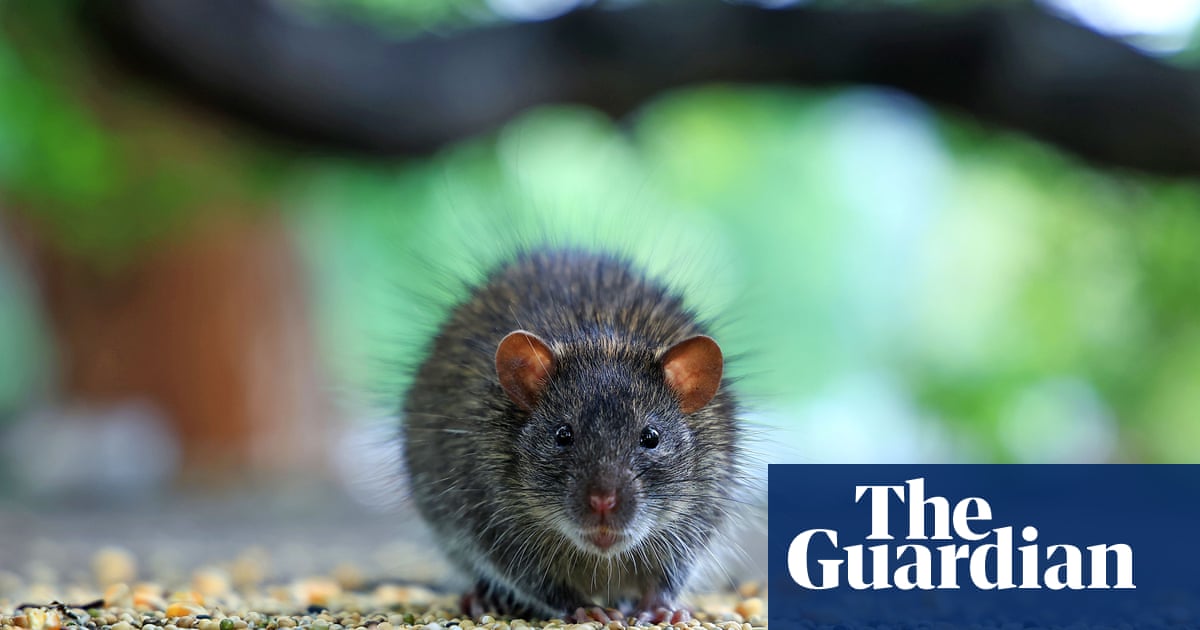
Rats have thin fur and large ears that help dissipate heat. Their ears act like natural radiators, releasing body heat to keep them cool.
Also, rats sweat very little, so they rely on behavioral cooling and seeking shade to manage their body temperature.
Water And Food Intake Adjustments
In hot weather, rats increase their water intake to stay hydrated. They often seek out moist foods or water sources more actively during heat waves.
If you’ve ever watched a rat near a water dish or leaky pipe, you’ve seen this survival tactic in action. Keeping water available can reduce their need to venture into hotter, exposed areas.
Creating Cool Shelters
Rats build nests in cool, insulated spots like underground burrows or inside walls. These places stay cooler than the outside air, offering relief during heat spikes.
Have you checked dark corners or hidden spaces for signs of nesting? These shelters are key to their survival in hot climates.
Can You Use Rat Heat Adaptations To Your Advantage?
Knowing how rats handle heat can help you control or prevent infestations. For example, eliminating water sources and sealing cool hiding spots can make your property less attractive to them.
Think about your surroundings: Are there easy access points where rats might escape the heat? Closing these off can limit their ability to adapt and thrive near you.

Credit: www.reddit.com
Behavioral Changes In Warm Climates
Rats show clear changes in behavior to handle warm weather. These changes help them avoid heat stress and stay safe. Their survival depends on how well they adapt to the hot climate. Two main behaviors stand out: seeking shelter and altering activity patterns. Both help rats stay cool and conserve energy.
Seeking Shelter
Rats look for cool, shaded places to escape the heat. They hide in burrows, underground tunnels, or dense vegetation. These spots offer protection from the sun and keep temperatures lower. Rats may also use man-made structures like basements or sewers. Shelter helps them avoid overheating and dehydration during the hottest parts of the day.
Altered Activity Patterns
Rats change their daily routines to avoid heat. They become more active during cooler times, such as early morning or late evening. Activity slows down in the afternoon heat to save energy. This shift reduces exposure to high temperatures. Nighttime activity increases, making rats mostly nocturnal in warm climates. These changes help rats balance their body temperature and find food safely.
Physiological Mechanisms
Rats have evolved specific physiological mechanisms that help them manage extreme heat. Understanding these processes can give you a clearer picture of how these small creatures survive in hot weather. Their bodies are designed to balance heat production and loss efficiently, which is crucial for staying alive during scorching days.
Thermoregulation
Rats regulate their body temperature mainly through behavioral and physiological changes. Unlike humans, they don’t sweat much, so they rely on other methods to cool down.
- They increase blood flow to their tails, allowing heat to dissipate through the skin.
- Rats often seek shade or burrow underground during the hottest parts of the day to avoid direct heat.
- They also reduce their activity levels to minimize heat production inside their bodies.
If you’ve ever noticed a rat slowing down on a hot day, that’s not laziness—it’s a survival tactic. Could your own habits change if you understood how your body fights heat?
Water Conservation Strategies
Water is vital, especially in hot weather, and rats have smart ways to conserve it. They don’t drink as much water as you might expect, relying instead on internal mechanisms.
- Rats produce highly concentrated urine to retain as much water as possible.
- Their kidneys efficiently filter waste while conserving fluids.
- They extract moisture from their food, which helps reduce the need for direct water intake.
Next time you see a rat nibbling on something dry, remember it’s getting more than just nutrients—it’s also managing its hydration. How might you adjust your water intake habits if you could conserve water as efficiently as rats do?
Impact Of Extreme Temperatures
Extreme temperatures, especially intense heat, can significantly affect rats’ survival and well-being. Unlike some animals, rats have limited ways to cool down, making hot weather a real challenge. Understanding how these conditions impact rats helps you better care for them or manage their presence in your environment.
Heat Stress Effects
Rats are prone to heat stress because they cannot sweat. Instead, they rely on breathing faster and seeking shade to lower their body temperature. When the heat becomes too much, you might notice your rat panting or becoming lethargic.
Heat stress can cause dehydration quickly. A rat’s small size means it loses water fast, so ensuring constant access to fresh water is crucial. Have you ever noticed your pet rat slowing down or hiding more during hot days? That’s a clear sign of heat stress.
Mortality Risks
Extreme heat can be deadly for rats if not managed properly. Prolonged exposure to temperatures above 85°F (29°C) can lead to heatstroke, which may cause organ failure and death. This risk is even higher for young, old, or sick rats.
In urban areas, wild rats may seek cooler underground burrows to survive the heat. But if you keep rats as pets, it’s your responsibility to create a cool, ventilated space. Have you checked if your rat’s cage gets direct sunlight during the hottest parts of the day? Preventing this can save their life.
Rats In Urban Heat Islands
Urban heat islands are city areas with much higher temperatures than nearby rural zones. These warmer spots affect all living things, including rats. Rats live in these heat islands and face many challenges. Their survival depends on how well they adapt to the tough environment.
Environmental Challenges
Heat islands cause temperatures to rise by several degrees. Concrete and asphalt trap heat, making cities hotter. Rats struggle with dehydration and heat stress. Food becomes scarce during hot days. Water sources may dry up or become contaminated. Noise and pollution add extra stress. These factors make living in cities hard for rats.
Adaptation In Cities
Rats change their habits to survive the heat. They stay in cooler places like underground tunnels or shaded areas. Rats become more active at night when it is cooler. They find water in drains, pipes, or food waste. Rats also eat a variety of foods to stay nourished. Their flexible diet helps them thrive in cities. These adaptations help rats live through hot weather in urban heat islands.
Comparative Analysis With Other Rodents
Rats and other rodents face many challenges in hot weather. Their ability to survive depends on how they manage heat and find water. Comparing rats with other rodents reveals different survival skills. These differences show how rats adapt to warm environments better or worse than others.
Comparing Survival Strategies
Rodents use several ways to survive heat. Many seek shade or burrow underground to stay cool. Some reduce activity during the hottest hours. Rats are active mostly at night, avoiding daytime heat.
- Burrowing helps keep body temperature low for many rodents.
- Some rodents store water in their bodies or get moisture from food.
- Rats drink water regularly and avoid dehydration.
- Many desert rodents rely on metabolic water, produced inside their bodies.
While many rodents rely on hiding or resting, rats use a mix of behaviors. They are good at finding water and shelter in urban areas. This gives rats an advantage in hot weather.
Unique Rat Adaptations
Rats have special traits that help them survive heat better than some rodents. Their fur is thin, which helps heat escape. Rats sweat very little but lose heat through their tails and ears.
- Large ears help rats cool down by releasing heat.
- Rats adjust their activity to cooler times like early morning or night.
- They use burrows or human structures for shade and cooler air.
- Rats eat a variety of foods, helping them get moisture and nutrients easily.
These adaptations make rats tough survivors in hot weather. Their flexible diet and shelter choices help them thrive where other rodents may struggle.
Implications For Pest Control
Understanding how rats survive in hot weather changes the way you approach pest control. Heat affects their behavior and movement, which means your usual methods might not work as well. Knowing this helps you stay one step ahead and protect your space more effectively.
Adjusting Control Strategies
Rats tend to seek cooler, shaded areas during hot weather, so traps and baits placed in sunny spots may be less effective. Focus on areas like basements, under sinks, and behind appliances where temperatures stay lower.
Also, rats may become more active at night to avoid the heat. Consider setting traps or monitoring activity during cooler hours. Adjusting your timing can increase your chances of catching them.
Have you noticed rats disappearing during the day but returning at night? This behavior is a clue to rethink when and where you place your control tools.
Preventive Measures
Hot weather can make water sources scarce, so rats search harder for hydration. Removing standing water and fixing leaks limits their options and discourages them from sticking around.
Seal cracks and entry points around your home, especially near vents or pipes where cool air escapes. Rats follow the easiest paths to stay comfortable, so blocking these routes helps keep them out.
Keep food stored in airtight containers and clean up crumbs promptly. Heat can speed up food spoilage, attracting more pests, so maintaining cleanliness is key during warm months.
- Clear clutter and debris where rats can hide from the sun.
- Trim back overgrown vegetation close to your property.
- Use fans or ventilation to reduce indoor heat, making your space less attractive.
What small changes can you make today to make your home less inviting to rats during the heat? Sometimes, simple steps make the biggest difference.
Credit: www.theguardian.com
Frequently Asked Questions
Can Rats Handle Extreme Heat Conditions?
Rats can tolerate moderate heat but struggle in extreme temperatures. They seek cool, shaded areas and stay active during cooler times to survive hot weather.
How Do Rats Regulate Their Body Temperature?
Rats regulate body heat by resting in burrows or shaded spots. They reduce activity during hot hours and increase water intake to stay hydrated.
What Signs Show Rats Are Stressed By Heat?
Heat-stressed rats may pant, become lethargic, or seek water excessively. They might also avoid activity and hide more to escape the heat.
Do Rats Need Extra Water In Hot Weather?
Yes, rats need more water in hot weather to prevent dehydration. Providing fresh water is crucial for their survival during warm conditions.
Conclusion
Rats can survive in hot weather but face many challenges. They seek cool, shaded places to avoid heat. Drinking water often helps them stay hydrated. Rats also change their activity to cooler times of day. Extreme heat can still be dangerous for them.
Understanding their behavior helps control and protect them. Heat alone does not stop rats from living. They adapt well but need care in hot climates. Keep these facts in mind when dealing with rats in warm areas.


