Have you ever wondered how long the coronavirus can live on your clothes? Understanding this can help you protect yourself and your loved ones better.
When you step outside or come home, your clothes might carry unseen risks. But how serious is it? Knowing the facts about how long the virus survives on fabrics can guide you on what to do next—whether it’s washing your clothes right away or taking other simple precautions.
Keep reading to discover clear, easy-to-follow answers that can keep you safer every day.
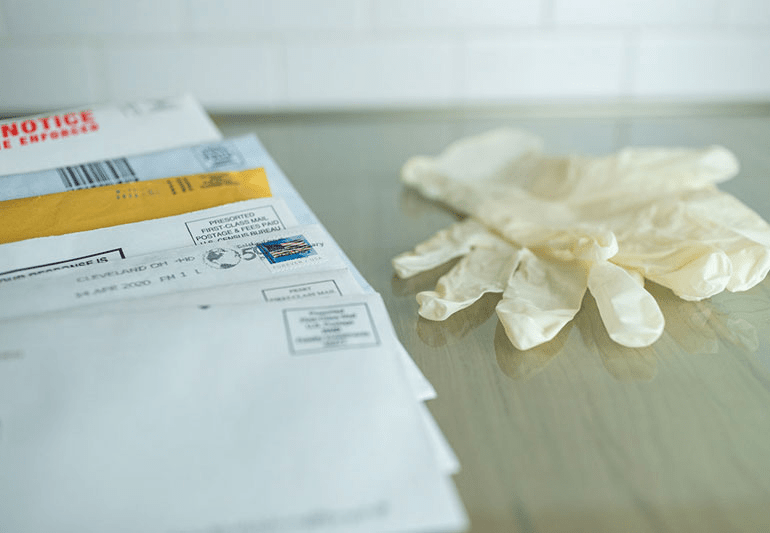
Credit: health.clevelandclinic.org
Virus Lifespan On Fabrics
Understanding how long coronavirus survives on fabrics helps reduce infection risk. The virus can live on clothes for hours or days. Survival time depends on many things, such as fabric type and environment. This section explains virus lifespan on fabrics and what changes it.
Factors Affecting Survival Time
Temperature plays a big role. The virus dies faster in warm conditions. Cooler temperatures help it last longer.
Humidity also matters. High humidity can shorten virus life on fabric. Dry air may let it survive more.
Exposure to sunlight or UV light kills the virus quickly. Dark places let it stay alive longer.
Amount of virus on the fabric affects survival. More virus means longer survival time.
Fabric cleanliness impacts virus life. Dirty or oily fabrics may protect the virus.
Differences Between Fabric Types
Natural fibers like cotton absorb moisture. This can reduce virus survival time. The virus dries out faster.
Synthetic fabrics such as polyester hold less moisture. Virus may live longer on these.
Thicker fabrics create a barrier. This can protect the virus from drying out.
Woven fabrics trap virus particles less than tightly knit ones.
Clothes that breathe well help virus die faster.
Transmission Risks From Clothes
Understanding the transmission risks from clothes is crucial in managing your daily exposure to coronavirus. Clothes can act as temporary carriers for the virus, especially after contact with contaminated surfaces or infected individuals. Knowing how the virus spreads through clothing helps you take smarter precautions.
How Virus Spreads Via Clothing
The coronavirus mainly spreads through respiratory droplets, but these droplets can land on your clothes when you cough, sneeze, or talk nearby. Once on the fabric, the virus can survive for a certain period, depending on the material and environmental conditions.
You might touch your clothes and then touch your face, creating a pathway for the virus to enter your body. This indirect transfer is often overlooked but can be a real risk, especially if you don’t wash your hands regularly.
Common Situations For Contamination
Think about places where your clothes are exposed to others or shared environments, such as public transport, grocery stores, or gyms. These are common spots where droplets from an infected person can land on your outerwear.
Another scenario is handling laundry from someone who is sick. The virus can survive longer on certain fabrics in damp conditions, so washing clothes promptly and properly becomes essential. Have you ever considered how often you touch your jacket throughout the day? That simple act could carry risks if the jacket picked up viral particles outside.
Effective Cleaning Methods
Cleaning clothes properly stops coronavirus from staying on fabric. The virus can live on clothes for hours or days, depending on conditions. Washing clothes well removes and kills the virus effectively. This keeps you and your family safer.
Choosing the right washing method and detergent is important. Using the correct water temperature also helps destroy the virus. Understanding these cleaning tips ensures your clothes are virus-free.
Washing Techniques That Kill Virus
Wash clothes after every use, especially if exposed to public places. Use a washing machine for best results. Scrubbing by hand might not remove all viruses. Separate contaminated clothes from others to avoid spreading.
- Pre-soak clothes in warm water before washing.
- Use a long wash cycle for thorough cleaning.
- Dry clothes completely under sunlight or in a dryer.
- Avoid shaking dirty clothes to reduce virus spread.
Recommended Detergents And Temperatures
Use regular laundry detergent that contains surfactants. These break down the virus’s outer layer. Adding bleach or disinfectant can increase effectiveness on white or color-safe fabrics.
| Temperature | Effectiveness | Recommended Use |
|---|---|---|
| 60°C (140°F) or higher | Highly effective at killing virus | Use for cotton, linens, and durable fabrics |
| 30-40°C (86-104°F) | Moderately effective with detergent | Use for delicate or colored clothes |
Do not overload the washing machine. This ensures detergent and water reach all fabric areas. Follow garment labels for washing instructions to avoid damage.

Credit: famurgentcare.com
Safe Handling Of Contaminated Clothes
Handling clothes that might be contaminated with coronavirus requires careful attention to prevent spreading the virus further. You can reduce risks by adopting simple yet effective habits during removal, storage, and transportation of these clothes. Let’s dive into practical tips that you can easily apply at home or anywhere you face this challenge.
Precautions While Removing Clothes
Before you start taking off your clothes, pause and think about how you touch them. Avoid touching your face or other surfaces until you’ve removed the clothes properly.
- Use gloves if available:Wearing disposable gloves can add an extra layer of protection.
- Take off clothes gently:Avoid shaking or tossing them to prevent spreading any virus particles into the air.
- Turn clothes inside out:This helps contain any virus on the outer surface.
- Place clothes directly into a laundry bag or basket:Don’t leave them lying around.
Have you noticed how quickly habits change when you focus on protecting yourself and others? This simple awareness can make a big difference.
Storage And Transport Tips
Storing and moving contaminated clothes safely is key to stopping the virus from spreading to other areas or people. Think about where and how you keep these clothes after removal.
- Use a dedicated, sealable laundry bag:This prevents accidental contact and keeps the virus contained.
- Keep the bag separate:Store it away from clean clothes and household items.
- Wash clothes promptly:Don’t let them sit for long periods before cleaning.
- Disinfect laundry baskets and surfaces:Use household disinfectants on any area that might have come into contact with contaminated clothes.
What if you could reduce contamination risks simply by changing where you store your laundry? Small changes like these protect everyone in your home.
Preventive Measures For Daily Life
Protecting yourself from the coronavirus in daily life means paying attention to the clothes you wear and how you care for them. The virus can survive on fabric for varying periods depending on the material and conditions. Taking simple, practical steps can lower your risk and keep you safer throughout the day.
Clothing Choices To Reduce Risk
Choose fabrics that dry quickly, like polyester or nylon, because the virus struggles to survive in dry environments. Avoid wearing clothes made of thick or absorbent materials like wool or heavy cotton when you expect to be in crowded places.
Wearing layers can help. You can remove the outer layer when you return home, reducing the chance of bringing the virus inside. Think about how often you can wash each piece; clothes you wear outside should be cleaned more frequently.
Hygiene Habits To Follow
Wash your hands before and after changing clothes, especially if you’ve been in public areas. Use warm water and soap for at least 20 seconds. If you can, change clothes immediately after returning home.
Laundry practices matter. Use the hottest water safe for your fabric and dry clothes completely. Avoid shaking dirty laundry to prevent spreading the virus through the air.
Have you tried setting a specific laundry day for your outdoor clothes? It helps you stay consistent and reduces the chance of virus buildup on your fabrics.

Credit: www.goodrx.com
Frequently Asked Questions
How Long Does Coronavirus Survive On Clothes?
Coronavirus can survive on clothes for a few hours to days. It depends on fabric type, temperature, and humidity. Porous fabrics like cotton reduce virus survival time. Non-porous, synthetic materials may hold the virus longer. Regular washing with detergent removes the virus effectively.
Can Washing Clothes Kill Coronavirus?
Yes, washing clothes with detergent and warm water kills coronavirus. Detergents break down the virus’s lipid membrane, inactivating it. Use water temperature above 60°C (140°F) for best results. Drying clothes completely also helps reduce virus presence on fabric.
Is It Safe To Handle Clothes Of Infected People?
Handling clothes from infected people is generally safe if precautions are followed. Wear gloves if possible and avoid touching your face. Wash hands immediately after handling. Wash clothes separately in hot water and dry thoroughly to eliminate the virus.
Does Coronavirus Survive Longer On Synthetic Fabrics?
Coronavirus may survive longer on synthetic fabrics than natural ones. Synthetic materials like polyester are less porous, helping the virus persist. Natural fabrics like cotton absorb moisture and reduce virus survival time. Regular washing and drying remove the virus from all fabric types.
Conclusion
Coronavirus can survive on clothes for hours to days. The exact time depends on fabric type and conditions. Washing clothes regularly helps remove the virus safely. Drying clothes thoroughly also reduces risk. Avoid touching your face after handling worn clothes.
Staying clean and cautious protects you and others. Keep good hygiene habits every day. Simple actions make a big difference in stopping the virus spread. Stay informed and follow health guidelines for safety. Your efforts help keep everyone healthier.


