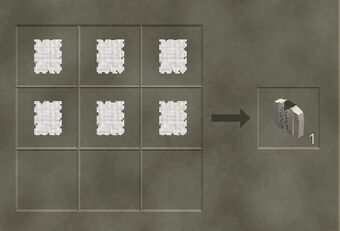
Are you ready to upgrade your Survival Craft skills and create something truly useful? Making cotton clothes can keep your character safe and comfortable while exploring or surviving tough conditions.
Imagine having the ability to craft your own clothes anytime you need them, without relying on scavenging or luck. In this guide, you’ll learn simple, clear steps to turn raw cotton into wearable fabric. By the end, you’ll be crafting your own cotton clothes like a pro, giving you a big advantage in the game.
Keep reading to unlock these essential survival skills!
Gathering Cotton Resources
Gathering cotton resources is the first and most crucial step in crafting cotton clothes in Survival Craft. Knowing where to find cotton plants and how to collect them efficiently can save you time and effort. Let’s dive into practical tips that can help you gather cotton like a pro, even if you’re just starting out.
Locating Cotton Plants
Cotton plants usually grow in warm, flat areas near water sources. Keep an eye out for white fluffy balls on green bushes—they are a clear sign of cotton. You might find these plants near riverbanks or open fields with plenty of sunlight.
Have you ever overlooked a simple patch of bushes only to discover they were loaded with cotton? It happens more often than you think. Don’t hesitate to explore less obvious spots; sometimes the best resources hide in plain sight.
Harvesting Techniques
To harvest cotton, gently pull the white cotton bolls from the plant without damaging the bush. Avoid yanking; a smooth twist and pull will keep the plant healthy for future harvests. Collect only fully opened bolls—they contain the soft cotton fibers you need.
A trick I learned is to harvest in the early morning when the cotton is dry and easier to handle. Wet cotton can stick to your hands and tools, making collection harder. How do you ensure your cotton stays clean and ready for crafting?
Best Tools For Collection
Using the right tools can make a big difference. A simple pair of gloves protects your hands from scratches, while small scissors or garden shears help you snip cotton bolls cleanly. If you’re in a pinch, your bare hands work fine, but tools speed up the process.
- Gloves:Prevent skin irritation and improve grip.
- Garden Shears:Cut cotton bolls without harming the plant.
- Small Basket or Cloth Bag:Keep collected cotton safe and clean.
Think about your current setup—do you have these tools handy? Preparing in advance often means you’ll gather more cotton in less time, giving you a head start on crafting your survival gear.
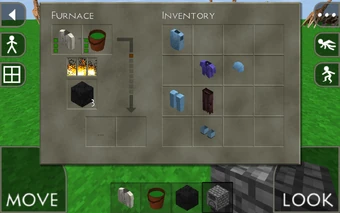
Credit: survivalcraftgame.fandom.com
Processing Raw Cotton
Processing raw cotton is the first key step to making cotton clothes in Survival Craft. It involves turning the fluffy cotton bolls into clean fibers ready for crafting. This process takes patience but improves the quality of your material.
Start by handling the cotton carefully to keep the fibers intact. Proper processing makes spinning and weaving easier later on.
Cleaning And Preparing Fibers
Remove dirt and debris from the cotton fibers by gently shaking or brushing them. Avoid pulling too hard to prevent fiber breakage.
Use your hands or a small comb to loosen clumps. This helps prepare the cotton for the next steps.
Separating Seeds From Cotton
Seeds are tightly packed inside the cotton fibers and must be removed. Pull the fibers apart slowly to spot the seeds.
- Pinch the seed and pull it out with fingers.
- Use a small tool like tweezers for stubborn seeds.
- Repeat until no seeds remain in the cotton.
Clean cotton without seeds is easier to spin and produces better fabric.
Drying And Storing
Dry the cleaned cotton fibers completely before storing. Spread them in a thin layer under the sun or near a fire.
Store dry cotton in a cool, dry place. Keep it away from moisture to prevent mold or damage.
Crafting Cotton Thread
Cotton thread is the backbone of making cotton clothes in Survival Craft. Without strong, flexible thread, sewing your fabric pieces together becomes a challenge. Crafting your own cotton thread lets you control the quality and durability of your clothing, making your survival gear last longer.
Spinning Cotton Fibers
Start by gathering raw cotton fibers. These fluffy fibers need to be cleaned and aligned to prepare them for spinning.
Hold a small bundle of cotton and gently pull it apart to loosen the fibers. Then, twist them between your fingers to create a thin, continuous strand.
It takes patience to make your thread strong. Try twisting and pulling simultaneously to ensure the fibers bind tightly. Have you tried spinning thread by hand? It’s surprisingly satisfying once you get the rhythm.
Using A Spinning Wheel
If you have access to a spinning wheel, it speeds up the thread-making process dramatically. This tool helps twist fibers evenly and consistently, producing stronger thread.
Feed the cotton fibers onto the wheel’s flyer and turn the wheel steadily. The spinning action draws and twists the fibers into thread automatically.
Using a spinning wheel feels like having a partner in your craft. It keeps your hands free and your thread uniform. Do you have space for a spinning wheel in your survival setup?
Alternative Thread-making Methods
Without fingers or tools, you can still make thread using simple alternatives. Braiding thin strips of cotton fabric or twisting multiple thin fiber strands together works well.
Try rolling fibers on a flat surface with a stick to create tension and twist. Another option is using a hand drill to spin fibers faster than you can by hand.
Experiment with these methods to find what fits your environment and resources. Which alternative technique would you try first when tools are limited?
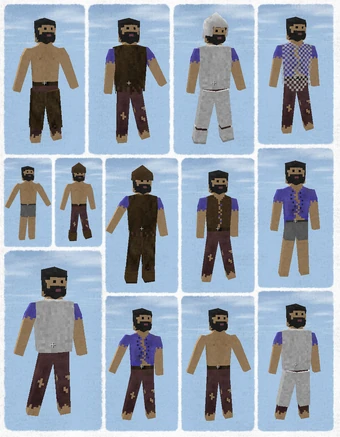
Credit: survivalcraftgame.fandom.com
Weaving Cotton Fabric
Weaving cotton fabric is a crucial skill in Survival Craft that transforms raw cotton fibers into wearable cloth. It requires patience and attention but gives you control over your clothing materials. Once you understand the basics, you’ll find weaving both practical and surprisingly satisfying.
Setting Up A Loom
Start by preparing a simple loom, which you can build from sticks or other natural materials around you. The loom holds the warp threads tightly, so they stay in place while you weave.
Stretch the warp threads vertically, making sure they are evenly spaced and taut. The tension is key; too loose and your fabric will be sloppy, too tight and the threads might snap.
Think about your workspace: you’ll need enough room to comfortably pass the weft thread horizontally through the warp.
Basic Weaving Patterns
The simplest pattern to try is the plain weave. Pass the weft thread over one warp thread, then under the next, repeating this across your loom.
Flip the next row so the weft goes under where it was over before, creating a crisscross effect. This structure gives strength and flexibility to your fabric.
Once you master the plain weave, experiment with variations like basket weave or twill to add texture and durability.
Finishing Fabric Edges
Loose edges can unravel, so securing them is essential. After finishing your weaving, fold the edges over and stitch them down with leftover thread.
You can also create a simple fringe by knotting the warp threads in small groups. This not only stops fraying but adds a neat decorative touch.
Properly finished edges increase the lifespan of your fabric, making your cotton clothes last longer in tough survival situations.
Sewing Cotton Clothes
Sewing cotton clothes in Survival Craft is a skill that can keep you warm and comfortable in the wild. It combines creativity with practicality, letting you craft wearable items from basic materials. Whether you’re patching up worn gear or making new clothes, mastering sewing will boost your chances of thriving outdoors.
Cutting Fabric For Clothing
Start by laying out your cotton fabric on a flat surface. Use sharp scissors to cut straight lines, which makes sewing easier and the clothes fit better. Remember to leave extra fabric along the edges for seams; about half an inch is a good margin.
Think about the shape you need—simple rectangles or squares work well for basic shirts and pants. If you want sleeves or collars, sketch your design on paper first. This helps avoid mistakes and saves time.
Hand Sewing Tips
Hand sewing can be slow, but patience pays off. Use small, even stitches to make seams strong and neat. If your thread breaks often, try doubling it or using wax to keep it from tangling.
Keep your fabric taut as you sew; this prevents puckering. Take breaks if your fingers get tired—comfort helps maintain precision. Have you noticed how a few neat stitches can change a torn shirt into a wearable piece again?
Using Needles And Tools
Choose needles designed for cotton fabric; they have a sharp point and medium thickness. A thimble protects your finger while pushing the needle through thick fabric. Keep a small pair of scissors nearby for trimming threads cleanly.
You might also want a needle threader to make threading easier, especially if you’re working in low light. Organize your tools in a small pouch to keep everything handy. What tools do you find indispensable when sewing outdoors?
Maintaining Cotton Apparel
Maintaining your cotton apparel in Survival Craft ensures your clothes last longer and keep you comfortable in tough environments. Cotton is breathable and durable, but it still needs care to stay in good shape. Simple maintenance routines can save you from unexpected wardrobe failures when you need your gear the most.
Cleaning And Washing
Keep your cotton clothes clean by washing them regularly to remove dirt and sweat. Use cold water to prevent shrinking and preserve fabric strength. If you’re washing by hand, gently scrub with mild soap instead of harsh detergents.
Dry your clothes in the shade to avoid fading from direct sunlight. Have you noticed how sun-bleached fabric loses its softness? Protect your gear by air drying in a cool, ventilated spot.
Repairing Tears And Holes
Small tears can quickly become big problems if ignored. Use a needle and thread to stitch up holes before they expand. A tight, simple stitch can restore your clothing’s function without bulky patches.
If you have fabric scraps from old clothes, use them to reinforce weak spots. Have you ever patched a sleeve just in time before heading into a rough area? That quick fix can keep you going longer.
Storage Best Practices
Store your cotton clothes in a dry, clean place to prevent mold and mildew. Avoid folding them tightly; instead, hang or loosely fold to keep the fabric’s shape. Moisture can sneak in and damage fibers when clothes are crammed into small spaces.
Consider adding natural repellents like cedar chips to your storage area. They help keep pests away without chemicals that might harm your fabric. What small changes could you make to protect your gear during long storage periods?
Survival Benefits Of Cotton Clothing
Cotton clothing offers many survival benefits in the crafting world. It helps you stay safe and comfortable in tough environments. Cotton is a natural fiber that adapts well to different weather. Wearing cotton clothes can improve your chances of survival by providing practical protection. Here are some key benefits of cotton clothing in survival craft.
Breathability And Comfort
Cotton fabric allows air to flow freely through the material. This helps keep your skin cool and dry during hot days. It absorbs sweat and prevents irritation or rashes. Soft texture makes cotton clothes comfortable to wear for long periods. Comfort is essential when you face tough survival challenges.
Durability In Harsh Conditions
Cotton clothes resist wear and tear in rough environments. They can handle dirt, rubbing, and repeated washing. Thick cotton fabric protects your skin from scratches and insect bites. Strong threads keep seams intact even under stress. Durable clothing lasts longer and reduces the need for constant repairs.
Versatility In Different Environments
Cotton adapts to various climates and weather conditions. It keeps you warm in cool weather by trapping heat close to the body. Cotton layers can be added or removed easily for temperature control. The fabric dries quickly after getting wet, reducing chill risks. This versatility makes cotton clothing ideal for survival situations.
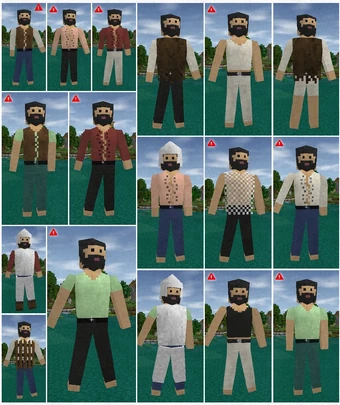
Credit: survivalcraftgame.fandom.com
Frequently Asked Questions
How Do You Make Cotton In Survival Craft?
To make cotton in Survival Craft, find and harvest wild cotton plants. They are usually found in warm biomes. After harvesting, you’ll get cotton seeds and raw cotton. Use the raw cotton in your crafting table to create cotton cloth.
This cloth can be used to make various clothing items.
Where Can I Find Wild Cotton Plants?
Wild cotton plants are commonly found in warm biomes within the game. Look for them in areas like savannas and deserts. These plants are easy to spot due to their white fluffy appearance. Harvest them to collect cotton seeds and raw cotton for crafting.
What Tools Do I Need To Harvest Cotton?
No specific tools are required to harvest cotton in Survival Craft. Simply approach the wild cotton plant and use your hand to gather the cotton. However, using a machete can speed up the process and ensure you collect the maximum amount of cotton from each plant.
How Do I Craft Cotton Clothes?
To craft cotton clothes, use raw cotton obtained from wild cotton plants. Convert the raw cotton into cotton cloth using a crafting table. Once you have enough cotton cloth, follow the clothing recipes in your crafting menu to create shirts, pants, and other garments for survival.
Conclusion
Making cotton clothes in Survival Craft is simple and fun. Gather cotton and craft tools carefully. Follow each step to create useful clothing. Cotton clothes protect you and keep you warm. Practice crafting to improve your skills. Enjoy the process and explore new designs.
This skill helps you survive longer in the game. Keep trying, and you will get better fast. Cotton clothes are a smart choice for survival. Stay safe and have fun crafting today!


