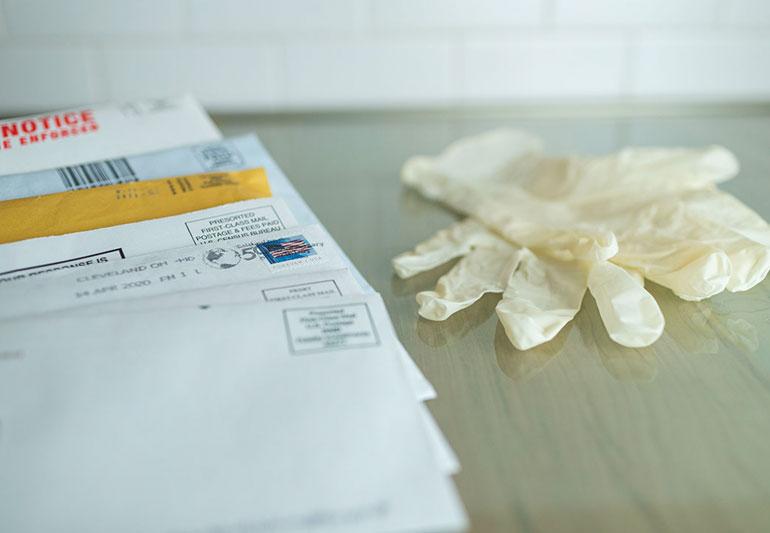
Have you ever wondered how long Covid can survive on your clothes? Knowing this could change the way you handle your laundry or even how you take off your mask.
The truth might surprise you and could help protect you and your loved ones from unseen risks. Keep reading to discover the facts about Covid on cloth and learn simple steps to stay safer every day.

Credit: www.goodrx.com
Virus Survival On Fabrics
Understanding how long Covid can survive on cloth is crucial, especially since fabric is everywhere—from your clothes to your home furnishings. The virus behaves differently on fabrics compared to hard surfaces, and knowing this can help you take smarter precautions. Let’s look at what affects the virus’s survival on fabrics and how it compares to other common surfaces.
Factors Affecting Virus Lifespan
The type of fabric plays a big role in how long the virus stays active. Natural fibers like cotton tend to absorb moisture, which can reduce the virus’s survival time. Synthetic fabrics like polyester, on the other hand, might allow the virus to live longer because they don’t absorb moisture as well.
Temperature and humidity also matter. Higher temperatures and more humidity usually make the virus die faster. If you’ve ever noticed how damp clothes dry faster in the sun and heat, the same principle helps reduce the virus’s lifespan.
Think about your own experience: Have you ever left a mask or jacket in a warm, sunny spot and felt safer using it again after a day? That’s because heat and light help weaken the virus on fabric.
Comparison With Other Surfaces
| Surface Type | Virus Survival Time | Key Reason |
|---|---|---|
| Cloth | Up to 2 days | Porous, absorbs moisture |
| Plastic | Up to 3 days | Non-porous, retains moisture |
| Metal | Up to 2-3 days | Non-porous, smooth surface |
| Cardboard | Up to 24 hours | Porous, absorbs moisture quickly |
Unlike hard surfaces like plastic or metal, cloth doesn’t let the virus linger as long. This is because porous materials like fabric soak up droplets, which causes the virus to dry out and become inactive faster. You might find it surprising that cardboard, another porous material, also reduces virus survival time similarly to cloth.
Knowing these differences helps you decide how often to wash your clothes or clean your fabric items. Have you thought about how often your frequently touched fabrics, like couch cushions or scarves, should be cleaned to reduce risk?
Impact Of Fabric Type
The type of fabric plays a crucial role in how long Covid can survive on cloth surfaces. Different materials interact with the virus in unique ways, affecting its ability to remain infectious. Understanding these differences helps you make smarter choices about the fabrics you use daily.
Natural Vs Synthetic Materials
Natural fabrics like cotton, wool, and linen tend to absorb moisture quickly. This can cause the virus to dry out faster, reducing its survival time. On the other hand, synthetic materials such as polyester and nylon repel water and hold moisture on the surface longer, which might allow the virus to survive for extended periods.
Think about your face mask or clothing. If you use a cotton mask, it might be safer in terms of virus survival than a polyester one. Have you noticed how some fabrics feel damp longer after washing? That moisture retention could affect virus longevity.
Weave Density And Virus Retention
The tightness of the fabric weave also affects virus survival. Dense weaves trap fewer particles on the surface and dry faster, reducing the virus’s lifespan. Looser weaves, with larger gaps, can hold more droplets and keep them moist longer, which may allow the virus to stay active.
For example, a tightly woven cotton shirt might inactivate the virus more quickly than a loosely woven wool sweater. When selecting fabrics, ask yourself: does this cloth dry quickly or hold moisture? Your choice could influence how long Covid remains a threat on your clothes.
Environmental Influences
The survival of Covid-19 on cloth varies greatly due to environmental influences. These factors can either shorten or extend the virus’s life on fabric surfaces. Understanding these effects helps in managing risks and improving safety measures.
Temperature Effects
Higher temperatures reduce the virus’s survival time on cloth. Warm conditions cause the virus to break down faster. Cold temperatures allow the virus to live longer on fabric. This means the risk of infection stays higher in cooler environments.
Humidity Levels
Humidity plays a key role in virus survival on cloth. Low humidity dries out the virus quickly, reducing its lifespan. High humidity helps the virus stay moist and active for longer periods. Balanced humidity levels may reduce virus survival but vary by fabric type.
Sunlight And Uv Exposure
Sunlight, especially UV rays, damages the virus’s structure. Direct exposure to sunlight can kill the virus in minutes. Indoor or shaded cloth surfaces allow the virus to survive longer. UV light is a natural disinfectant that lowers virus presence on fabrics.
Preventive Measures For Cloth Items
Cloth items can harbor viruses like Covid for varying lengths of time, depending on the fabric and environmental conditions. Taking the right preventive steps can greatly reduce the risk of transmission through these surfaces. Let’s look at practical ways you can handle and clean your cloth items to keep yourself and others safe.
Proper Washing Techniques
Washing cloth items with hot water is more effective at killing viruses than cold water. Use water temperatures of at least 60°C (140°F) whenever possible, especially for items like masks, towels, and clothing worn outside.
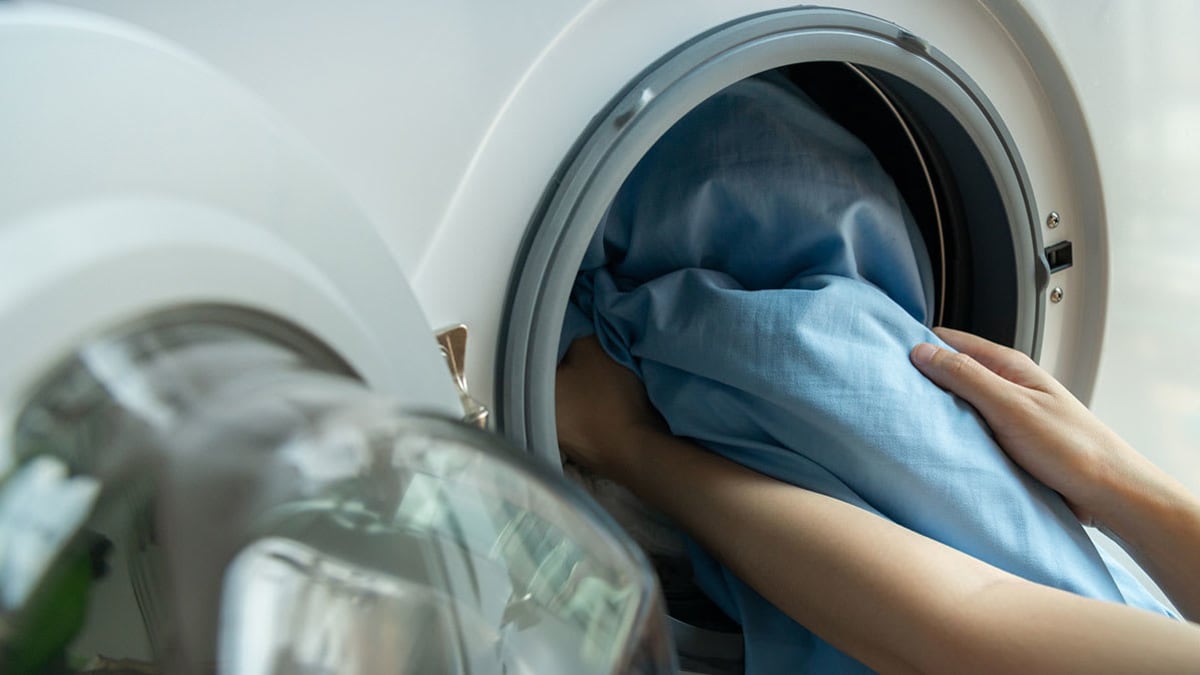
Adding a good detergent helps break down the virus’s structure. Avoid overcrowding your washing machine; this ensures each item gets thoroughly cleaned.
Have you noticed how some fabrics feel cleaner after a thorough wash? That’s because they allow detergent and water to reach every fiber. So, take time to separate delicate items from heavy fabrics to avoid ineffective washing.
Effective Disinfectants
Not all disinfectants work well on cloth. Look for those labeled safe for fabrics but strong enough to kill viruses.
- Use a diluted bleach solution carefully, especially on white or colorfast fabrics.
- Alcohol-based sprays (at least 70% alcohol) can be applied on cloth surfaces but should be tested first to avoid damage.
- Hydrogen peroxide is another option, but avoid mixing it with bleach or other chemicals.
Remember, frequent disinfecting of cloth items can cause wear, so balance safety with fabric care.
Safe Handling And Storage
After use, avoid tossing cloth items carelessly. Keep used masks and garments separate in a breathable bag until washing.
Store clean cloth items in dry, clean places to prevent contamination. Avoid piling up laundry for days; viruses can survive longer on damp cloth.
Try to handle your cloth items with clean hands. Have you ever touched your mask’s outer layer and then your face? This simple habit can undo all your cleaning efforts.
Real-world Implications
The survival of Covid on cloth isn’t just a lab curiosity—it affects how you handle your daily routines. Understanding real-world implications helps you make smarter choices about your clothes and hygiene. This knowledge can reduce your risk and protect those around you.
Risks In Daily Life
Covid virus can live on cloth for several hours to a few days, depending on conditions like temperature and humidity. You might touch your jacket or face mask and unknowingly pick up the virus. Have you ever considered how often you touch your clothes during the day?
Shared spaces like gyms, public transport, or offices increase the chance of contaminated fabric surfaces. Even casual contact with a contaminated sleeve or hat could pose a risk, especially if you then touch your eyes or mouth. Being aware of these risks helps you stay cautious without feeling overwhelmed.
Guidelines For Clothing Use
Wearing washable fabrics is a simple but effective way to reduce risk. Clothes you wear outdoors should be washed frequently, ideally in hot water, to kill any lingering virus. Drying clothes thoroughly also helps inactivate the virus faster.
- Change clothes after returning home from crowded places.
- Avoid sharing towels or scarves with others.
- Carry a spare mask and replace it if it gets damp or soiled.
These small habits can make a big difference in keeping your family safe. How often do you currently wash your outerwear after a day out?
Public Health Recommendations
Health experts emphasize hand hygiene alongside regular clothing washing. Washing your hands after handling potentially contaminated clothes is crucial. Avoid touching your face until your hands are clean.
Some health authorities suggest using a separate laundry bag for potentially exposed clothes. This prevents cross-contamination with other items. Following these simple steps aligns your routine with public health advice and lowers your infection risk.
Credit: www.consumerreports.org

Credit: www.universityhealth.com
Frequently Asked Questions
How Long Does Covid Survive On Cloth Surfaces?
Covid can survive on cloth for up to 1-2 days. Survival depends on fabric type, humidity, and temperature. Proper washing reduces risk. Regular cleaning helps prevent virus spread on clothes.
Does Fabric Type Affect Covid Survival Time?
Yes, fabric type affects Covid survival. Porous materials like cotton absorb moisture, reducing virus lifespan. Synthetic fabrics may retain the virus longer. Always wash fabrics thoroughly to minimize contamination.
Can Washing Clothes Remove Covid Effectively?
Washing clothes with detergent and warm water effectively removes Covid. Use water temperature above 60°C (140°F) when possible. Drying clothes completely also helps kill the virus. Follow health guidelines for best practices.
Is Covid Transmission Possible Through Contaminated Clothes?
Transmission through clothes is possible but less common. Virus quantity reduces quickly on fabric. Risk increases if contaminated clothes touch face or mucous membranes. Regular hygiene and washing minimize this risk.
Conclusion
Covid can live on cloth for hours to days, depending on conditions. Washing fabric often with soap and water helps remove the virus. Drying clothes thoroughly also reduces the risk of spread. Touching clean clothes is safer than touching dirty ones.
Staying cautious with shared or public fabrics is smart. Simple habits protect you and others from infection. Keep your environment clean and practice good hygiene daily. Small steps make a big difference in stopping Covid spread. Stay safe and healthy by handling cloth carefully.

