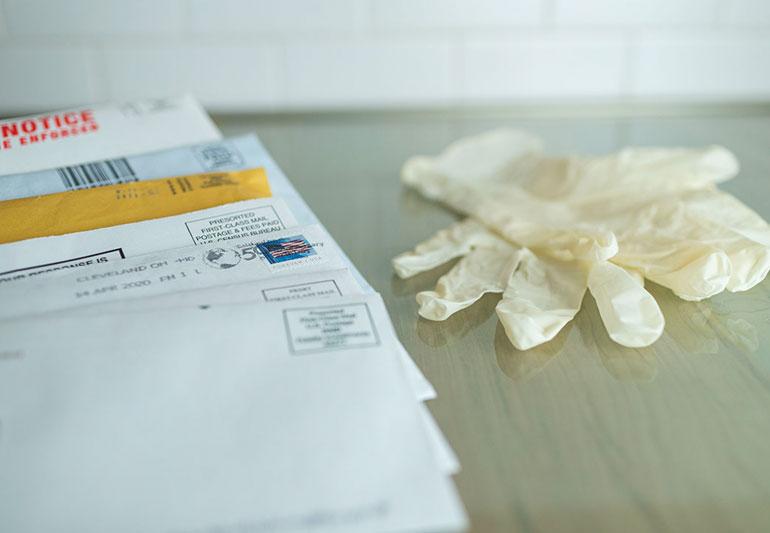
Have you ever wondered how long Covid can survive on your clothes? You touch your shirt, your jacket, or even your mask every day.
But do you really know if those fabrics could be carrying the virus? Understanding how long Covid stays on cloth is crucial for keeping yourself and your loved ones safe. You’ll discover clear answers and simple tips to protect yourself from hidden risks.
Keep reading to learn what you need to know to stay one step ahead.
Credit: www.consumerreports.org
Virus Survival On Cloth
The survival of the Covid virus on cloth surfaces varies widely. Understanding how long the virus lives on different fabrics helps in managing risks. The virus does not stay active forever on cloth. Its lifespan depends on many factors.
Factors Affecting Longevity
The virus survival time on cloth depends on several key factors:
- Humidity levels can speed up or slow down virus decay.
- Temperature influences how long the virus remains active.
- Virus amount deposited on the fabric affects survival time.
- Fabric texture and weave density impact virus persistence.
Types Of Fabrics And Virus Persistence
Different fabric types hold the virus for different periods:
- Natural fibers like cotton tend to absorb moisture, reducing virus survival.
- Synthetic fabrics such as polyester may allow longer virus activity.
- Blended fabrics show varying virus survival based on fiber mix.
- Thick and dense fabrics often trap the virus longer than thin ones.
Environmental Influences
External conditions change how long Covid survives on cloth:
- Sunlight exposure quickly reduces virus viability on fabrics.
- Dry air causes faster virus inactivation compared to moist air.
- Indoor environments with controlled temperature may prolong virus life.
- Frequent washing and drying remove or destroy the virus effectively.
Research Findings On Covid Stability
Understanding how long Covid survives on cloth is key to controlling its spread. Scientists studied the virus’s stability under different conditions. These studies help us learn how the virus behaves on fabric surfaces. This knowledge guides cleaning and safety measures.
Laboratory Studies
Lab tests show Covid can survive on cloth from a few minutes to several hours. The survival time depends on:
- Type of fabric
- Temperature
- Humidity
- Amount of virus present
Studies reveal that the virus loses strength faster on porous materials like cloth than on hard surfaces. Some experiments found Covid particles detectable up to 24 hours on fabric. But the virus becomes less infectious over time.
Real-world Observations
Real-life cases show less risk of catching Covid from cloth. Everyday use of clothes, washing, and exposure to sunlight reduce the virus’s survival. Studies found no strong evidence of virus spread through fabrics in daily life.
Experts suggest regular washing and airing clothes lower any risk. Simple hygiene steps remain effective in minimizing Covid presence on cloth.
Risk Of Transmission From Cloth
Cloth surfaces can hold the Covid virus for some time, but the risk of passing it on depends on several factors. Understanding how the virus stays active on fabric helps reduce chances of infection. The focus is on how the virus transfers from cloth to people.
Contact And Contamination
Touching cloth with virus particles can lead to contamination. The virus needs to move from cloth to hands, then to face or mouth. Dry cloth often holds fewer active virus particles than wet cloth. Repeated touching increases contamination risk. Cleaning cloth regularly lowers this risk significantly.
Viral Load And Infectivity
The amount of virus on cloth affects how infectious it is. Higher viral load means greater chance of passing the virus. Virus particles lose strength over time on fabric. Heat, sunlight, and washing help reduce viral load quickly. Lower viral load means less chance of infection from cloth.

Credit: famurgentcare.com
Effective Cleaning Methods
Understanding how to effectively clean cloth items is crucial to reduce the risk of Covid-19 lingering on fabrics. Proper cleaning methods not only remove visible dirt but also kill virus particles that may survive on cloth surfaces. Let’s dive into practical ways you can keep your fabrics safe and virus-free.
Washing Techniques
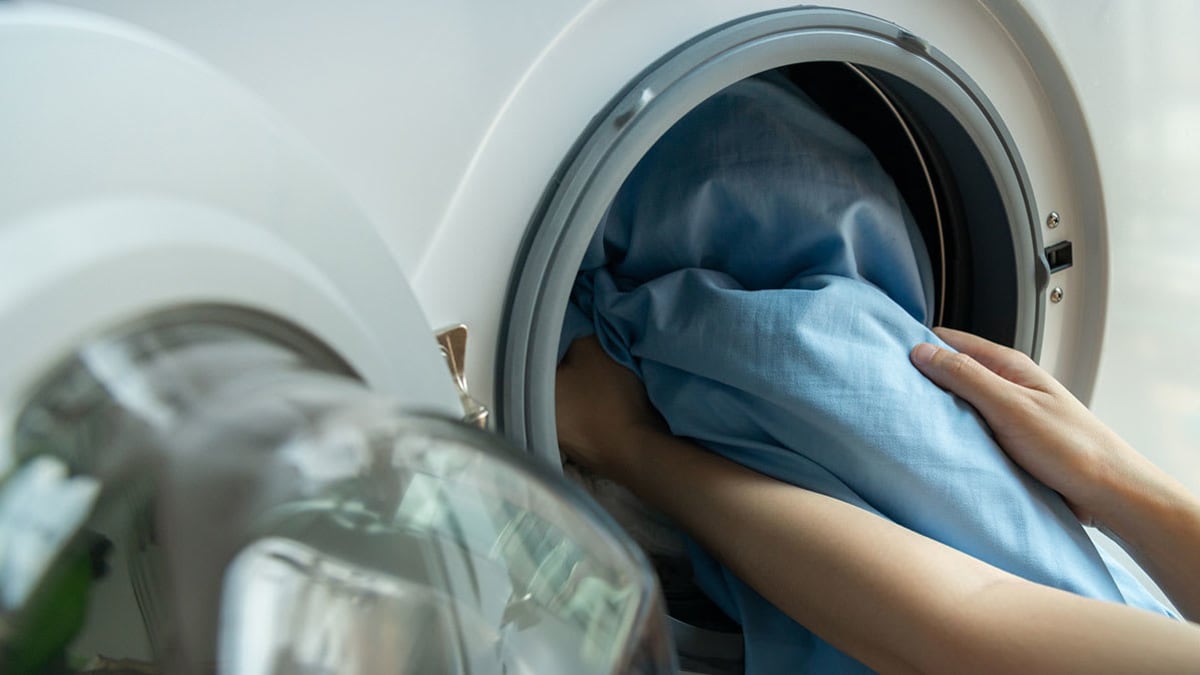
Use warm water—at least 60°C (140°F)—to wash your clothes. Hot water helps destroy the virus more effectively than cold water. If your fabric allows, opt for a longer wash cycle to ensure thorough cleaning.
Adding detergent is key. Detergents break down the virus’s outer layer, making it inactive. Avoid overloading the washing machine; clothes need space to move freely for better cleaning.
Dry your clothes completely. The virus struggles to survive on dry surfaces, so using a dryer on high heat or drying clothes in direct sunlight can further reduce risk. Have you noticed how your clothes feel fresher and safer after a full dry cycle?
Disinfectants Suitable For Fabrics
Not all disinfectants are safe for fabrics, so choose ones that won’t damage your clothes. Products containing at least 70% alcohol or hydrogen peroxide can be effective when used carefully.
Before applying any disinfectant, test it on a small, hidden area of the fabric to check for colorfastness or damage. Spraying disinfectants directly on cloth should be followed by air drying to let the solution work properly.
Bleach can be very effective but only for white or colorfast fabrics. Using bleach improperly can ruin your clothes and even reduce their protective qualities. Have you ever tried a fabric-safe disinfectant and noticed a difference in cleanliness?
Preventive Measures For Fabric Use
Preventive measures for fabric use help reduce the risk of Covid contamination. Fabrics can hold the virus for hours or days, depending on conditions. Taking simple steps limits exposure and keeps fabrics safer for use.
Handling And Storage Tips
Handle fabrics with clean hands. Avoid touching your face after touching fabric. Store fabrics in dry, clean places to prevent virus survival. Use separate bags for clean and used fabrics. Wash fabrics regularly with hot water and detergent. Dry fabrics completely before storing to kill any virus present.
Use Of Protective Barriers
Protect fabrics by using covers or liners. Use plastic or waterproof barriers on frequently touched fabrics. Change or wash barriers often to maintain cleanliness. Use gloves when handling fabrics in high-risk areas. Consider fabric sprays with antiviral properties for added protection. These barriers help block virus particles from settling on fabric surfaces.

Credit: www.goodrx.com
Frequently Asked Questions
How Long Can Covid-19 Survive On Cloth Surfaces?
Covid-19 can survive on cloth surfaces for up to 1-2 days. Factors like fabric type and humidity affect this duration. Regular washing reduces virus presence effectively.
Does Fabric Type Affect Covid Survival Time?
Yes, virus survival varies by fabric. Natural fibers like cotton usually hold the virus for shorter times than synthetic materials. Porous fabrics tend to reduce virus longevity.
How To Disinfect Cloth To Kill Covid-19 Effectively?
Washing cloth at high temperatures with detergent kills Covid-19 effectively. Use hot water above 60°C and dry thoroughly. Avoid low-temperature washes for better disinfection.
Can Covid-19 Spread Through Contaminated Clothes?
Yes, contaminated clothes can carry the virus but risk is low. Proper washing and handling reduce transmission chances. Avoid touching face after handling unwashed clothes.
Conclusion
Covid can survive on cloth for hours to days, depending on conditions. Washing clothes regularly helps reduce the virus risk. Drying clothes in sunlight or heat also kills germs. Avoid touching your face after handling unwashed fabric. Staying cautious keeps you and others safer.
Clean cloth surfaces often and practice good hygiene. Simple steps make a big difference in stopping virus spread. Stay informed and protect your health every day.


