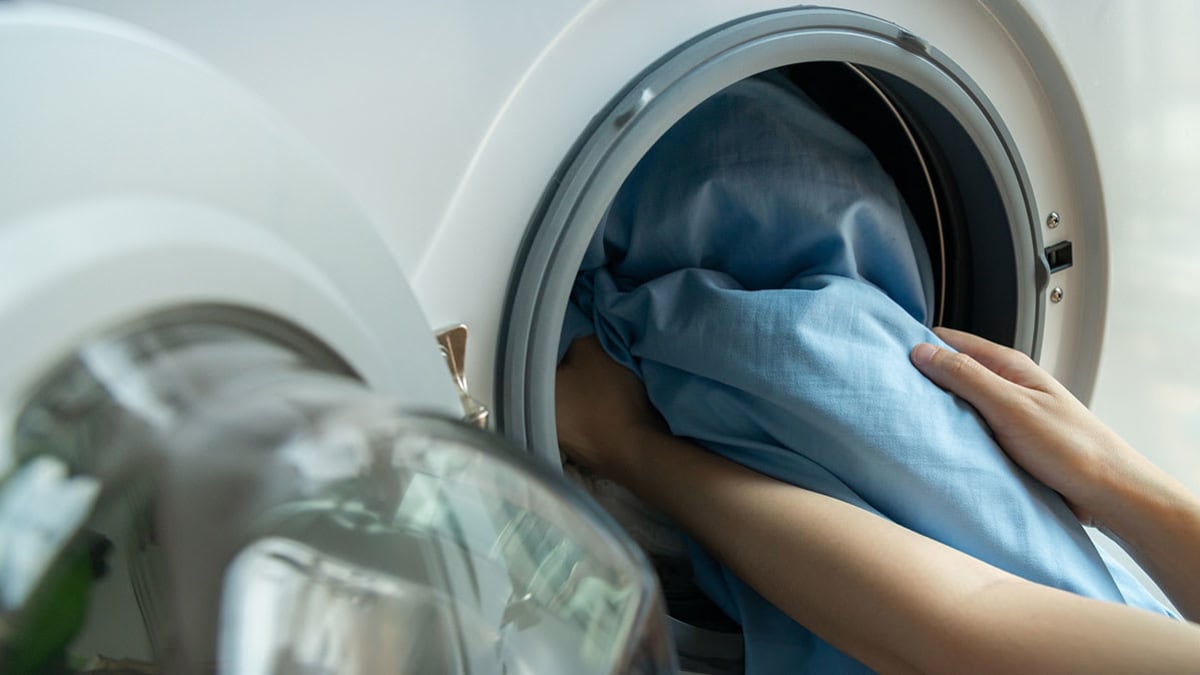
Have you ever wondered if the coronavirus can live on your clothes? You touch your clothes every day, but do you really know if they could be carrying the virus?
Understanding this could help you protect yourself and your loved ones better. You’ll discover how long the virus can survive on different fabrics and simple steps you can take to keep your clothes safe. Keep reading to learn what you need to know to stay confident and secure in your daily routine.
Virus Survival On Fabrics
Understanding how long the coronavirus can survive on your clothes is crucial for staying safe. The virus doesn’t behave the same way on every type of fabric. Knowing which materials hold the virus longer can help you decide how to handle your laundry and clothes after being outside.
Types Of Fabrics And Virus Longevity
The coronavirus tends to survive differently depending on the fabric type. Smooth, non-porous fabrics like polyester or nylon can hold the virus longer compared to natural, porous fabrics such as cotton or wool.
- Cotton:Virus survival is generally shorter because the fabric absorbs moisture, which speeds up virus decay.
- Polyester and Synthetic Blends:These materials often keep the virus alive longer since they don’t absorb moisture well.
- Wool:Similar to cotton, wool’s texture and moisture absorption reduce virus longevity.
Think about your daily outfit choices. Would you prefer clothes that reduce virus survival time? This can be a practical way to lower risk without extra effort.
Environmental Factors Affecting Survival
The environment plays a key role in how long the virus stays active on fabrics. Temperature, humidity, and sunlight can change the virus’s lifespan dramatically.
- Temperature:Higher temperatures tend to shorten virus survival. Warm water washing and drying your clothes in the sun can make a big difference.
- Humidity:High humidity can either help or hinder virus survival depending on the fabric. Damp clothes might hold the virus longer.
- Sunlight:UV rays from the sun help break down the virus quickly. Drying clothes outside is not just fresh but safer.
Have you ever noticed how your clothes feel fresher and cleaner after drying in the sun? That feeling isn’t just about scent—it’s about reducing germs, including viruses.

Credit: www.universityhealth.com
Transmission Risks From Clothing
Clothes can carry the coronavirus for a short time after exposure. The risk of catching the virus from clothing exists but is generally low. Understanding how transmission occurs through clothes helps reduce any possible danger. The virus spreads mainly through droplets that land on surfaces, including fabric. Contact with these contaminated clothes may transfer the virus to hands or face. Proper hygiene and cleaning practices lower this risk significantly.
Contact And Contamination Scenarios
Virus particles can land on clothes after close contact with an infected person. Touching your clothes and then your face may lead to infection. Handling laundry from someone who is sick also poses a risk. Clothes worn in crowded places or hospitals might carry the virus. The virus survives longer on smooth, non-porous surfaces than on fabric. Fabrics absorb moisture, which reduces virus survival time. Still, caution is needed to avoid touching contaminated areas.
Real-world Cases And Studies
Studies show the virus can survive on fabric for a few hours to days. Survival depends on fabric type, temperature, and humidity. Researchers found lower virus levels on cotton compared to synthetic materials. Real-world outbreaks rarely link directly to clothes as a main source. Most transmissions happen through close contact or contaminated hands. Proper washing with detergent kills the virus effectively. Following good hygiene stops virus spread from contaminated clothing.
Effective Cleaning Methods
Effective cleaning methods reduce the chance of coronavirus staying on clothes. Proper washing and drying kill most germs. Simple habits help keep your clothes safe and clean. Follow these tips for best results.
Washing Temperatures And Detergents
Use hot water to wash clothes, ideally above 60°C (140°F). Hot water kills viruses and bacteria better than cold water. Use a good detergent that breaks down dirt and germs. Detergents with enzymes are especially effective. Avoid overloading the washing machine. Clothes need space to move and get clean.
Drying And Ironing Benefits
Dry clothes thoroughly after washing. Heat from the dryer helps kill leftover germs. Sun drying also works well, as sunlight has natural disinfectant properties. Ironing clothes adds an extra layer of protection. The heat from the iron kills viruses on fabric surfaces. Focus on areas like collars and cuffs that touch your face often.

Credit: www.youtube.com
Preventive Measures For Clothing Safety
Taking care of clothes after possible exposure to coronavirus is important. Clothes can carry the virus for a short time. Safe handling and storage reduce the risk of spreading the virus. Follow simple steps to keep your clothes and yourself safe.
Handling Clothes After Exposure
Wear gloves when touching clothes that might be contaminated. Avoid shaking clothes to stop virus particles from spreading in the air. Place clothes directly into the washing machine or a sealed bag. Wash clothes with regular detergent in warm water. Dry clothes completely using a dryer or sunlight.
Storage And Isolation Tips
Keep exposed clothes separate from clean ones. Use a dedicated basket or bag for used clothes. Store clothes in a well-ventilated area if immediate washing is not possible. Avoid keeping dirty clothes in enclosed spaces for long. Clean and disinfect laundry baskets regularly to prevent contamination.
Myths Vs Facts About Virus On Clothes
There’s a lot of confusion around whether coronavirus can survive on your clothes. You might have heard claims that the virus lingers on fabric for days, or that washing your clothes is unnecessary. Sorting facts from myths can help you protect yourself without unnecessary worry.
Myth: The Virus Can Live On Clothes For Days
Many believe the coronavirus can survive on fabric surfaces for several days. However, studies show the virus doesn’t thrive long on porous materials like cloth. It tends to lose its ability to infect within hours on clothes, especially if they are dry.
So, should you panic if you drop your mask or jacket on the floor? Not really. Normal washing and airing out your clothes are usually enough to remove any traces of the virus.
Fact: Washing Clothes Helps Remove The Virus
Washing your clothes with detergent and warm water effectively removes the virus. Detergents break down the virus’s protective layer, making it inactive. A simple laundry routine can keep your garments safe.
I once worried about my gym clothes after a workout, but washing them normally was enough to keep me safe. You don’t need special disinfectants for your laundry—regular soap and water do the job.
Myth: Drying Clothes In The Sun Doesn’t Affect The Virus
Some say sunlight doesn’t impact the virus on clothes. Actually, UV rays from the sun can help kill viruses on fabric surfaces. Drying clothes outside in sunlight adds an extra layer of protection.
If you have space, hanging your clothes outdoors can reduce any viral particles faster than drying them indoors. Have you tried sun-drying your clothes during the pandemic?
Fact: Touching Clothes Is Less Risky Than Touching Hard Surfaces
The virus survives longer on smooth, non-porous surfaces like plastic and metal. Clothes are porous and absorb moisture, which makes it harder for the virus to stay active. This reduces the risk when you handle your laundry.
Still, washing your hands after handling dirty clothes is a good habit. It’s a simple step that adds extra safety without much effort.

Credit: www.consumerreports.org
Frequently Asked Questions
Can Coronavirus Survive On Fabric Surfaces?
Coronavirus can survive on clothes for a few hours to days, depending on fabric type and conditions. Porous fabrics like cotton tend to hold the virus for shorter times compared to synthetic materials.
How Long Does Coronavirus Live On Clothes?
The virus may live on clothes for up to 1-2 days under ideal conditions. Factors like humidity, temperature, and fabric type influence its survival time.
Can Washing Clothes Kill Coronavirus?
Yes, washing clothes with detergent and warm water effectively kills coronavirus. Use the highest temperature safe for the fabric to ensure proper disinfection.
Is It Safe To Handle Clothes Of Covid-19 Patients?
Handling clothes from infected individuals is generally safe with proper precautions. Wearing gloves and washing hands after handling reduces the risk of transmission.
Conclusion
Understanding coronavirus on clothes helps keep us safe. Wash clothes regularly. Use soap and water. Dry them completely. Sunlight and heat help kill germs. Avoid touching unwashed clothes. Practice good hygiene habits. Stay informed and cautious. Your health matters. Safety first.


