
Have you ever wondered how long bacteria can live on your clothes? You might think a quick wash is enough, but the truth could surprise you.
Understanding how bacteria survive on fabrics can help you protect yourself and your family from unwanted germs. You’ll discover how long these tiny invaders stick around, what factors make a difference, and simple steps you can take to keep your clothes—and yourself—clean and safe.
Keep reading to learn the facts that could change how you handle your laundry for good.

Credit: onlinelibrary.wiley.com
Bacteria Types On Clothes
Clothes can carry a wide variety of bacteria, each with different survival abilities and health implications. Understanding these bacteria types helps you make better choices about laundry habits and personal hygiene. Let’s look closely at the common bacteria found on your clothes and what they mean for you.
Common Household Bacteria
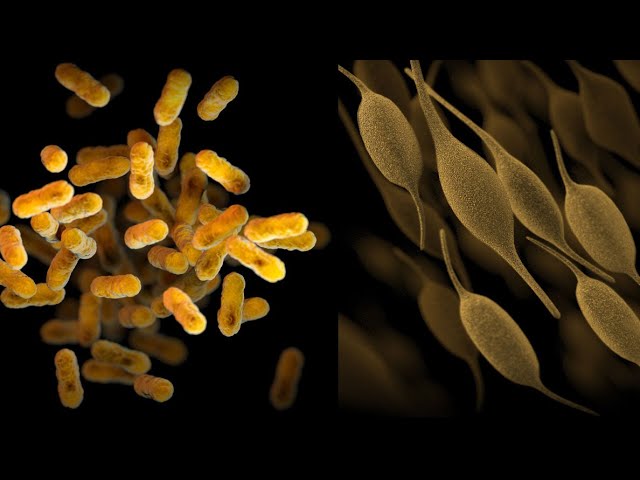
Everyday clothes often harbor bacteria like Staphylococcus epidermidisand Micrococcus. These bacteria are usually harmless and live naturally on your skin. They don’t cause illness but can multiply on sweat-soaked fabrics if not washed promptly.
Have you ever noticed a lingering odor on your workout gear even after washing? That smell often comes from these bacteria breaking down sweat compounds. Regular washing with detergent can keep these common bacteria in check.
Harmful Pathogens
Some bacteria on clothes pose health risks. Staphylococcus aureus, including MRSA strains, and Salmonellacan survive on fabric for hours or even days. These pathogens can cause skin infections, food poisoning, or more serious illnesses.
If you or someone in your home is sick, washing clothes in hot water and using a disinfectant laundry additive reduces the chance of spreading these harmful microbes. Have you thought about how often you clean items like towels or bed linens that come into close contact with your skin?
Environmental Bacteria
Clothes exposed to outdoor environments pick up bacteria from soil, plants, and water. These include species like Bacillusand Pseudomonas. While many are harmless, some can cause infections if you have cuts or weakened immunity.
Think about your gardening clothes or hiking gear. They may carry bacteria different from those on your everyday outfits. Washing these items separately and thoroughly can help prevent unwanted bacteria transfer to your regular clothes.
Credit: www.youtube.com
Survival Duration Factors
Bacteria survival on clothes depends on several important factors. These factors affect how long bacteria can live and multiply. Understanding them helps reduce health risks and keep clothes cleaner.
Fabric Material Impact
Different fabrics hold bacteria differently. Natural fibers like cotton absorb moisture, helping bacteria survive longer. Synthetic materials such as polyester dry faster, which may reduce bacteria lifespan. The weave also matters. Tighter weaves trap fewer bacteria than loose ones.
Moisture And Temperature Effects
Bacteria thrive in moist, warm environments. Wet clothes can keep bacteria alive for days. Dry clothes cause bacteria to die faster. Temperature plays a role too. Higher temperatures kill bacteria quickly. Cooler temperatures allow bacteria to survive longer on fabric.
Exposure To Light And Air
Sunlight can kill many bacteria on clothes. UV rays damage bacterial cells. Air circulation helps dry clothes and reduces bacterial survival. Storing clothes in dark, damp places lets bacteria grow longer. Dry, well-ventilated areas lower bacteria lifespan.
Health Risks From Contaminated Clothes
Contaminated clothes can harbor bacteria for hours or even days, posing hidden health risks you might not expect. These microorganisms thrive in the warm, moist environment of fabric fibers, waiting for the chance to cause trouble. Understanding these risks helps you protect yourself and those around you from potential infections and allergic reactions.
Skin Infections
Bacteria on clothes can easily transfer to your skin, especially if you wear tight or damp clothing. Cuts, scrapes, or sensitive skin can become breeding grounds for infections like impetigo or folliculitis. Have you ever noticed a rash or irritation after wearing unwashed workout gear? That might be bacteria taking hold.
Allergic Reactions
Some bacteria produce substances that trigger allergic reactions on your skin. These reactions can include redness, itching, and swelling, making your skin uncomfortable and irritated. If you frequently experience unexplained skin discomfort, consider how often you wash your clothes and what bacteria might be lurking there.
Cross-contamination Risks
Contaminated clothes don’t just affect you; they can spread bacteria to other surfaces and people. Imagine touching your clothes and then handling food or touching your face without washing your hands. This silent transfer can increase the risk of illnesses, especially in shared spaces like gyms or offices.
Effective Cleaning Techniques
Removing bacteria from clothes requires smart cleaning techniques. Proper washing and drying reduce germs and keep fabrics safe. Understanding key factors helps improve hygiene and clothing care.
Washing Temperatures
Hot water kills most bacteria effectively. Washing clothes at 60°C (140°F) or higher helps disinfect fabrics. Cold water may not remove all germs but saves energy. Choose temperature based on fabric care labels and contamination level.
Detergents And Disinfectants
Use detergents with strong cleaning power to break down dirt and oils. Adding disinfectants like bleach or special laundry sanitizers boosts bacteria removal. Avoid mixing chemicals to prevent damage. Follow product instructions carefully for safety and effectiveness.
Drying Methods
High heat from dryers helps kill remaining bacteria after washing. Sunlight also disinfects clothes naturally through UV rays. Air drying indoors may leave bacteria alive longer. Use a combination of heat and sun when possible for best results.
Prevention Tips
Preventing bacteria from lingering on clothes helps keep you healthy. Simple habits can reduce germs and stop their spread. Clean clothes feel fresh and safe to wear. Small changes make a big difference in hygiene.
Proper Laundry Habits
Wash clothes regularly using hot water when possible. Hot water kills many types of bacteria. Use a good detergent that removes dirt and germs. Avoid overloading the washing machine to allow thorough cleaning. Dry clothes completely in the sun or a dryer. Sunlight helps reduce bacteria naturally. Clean your washing machine often to prevent bacteria buildup.
Storing Clothes Safely
Store clean clothes in a dry, well-ventilated area. Avoid damp or dark places that encourage bacteria growth. Use airtight containers or sealed bags for long-term storage. Keep dirty and clean clothes separate to prevent cross-contamination. Change storage spots regularly to keep clothes fresh. Air out clothes before putting them away.
Handling Contaminated Items
Wear gloves if you handle heavily soiled or infected clothes. Place contaminated items in a sealed bag before washing. Wash these clothes separately from other laundry. Disinfect laundry baskets and hampers often. Avoid shaking dirty clothes to stop bacteria spreading in the air. Always wash hands thoroughly after handling contaminated fabrics.
Credit: health.clevelandclinic.org
Frequently Asked Questions
How Long Do Bacteria Survive On Clothes?
Bacteria can survive on clothes from a few hours to several days. Survival depends on bacteria type, fabric, and environment. Moisture and warmth increase survival time, while dry, clean conditions reduce it. Regular washing effectively removes most bacteria from clothing.
Which Fabrics Harbor Bacteria The Longest?
Natural fibers like cotton hold moisture, allowing bacteria to survive longer. Synthetic fabrics dry faster, reducing bacterial survival time. However, both fabric types can harbor bacteria if not washed properly or stored in damp conditions.
Can Washing Clothes Kill All Bacteria?
Washing with hot water and detergent kills most bacteria on clothes. Adding bleach or disinfectant increases effectiveness. However, some bacteria can survive mild washing conditions. Proper drying in sunlight or a dryer also helps eliminate bacteria.
Do Bacteria On Clothes Cause Infections?
Bacteria on clothes can cause infections if they contact broken skin or mucous membranes. Common bacteria include Staphylococcus and E. coli, which can trigger skin irritation or illness. Proper hygiene and regular washing reduce infection risks from contaminated clothes.
Conclusion
Bacteria can live on clothes from a few hours to several days. The type of bacteria and fabric affects their survival time. Washing clothes regularly helps remove bacteria and keeps you healthy. Drying clothes well reduces bacteria growth too. Clean clothes mean less risk of illness.
Remember to wash items that touch your skin often. Small steps make a big difference in hygiene. Stay safe by keeping your clothes fresh and clean.


