Have you ever wondered how long germs can hang around on your clothes? You might be surprised to learn that some germs can survive much longer than you think.
Understanding this can help you protect yourself and your loved ones from getting sick. You’ll discover the surprising truth about germs on clothing and simple steps you can take to keep your clothes—and yourself—clean and safe. Keep reading to find out what every person should know about germs and your wardrobe.
Factors Affecting Germ Survival
Germs do not survive the same amount of time on all clothing. Several factors influence how long germs stay alive on fabric. These factors affect the risk of spreading infections through clothes. Understanding them helps to reduce exposure and keep safe.
Type Of Fabric
Different fabrics have different textures and fibers. Natural fibers like cotton absorb moisture and trap germs inside. Synthetic fibers such as polyester repel water, making it harder for germs to stick. Some fabrics are rough and hold germs longer. Others are smooth and allow germs to fall off quickly.
Environmental Conditions
Temperature plays a key role in germ survival. Germs live longer in cool places. Warm temperatures can kill some germs faster. Sunlight also reduces germs by breaking down their structure. Dark and closed spaces help germs stay alive longer on clothes.
Presence Of Moisture
Germs need moisture to survive and multiply. Wet or damp clothes hold germs much longer than dry ones. Moisture creates a perfect environment for bacteria and viruses. Dry fabrics cause germs to dry out and die sooner. Keeping clothes dry lowers the chance of germ survival.
Common Germs Found On Clothing
Clothing can carry many types of germs. These tiny invaders stick to fabric and may survive for hours or days. Understanding common germs on clothes helps keep you safe and clean.
Bacteria
Bacteria are single-celled organisms found everywhere. Clothes pick up bacteria from sweat, dirt, and surfaces. Some bacteria cause infections or skin problems. Examples include Staphylococcus aureusand Escherichia coli. These bacteria survive on fabric for several hours to days.
Viruses
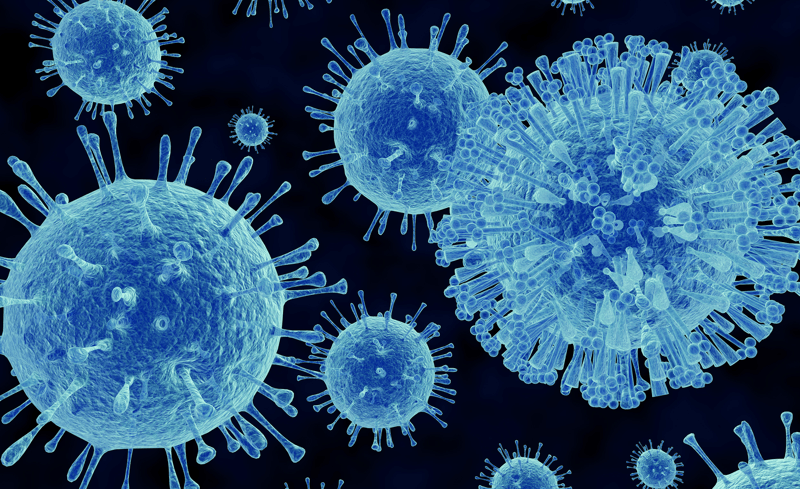
Viruses are smaller than bacteria and need a host to live. They cling to clothes after coughing or sneezing. Flu virus and cold viruses often spread this way. Viruses can stay active on fabric from a few hours up to two days.
Fungi
Fungi include molds and yeasts. They grow well on damp clothes. Fungi cause skin infections like athlete’s foot and ringworm. These germs survive longer on moist fabric and may spread easily.
Lifespan Of Germs On Different Fabrics
Germs can live on clothes for different lengths of time. This depends on the type of fabric. Some fabrics hold germs longer, while others let them die faster. Knowing how long germs survive helps to keep clothes safe and clean.
Cotton And Linen
Cotton and linen are natural fabrics. Germs usually survive on them for a shorter time. These fabrics absorb moisture, which can reduce germ life. Dry cotton and linen may let germs live up to 1-2 days. Wet fabric can keep germs alive a bit longer.
Synthetic Materials
Synthetic fabrics include polyester and nylon. Germs can live longer on these fabrics. They do not absorb water well, so moisture stays on the surface. This moisture helps germs survive for 2-3 days or more. Synthetic clothes need careful washing to remove germs fully.
Wool
Wool is a thick, natural fabric. Germs tend to survive longer on wool than on cotton or linen. The dense fibers trap moisture and warmth. Germs can live on wool for up to 2-3 days. Regular cleaning helps reduce germ presence on wool clothes.
Credit: steam-one.com
Impact Of Washing On Germ Removal
Washing your clothes does more than just keep them looking fresh—it plays a crucial role in removing germs that cling to fabric. Understanding how washing impacts germ removal can help you keep your garments safer and your family healthier. Let’s dive into the key factors that make washing effective against germs.
Effectiveness Of Detergents
Detergents contain ingredients that break down oils and dirt, which often trap germs on your clothes. Using a good-quality detergent can significantly reduce the number of bacteria and viruses. Have you ever noticed how some detergents leave your clothes feeling cleaner and fresher? That’s partly because they’re better at eliminating these invisible threats.
However, not all detergents are created equal. Some are specially formulated with antibacterial properties, which can boost germ removal. If you want to maximize cleanliness, choosing a detergent with these added benefits might be worth trying.
Role Of Water Temperature
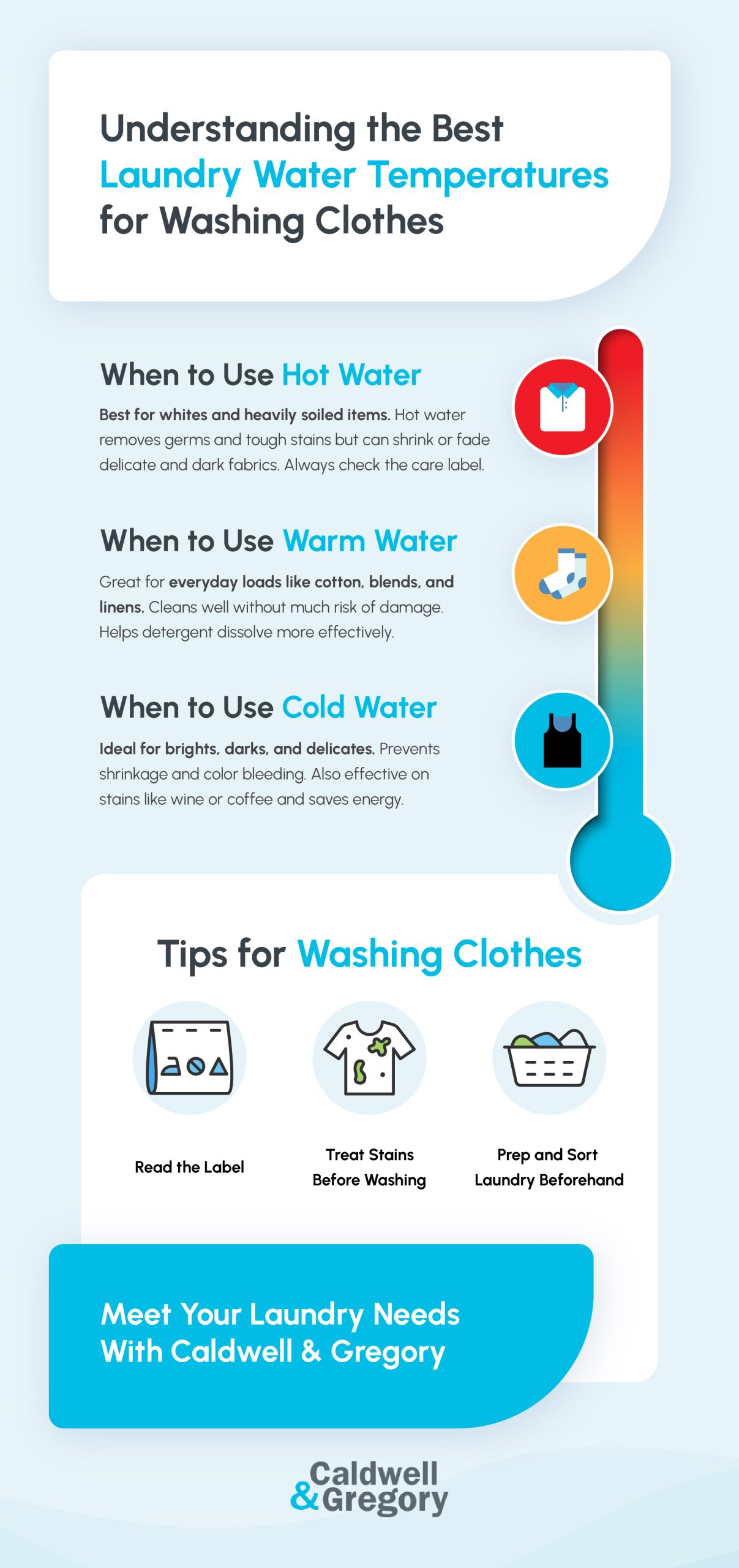
Water temperature plays a big role in killing germs during washing. Hot water, typically above 130°F (54°C), is more effective at destroying bacteria and viruses than cold water. But can you always use hot water? It depends on the fabric type—delicate clothes might get damaged.
Using warm water is a good middle ground, especially for everyday laundry. If you’re dealing with heavily soiled or potentially contaminated clothing, increasing the temperature could make a difference. Think about your last laundry load—did you use warm or cold water? It might be time to reconsider for better germ control.
Use Of Disinfectants
Adding disinfectants to your wash can boost germ-killing power. Products like bleach or laundry sanitizers are designed to kill stubborn germs that detergents alone might miss. But be careful—using too much or the wrong type can damage your clothes or irritate your skin.
If you’re worried about germs from illness or contamination, including a disinfectant can give you peace of mind. Always follow the instructions on the label to protect your fabrics and get the best results. Have you tried adding a laundry sanitizer before? It might be the step you’re missing for truly clean clothes.
Tips For Reducing Germ Presence
Reducing germs on your clothing is more than just a hygiene habit; it’s a way to protect yourself and those around you. Germs can linger on fabrics longer than you might expect, making it important to take practical steps. Let’s look at some effective ways you can lower the presence of germs on your clothes.
Proper Laundry Practices
Washing clothes at the right temperature helps kill germs effectively. Use hot water for items like towels, bed linens, and workout clothes, as heat can destroy many bacteria and viruses.
Adding a disinfectant laundry additive or using a detergent with antiviral properties can boost your washing routine. Don’t overload the washer; clothes need space to get properly cleaned and rinsed.
Importance Of Regular Washing
How often do you wash your clothes? Regular washing reduces the buildup of germs and stops them from spreading. Clothes worn during exercise or outdoor activities should be washed immediately to remove sweat and contaminants.
Even everyday clothing benefits from frequent washing, especially if you have been in public places or around sick individuals. Think about your daily habits—can you wash more often to keep germs at bay?
Use Of Protective Measures
Wearing protective gear, like masks or gloves when necessary, limits how many germs land on your clothes. Changing out of your outerwear as soon as you come home can prevent germs from spreading inside.
Consider using separate bags for dirty clothes, especially if someone in your household is ill. This simple step helps contain germs and keeps your clean clothes safe.
Credit: health.clevelandclinic.org
Myths And Misconceptions
Many people have ideas about how long germs survive on clothing. Some beliefs are true, but others are myths. These misunderstandings affect how people clean and handle clothes. Clearing up these myths helps keep clothes safer and reduces the spread of germs.
Common Beliefs
- Germs live on clothes for weeks or months.
- Washing clothes in cold water does not kill germs.
- Dryers do not help remove germs from fabrics.
- Only visibly dirty clothes carry germs.
- Germs on clothes always cause illness.
Scientific Evidence
Studies show that most germs survive on clothing for a few hours to a few days. Survival depends on the type of germ and fabric. Viruses like the flu last shorter times compared to some bacteria. Washing clothes with detergent and warm water kills most germs.
Dryers use heat that helps reduce germs further. Germs do not grow well on dry fabrics. Clean clothes, even if not visibly dirty, can carry some germs but usually not enough to cause illness. Proper hygiene and regular washing reduce risks effectively.
Credit: www.caldwellandgregory.com
Frequently Asked Questions
How Long Do Germs Survive On Clothes?
Germs can survive on clothing from a few hours to several days. The exact duration depends on the type of germ and fabric. Moisture, temperature, and fabric texture also affect germ survival. Regular washing helps eliminate most germs effectively.
Which Fabrics Hold Germs The Longest?
Synthetic fabrics like polyester tend to hold germs longer than natural fibers. Cotton and wool usually dry faster, reducing germ survival time. However, all fabrics can harbor germs temporarily. Proper washing is essential to remove germs regardless of fabric type.
Can Washing Clothes Kill All Germs?
Yes, washing clothes with detergent in hot water kills most germs. Adding bleach or disinfectants increases effectiveness. Drying clothes in high heat further reduces microbial presence. Always follow garment care labels to avoid damage while ensuring hygiene.
Are Germs On Clothes A Common Infection Source?
Yes, contaminated clothes can spread germs and cause infections. Touching or sharing unwashed clothes increases risk. Germs can transfer to skin or other surfaces. Maintaining good laundry hygiene reduces infection chances significantly.
Conclusion
Germs can live on clothes for hours or even days. This depends on the type of germ and fabric. Washing clothes often helps remove most germs quickly. Drying clothes in sunlight also kills many germs. Remember, clean clothes keep you and others safe.
Stay mindful about hygiene, especially during illness seasons. Small actions make a big difference in stopping germs. Keep your clothes clean, and germs won’t last long. Simple steps protect your health every day.


