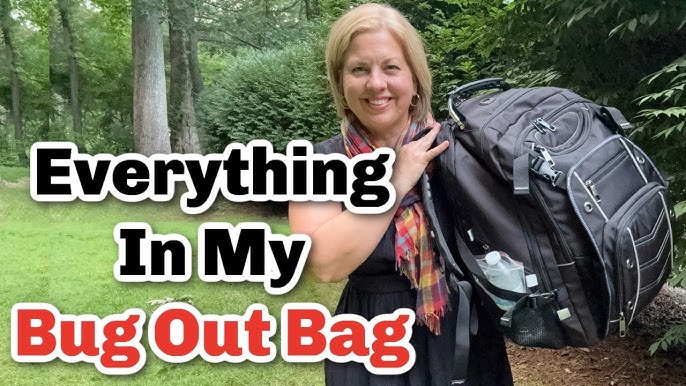
Imagine a moment when you need to leave everything behind and survive on your own. Do you have the right gear ready?
Building a survival bug out bag is one of the smartest steps you can take to protect yourself and your loved ones. In this guide, you’ll learn exactly what to pack, how to organize your bag, and why each item matters.
By the time you finish reading, you’ll feel confident and prepared for any emergency. Ready to create your ultimate survival kit? Let’s get started.
Choosing The Right Backpack
Choosing the right backpack is crucial for building an effective survival bug out bag. The backpack is your mobile base camp—its size, durability, and comfort directly impact how well you carry your essentials when every second counts. Think about your typical bug out scenario and how far you may need to travel; this will guide your choice.
Size And Capacity
Size matters because your backpack needs to hold all your survival gear without being too bulky. Aim for a pack that offers between 30 to 50 liters of capacity, enough for essentials without encouraging overpacking.
Consider what you really need to carry. Can you fit your water, food, shelter, and first aid supplies comfortably? If you pack too little, you risk missing critical items. Too much, and you’ll struggle with weight and mobility.
Material And Durability
Your backpack should withstand rough conditions. Look for materials like ripstop nylon or heavy-duty polyester—these resist tears and repel water better than cheaper fabrics.
Durability isn’t just about the fabric. Check the zippers, stitching, and straps. A broken zipper in the field can cost you valuable time and gear.
Comfort And Fit
Comfort can make or break your bug out experience. A backpack with padded shoulder straps and a supportive hip belt helps distribute weight evenly, reducing fatigue.
Try the pack on with weight inside before buying. Does it sit snugly against your back without pinching? Does it allow you to move freely? If it doesn’t feel right, you’ll regret it on the trail.
Essential Water Supplies
Water is the most vital resource in any survival situation. Carrying enough clean water ensures hydration and helps maintain energy. Packing the right supplies for water storage and purification is critical for your bug out bag. These supplies allow you to collect, store, and treat water safely during emergencies.
Water Containers
Choose containers that are lightweight and durable. They must resist cracks and leaks. Consider different sizes for flexibility and convenience. Collapsible bottles save space when empty. Hard plastic bottles withstand rough use. Metal containers can be boiled for sterilization.
- Plastic water bottles (BPA-free)
- Collapsible water bladders
- Stainless steel canteens
- Water storage bags
Label containers for fresh and treated water. Clean containers before refilling. Replace damaged containers promptly to avoid contamination.
Purification Methods
Water from natural sources often contains germs and harmful particles. Purifying water is essential to prevent illness. Carry portable, easy-to-use purification tools in your bag. Use multiple methods for safety and reliability.
- Water purification tablets – kill bacteria and viruses
- Portable water filters – remove debris and pathogens
- Boiling water – kills most microorganisms
- UV light purifiers – use ultraviolet rays to disinfect
Follow instructions carefully for each method. Store purification supplies in a dry, accessible place. Test your purification gear before emergencies.
Food And Nutrition
Food and nutrition are critical components of your survival bug out bag. Without proper sustenance, your energy levels will drop, and your decision-making abilities can suffer. You need to pack items that are lightweight, long-lasting, and provide enough calories to keep you going.
Non-perishable Options
Choose foods that won’t spoil quickly and don’t require refrigeration. Canned beans, dried fruits, and freeze-dried meals work well because they last for years and provide essential nutrients. Don’t forget versatile staples like rice and pasta, which are easy to cook and fill you up.
Include a variety of proteins, carbohydrates, and fats to maintain balanced nutrition. Nuts and seeds are great for protein and healthy fats, while powdered milk or protein powder can add extra nourishment without bulk. Think about your food’s shelf life and weight when selecting each item.
High-calorie Snacks
When you’re on the move, quick energy is vital. Pack high-calorie snacks like energy bars, trail mix, and nut butters that you can eat on the go. These snacks keep you fueled without the need for preparation.
Look for snacks with a mix of carbs, fats, and protein to sustain your energy levels longer. Avoid sugary snacks that cause energy crashes. Consider trying different brands before your trip to find what works best for your taste and digestion.
Cooking Equipment
Having the right cooking tools can make a big difference in how enjoyable and efficient meal preparation is. A lightweight stove, compact fuel canisters, and a durable pot will cover most of your cooking needs.
Don’t forget essentials like a can opener, utensils, and a small cutting board. Multi-use tools save space and weight, so pick equipment that serves more than one purpose. Have you tested your cooking gear before packing it? Knowing how it works under pressure can save you frustration later.
Credit: singlegirlsdiy.com
Shelter And Warmth
Staying warm and dry is vital in any survival situation. Shelter protects from rain, wind, and cold. Warmth keeps your body safe from hypothermia. Building a strong shelter and packing the right gear boosts your chances of comfort and safety. Prepare for different weather and terrain conditions to stay protected.
Tent And Tarp Options
Tents offer solid protection from weather and insects. Choose lightweight tents that pack small but are durable. Tarps are versatile and light. Use tarps as simple shelters or ground covers. Combining a tarp with rope and stakes creates a quick shelter. Look for waterproof and tear-resistant materials to stay dry.
Sleeping Bags And Blankets
Sleeping bags provide insulation from cold ground and air. Pick bags rated for temperatures below your expected climate. Compact and lightweight bags save space in your bag. Emergency blankets reflect body heat and weigh almost nothing. Carry a thermal blanket for extra warmth. Layer blankets and sleeping bags for colder nights.
Clothing Layers
Layering clothes traps heat and allows easy temperature control. Start with a moisture-wicking base layer to keep skin dry. Add an insulating middle layer like fleece or wool for warmth. Finish with a waterproof and windproof outer layer to block weather. Pack extra socks, hats, and gloves for cold conditions. Change wet clothes quickly to avoid chills.
First Aid And Health
First aid and health supplies are crucial in a survival bug out bag. Injuries and sickness can happen anytime. Being prepared helps manage wounds and avoid infections. Health essentials keep you safe and comfortable during emergencies.
Basic First Aid Kit
A good first aid kit contains key items for treating common injuries. Include:
- Adhesive bandages in various sizes
- Sterile gauze pads and adhesive tape
- Antiseptic wipes and antibiotic ointment
- Scissors, tweezers, and safety pins
- Disposable gloves to keep hands clean
- Pain relievers like ibuprofen or acetaminophen
- Instant cold packs for swelling
These basics cover cuts, scrapes, burns, and minor pain.
Medications And Supplements
Include personal medications and essential supplements. Carry enough supply for several days. Common items include:
- Allergy medicine such as antihistamines
- Anti-diarrheal and motion sickness pills
- Vitamins to maintain strength
- Electrolyte powders for hydration
Check expiration dates regularly and replace expired items.
Personal Hygiene Items
Hygiene prevents illness and promotes comfort. Pack:
- Biodegradable soap and hand sanitizer
- Toothbrush and toothpaste
- Wet wipes and small towels
- Feminine hygiene products if needed
- Toilet paper and a small trowel
Keep these items in waterproof bags to stay dry and clean.
Navigation And Communication
Navigation and communication tools are essential in any survival bug out bag. They help you find your way and stay connected. Without these, you may get lost or unable to call for help. Carrying reliable gear boosts your chances of safety in tough situations.
Maps And Compass
Topographic maps show land features and paths. Always carry a detailed map of your area. A compass helps you find direction without batteries. Learn how to use a compass with your map. Practice reading both before an emergency. This skill works anywhere, even without technology.
Gps Devices
GPS devices use satellites to pinpoint your location. They offer precise directions and can save waypoints. Choose a handheld GPS with long battery life. Carry extra batteries or a solar charger. Remember, GPS may fail in dense forests or bad weather. Always have a backup like maps and compass.
Signal Tools
Signal tools let others know where you are. A whistle is loud and easy to carry. Mirrors reflect sunlight to attract attention. Carry brightly colored cloth or flags for visibility. Two-way radios help communicate over short distances. Prepare these tools to call for help or alert rescuers.
Tools And Equipment
Your survival bug out bag hinges on the right tools and equipment. These items don’t just fill space—they can mean the difference between comfort and crisis. Choosing wisely ensures you stay prepared, no matter where or when you need to rely on your pack.
Multipurpose Knife
A multipurpose knife is a cornerstone of any bug out bag. It’s not just for cutting; it can help you build shelter, prepare food, and even defend yourself. Look for one with a sturdy blade and additional tools like a screwdriver or can opener to maximize its usefulness.
Think about how often you’ve needed a quick fix or a sharp edge during outdoor trips. That same utility applies in survival situations. A reliable knife stays sharp and strong, ready to tackle any task you throw at it.
Fire Starters
Fire starters are essential for warmth, cooking, and signaling for help. Matches can get wet or run out, so consider carrying waterproof options like ferro rods or magnesium blocks. These tools can create sparks even in damp conditions, giving you a reliable way to start a fire.
Have you ever struggled to light a campfire in the rain? Fire starters eliminate that frustration and increase your chances of success. Carry more than one type to cover different environments and emergencies.
Lighting Solutions
Light is critical once the sun goes down. Flashlights, headlamps, and glow sticks serve different purposes, so pack a mix for versatility. LED flashlights are lightweight and energy-efficient, while headlamps free your hands for other tasks.
Remember to pack extra batteries or choose rechargeable options. Would you want to be left in the dark when you need to navigate or signal? Quality lighting can keep you safe and oriented in unfamiliar surroundings.
Self-defense And Safety
Building a survival bug out bag isn’t just about food and water; your safety and ability to defend yourself are just as crucial. When you’re in an emergency, feeling secure can make all the difference. You need tools and gear that help you protect yourself effectively without weighing you down.
Personal Defense Tools
Choose defense tools that you are comfortable using and that fit the situation you might face. A compact tactical flashlight can blind an attacker temporarily and also light your path. Pepper spray is another lightweight option that can stop a threat without close contact.
Some people add a folding knife, but remember, it requires skill and confidence to use safely. Consider simple self-defense keys or a sturdy whistle as less aggressive alternatives. What defense tools would you feel confident carrying daily?
Emergency Whistle
An emergency whistle is a small but powerful safety item. It can draw attention if you’re lost or in danger, and it conserves your energy compared to shouting. Choose a whistle with a piercing tone and attach it where you can reach it quickly.
Practice blowing your whistle with short blasts to signal for help. Could this simple item be your lifeline in a crisis? You might be surprised how far its sound can travel, especially in quiet, open areas.
Protective Gear
Protective gear adds a layer of safety in unpredictable situations. Gloves protect your hands from cuts and scrapes while handling rough materials or defending yourself. Consider lightweight knee and elbow pads if you expect rough terrain or physical confrontations.
Adding a durable face mask can shield against dust, debris, or even airborne hazards. How much protective gear can you realistically carry without slowing yourself down? Prioritize gear that balances protection with mobility.
Packing And Organization
Packing and organization are key to building an effective bug out bag. A well-packed bag saves time and energy during emergencies. The right setup ensures you carry what you need without extra weight. Organizing items smartly helps find essentials quickly. Focus on balance, easy access, and keeping track of contents.
Weight Distribution
Keep heavy items close to your back. This reduces strain and improves balance. Place medium-weight items around the heavy core. Lighter items go near the bag’s outer edges. Avoid putting all weight on one side. Distribute gear evenly to prevent discomfort. Use compartments to separate heavy and light items.
Accessibility Tips
Store frequently used items in outer pockets. Use clear bags for small essentials like matches or medicine. Keep a flashlight and multi-tool within easy reach. Arrange clothes and food deeper inside the bag. Use color-coded bags or labels for quick ID. Regularly practice packing to improve speed and efficiency.
Checklist And Inventory
Create a checklist before packing your bag. List all necessary items by category. Update the list after each use or season change. Keep a printed copy inside the bag for reference. Track expiration dates of food and medicine. Regular inventory checks avoid surprises during emergencies.

Credit: medium.com
Maintenance And Updates
Keeping your survival bug out bag ready is vital for any emergency. Regular maintenance and updates ensure your bag stays practical and reliable. Items can expire, get damaged, or become less useful over time. Adjusting the contents to suit changing seasons also boosts your preparedness.
Regular Inspections
Check your bug out bag every few months. Look for broken zippers, worn straps, or damaged containers. Open the bag and review all items inside. Confirm everything is clean and in working order. Identify missing or damaged gear and note replacements needed.
Replacing Expired Items
Some items have a shelf life, like food, water, and medicine. Remove expired or nearly expired supplies immediately. Replace batteries and first aid materials regularly. Keep a list of expiration dates for easy tracking. Fresh supplies increase your survival chances during emergencies.
Seasonal Adjustments
Change your bag’s contents based on the season or climate. Add warm clothing and blankets for winter. Include extra water and sun protection for summer. Adapt tools and supplies for weather changes or local hazards. Seasonal updates keep your bug out bag efficient year-round.

Credit: trueprepper.com
Frequently Asked Questions
What Essentials Should Be In A Survival Bug Out Bag?
A survival bug out bag should include water, food, first aid, shelter, tools, and clothing. Prioritize lightweight and multi-use items for efficiency and preparedness.
How Much Water Is Needed In A Bug Out Bag?
Carry at least one gallon of water per person per day. Include portable water filters or purification tablets for longer survival situations.
How Often Should I Update My Bug Out Bag?
Update your bug out bag every six months. Replace expired food, batteries, and check for damaged gear to stay ready.
Can I Customize A Bug Out Bag For My Needs?
Yes, customize your bug out bag based on your location, climate, and personal health requirements. Tailored gear improves survival chances.
Conclusion
Building a survival bug out bag takes time and thought. Start with the basics: water, food, shelter, and first aid. Choose items that fit your needs and climate. Keep your bag light and easy to carry. Check and update your bag often.
Practice using the gear before an emergency happens. A well-prepared bag can make a big difference. Stay safe and ready for any situation. Your efforts today help protect you tomorrow.