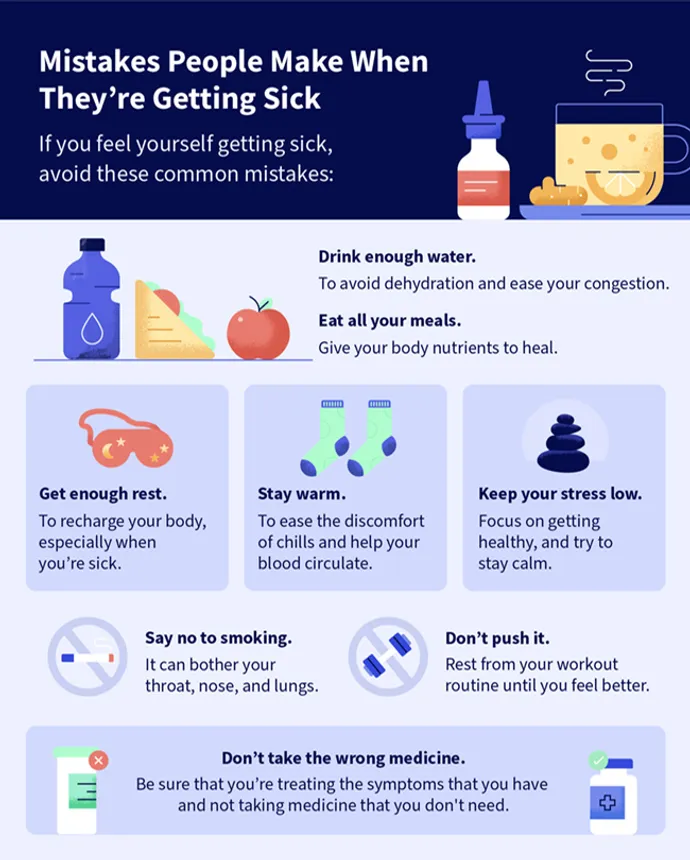
Have you ever wondered how long Covid-19 can live on your clothes? Knowing this can help you protect yourself and your loved ones better.
You might touch your jacket or cloth mask and worry if the virus is still there. Understanding how long the virus survives on fabric can guide you in keeping your daily routine safer. Keep reading to find out the facts that can make a real difference in your health and peace of mind.
Covid-19 Survival On Fabrics
Covid-19 can survive on fabrics for varying times. The virus’s lifespan depends on the type of cloth and environmental conditions. Understanding how long the virus remains active on different fabrics helps reduce the risk of transmission. It also guides proper cleaning and handling of cloth items like masks, clothes, and upholstery.
Virus Lifespan On Different Cloth Types
The virus does not survive equally on all fabrics. Studies show:
- Cotton:Virus lasts up to 1 day.
- Polyester:Virus can survive 2 to 3 days.
- Silk:Virus survives less than 1 day.
- Wool:Virus may stay active for about 1 day.
These times vary based on fabric weave and thickness. Tighter weaves usually trap the virus longer.
Factors Affecting Virus Longevity
Several factors affect how long Covid-19 stays on cloth:
- Temperature:Higher heat reduces virus survival.
- Humidity:Low humidity can extend virus life.
- Sunlight:UV rays help kill the virus quickly.
- Fabric Moisture:Dry fabrics tend to hold virus shorter.
Handling and washing cloth frequently lowers virus risk. Using hot water and detergent removes the virus effectively.
Transmission Risks From Cloth
Cloth surfaces can hold the Covid-19 virus for varying times, posing transmission risks. Understanding how the virus spreads via fabric helps reduce infection chances. Risks depend on fabric type, moisture, and exposure time. Handling contaminated cloth without care can spread the virus to hands and face. Awareness of these risks supports safer daily habits and precautions.
How Virus Transfers Via Fabric
The virus spreads to fabric mainly through droplets from coughs or sneezes. These droplets land on clothing or masks. Touching these contaminated areas can transfer the virus to hands. Then, if hands touch the mouth, nose, or eyes, infection can occur. The virus survives longer on damp fabric than dry fabric. Washing cloth properly removes or kills the virus effectively.
Common Scenarios Of Exposure
- Touching masks after use without washing hands.
- Handling clothes worn in public without cleaning them.
- Sharing towels, bedding, or clothing with others.
- Contact with fabric surfaces in crowded places.
- Storing used cloth items near clean ones without separation.
Effective Cleaning Methods
Cleaning cloth properly is your best defense against the Covid-19 virus lingering on fabric. Simple washing can dramatically reduce the risk of transmission, but it’s crucial to use the right techniques and products. Understanding how to clean effectively helps you protect yourself and your loved ones without wasting time or resources.
Washing Techniques To Eliminate Virus
Start by separating your clothes, especially if someone in your home is sick. Wash contaminated fabrics separately to avoid spreading the virus to other items.
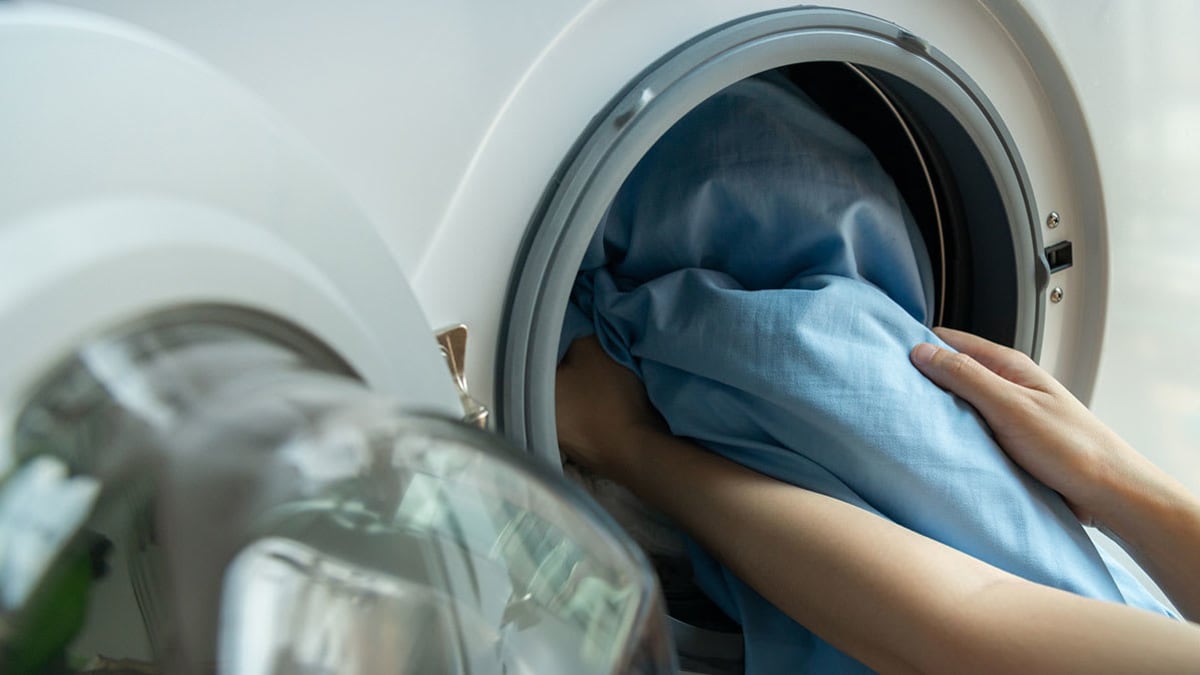
Use a washing machine whenever possible. The combination of water, detergent, and agitation works well to remove and kill the virus on cloth.
Don’t rush the process—set your machine to a full cycle. A longer wash time ensures better penetration of detergent and thorough cleaning.
If you hand wash, soak clothes in soapy water for at least 20 minutes before scrubbing gently. This gives the virus time to break down and detach from the fibers.
Recommended Detergents And Temperatures
Choose detergents with disinfecting properties or those labeled for heavy-duty cleaning. These are more effective at breaking down the virus’s outer layer.
Hot water is your ally in killing Covid-19 on fabric. Washing at temperatures of 60°C (140°F) or higher can destroy the virus more effectively than cold water.
| Temperature | Effectiveness | Recommended Fabrics |
|---|---|---|
| Cold (below 30°C / 86°F) | Less effective at killing virus | Delicates, colors that fade |
| Warm (30-50°C / 86-122°F) | Moderate effectiveness | Most everyday fabrics |
| Hot (60°C / 140°F and above) | Highly effective at virus elimination | Whites, towels, bed linens |
Have you ever noticed how your usual detergent doesn’t always feel enough during flu season? That’s because some detergents have enzymes or bleach alternatives that boost virus removal. Look for these features next time you shop.
Remember, drying your clothes thoroughly in the sun or using a dryer can add an extra layer of virus reduction. The heat and UV rays help kill any remaining germs.
Credit: health.clevelandclinic.org
Drying And Disinfecting Cloth
Drying and disinfecting cloth plays a vital role in reducing the survival of Covid-19 on fabrics. The virus can linger on cloth for hours to days, depending on conditions. Proper drying and cleaning methods help lower this risk significantly. Understanding how drying affects the virus and which disinfectants work best on fabrics is key for safe handling.
Impact Of Drying On Virus Survival
Drying cloth removes moisture that the virus needs to stay alive. The virus survives longer on wet or damp fabrics. Once the cloth is dry, the virus dies faster.
Sunlight and warm air speed up drying and help reduce virus survival. Drying cloth in direct sunlight can kill many germs. Using a dryer with heat also lowers virus presence. Cold or damp conditions allow the virus to live longer on cloth.
Use Of Disinfectants On Fabrics
Disinfectants help kill the virus on cloth surfaces. Not all disinfectants are safe or effective for fabrics. Choose those approved for use on textiles.
- Use diluted bleach solutions carefully on white or color-safe fabrics.
- Alcohol-based sprays with at least 70% alcohol can disinfect cloth.
- Commercial fabric disinfectants are designed for safe use on textiles.
- Always test disinfectants on a small cloth area first to avoid damage.
Washing cloth with soap and hot water also removes and kills the virus effectively. Combining washing, drying, and disinfecting gives the best protection against Covid-19 on fabrics.
Safety Tips For Handling Clothes
Handling clothes during the Covid-19 pandemic calls for extra care to reduce any risk of virus transmission. Clothes can carry virus particles, especially if worn in public or around others who might be infected. Understanding how to manage your laundry and storage routines safely can protect both you and your household.
Protective Measures During Laundry
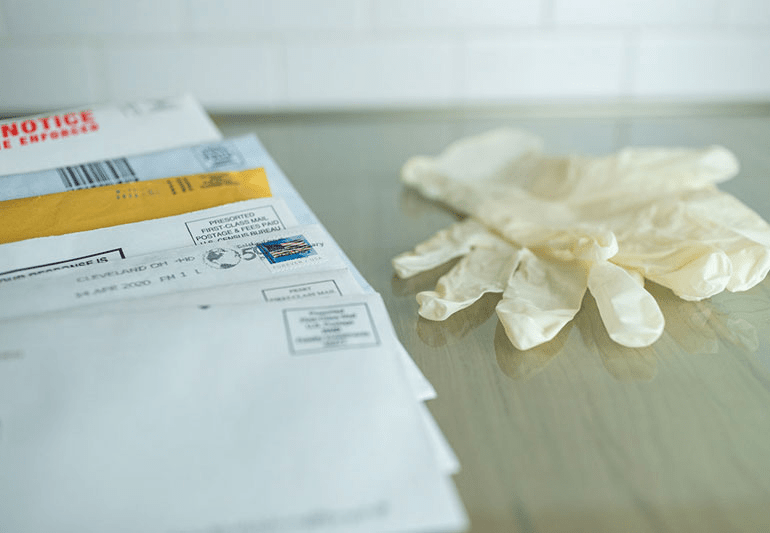
Wear disposable gloves when handling dirty clothes from someone who is sick. Avoid shaking the clothes to prevent spreading virus particles through the air.
Use the warmest water setting allowed by the fabric care label to wash your clothes. Add regular detergent and, if possible, a disinfectant approved for laundry use.
Dry clothes completely using the highest heat setting safe for the fabric. Heat helps kill any remaining virus particles effectively.
Storing And Managing Used Fabrics
Keep used clothes separate from clean laundry in a dedicated, ventilated bin or bag. This prevents cross-contamination and helps you manage laundry loads efficiently.
Wash your hands thoroughly after handling dirty fabrics, even if you wore gloves. This step is crucial to avoid transferring the virus to your face or other surfaces.
Consider leaving clothes worn outside your home untouched for a few hours before washing, as the virus viability decreases over time. Does your current laundry routine allow for these extra precautions?

Credit: www.catholicyyc.ca
Myths And Facts About Cloth Transmission
There’s a lot of confusion about how long Covid-19 can survive on cloth and whether fabric poses a real risk for transmission. Some believe your clothes can carry the virus for days, while others think fabric is harmless. Sorting through these myths and facts can help you protect yourself without unnecessary worry.
Common Misconceptions Cleared
Many people think the virus lingers on clothes for several days, making every touch risky. However, Covid-19 doesn’t survive well on porous surfaces like fabric compared to hard surfaces.
You might have heard that washing clothes isn’t enough to kill the virus. Actually, regular laundry with detergent and warm water effectively removes and kills the virus.
Some assume that simply wearing masks made of cloth is ineffective. Yet, multiple studies confirm that cloth masks reduce virus spread significantly if washed regularly.
Scientific Findings On Fabric Risks
Research shows that Covid-19 virus particles degrade quickly on cloth, often within hours. The virus struggles to remain infectious on soft, absorbent materials because they trap and dry out the virus.
One study found that after just 6-8 hours, virus levels on fabric dropped dramatically. This suggests your clothes are less likely to be a major source of infection.
Still, it’s smart to wash your clothes after exposure in crowded or high-risk areas. This simple step keeps you and your family safer without extra hassle.
Have you noticed how easily your fabric masks get dirty after a day out? That’s a good reminder to clean them regularly and keep your protection effective.
Credit: www.consumerreports.org
Frequently Asked Questions
How Long Does Covid-19 Survive On Cloth Surfaces?
Covid-19 can survive on cloth for up to 1-2 days, depending on fabric type and environmental conditions. Virus viability decreases faster on porous materials like cotton.
Does Washing Cloth Remove Covid-19 Effectively?
Yes, washing cloth with detergent and hot water kills Covid-19 particles. Proper laundering eliminates the virus and reduces transmission risk.
Can Covid-19 Spread Through Contaminated Clothing?
Transmission through clothing is unlikely but possible if the virus remains active. Handling and washing clothes properly reduce this risk significantly.
How Does Fabric Type Affect Covid-19 Survival Time?
Porous fabrics like cotton reduce virus survival compared to synthetic materials. Virus lifespan varies due to moisture retention and fabric texture.
Conclusion
Understanding how long Covid-19 survives on cloth helps in prevention. Regular washing of clothes reduces the risk of virus spread. Use warm water and detergent for effective cleaning. Dry clothes thoroughly in sunlight if possible. Consider these steps for added safety.
Simple habits can keep us safe. Stay informed and cautious. Protect yourself and others by staying aware. Always follow health guidelines. Stay healthy and safe.

